
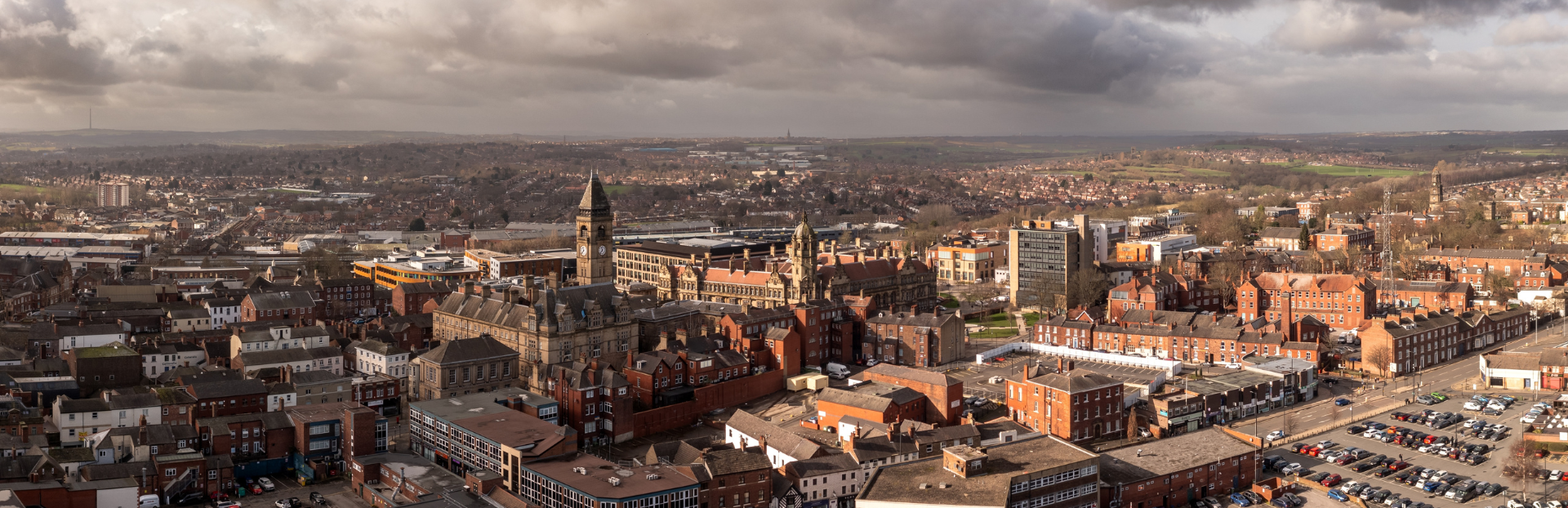
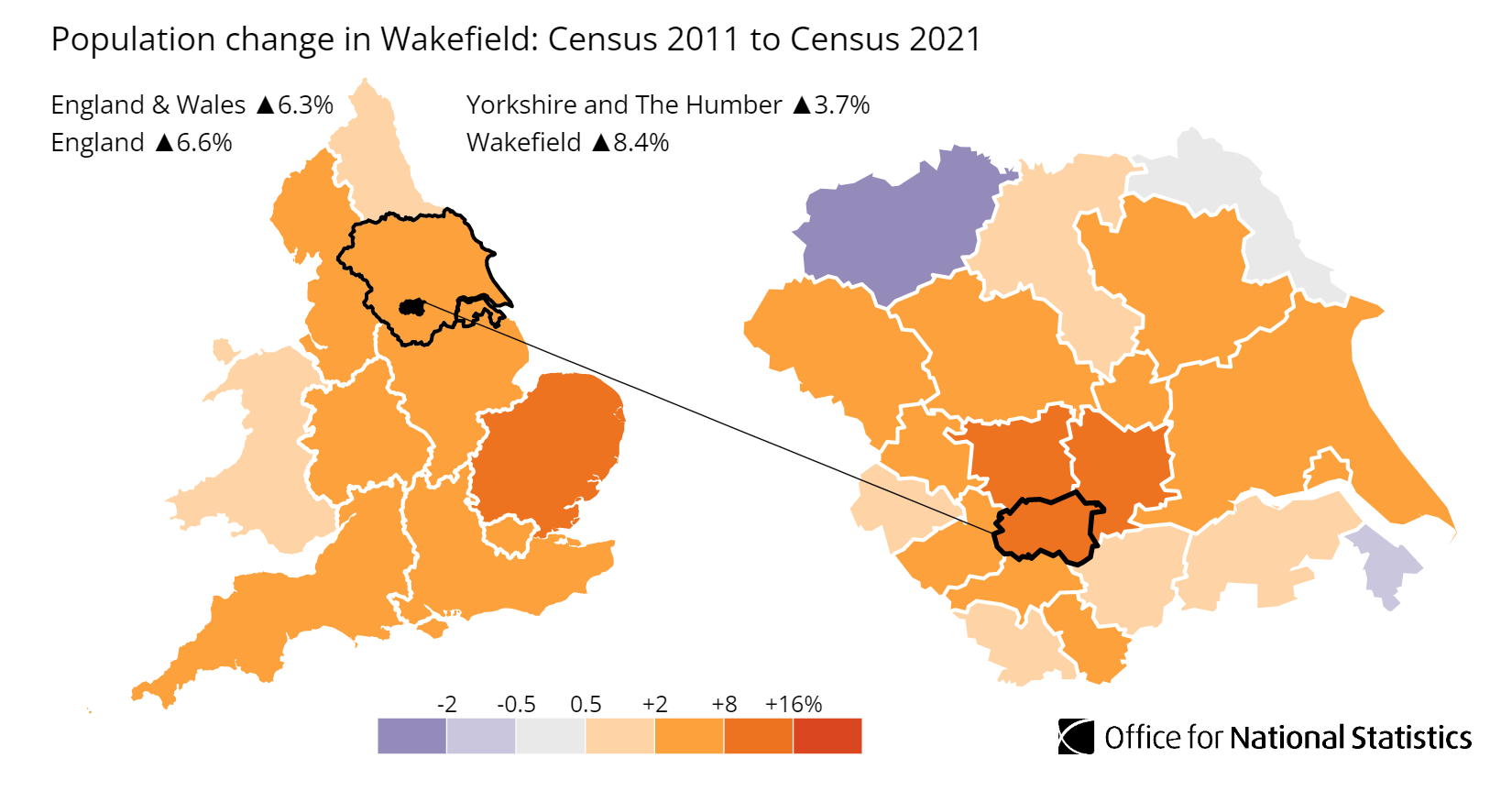
Wakefield is a city in West Yorkshire. Average sold prices across Wakefield sit at £198,662 on the HM Land Registry House Price Index, 31.5% below the England average of £289,946 and 4.4% below the Yorkshire and The Humber average of £207,750. That places the whole City of Wakefield district in the affordable band of West Yorkshire, priced under Leeds to the north and Huddersfield to the west. The district's population grew 8.45% between the 2011 and 2021 censuses, from 325,837 to 353,368 residents.
The spread that matters for a buy-to-let buyer runs east to west. The former coalfield postcodes in the east, WF9 (Hemsworth, South Elmsall), WF10 (Castleford) and S72 (Cudworth, Grimethorpe), carry asking prices near £215,000 and the district's top gross yields of 4.4% to 4.8%. The western and Leeds-fringe postcodes, WF2 (Sandal, Wrenthorpe, Outwood) and WF4 (Horbury, Crofton), run close to £305,000 with yields down at 3.5% to 3.9%. WF10 (Castleford) tops the yield table at 4.8% on a £214,107 asking price.
This guide covers the City of Wakefield metropolitan district (ONS code E08000036) across 14 postcodes: WF1 to WF11, plus the Barnsley-bordering S72 and S75 and the Leeds-bordering LS26. The district stretches from Rothwell and Woodlesford in the north to Hemsworth and South Elmsall in the south-east, and takes in Castleford and Pontefract to the east. Investors comparing alternatives in the region can also look at Bradford or Doncaster.
Article updated: July 2026
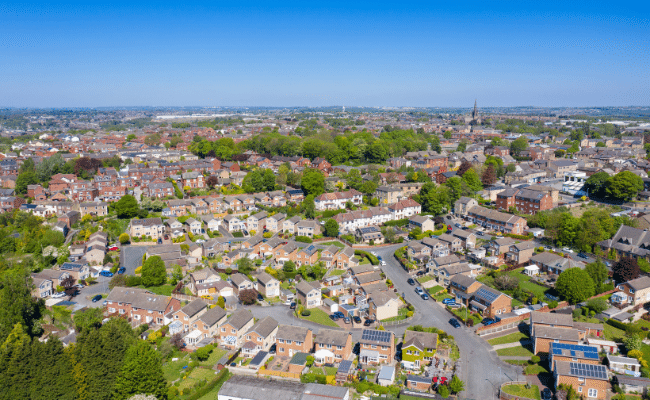
Why Invest in Wakefield?
Wakefield's population reached 353,368 in the 2021 Census, up 8.45% from 325,837 in 2011. That growth rate runs above the England and Wales average of 6.3%, adding more than 27,500 residents in a decade. More people in the district means more households needing somewhere to rent.
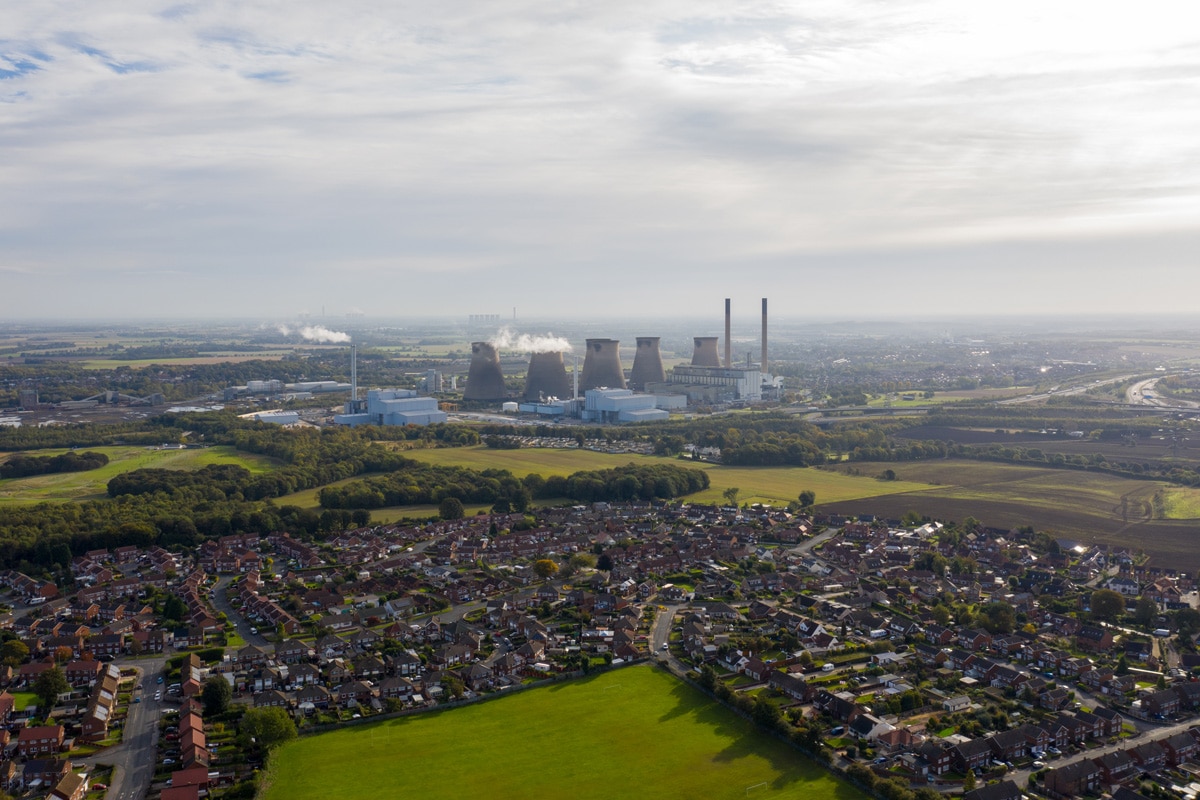
The employment rate across Wakefield is 74.8%, with unemployment at 4.7%, on the latest Nomis Labour Market Profile. The district's jobs base leans on health and social care, with Pinderfields Hospital among its largest single employers, plus logistics and distribution feeding off the M1 and M62 junctions, manufacturing, and retail. Castleford and Normanton in particular have drawn large warehouse and distribution operations to sites near the motorway network.
The median gross annual salary for Wakefield residents is £34,400. The median gross weekly salary is £689.10, below the Yorkshire and The Humber median of £711.60 and the Great Britain median of £766.60. Local wages sitting under the national figure is part of what keeps Wakefield's asking prices where they are: the affordability works because both sides of the equation, wages and house prices, sit below the national line.
Wakefield Economic Summary
- Population: 353,368 (2021 Census). Growth of 8.45% from 2011.
- Median annual salary: £34,400 (local), £39,125 (Great Britain)
- Median weekly salary: £689.10 (local), £711.60 (Yorkshire and The Humber), £766.60 (Great Britain)
- Employment rate: 74.8% (local)
- Unemployment rate: 4.7% (local)
- Key employment sectors: Health and social care, logistics and distribution, manufacturing, retail, public administration
Source: ONS Census 2021, Nomis Labour Market Profile (ASHE 2025, employment latest year)
Regeneration and Investment in Wakefield
Wakefield is midway through a run of public investment aimed at its city centre and key gateway sites, with more than £40 million committed across the projects below. Most of it lands in and around the WF1 city centre postcode.
- Cathedral Quarter Transformation (In progress, £17.9m MHCLG funding): The council and its regeneration partner Muse are demolishing the former Ridings Shopping Centre and redeveloping the site into a mixed-use district with new homes, retail, leisure and public space. New city centre housing adds rental stock in WF1, where the flat share is already the district's highest. Updates at Wakefield Council.
- Old Westgate Station Hotel (Planned, part of £24.9m Towns Deal): A 110-bedroom hotel is planned for the former railway station site, with completion targeted for 2028, alongside the refurbishment of Pemberton House as office space. A hotel and offices at a main city entrance add employment and footfall around WF1. Updates at Wakefield Council.
- Rutland Mills / Tileyard North (Complete): A 135,000 sq ft Grade II listed mill on the waterfront has been converted into a creative industries hub with recording studios, event spaces and offices. The completed scheme brings jobs and footfall to the riverside quarter near the city centre. Updates at Wakefield Council.
Source: Office for National Statistics - Population for Wakefield
Wakefield Property Market Analysis
Average property prices in Wakefield have risen 361.2% since January 1995, from £43,074 to £198,662. The sections below walk through that journey cycle by cycle, then drill into current postcode-level data for sold prices, price per square foot, asking prices, growth trends and monthly transaction volumes.
When was the last house price crash in Wakefield?
Wakefield's average house price peaked at £139,685 in December 2007, then fell 21.4% to a trough of £109,771 in April 2013. The decline itself was steep, but the length of it is the part that stands out. England reached its own trough in early 2009 and Yorkshire and The Humber not long after, while Wakefield kept drifting lower for another four years before it turned.
Here is the full cycle-by-cycle picture of Wakefield house prices from January 1995 to the latest reading:
- 1995 to 2007, the boom: Prices climbed from £43,074 in January 1995 to the £139,685 December 2007 peak, more than tripling over the run. Cheap credit, rising mortgage availability and a growing buy-to-let market carried prices up across the district.
- 2008 to 2009, the financial crisis: The worst annual reading hit -14.1% in November 2008. Where England and Yorkshire bottomed out in 2009, Wakefield's prices kept falling.
- 2010 to 2013, the long stagnation: Prices drifted lower through 2010, 2011 and 2012 before reaching the £109,771 trough in April 2013. The total fall of 21.4% from peak was deeper than England's, and it took far longer to play out.
Recovery and growth, 2014 to the present:
- 2014 to 2018, the slow climb back: The recovery was gradual. Wakefield did not regain its 2007 peak until August 2018, when the average reached £140,121. That is a recovery period of more than ten years from the top.
- 2019 to 2020: Growth continued, and by December 2020 the average stood at £153,561.
- 2021 to 2022, the pandemic surge: The stamp duty holiday, low rates and a shift towards more space accelerated prices across the district.
- 2023, the rate shock: Higher mortgage rates cooled momentum, though Wakefield's affordability left it less exposed than pricier markets.
- 2024 to 2026: The latest Land Registry reading puts Wakefield at £198,662 in March 2026, up 3.1% over the year.
Long-term growth summary:
- 5 years (2021 to 2026): +24.8% growth (£159,228 to £198,662)
- 10 years (2016 to 2026): +59.3% growth (£124,744 to £198,662)
- 15 years (2011 to 2026): +74.9% growth (£113,573 to £198,662)
- 20 years (2006 to 2026): +62.7% growth (£122,084 to £198,662)
- 30 years (1995 to 2026): +361.2% growth (£43,074 to £198,662)
The 20-year figure of 62.7% comes in below the 15-year figure of 74.9%, which looks odd until you place the start points against the crash. March 2006 was £122,084, already higher than the £113,573 of March 2011, because the 2007 peak and the long decline that followed sat in between. An investor who bought at the December 2007 top waited until August 2018 to break even on the index. Wakefield's current £198,662 now sits 42.2% above that pre-crash peak, and effectively all of that gain has come since 2018.
- All property types
- Detached
- Semi-detached
- Terraced
- Flats
Source: HM Land Registry House Price Index
| Year | All property types | Detached | Semi-detached | Terraced | Flats |
|---|---|---|---|---|---|
| 1995-01 | £43,074 | £72,000 | £41,977 | £33,279 | £27,969 |
| 1995-02 | £43,115 | £71,642 | £42,239 | £33,249 | £27,992 |
| 1995-03 | £43,110 | £71,439 | £42,215 | £33,320 | £27,991 |
| 1995-04 | £43,579 | £72,002 | £42,721 | £33,706 | £28,358 |
| 1995-05 | £43,840 | £72,333 | £42,942 | £33,967 | £28,554 |
| 1995-06 | £44,778 | £73,988 | £43,941 | £34,586 | £29,254 |
| 1995-07 | £44,699 | £74,080 | £43,847 | £34,480 | £29,026 |
| 1995-08 | £44,869 | £74,822 | £43,965 | £34,523 | £28,941 |
| 1995-09 | £44,618 | £74,470 | £43,667 | £34,367 | £28,575 |
| 1995-10 | £44,249 | £73,945 | £43,408 | £33,960 | £28,420 |
| 1995-11 | £43,849 | £73,248 | £43,084 | £33,596 | £28,300 |
| 1995-12 | £42,910 | £71,734 | £42,226 | £32,799 | £27,750 |
| 1996-01 | £42,262 | £70,866 | £41,578 | £32,259 | £27,159 |
| 1996-02 | £41,581 | £69,699 | £40,957 | £31,724 | £26,607 |
| 1996-03 | £41,674 | £69,971 | £41,118 | £31,724 | £26,544 |
| 1996-04 | £42,565 | £71,196 | £41,942 | £32,539 | £27,200 |
| 1996-05 | £43,271 | £72,163 | £42,564 | £33,216 | £27,665 |
| 1996-06 | £43,318 | £72,188 | £42,525 | £33,328 | £27,911 |
| 1996-07 | £43,512 | £72,662 | £42,753 | £33,402 | £27,911 |
| 1996-08 | £43,832 | £73,620 | £43,032 | £33,539 | £27,951 |
| 1996-09 | £44,031 | £74,247 | £43,166 | £33,659 | £27,804 |
| 1996-10 | £43,680 | £73,744 | £42,843 | £33,350 | £27,484 |
| 1996-11 | £43,901 | £73,941 | £43,111 | £33,532 | £27,691 |
| 1996-12 | £44,080 | £73,976 | £43,372 | £33,697 | £27,710 |
| 1997-01 | £44,293 | £74,336 | £43,553 | £33,887 | £27,789 |
| 1997-02 | £43,815 | £73,776 | £43,073 | £33,450 | £27,394 |
| 1997-03 | £43,713 | £73,783 | £42,893 | £33,385 | £27,381 |
| 1997-04 | £44,137 | £74,279 | £43,346 | £33,763 | £27,655 |
| 1997-05 | £44,796 | £75,115 | £44,035 | £34,346 | £27,924 |
| 1997-06 | £45,425 | £76,196 | £44,685 | £34,803 | £28,092 |
| 1997-07 | £45,839 | £77,097 | £45,033 | £35,105 | £28,128 |
| 1997-08 | £45,881 | £77,453 | £45,027 | £35,071 | £28,088 |
| 1997-09 | £45,805 | £77,411 | £44,935 | £34,996 | £28,017 |
| 1997-10 | £45,265 | £76,569 | £44,445 | £34,516 | £27,716 |
| 1997-11 | £44,944 | £76,016 | £44,143 | £34,264 | £27,503 |
| 1997-12 | £44,429 | £75,144 | £43,721 | £33,793 | £27,155 |
| 1998-01 | £43,720 | £74,194 | £42,951 | £33,226 | £26,697 |
| 1998-02 | £44,466 | £75,546 | £43,725 | £33,708 | £27,311 |
| 1998-03 | £44,780 | £76,145 | £44,029 | £33,931 | £27,469 |
| 1998-04 | £45,656 | £77,302 | £44,982 | £34,649 | £28,022 |
| 1998-05 | £45,240 | £76,379 | £44,528 | £34,487 | £27,644 |
| 1998-06 | £44,895 | £75,776 | £44,134 | £34,278 | £27,566 |
| 1998-07 | £45,162 | £76,425 | £44,356 | £34,436 | £27,697 |
| 1998-08 | £45,122 | £76,686 | £44,256 | £34,325 | £27,600 |
| 1998-09 | £45,512 | £77,447 | £44,599 | £34,622 | £27,751 |
| 1998-10 | £45,364 | £77,369 | £44,449 | £34,432 | £27,739 |
| 1998-11 | £45,350 | £77,445 | £44,508 | £34,298 | £27,799 |
| 1998-12 | £45,382 | £77,427 | £44,645 | £34,236 | £27,980 |
| 1999-01 | £45,472 | £77,548 | £44,780 | £34,275 | £28,016 |
| 1999-02 | £45,610 | £77,652 | £44,956 | £34,394 | £28,122 |
| 1999-03 | £45,945 | £78,289 | £45,284 | £34,617 | £28,338 |
| 1999-04 | £45,940 | £77,914 | £45,279 | £34,766 | £28,400 |
| 1999-05 | £46,109 | £78,032 | £45,415 | £34,998 | £28,525 |
| 1999-06 | £46,431 | £78,489 | £45,687 | £35,328 | £28,662 |
| 1999-07 | £46,379 | £78,692 | £45,558 | £35,249 | £28,541 |
| 1999-08 | £46,804 | £79,580 | £45,885 | £35,594 | £28,743 |
| 1999-09 | £46,868 | £79,945 | £45,851 | £35,628 | £28,792 |
| 1999-10 | £47,435 | £80,981 | £46,491 | £35,933 | £29,312 |
| 1999-11 | £46,937 | £80,092 | £46,075 | £35,492 | £29,131 |
| 1999-12 | £46,313 | £78,877 | £45,520 | £35,016 | £28,871 |
| 2000-01 | £45,986 | £78,437 | £45,156 | £34,771 | £28,533 |
| 2000-02 | £46,565 | £79,668 | £45,705 | £35,130 | £28,808 |
| 2000-03 | £46,829 | £80,157 | £46,029 | £35,267 | £28,745 |
| 2000-04 | £47,350 | £80,805 | £46,549 | £35,747 | £29,192 |
| 2000-05 | £47,273 | £80,526 | £46,537 | £35,684 | £29,258 |
| 2000-06 | £48,313 | £82,243 | £47,577 | £36,465 | £30,101 |
| 2000-07 | £48,983 | £83,813 | £48,240 | £36,798 | £30,402 |
| 2000-08 | £49,587 | £85,292 | £48,825 | £37,071 | £30,847 |
| 2000-09 | £49,826 | £86,223 | £48,959 | £37,130 | £30,950 |
| 2000-10 | £49,893 | £86,470 | £49,086 | £37,066 | £31,073 |
| 2000-11 | £49,969 | £86,663 | £49,129 | £37,126 | £31,130 |
| 2000-12 | £49,854 | £86,285 | £49,116 | £37,011 | £31,249 |
| 2001-01 | £50,350 | £87,250 | £49,529 | £37,406 | £31,548 |
| 2001-02 | £49,861 | £86,366 | £49,054 | £37,051 | £31,185 |
| 2001-03 | £50,314 | £87,259 | £49,455 | £37,385 | £31,264 |
| 2001-04 | £49,567 | £85,795 | £48,670 | £36,926 | £30,884 |
| 2001-05 | £50,730 | £87,404 | £49,846 | £37,906 | £31,678 |
| 2001-06 | £50,877 | £87,576 | £49,980 | £38,038 | £32,030 |
| 2001-07 | £51,777 | £89,248 | £50,901 | £38,638 | £32,525 |
| 2001-08 | £52,669 | £91,302 | £51,658 | £39,220 | £33,080 |
| 2001-09 | £53,880 | £93,796 | £52,715 | £40,096 | £33,779 |
| 2001-10 | £54,849 | £95,475 | £53,689 | £40,788 | £34,527 |
| 2001-11 | £55,286 | £96,094 | £54,186 | £41,100 | £34,859 |
| 2001-12 | £55,694 | £96,465 | £54,737 | £41,378 | £35,373 |
| 2002-01 | £56,241 | £97,566 | £55,256 | £41,745 | £35,763 |
| 2002-02 | £56,835 | £98,809 | £55,728 | £42,201 | £36,174 |
| 2002-03 | £57,722 | £100,287 | £56,580 | £42,908 | £36,603 |
| 2002-04 | £58,482 | £101,298 | £57,286 | £43,596 | £37,382 |
| 2002-05 | £59,717 | £102,871 | £58,647 | £44,579 | £38,336 |
| 2002-06 | £60,621 | £104,465 | £59,472 | £45,283 | £39,109 |
| 2002-07 | £61,800 | £106,562 | £60,619 | £46,161 | £39,692 |
| 2002-08 | £62,943 | £108,670 | £61,690 | £47,008 | £40,431 |
| 2002-09 | £63,908 | £110,354 | £62,711 | £47,669 | £40,877 |
| 2002-10 | £66,014 | £113,802 | £64,940 | £49,160 | £42,341 |
| 2002-11 | £68,990 | £118,984 | £67,854 | £51,359 | £44,400 |
| 2002-12 | £72,153 | £123,963 | £71,099 | £53,747 | £46,790 |
| 2003-01 | £73,164 | £125,517 | £71,961 | £54,672 | £47,605 |
| 2003-02 | £73,712 | £126,038 | £72,593 | £55,147 | £48,079 |
| 2003-03 | £74,783 | £128,111 | £73,514 | £55,983 | £48,663 |
| 2003-04 | £77,306 | £132,189 | £76,163 | £57,811 | £50,365 |
| 2003-05 | £79,231 | £135,329 | £78,140 | £59,254 | £51,371 |
| 2003-06 | £81,823 | £139,071 | £80,795 | £61,342 | £53,320 |
| 2003-07 | £83,690 | £141,696 | £82,774 | £62,836 | £54,407 |
| 2003-08 | £86,021 | £145,057 | £85,175 | £64,706 | £56,170 |
| 2003-09 | £87,863 | £147,840 | £87,072 | £66,168 | £57,087 |
| 2003-10 | £89,640 | £150,513 | £88,776 | £67,663 | £58,387 |
| 2003-11 | £91,015 | £152,558 | £90,123 | £68,813 | £59,300 |
| 2003-12 | £90,720 | £151,000 | £89,862 | £68,934 | £59,649 |
| 2004-01 | £92,323 | £153,568 | £91,370 | £70,251 | £60,821 |
| 2004-02 | £92,776 | £153,659 | £91,757 | £70,805 | £61,385 |
| 2004-03 | £94,874 | £157,260 | £93,633 | £72,433 | £62,627 |
| 2004-04 | £97,345 | £159,475 | £96,181 | £74,772 | £64,204 |
| 2004-05 | £99,983 | £162,270 | £98,701 | £77,289 | £66,021 |
| 2004-06 | £102,225 | £164,661 | £101,027 | £79,263 | £67,694 |
| 2004-07 | £103,533 | £166,293 | £102,444 | £80,346 | £68,369 |
| 2004-08 | £106,316 | £170,959 | £105,211 | £82,461 | £70,029 |
| 2004-09 | £109,041 | £175,557 | £107,789 | £84,647 | £71,498 |
| 2004-10 | £110,534 | £178,256 | £108,965 | £85,876 | £73,045 |
| 2004-11 | £110,947 | £178,708 | £109,306 | £86,271 | £73,617 |
| 2004-12 | £112,041 | £179,710 | £110,310 | £87,348 | £74,743 |
| 2005-01 | £111,207 | £178,269 | £109,376 | £86,818 | £74,174 |
| 2005-02 | £111,694 | £178,787 | £109,947 | £87,199 | £74,476 |
| 2005-03 | £111,518 | £178,413 | £109,937 | £86,978 | £74,139 |
| 2005-04 | £114,216 | £181,611 | £112,853 | £89,195 | £75,845 |
| 2005-05 | £115,250 | £183,020 | £113,753 | £90,172 | £76,415 |
| 2005-06 | £116,475 | £183,668 | £114,871 | £91,547 | £77,244 |
| 2005-07 | £117,485 | £185,203 | £115,856 | £92,406 | £77,618 |
| 2005-08 | £118,806 | £187,133 | £117,077 | £93,573 | £78,318 |
| 2005-09 | £120,385 | £190,169 | £118,480 | £94,816 | £79,128 |
| 2005-10 | £121,133 | £191,265 | £118,931 | £95,597 | £79,961 |
| 2005-11 | £121,714 | £191,808 | £119,489 | £96,151 | £80,449 |
| 2005-12 | £121,851 | £191,274 | £119,544 | £96,438 | £81,165 |
| 2006-01 | £122,210 | £191,825 | £119,834 | £96,802 | £81,195 |
| 2006-02 | £122,545 | £191,742 | £120,059 | £97,271 | £81,721 |
| 2006-03 | £122,084 | £191,359 | £119,724 | £96,794 | £80,868 |
| 2006-04 | £123,009 | £191,938 | £120,710 | £97,694 | £81,497 |
| 2006-05 | £124,729 | £194,346 | £122,527 | £99,051 | £82,498 |
| 2006-06 | £126,512 | £196,325 | £124,285 | £100,667 | £83,766 |
| 2006-07 | £127,633 | £198,047 | £125,244 | £101,725 | £84,169 |
| 2006-08 | £127,560 | £198,189 | £125,106 | £101,740 | £83,468 |
| 2006-09 | £127,273 | £198,355 | £124,794 | £101,447 | £82,733 |
| 2006-10 | £127,509 | £199,040 | £125,059 | £101,485 | £83,158 |
| 2006-11 | £128,334 | £200,188 | £125,905 | £102,147 | £83,709 |
| 2006-12 | £129,460 | £200,970 | £126,969 | £103,283 | £84,871 |
| 2007-01 | £130,318 | £202,077 | £127,777 | £104,094 | £85,165 |
| 2007-02 | £130,745 | £202,631 | £128,087 | £104,409 | £85,850 |
| 2007-03 | £131,648 | £204,471 | £128,920 | £105,131 | £85,990 |
| 2007-04 | £132,355 | £204,920 | £129,586 | £105,944 | £86,325 |
| 2007-05 | £135,125 | £208,283 | £132,245 | £108,473 | £88,098 |
| 2007-06 | £137,059 | £210,884 | £134,046 | £110,132 | £89,572 |
| 2007-07 | £138,239 | £213,157 | £135,115 | £111,012 | £90,383 |
| 2007-08 | £137,912 | £213,767 | £134,792 | £110,769 | £89,304 |
| 2007-09 | £138,282 | £214,987 | £135,116 | £111,019 | £89,271 |
| 2007-10 | £139,202 | £217,004 | £135,920 | £111,671 | £89,891 |
| 2007-11 | £139,295 | £217,293 | £135,994 | £111,584 | £90,313 |
| 2007-12 | £139,685 | £217,807 | £136,323 | £111,828 | £90,943 |
| 2008-01 | £137,147 | £213,974 | £133,795 | £109,745 | £89,453 |
| 2008-02 | £134,415 | £209,737 | £131,062 | £107,494 | £87,978 |
| 2008-03 | £131,992 | £206,289 | £128,868 | £105,497 | £85,840 |
| 2008-04 | £132,836 | £207,911 | £129,661 | £106,215 | £86,102 |
| 2008-05 | £132,910 | £207,528 | £129,864 | £106,389 | £85,843 |
| 2008-06 | £134,268 | £209,248 | £131,135 | £107,592 | £86,840 |
| 2008-07 | £132,552 | £206,293 | £129,716 | £106,127 | £85,533 |
| 2008-08 | £132,519 | £206,667 | £129,659 | £106,063 | £85,353 |
| 2008-09 | £126,784 | £199,481 | £123,898 | £101,172 | £81,597 |
| 2008-10 | £124,433 | £196,108 | £121,645 | £99,124 | £80,228 |
| 2008-11 | £119,589 | £188,805 | £117,015 | £95,019 | £77,314 |
| 2008-12 | £121,351 | £190,520 | £118,924 | £96,601 | £78,237 |
| 2009-01 | £120,345 | £189,569 | £117,741 | £95,763 | £77,744 |
| 2009-02 | £120,623 | £190,005 | £117,941 | £96,049 | £78,104 |
| 2009-03 | £119,538 | £188,560 | £116,797 | £95,054 | £78,067 |
| 2009-04 | £118,796 | £186,496 | £116,284 | £94,597 | £77,470 |
| 2009-05 | £119,015 | £186,476 | £116,594 | £94,935 | £77,154 |
| 2009-06 | £117,137 | £183,368 | £114,898 | £93,543 | £75,238 |
| 2009-07 | £117,579 | £184,252 | £115,323 | £94,029 | £74,851 |
| 2009-08 | £117,411 | £184,681 | £115,109 | £93,863 | £74,164 |
| 2009-09 | £118,262 | £186,316 | £115,907 | £94,553 | £74,423 |
| 2009-10 | £118,705 | £187,149 | £116,467 | £94,830 | £74,341 |
| 2009-11 | £121,261 | £191,253 | £118,883 | £96,998 | £75,758 |
| 2009-12 | £122,542 | £192,317 | £120,316 | £98,290 | £76,222 |
| 2010-01 | £121,179 | £191,194 | £118,905 | £97,104 | £74,715 |
| 2010-02 | £119,476 | £188,791 | £117,501 | £95,512 | £73,266 |
| 2010-03 | £118,366 | £188,661 | £116,322 | £94,231 | £72,573 |
| 2010-04 | £118,850 | £188,644 | £116,955 | £94,672 | £73,221 |
| 2010-05 | £117,476 | £186,494 | £115,416 | £93,730 | £72,610 |
| 2010-06 | £118,482 | £187,500 | £116,428 | £94,767 | £72,927 |
| 2010-07 | £119,821 | £190,199 | £117,706 | £95,746 | £73,270 |
| 2010-08 | £122,165 | £194,388 | £120,258 | £97,279 | £74,111 |
| 2010-09 | £121,437 | £194,251 | £119,451 | £96,484 | £73,342 |
| 2010-10 | £120,364 | £192,818 | £118,381 | £95,522 | £72,863 |
| 2010-11 | £119,293 | £191,512 | £117,167 | £94,643 | £72,564 |
| 2010-12 | £119,020 | £190,693 | £117,071 | £94,350 | £72,572 |
| 2011-01 | £116,545 | £187,061 | £114,542 | £92,366 | £71,103 |
| 2011-02 | £115,322 | £185,198 | £113,225 | £91,475 | £70,393 |
| 2011-03 | £113,573 | £183,181 | £111,281 | £90,059 | £69,189 |
| 2011-04 | £113,718 | £183,185 | £111,335 | £90,326 | £69,332 |
| 2011-05 | £113,401 | £182,039 | £111,159 | £90,143 | £69,254 |
| 2011-06 | £114,412 | £182,737 | £112,388 | £91,012 | £69,999 |
| 2011-07 | £116,126 | £185,235 | £114,205 | £92,305 | £71,201 |
| 2011-08 | £116,701 | £186,451 | £114,872 | £92,677 | £70,808 |
| 2011-09 | £117,025 | £187,590 | £115,065 | £92,899 | £70,620 |
| 2011-10 | £115,504 | £185,694 | £113,627 | £91,522 | £69,265 |
| 2011-11 | £114,633 | £184,357 | £112,815 | £90,690 | £69,291 |
| 2011-12 | £111,790 | £179,301 | £110,214 | £88,386 | £67,790 |
| 2012-01 | £113,073 | £180,750 | £111,664 | £89,441 | £68,476 |
| 2012-02 | £112,616 | £179,546 | £111,252 | £89,279 | £67,795 |
| 2012-03 | £113,549 | £180,241 | £112,197 | £90,315 | £68,456 |
| 2012-04 | £112,175 | £178,192 | £110,698 | £89,257 | £67,920 |
| 2012-05 | £113,346 | £180,172 | £111,744 | £90,213 | £68,839 |
| 2012-06 | £114,192 | £181,848 | £112,438 | £90,950 | £69,144 |
| 2012-07 | £114,949 | £182,685 | £113,161 | £91,805 | £69,283 |
| 2012-08 | £113,759 | £180,600 | £111,967 | £91,074 | £68,087 |
| 2012-09 | £112,261 | £178,767 | £110,523 | £89,661 | £66,968 |
| 2012-10 | £112,740 | £179,575 | £111,052 | £89,930 | £67,383 |
| 2012-11 | £112,626 | £179,512 | £110,961 | £89,728 | £67,468 |
| 2012-12 | £113,268 | £180,504 | £111,587 | £90,256 | £67,870 |
| 2013-01 | £113,252 | £180,645 | £111,724 | £90,108 | £67,413 |
| 2013-02 | £111,866 | £178,540 | £110,362 | £89,004 | £66,384 |
| 2013-03 | £111,837 | £178,839 | £110,299 | £88,892 | £66,309 |
| 2013-04 | £109,771 | £175,489 | £108,141 | £87,376 | £65,214 |
| 2013-05 | £111,584 | £178,132 | £109,973 | £88,841 | £66,482 |
| 2013-06 | £111,550 | £177,380 | £110,043 | £89,027 | £66,322 |
| 2013-07 | £112,099 | £178,115 | £110,525 | £89,593 | £66,637 |
| 2013-08 | £112,005 | £177,990 | £110,475 | £89,538 | £66,191 |
| 2013-09 | £113,867 | £181,716 | £112,190 | £90,842 | £67,237 |
| 2013-10 | £115,237 | £184,539 | £113,565 | £91,671 | £67,871 |
| 2013-11 | £115,994 | £186,097 | £114,324 | £92,084 | £68,443 |
| 2013-12 | £115,007 | £183,806 | £113,628 | £91,256 | £68,076 |
| 2014-01 | £114,543 | £182,694 | £113,214 | £90,962 | £67,970 |
| 2014-02 | £114,295 | £182,336 | £112,925 | £90,811 | £67,701 |
| 2014-03 | £114,295 | £182,409 | £112,911 | £90,833 | £67,439 |
| 2014-04 | £115,442 | £183,827 | £114,048 | £91,929 | £67,933 |
| 2014-05 | £116,885 | £185,519 | £115,514 | £93,250 | £68,958 |
| 2014-06 | £118,450 | £187,853 | £117,067 | £94,557 | £69,836 |
| 2014-07 | £119,685 | £189,839 | £118,249 | £95,575 | £70,539 |
| 2014-08 | £120,752 | £191,890 | £119,243 | £96,390 | £70,892 |
| 2014-09 | £120,821 | £192,227 | £119,190 | £96,481 | £70,919 |
| 2014-10 | £120,616 | £192,099 | £119,030 | £96,182 | £70,903 |
| 2014-11 | £120,013 | £191,350 | £118,552 | £95,482 | £70,649 |
| 2014-12 | £120,327 | £192,109 | £118,939 | £95,550 | £70,840 |
| 2015-01 | £118,601 | £189,337 | £117,327 | £94,104 | £69,736 |
| 2015-02 | £117,313 | £187,082 | £115,969 | £93,213 | £69,137 |
| 2015-03 | £118,083 | £188,617 | £116,807 | £93,621 | £69,578 |
| 2015-04 | £120,104 | £192,129 | £118,721 | £95,217 | £70,631 |
| 2015-05 | £122,161 | £195,396 | £120,857 | £96,771 | £71,760 |
| 2015-06 | £122,735 | £195,692 | £121,475 | £97,497 | £71,757 |
| 2015-07 | £123,246 | £196,085 | £122,126 | £97,923 | £72,122 |
| 2015-08 | £124,437 | £198,077 | £123,301 | £98,892 | £72,504 |
| 2015-09 | £123,155 | £196,820 | £121,872 | £97,709 | £71,743 |
| 2015-10 | £122,765 | £196,714 | £121,448 | £97,272 | £71,256 |
| 2015-11 | £122,221 | £196,078 | £120,936 | £96,725 | £70,898 |
| 2015-12 | £123,747 | £198,522 | £122,479 | £97,920 | £71,693 |
| 2016-01 | £124,921 | £200,195 | £123,800 | £98,773 | £72,427 |
| 2016-02 | £125,226 | £200,565 | £124,160 | £99,011 | £72,581 |
| 2016-03 | £124,744 | £199,694 | £123,769 | £98,527 | £72,625 |
| 2016-04 | £126,040 | £201,882 | £124,791 | £99,770 | £73,312 |
| 2016-05 | £126,748 | £202,792 | £125,329 | £100,518 | £74,065 |
| 2016-06 | £128,730 | £205,826 | £127,134 | £102,331 | £75,027 |
| 2016-07 | £128,665 | £205,556 | £127,068 | £102,338 | £75,047 |
| 2016-08 | £129,692 | £207,466 | £128,081 | £103,070 | £75,510 |
| 2016-09 | £129,288 | £207,034 | £127,789 | £102,566 | £75,241 |
| 2016-10 | £128,944 | £207,208 | £127,495 | £101,910 | £75,266 |
| 2016-11 | £130,189 | £210,203 | £128,755 | £102,455 | £76,032 |
| 2016-12 | £131,621 | £212,915 | £130,094 | £103,442 | £77,159 |
| 2017-01 | £131,302 | £212,844 | £129,741 | £103,068 | £76,860 |
| 2017-02 | £129,073 | £209,040 | £127,370 | £101,486 | £75,981 |
| 2017-03 | £128,495 | £208,444 | £126,766 | £100,925 | £75,657 |
| 2017-04 | £129,372 | £209,453 | £127,575 | £101,798 | £76,432 |
| 2017-05 | £130,625 | £210,978 | £129,063 | £102,725 | £77,209 |
| 2017-06 | £132,303 | £212,812 | £130,770 | £104,332 | £78,411 |
| 2017-07 | £135,366 | £217,388 | £133,900 | £106,765 | £80,346 |
| 2017-08 | £137,326 | £220,422 | £135,713 | £108,555 | £81,247 |
| 2017-09 | £137,289 | £220,925 | £135,638 | £108,383 | £80,935 |
| 2017-10 | £135,966 | £219,092 | £134,445 | £107,189 | £79,698 |
| 2017-11 | £135,133 | £218,009 | £133,782 | £106,283 | £79,035 |
| 2017-12 | £135,476 | £218,155 | £134,338 | £106,534 | £79,074 |
| 2018-01 | £135,768 | £218,721 | £134,721 | £106,609 | £79,309 |
| 2018-02 | £135,938 | £219,665 | £134,814 | £106,576 | £79,133 |
| 2018-03 | £134,868 | £218,353 | £133,694 | £105,662 | £78,308 |
| 2018-04 | £133,438 | £215,931 | £132,180 | £104,792 | £77,015 |
| 2018-05 | £133,793 | £215,840 | £132,615 | £105,363 | £76,947 |
| 2018-06 | £135,945 | £219,017 | £134,880 | £107,051 | £78,199 |
| 2018-07 | £137,756 | £222,018 | £136,700 | £108,424 | £79,168 |
| 2018-08 | £140,121 | £225,923 | £139,047 | £110,244 | £80,500 |
| 2018-09 | £138,970 | £224,340 | £137,838 | £109,325 | £79,597 |
| 2018-10 | £141,313 | £228,379 | £140,174 | £111,004 | £81,053 |
| 2018-11 | £140,847 | £227,876 | £139,771 | £110,491 | £80,549 |
| 2018-12 | £142,063 | £229,673 | £141,053 | £111,414 | £81,404 |
| 2019-01 | £140,946 | £228,134 | £140,008 | £110,379 | £80,539 |
| 2019-02 | £139,551 | £226,336 | £138,605 | £109,091 | £79,671 |
| 2019-03 | £139,516 | £226,534 | £138,703 | £108,880 | £79,168 |
| 2019-04 | £139,516 | £226,095 | £138,739 | £109,113 | £78,884 |
| 2019-05 | £140,322 | £226,672 | £139,613 | £110,041 | £79,295 |
| 2019-06 | £141,553 | £228,147 | £140,819 | £111,250 | £80,233 |
| 2019-07 | £141,742 | £228,423 | £140,954 | £111,444 | £80,509 |
| 2019-08 | £143,340 | £230,954 | £142,491 | £112,829 | £81,158 |
| 2019-09 | £143,105 | £230,808 | £142,031 | £112,810 | £80,902 |
| 2019-10 | £143,914 | £231,725 | £143,155 | £113,306 | £81,191 |
| 2019-11 | £143,189 | £230,560 | £142,638 | £112,472 | £80,938 |
| 2019-12 | £143,227 | £230,244 | £142,925 | £112,427 | £80,843 |
| 2020-01 | £142,564 | £229,700 | £142,181 | £111,796 | £80,130 |
| 2020-02 | £142,502 | £229,806 | £142,077 | £111,761 | £79,715 |
| 2020-03 | £143,912 | £232,643 | £143,464 | £112,660 | £80,174 |
| 2020-04 | £144,762 | £234,284 | £144,228 | £113,383 | £80,152 |
| 2020-05 | £146,206 | £237,092 | £145,709 | £114,237 | £80,874 |
| 2020-06 | £146,035 | £236,425 | £145,608 | £114,246 | £80,653 |
| 2020-07 | £146,636 | £236,875 | £146,253 | £114,838 | £81,474 |
| 2020-08 | £146,081 | £235,774 | £145,749 | £114,554 | £80,615 |
| 2020-09 | £145,805 | £236,033 | £145,271 | £114,296 | £80,045 |
| 2020-10 | £147,667 | £239,509 | £146,921 | £115,857 | £80,576 |
| 2020-11 | £150,156 | £243,574 | £149,071 | £118,130 | £82,199 |
| 2020-12 | £153,561 | £248,845 | £152,329 | £121,099 | £83,989 |
| 2021-01 | £155,200 | £250,018 | £154,076 | £122,842 | £85,808 |
| 2021-02 | £156,993 | £251,421 | £155,965 | £124,719 | £87,715 |
| 2021-03 | £159,228 | £253,435 | £158,277 | £126,940 | £90,188 |
| 2021-04 | £160,444 | £255,395 | £159,378 | £128,018 | £90,922 |
| 2021-05 | £162,206 | £258,360 | £161,055 | £129,475 | £91,759 |
| 2021-06 | £165,136 | £262,221 | £163,800 | £132,427 | £93,348 |
| 2021-07 | £166,145 | £263,669 | £165,000 | £133,117 | £93,706 |
| 2021-08 | £167,551 | £266,193 | £166,562 | £134,061 | £93,837 |
| 2021-09 | £168,200 | £267,611 | £167,432 | £134,231 | £93,696 |
| 2021-10 | £169,895 | £272,266 | £168,769 | £135,220 | £94,079 |
| 2021-11 | £170,516 | £273,917 | £169,320 | £135,521 | £94,261 |
| 2021-12 | £169,121 | £273,022 | £167,728 | £134,152 | £92,923 |
| 2022-01 | £171,636 | £275,781 | £170,539 | £136,438 | £94,037 |
| 2022-02 | £173,319 | £277,975 | £172,276 | £137,867 | £95,305 |
| 2022-03 | £175,332 | £281,339 | £174,570 | £139,083 | £96,231 |
| 2022-04 | £174,927 | £280,624 | £173,973 | £139,007 | £95,973 |
| 2022-05 | £176,537 | £282,865 | £175,670 | £140,464 | £96,289 |
| 2022-06 | £179,389 | £286,740 | £178,405 | £143,124 | £98,084 |
| 2022-07 | £182,226 | £290,573 | £181,487 | £145,506 | £99,339 |
| 2022-08 | £185,447 | £295,406 | £184,602 | £148,400 | £100,730 |
| 2022-09 | £186,752 | £297,407 | £185,982 | £149,550 | £100,707 |
| 2022-10 | £187,128 | £298,602 | £186,248 | £149,718 | £100,750 |
| 2022-11 | £185,723 | £296,894 | £184,797 | £148,410 | £99,918 |
| 2022-12 | £187,832 | £300,263 | £186,897 | £150,030 | £101,362 |
| 2023-01 | £188,076 | £301,130 | £187,266 | £149,893 | £101,367 |
| 2023-02 | £187,498 | £300,980 | £186,769 | £149,004 | £101,067 |
| 2023-03 | £184,689 | £298,044 | £184,161 | £145,972 | £99,211 |
| 2023-04 | £182,736 | £295,453 | £182,204 | £144,249 | £98,133 |
| 2023-05 | £182,676 | £294,949 | £182,113 | £144,333 | £98,285 |
| 2023-06 | £182,196 | £293,103 | £181,363 | £144,612 | £98,005 |
| 2023-07 | £185,449 | £297,341 | £184,711 | £147,495 | £99,476 |
| 2023-08 | £186,434 | £298,532 | £185,688 | £148,541 | £99,495 |
| 2023-09 | £187,134 | £299,501 | £186,448 | £149,147 | £99,618 |
| 2023-10 | £186,081 | £297,573 | £185,249 | £148,449 | £99,468 |
| 2023-11 | £184,395 | £295,309 | £183,670 | £146,846 | £98,578 |
| 2023-12 | £183,762 | £294,245 | £183,108 | £146,211 | £98,570 |
| 2024-01 | £182,678 | £292,872 | £182,010 | £145,282 | £97,804 |
| 2024-02 | £183,559 | £293,234 | £183,006 | £146,211 | £98,371 |
| 2024-03 | £186,110 | £297,173 | £185,543 | £148,235 | £99,969 |
| 2024-04 | £184,062 | £292,943 | £183,493 | £146,834 | £99,351 |
| 2024-05 | £184,065 | £292,657 | £183,451 | £146,898 | £99,711 |
| 2024-06 | £183,840 | £291,678 | £183,051 | £147,178 | £99,453 |
| 2024-07 | £189,146 | £299,837 | £188,409 | £151,626 | £101,636 |
| 2024-08 | £192,577 | £305,316 | £191,656 | £154,714 | £102,890 |
| 2024-09 | £191,180 | £303,799 | £190,490 | £153,288 | £101,401 |
| 2024-10 | £189,625 | £302,081 | £188,711 | £151,962 | £100,773 |
| 2024-11 | £188,156 | £300,092 | £187,553 | £150,422 | £99,624 |
| 2024-12 | £190,458 | £304,232 | £189,769 | £152,258 | £100,551 |
| 2025-01 | £191,184 | £305,632 | £190,843 | £152,574 | £100,164 |
| 2025-02 | £191,590 | £306,433 | £191,173 | £152,954 | £100,402 |
| 2025-03 | £192,652 | £305,825 | £192,490 | £154,240 | £102,097 |
| 2025-04 | £191,691 | £305,280 | £191,740 | £152,865 | £101,222 |
| 2025-05 | £191,917 | £306,253 | £192,074 | £152,776 | £100,808 |
| 2025-06 | £189,393 | £303,823 | £189,660 | £150,259 | £98,102 |
| 2025-07 | £191,520 | £305,574 | £191,737 | £152,752 | £99,193 |
| 2025-08 | £194,454 | £309,420 | £194,918 | £155,245 | £100,368 |
| 2025-09 | £196,844 | £313,393 | £197,374 | £157,147 | £101,047 |
| 2025-10 | £198,110 | £315,570 | £198,906 | £157,848 | £101,335 |
| 2025-11 | £196,746 | £313,420 | £197,511 | £156,816 | £100,513 |
| 2025-12 | £198,864 | £315,839 | £199,816 | £158,711 | £101,574 |
| 2026-01 | £199,023 | £315,210 | £199,983 | £159,310 | £101,347 |
| 2026-02 | £200,396 | £317,397 | £201,500 | £160,331 | £101,646 |
| 2026-03 | £198,662 | £315,046 | £199,817 | £158,897 | £99,984 |
- All property types
- Detached
- Semi-detached
- Terraced
- Flats
Source: HM Land Registry House Price Index
| Year | All property types | Detached | Semi-detached | Terraced | Flats |
|---|---|---|---|---|---|
| 1996-01 | -1.9% | -1.6% | -0.9% | -3.1% | -2.9% |
| 1996-02 | -3.6% | -2.7% | -3.0% | -4.6% | -4.9% |
| 1996-03 | -3.3% | -2.1% | -2.6% | -4.8% | -5.2% |
| 1996-04 | -2.3% | -1.1% | -1.8% | -3.5% | -4.1% |
| 1996-05 | -1.3% | -0.2% | -0.9% | -2.2% | -3.1% |
| 1996-06 | -3.3% | -2.4% | -3.2% | -3.6% | -4.6% |
| 1996-07 | -2.7% | -1.9% | -2.5% | -3.1% | -3.8% |
| 1996-08 | -2.3% | -1.6% | -2.1% | -2.9% | -3.4% |
| 1996-09 | -1.3% | -0.3% | -1.1% | -2.1% | -2.7% |
| 1996-10 | -1.3% | -0.3% | -1.3% | -1.8% | -3.3% |
| 1996-11 | +0.1% | +0.9% | +0.1% | -0.2% | -2.1% |
| 1996-12 | +2.7% | +3.1% | +2.7% | +2.7% | -0.1% |
| 1997-01 | +4.8% | +4.9% | +4.8% | +5.0% | +2.3% |
| 1997-02 | +5.4% | +5.8% | +5.2% | +5.4% | +3.0% |
| 1997-03 | +4.9% | +5.4% | +4.3% | +5.2% | +3.2% |
| 1997-04 | +3.7% | +4.3% | +3.3% | +3.8% | +1.7% |
| 1997-05 | +3.5% | +4.1% | +3.5% | +3.4% | +0.9% |
| 1997-06 | +4.9% | +5.6% | +5.1% | +4.4% | +0.6% |
| 1997-07 | +5.3% | +6.1% | +5.3% | +5.1% | +0.8% |
| 1997-08 | +4.7% | +5.2% | +4.6% | +4.6% | +0.5% |
| 1997-09 | +4.0% | +4.3% | +4.1% | +4.0% | +0.8% |
| 1997-10 | +3.6% | +3.8% | +3.7% | +3.5% | +0.8% |
| 1997-11 | +2.4% | +2.8% | +2.4% | +2.2% | -0.7% |
| 1997-12 | +0.8% | +1.6% | +0.8% | +0.3% | -2.0% |
| 1998-01 | -1.3% | -0.2% | -1.4% | -1.9% | -3.9% |
| 1998-02 | +1.5% | +2.4% | +1.5% | +0.8% | -0.3% |
| 1998-03 | +2.4% | +3.2% | +2.6% | +1.6% | +0.3% |
| 1998-04 | +3.4% | +4.1% | +3.8% | +2.6% | +1.3% |
| 1998-05 | +1.0% | +1.7% | +1.1% | +0.4% | -1.0% |
| 1998-06 | -1.2% | -0.6% | -1.2% | -1.5% | -1.9% |
| 1998-07 | -1.5% | -0.9% | -1.5% | -1.9% | -1.5% |
| 1998-08 | -1.7% | -1.0% | -1.7% | -2.1% | -1.7% |
| 1998-09 | -0.6% | 0.0% | -0.7% | -1.1% | -0.9% |
| 1998-10 | +0.2% | +1.0% | 0.0% | -0.2% | +0.1% |
| 1998-11 | +0.9% | +1.9% | +0.8% | +0.1% | +1.1% |
| 1998-12 | +2.1% | +3.0% | +2.1% | +1.3% | +3.0% |
| 1999-01 | +4.0% | +4.5% | +4.3% | +3.2% | +4.9% |
| 1999-02 | +2.6% | +2.8% | +2.8% | +2.0% | +3.0% |
| 1999-03 | +2.6% | +2.8% | +2.8% | +2.0% | +3.2% |
| 1999-04 | +0.6% | +0.8% | +0.7% | +0.3% | +1.3% |
| 1999-05 | +1.9% | +2.2% | +2.0% | +1.5% | +3.2% |
| 1999-06 | +3.4% | +3.6% | +3.5% | +3.1% | +4.0% |
| 1999-07 | +2.7% | +3.0% | +2.7% | +2.4% | +3.0% |
| 1999-08 | +3.7% | +3.8% | +3.7% | +3.7% | +4.1% |
| 1999-09 | +3.0% | +3.2% | +2.8% | +2.9% | +3.8% |
| 1999-10 | +4.6% | +4.7% | +4.6% | +4.4% | +5.7% |
| 1999-11 | +3.5% | +3.4% | +3.5% | +3.5% | +4.8% |
| 1999-12 | +2.1% | +1.9% | +2.0% | +2.3% | +3.2% |
| 2000-01 | +1.1% | +1.1% | +0.8% | +1.4% | +1.8% |
| 2000-02 | +2.1% | +2.6% | +1.7% | +2.1% | +2.4% |
| 2000-03 | +1.9% | +2.4% | +1.6% | +1.9% | +1.4% |
| 2000-04 | +3.1% | +3.7% | +2.8% | +2.8% | +2.8% |
| 2000-05 | +2.5% | +3.2% | +2.5% | +2.0% | +2.6% |
| 2000-06 | +4.1% | +4.8% | +4.1% | +3.2% | +5.0% |
| 2000-07 | +5.6% | +6.5% | +5.9% | +4.4% | +6.5% |
| 2000-08 | +5.9% | +7.2% | +6.4% | +4.2% | +7.3% |
| 2000-09 | +6.3% | +7.9% | +6.8% | +4.2% | +7.5% |
| 2000-10 | +5.2% | +6.8% | +5.6% | +3.2% | +6.0% |
| 2000-11 | +6.5% | +8.2% | +6.6% | +4.6% | +6.9% |
| 2000-12 | +7.6% | +9.4% | +7.9% | +5.7% | +8.2% |
| 2001-01 | +9.5% | +11.2% | +9.7% | +7.6% | +10.6% |
| 2001-02 | +7.1% | +8.4% | +7.3% | +5.5% | +8.2% |
| 2001-03 | +7.4% | +8.9% | +7.4% | +6.0% | +8.8% |
| 2001-04 | +4.7% | +6.2% | +4.6% | +3.3% | +5.8% |
| 2001-05 | +7.3% | +8.5% | +7.1% | +6.2% | +8.3% |
| 2001-06 | +5.3% | +6.5% | +5.1% | +4.3% | +6.4% |
| 2001-07 | +5.7% | +6.5% | +5.5% | +5.0% | +7.0% |
| 2001-08 | +6.2% | +7.0% | +5.8% | +5.8% | +7.2% |
| 2001-09 | +8.1% | +8.8% | +7.7% | +8.0% | +9.1% |
| 2001-10 | +9.9% | +10.4% | +9.4% | +10.0% | +11.1% |
| 2001-11 | +10.6% | +10.9% | +10.3% | +10.7% | +12.0% |
| 2001-12 | +11.7% | +11.8% | +11.4% | +11.8% | +13.2% |
| 2002-01 | +11.7% | +11.8% | +11.6% | +11.6% | +13.4% |
| 2002-02 | +14.0% | +14.4% | +13.6% | +13.9% | +16.0% |
| 2002-03 | +14.7% | +14.9% | +14.4% | +14.8% | +17.1% |
| 2002-04 | +18.0% | +18.1% | +17.7% | +18.1% | +21.0% |
| 2002-05 | +17.7% | +17.7% | +17.7% | +17.6% | +21.0% |
| 2002-06 | +19.2% | +19.3% | +19.0% | +19.0% | +22.1% |
| 2002-07 | +19.4% | +19.4% | +19.1% | +19.5% | +22.0% |
| 2002-08 | +19.5% | +19.0% | +19.4% | +19.9% | +22.2% |
| 2002-09 | +18.6% | +17.7% | +19.0% | +18.9% | +21.0% |
| 2002-10 | +20.4% | +19.2% | +21.0% | +20.5% | +22.6% |
| 2002-11 | +24.8% | +23.8% | +25.2% | +25.0% | +27.4% |
| 2002-12 | +29.6% | +28.5% | +29.9% | +29.9% | +32.3% |
| 2003-01 | +30.1% | +28.6% | +30.2% | +31.0% | +33.1% |
| 2003-02 | +29.7% | +27.6% | +30.3% | +30.7% | +32.9% |
| 2003-03 | +29.6% | +27.7% | +29.9% | +30.5% | +32.9% |
| 2003-04 | +32.2% | +30.5% | +33.0% | +32.6% | +34.7% |
| 2003-05 | +32.7% | +31.6% | +33.2% | +32.9% | +34.0% |
| 2003-06 | +35.0% | +33.1% | +35.9% | +35.5% | +36.3% |
| 2003-07 | +35.4% | +33.0% | +36.5% | +36.1% | +37.1% |
| 2003-08 | +36.7% | +33.5% | +38.1% | +37.6% | +38.9% |
| 2003-09 | +37.5% | +34.0% | +38.8% | +38.8% | +39.7% |
| 2003-10 | +35.8% | +32.3% | +36.7% | +37.6% | +37.9% |
| 2003-11 | +31.9% | +28.2% | +32.8% | +34.0% | +33.6% |
| 2003-12 | +25.7% | +21.8% | +26.4% | +28.3% | +27.5% |
| 2004-01 | +26.2% | +22.3% | +27.0% | +28.5% | +27.8% |
| 2004-02 | +25.9% | +21.9% | +26.4% | +28.4% | +27.7% |
| 2004-03 | +26.9% | +22.8% | +27.4% | +29.4% | +28.7% |
| 2004-04 | +25.9% | +20.6% | +26.3% | +29.3% | +27.5% |
| 2004-05 | +26.2% | +19.9% | +26.3% | +30.4% | +28.5% |
| 2004-06 | +24.9% | +18.4% | +25.0% | +29.2% | +27.0% |
| 2004-07 | +23.7% | +17.4% | +23.8% | +27.9% | +25.7% |
| 2004-08 | +23.6% | +17.9% | +23.5% | +27.4% | +24.7% |
| 2004-09 | +24.1% | +18.7% | +23.8% | +27.9% | +25.2% |
| 2004-10 | +23.3% | +18.4% | +22.7% | +26.9% | +25.1% |
| 2004-11 | +21.9% | +17.1% | +21.3% | +25.4% | +24.1% |
| 2004-12 | +23.5% | +19.0% | +22.8% | +26.7% | +25.3% |
| 2005-01 | +20.5% | +16.1% | +19.7% | +23.6% | +22.0% |
| 2005-02 | +20.4% | +16.4% | +19.8% | +23.2% | +21.3% |
| 2005-03 | +17.5% | +13.5% | +17.4% | +20.1% | +18.4% |
| 2005-04 | +17.3% | +13.9% | +17.3% | +19.3% | +18.1% |
| 2005-05 | +15.3% | +12.8% | +15.3% | +16.7% | +15.7% |
| 2005-06 | +13.9% | +11.5% | +13.7% | +15.5% | +14.1% |
| 2005-07 | +13.5% | +11.4% | +13.1% | +15.0% | +13.5% |
| 2005-08 | +11.7% | +9.5% | +11.3% | +13.5% | +11.8% |
| 2005-09 | +10.4% | +8.3% | +9.9% | +12.0% | +10.7% |
| 2005-10 | +9.6% | +7.3% | +9.1% | +11.3% | +9.5% |
| 2005-11 | +9.7% | +7.3% | +9.3% | +11.5% | +9.3% |
| 2005-12 | +8.8% | +6.4% | +8.4% | +10.4% | +8.6% |
| 2006-01 | +9.9% | +7.6% | +9.6% | +11.5% | +9.5% |
| 2006-02 | +9.7% | +7.2% | +9.2% | +11.6% | +9.7% |
| 2006-03 | +9.5% | +7.3% | +8.9% | +11.3% | +9.1% |
| 2006-04 | +7.7% | +5.7% | +7.0% | +9.5% | +7.5% |
| 2006-05 | +8.2% | +6.2% | +7.7% | +9.8% | +8.0% |
| 2006-06 | +8.6% | +6.9% | +8.2% | +10.0% | +8.4% |
| 2006-07 | +8.6% | +6.9% | +8.1% | +10.1% | +8.4% |
| 2006-08 | +7.4% | +5.9% | +6.9% | +8.7% | +6.6% |
| 2006-09 | +5.7% | +4.3% | +5.3% | +7.0% | +4.6% |
| 2006-10 | +5.3% | +4.1% | +5.2% | +6.2% | +4.0% |
| 2006-11 | +5.4% | +4.4% | +5.4% | +6.2% | +4.1% |
| 2006-12 | +6.2% | +5.1% | +6.2% | +7.1% | +4.6% |
| 2007-01 | +6.6% | +5.3% | +6.6% | +7.5% | +4.9% |
| 2007-02 | +6.7% | +5.7% | +6.7% | +7.3% | +5.1% |
| 2007-03 | +7.8% | +6.9% | +7.7% | +8.6% | +6.3% |
| 2007-04 | +7.6% | +6.8% | +7.4% | +8.4% | +5.9% |
| 2007-05 | +8.3% | +7.2% | +7.9% | +9.5% | +6.8% |
| 2007-06 | +8.3% | +7.4% | +7.9% | +9.4% | +6.9% |
| 2007-07 | +8.3% | +7.6% | +7.9% | +9.1% | +7.4% |
| 2007-08 | +8.1% | +7.9% | +7.7% | +8.9% | +7.0% |
| 2007-09 | +8.6% | +8.4% | +8.3% | +9.4% | +7.9% |
| 2007-10 | +9.2% | +9.0% | +8.7% | +10.0% | +8.1% |
| 2007-11 | +8.5% | +8.5% | +8.0% | +9.2% | +7.9% |
| 2007-12 | +7.9% | +8.4% | +7.4% | +8.3% | +7.2% |
| 2008-01 | +5.2% | +5.9% | +4.7% | +5.4% | +5.0% |
| 2008-02 | +2.8% | +3.5% | +2.3% | +3.0% | +2.5% |
| 2008-03 | +0.3% | +0.9% | 0.0% | +0.3% | -0.2% |
| 2008-04 | +0.4% | +1.5% | +0.1% | +0.3% | -0.3% |
| 2008-05 | -1.6% | -0.4% | -1.8% | -1.9% | -2.6% |
| 2008-06 | -2.0% | -0.8% | -2.2% | -2.3% | -3.0% |
| 2008-07 | -4.1% | -3.2% | -4.0% | -4.4% | -5.4% |
| 2008-08 | -3.9% | -3.3% | -3.8% | -4.2% | -4.4% |
| 2008-09 | -8.3% | -7.2% | -8.3% | -8.9% | -8.6% |
| 2008-10 | -10.6% | -9.6% | -10.5% | -11.2% | -10.7% |
| 2008-11 | -14.1% | -13.1% | -14.0% | -14.8% | -14.4% |
| 2008-12 | -13.1% | -12.5% | -12.8% | -13.6% | -14.0% |
| 2009-01 | -12.3% | -11.4% | -12.0% | -12.7% | -13.1% |
| 2009-02 | -10.3% | -9.4% | -10.0% | -10.6% | -11.2% |
| 2009-03 | -9.4% | -8.6% | -9.4% | -9.9% | -9.1% |
| 2009-04 | -10.6% | -10.3% | -10.3% | -10.9% | -10.0% |
| 2009-05 | -10.5% | -10.1% | -10.2% | -10.8% | -10.1% |
| 2009-06 | -12.8% | -12.4% | -12.4% | -13.1% | -13.4% |
| 2009-07 | -11.3% | -10.7% | -11.1% | -11.4% | -12.5% |
| 2009-08 | -11.4% | -10.6% | -11.2% | -11.5% | -13.1% |
| 2009-09 | -6.7% | -6.6% | -6.4% | -6.5% | -8.8% |
| 2009-10 | -4.6% | -4.6% | -4.3% | -4.3% | -7.3% |
| 2009-11 | +1.4% | +1.3% | +1.6% | +2.1% | -2.0% |
| 2009-12 | +1.0% | +0.9% | +1.2% | +1.7% | -2.6% |
| 2010-01 | +0.7% | +0.9% | +1.0% | +1.4% | -3.9% |
| 2010-02 | -1.0% | -0.6% | -0.4% | -0.6% | -6.2% |
| 2010-03 | -1.0% | +0.1% | -0.4% | -0.9% | -7.0% |
| 2010-04 | 0.0% | +1.2% | +0.6% | +0.1% | -5.5% |
| 2010-05 | -1.3% | 0.0% | -1.0% | -1.3% | -5.9% |
| 2010-06 | +1.1% | +2.3% | +1.3% | +1.3% | -3.1% |
| 2010-07 | +1.9% | +3.2% | +2.1% | +1.8% | -2.1% |
| 2010-08 | +4.0% | +5.3% | +4.5% | +3.6% | -0.1% |
| 2010-09 | +2.7% | +4.3% | +3.1% | +2.0% | -1.5% |
| 2010-10 | +1.4% | +3.0% | +1.6% | +0.7% | -2.0% |
| 2010-11 | -1.6% | +0.1% | -1.4% | -2.4% | -4.2% |
| 2010-12 | -2.9% | -0.8% | -2.7% | -4.0% | -4.8% |
| 2011-01 | -3.8% | -2.2% | -3.7% | -4.9% | -4.8% |
| 2011-02 | -3.5% | -1.9% | -3.6% | -4.2% | -3.9% |
| 2011-03 | -4.0% | -2.9% | -4.3% | -4.4% | -4.7% |
| 2011-04 | -4.3% | -2.9% | -4.8% | -4.6% | -5.3% |
| 2011-05 | -3.5% | -2.4% | -3.7% | -3.8% | -4.6% |
| 2011-06 | -3.4% | -2.5% | -3.5% | -4.0% | -4.0% |
| 2011-07 | -3.1% | -2.6% | -3.0% | -3.6% | -2.8% |
| 2011-08 | -4.5% | -4.1% | -4.5% | -4.7% | -4.5% |
| 2011-09 | -3.6% | -3.4% | -3.7% | -3.7% | -3.7% |
| 2011-10 | -4.0% | -3.7% | -4.0% | -4.2% | -4.9% |
| 2011-11 | -3.9% | -3.7% | -3.7% | -4.2% | -4.5% |
| 2011-12 | -6.1% | -6.0% | -5.9% | -6.3% | -6.6% |
| 2012-01 | -3.0% | -3.4% | -2.5% | -3.2% | -3.7% |
| 2012-02 | -2.3% | -3.1% | -1.7% | -2.4% | -3.7% |
| 2012-03 | 0.0% | -1.6% | +0.8% | +0.3% | -1.1% |
| 2012-04 | -1.4% | -2.7% | -0.6% | -1.2% | -2.0% |
| 2012-05 | 0.0% | -1.0% | +0.5% | +0.1% | -0.6% |
| 2012-06 | -0.2% | -0.5% | 0.0% | -0.1% | -1.2% |
| 2012-07 | -1.0% | -1.4% | -0.9% | -0.5% | -2.7% |
| 2012-08 | -2.5% | -3.1% | -2.5% | -1.7% | -3.8% |
| 2012-09 | -4.1% | -4.7% | -3.9% | -3.5% | -5.2% |
| 2012-10 | -2.4% | -3.3% | -2.3% | -1.7% | -2.7% |
| 2012-11 | -1.8% | -2.6% | -1.6% | -1.1% | -2.6% |
| 2012-12 | +1.3% | +0.7% | +1.2% | +2.1% | +0.1% |
| 2013-01 | +0.2% | -0.1% | +0.1% | +0.7% | -1.6% |
| 2013-02 | -0.7% | -0.6% | -0.8% | -0.3% | -2.1% |
| 2013-03 | -1.5% | -0.8% | -1.7% | -1.6% | -3.1% |
| 2013-04 | -2.1% | -1.5% | -2.3% | -2.1% | -4.0% |
| 2013-05 | -1.6% | -1.1% | -1.6% | -1.5% | -3.4% |
| 2013-06 | -2.3% | -2.5% | -2.1% | -2.1% | -4.1% |
| 2013-07 | -2.5% | -2.5% | -2.3% | -2.4% | -3.8% |
| 2013-08 | -1.5% | -1.4% | -1.3% | -1.7% | -2.8% |
| 2013-09 | +1.4% | +1.6% | +1.5% | +1.3% | +0.4% |
| 2013-10 | +2.2% | +2.8% | +2.3% | +1.9% | +0.7% |
| 2013-11 | +3.0% | +3.7% | +3.0% | +2.6% | +1.4% |
| 2013-12 | +1.5% | +1.8% | +1.8% | +1.1% | +0.3% |
| 2014-01 | +1.1% | +1.1% | +1.3% | +0.9% | +0.8% |
| 2014-02 | +2.2% | +2.1% | +2.3% | +2.0% | +2.0% |
| 2014-03 | +2.2% | +2.0% | +2.4% | +2.2% | +1.7% |
| 2014-04 | +5.2% | +4.8% | +5.5% | +5.2% | +4.2% |
| 2014-05 | +4.8% | +4.1% | +5.0% | +5.0% | +3.7% |
| 2014-06 | +6.2% | +5.9% | +6.4% | +6.2% | +5.3% |
| 2014-07 | +6.8% | +6.6% | +7.0% | +6.7% | +5.9% |
| 2014-08 | +7.8% | +7.8% | +7.9% | +7.7% | +7.1% |
| 2014-09 | +6.1% | +5.8% | +6.2% | +6.2% | +5.5% |
| 2014-10 | +4.7% | +4.1% | +4.8% | +4.9% | +4.5% |
| 2014-11 | +3.5% | +2.8% | +3.7% | +3.7% | +3.2% |
| 2014-12 | +4.6% | +4.5% | +4.7% | +4.7% | +4.1% |
| 2015-01 | +3.5% | +3.6% | +3.6% | +3.5% | +2.6% |
| 2015-02 | +2.6% | +2.6% | +2.7% | +2.6% | +2.1% |
| 2015-03 | +3.3% | +3.4% | +3.5% | +3.1% | +3.2% |
| 2015-04 | +4.0% | +4.5% | +4.1% | +3.6% | +4.0% |
| 2015-05 | +4.5% | +5.3% | +4.6% | +3.8% | +4.1% |
| 2015-06 | +3.6% | +4.2% | +3.8% | +3.1% | +2.8% |
| 2015-07 | +3.0% | +3.3% | +3.3% | +2.5% | +2.2% |
| 2015-08 | +3.1% | +3.2% | +3.4% | +2.6% | +2.3% |
| 2015-09 | +1.9% | +2.4% | +2.2% | +1.3% | +1.2% |
| 2015-10 | +1.8% | +2.4% | +2.0% | +1.1% | +0.5% |
| 2015-11 | +1.8% | +2.5% | +2.0% | +1.3% | +0.4% |
| 2015-12 | +2.8% | +3.3% | +3.0% | +2.5% | +1.2% |
| 2016-01 | +5.3% | +5.7% | +5.5% | +5.0% | +3.9% |
| 2016-02 | +6.7% | +7.2% | +7.1% | +6.2% | +5.0% |
| 2016-03 | +5.6% | +5.9% | +6.0% | +5.2% | +4.4% |
| 2016-04 | +4.9% | +5.1% | +5.1% | +4.8% | +3.8% |
| 2016-05 | +3.8% | +3.8% | +3.7% | +3.9% | +3.2% |
| 2016-06 | +4.9% | +5.2% | +4.7% | +5.0% | +4.6% |
| 2016-07 | +4.4% | +4.8% | +4.0% | +4.5% | +4.1% |
| 2016-08 | +4.2% | +4.7% | +3.9% | +4.2% | +4.1% |
| 2016-09 | +5.0% | +5.2% | +4.9% | +5.0% | +4.9% |
| 2016-10 | +5.0% | +5.3% | +5.0% | +4.8% | +5.6% |
| 2016-11 | +6.5% | +7.2% | +6.5% | +5.9% | +7.2% |
| 2016-12 | +6.4% | +7.3% | +6.2% | +5.6% | +7.6% |
| 2017-01 | +5.1% | +6.3% | +4.8% | +4.3% | +6.1% |
| 2017-02 | +3.1% | +4.2% | +2.6% | +2.5% | +4.7% |
| 2017-03 | +3.0% | +4.4% | +2.4% | +2.4% | +4.2% |
| 2017-04 | +2.6% | +3.8% | +2.2% | +2.0% | +4.3% |
| 2017-05 | +3.1% | +4.0% | +3.0% | +2.2% | +4.2% |
| 2017-06 | +2.8% | +3.4% | +2.9% | +2.0% | +4.5% |
| 2017-07 | +5.2% | +5.8% | +5.4% | +4.3% | +7.1% |
| 2017-08 | +5.9% | +6.2% | +6.0% | +5.3% | +7.6% |
| 2017-09 | +6.2% | +6.7% | +6.1% | +5.7% | +7.6% |
| 2017-10 | +5.4% | +5.7% | +5.5% | +5.2% | +5.9% |
| 2017-11 | +3.8% | +3.7% | +3.9% | +3.7% | +3.9% |
| 2017-12 | +2.9% | +2.5% | +3.3% | +3.0% | +2.5% |
| 2018-01 | +3.4% | +2.8% | +3.8% | +3.4% | +3.2% |
| 2018-02 | +5.3% | +5.1% | +5.8% | +5.0% | +4.1% |
| 2018-03 | +5.0% | +4.8% | +5.5% | +4.7% | +3.5% |
| 2018-04 | +3.1% | +3.1% | +3.6% | +2.9% | +0.8% |
| 2018-05 | +2.4% | +2.3% | +2.8% | +2.6% | -0.3% |
| 2018-06 | +2.8% | +2.9% | +3.1% | +2.6% | -0.3% |
| 2018-07 | +1.8% | +2.1% | +2.1% | +1.6% | -1.5% |
| 2018-08 | +2.0% | +2.5% | +2.5% | +1.6% | -0.9% |
| 2018-09 | +1.2% | +1.5% | +1.6% | +0.9% | -1.7% |
| 2018-10 | +3.9% | +4.2% | +4.3% | +3.6% | +1.7% |
| 2018-11 | +4.2% | +4.5% | +4.5% | +4.0% | +1.9% |
| 2018-12 | +4.9% | +5.3% | +5.0% | +4.6% | +2.9% |
| 2019-01 | +3.8% | +4.3% | +3.9% | +3.5% | +1.6% |
| 2019-02 | +2.7% | +3.0% | +2.8% | +2.4% | +0.7% |
| 2019-03 | +3.4% | +3.7% | +3.7% | +3.0% | +1.1% |
| 2019-04 | +4.6% | +4.7% | +5.0% | +4.1% | +2.4% |
| 2019-05 | +4.9% | +5.0% | +5.3% | +4.4% | +3.1% |
| 2019-06 | +4.1% | +4.2% | +4.4% | +3.9% | +2.6% |
| 2019-07 | +2.9% | +2.9% | +3.1% | +2.8% | +1.7% |
| 2019-08 | +2.3% | +2.2% | +2.5% | +2.3% | +0.8% |
| 2019-09 | +3.0% | +2.9% | +3.0% | +3.2% | +1.6% |
| 2019-10 | +1.8% | +1.5% | +2.1% | +2.1% | +0.2% |
| 2019-11 | +1.7% | +1.2% | +2.1% | +1.8% | +0.5% |
| 2019-12 | +0.8% | +0.2% | +1.3% | +0.9% | -0.7% |
| 2020-01 | +1.1% | +0.7% | +1.6% | +1.3% | -0.5% |
| 2020-02 | +2.1% | +1.5% | +2.5% | +2.4% | +0.1% |
| 2020-03 | +3.2% | +2.7% | +3.4% | +3.5% | +1.3% |
| 2020-04 | +3.8% | +3.6% | +4.0% | +3.9% | +1.6% |
| 2020-05 | +4.2% | +4.6% | +4.4% | +3.8% | +2.0% |
| 2020-06 | +3.2% | +3.6% | +3.4% | +2.7% | +0.5% |
| 2020-07 | +3.5% | +3.7% | +3.8% | +3.0% | +1.2% |
| 2020-08 | +1.9% | +2.1% | +2.3% | +1.5% | -0.7% |
| 2020-09 | +1.9% | +2.3% | +2.3% | +1.3% | -1.1% |
| 2020-10 | +2.6% | +3.4% | +2.6% | +2.3% | -0.8% |
| 2020-11 | +4.9% | +5.6% | +4.5% | +5.0% | +1.6% |
| 2020-12 | +7.2% | +8.1% | +6.6% | +7.7% | +3.9% |
| 2021-01 | +8.9% | +8.8% | +8.4% | +9.9% | +7.1% |
| 2021-02 | +10.2% | +9.4% | +9.8% | +11.6% | +10.0% |
| 2021-03 | +10.6% | +8.9% | +10.3% | +12.7% | +12.5% |
| 2021-04 | +10.8% | +9.0% | +10.5% | +12.9% | +13.4% |
| 2021-05 | +10.9% | +9.0% | +10.5% | +13.3% | +13.5% |
| 2021-06 | +13.1% | +10.9% | +12.5% | +15.9% | +15.7% |
| 2021-07 | +13.3% | +11.3% | +12.8% | +15.9% | +15.0% |
| 2021-08 | +14.7% | +12.9% | +14.3% | +17.0% | +16.4% |
| 2021-09 | +15.4% | +13.4% | +15.3% | +17.4% | +17.1% |
| 2021-10 | +15.1% | +13.7% | +14.9% | +16.7% | +16.8% |
| 2021-11 | +13.6% | +12.5% | +13.6% | +14.7% | +14.7% |
| 2021-12 | +10.1% | +9.7% | +10.1% | +10.8% | +10.6% |
| 2022-01 | +10.6% | +10.3% | +10.7% | +11.1% | +9.6% |
| 2022-02 | +10.4% | +10.6% | +10.5% | +10.5% | +8.7% |
| 2022-03 | +10.1% | +11.0% | +10.3% | +9.6% | +6.7% |
| 2022-04 | +9.0% | +9.9% | +9.2% | +8.6% | +5.6% |
| 2022-05 | +8.8% | +9.5% | +9.1% | +8.5% | +4.9% |
| 2022-06 | +8.6% | +9.4% | +8.9% | +8.1% | +5.1% |
| 2022-07 | +9.7% | +10.2% | +10.0% | +9.3% | +6.0% |
| 2022-08 | +10.7% | +11.0% | +10.8% | +10.7% | +7.3% |
| 2022-09 | +11.0% | +11.1% | +11.1% | +11.4% | +7.5% |
| 2022-10 | +10.1% | +9.7% | +10.4% | +10.7% | +7.1% |
| 2022-11 | +8.9% | +8.4% | +9.1% | +9.5% | +6.0% |
| 2022-12 | +11.1% | +10.0% | +11.4% | +11.8% | +9.1% |
| 2023-01 | +9.6% | +9.2% | +9.8% | +9.9% | +7.8% |
| 2023-02 | +8.2% | +8.3% | +8.4% | +8.1% | +6.0% |
| 2023-03 | +5.3% | +5.9% | +5.5% | +5.0% | +3.1% |
| 2023-04 | +4.5% | +5.3% | +4.7% | +3.8% | +2.3% |
| 2023-05 | +3.5% | +4.3% | +3.7% | +2.8% | +2.1% |
| 2023-06 | +1.6% | +2.2% | +1.7% | +1.0% | -0.1% |
| 2023-07 | +1.8% | +2.3% | +1.8% | +1.4% | +0.1% |
| 2023-08 | +0.5% | +1.1% | +0.6% | +0.1% | -1.2% |
| 2023-09 | +0.2% | +0.7% | +0.3% | -0.3% | -1.1% |
| 2023-10 | -0.6% | -0.3% | -0.5% | -0.8% | -1.3% |
| 2023-11 | -0.7% | -0.5% | -0.6% | -1.1% | -1.3% |
| 2023-12 | -2.2% | -2.0% | -2.0% | -2.5% | -2.8% |
| 2024-01 | -2.9% | -2.7% | -2.8% | -3.1% | -3.5% |
| 2024-02 | -2.1% | -2.6% | -2.0% | -1.9% | -2.7% |
| 2024-03 | +0.8% | -0.3% | +0.8% | +1.6% | +0.8% |
| 2024-04 | +0.7% | -0.8% | +0.7% | +1.8% | +1.2% |
| 2024-05 | +0.8% | -0.8% | +0.7% | +1.8% | +1.4% |
| 2024-06 | +0.9% | -0.5% | +0.9% | +1.8% | +1.5% |
| 2024-07 | +2.0% | +0.8% | +2.0% | +2.8% | +2.2% |
| 2024-08 | +3.3% | +2.3% | +3.2% | +4.2% | +3.4% |
| 2024-09 | +2.2% | +1.4% | +2.2% | +2.8% | +1.8% |
| 2024-10 | +1.9% | +1.5% | +1.9% | +2.4% | +1.3% |
| 2024-11 | +2.0% | +1.6% | +2.1% | +2.4% | +1.1% |
| 2024-12 | +3.6% | +3.4% | +3.6% | +4.1% | +2.0% |
| 2025-01 | +4.7% | +4.4% | +4.9% | +5.0% | +2.4% |
| 2025-02 | +4.4% | +4.5% | +4.5% | +4.6% | +2.1% |
| 2025-03 | +3.5% | +2.9% | +3.7% | +4.1% | +2.1% |
| 2025-04 | +4.1% | +4.2% | +4.5% | +4.1% | +1.9% |
| 2025-05 | +4.3% | +4.6% | +4.7% | +4.0% | +1.1% |
| 2025-06 | +3.0% | +4.2% | +3.6% | +2.1% | -1.3% |
| 2025-07 | +1.3% | +1.9% | +1.8% | +0.7% | -2.4% |
| 2025-08 | +1.0% | +1.3% | +1.7% | +0.3% | -2.5% |
| 2025-09 | +3.0% | +3.2% | +3.6% | +2.5% | -0.3% |
| 2025-10 | +4.5% | +4.5% | +5.4% | +3.9% | +0.6% |
| 2025-11 | +4.6% | +4.4% | +5.3% | +4.3% | +0.9% |
| 2025-12 | +4.4% | +3.8% | +5.3% | +4.2% | +1.0% |
| 2026-01 | +4.1% | +3.1% | +4.8% | +4.4% | +1.2% |
| 2026-02 | +4.6% | +3.6% | +5.4% | +4.8% | +1.2% |
| 2026-03 | +3.1% | +3.0% | +3.8% | +3.0% | -2.1% |
Source: HM Land Registry House Price Index for Wakefield, January 1995 to March 2026.
Sold House Prices in Wakefield
Wakefield's average sold price of £198,662 is 31.5% below the England average of £289,946 as of March 2026. The discount holds across every property type, but it is not even. Flats and maisonettes sit 53.4% below England, the widest gap, while semi-detached houses are closest to the national figure at 30.7% below.
The table below shows how each property type in Wakefield compares to England's average.
| Property Type | Wakefield Average | England Average | Difference |
|---|---|---|---|
| Detached houses | £315,046 | £470,492 | -33.0% |
| Semi-detached houses | £199,817 | £288,185 | -30.7% |
| Terraced houses | £158,897 | £243,788 | -34.8% |
| Flats and maisonettes | £99,984 | £214,563 | -53.4% |
| All property types | £198,662 | £289,946 | -31.5% |
Detached houses in Wakefield average £315,046, a 33.0% discount to England's £470,492. The detached stock concentrates in the western and Leeds-fringe postcodes such as WF2 (Sandal, Wrenthorpe, Outwood) and WF4 (Horbury, Crofton), and in WF8 (Pontefract), where detached homes make up more than half the housing mix. Annual growth of 3.0% points to steady demand rather than a rush.
Semi-detached houses at £199,817 carry the smallest discount at 30.7% below England's £288,185. This is the workhorse of Wakefield's market. Semis make up the largest single share of stock across most postcodes, from the established suburbs to the former mining villages, and their 3.8% annual growth is the strongest of the four types.
Terraced houses at £158,897 sit 34.8% below England's £243,788. Terraced stock is where most of Wakefield's buy-to-let activity happens, concentrated in the eastern postcodes such as WF10 (Castleford) and WF6 (Normanton, Altofts), where lower prices lift gross yields. Annual growth of 3.0% keeps terraces in step with the wider market.
Flats and maisonettes show the widest discount at 53.4%, averaging £99,984 against England's £214,563. Wakefield is not a flat-heavy district, and what stock there is clusters in the WF1 city centre. Annual change of -2.1% is the one negative reading among the four types, reflecting a thin and localised flat market.
Price Per Square Foot in Wakefield
Sold prices per square foot in Wakefield run from £180 in S72 (Cudworth, Grimethorpe) to £273 in LS26 (Rothwell, Woodlesford), a £93 spread. Price per square foot strips out the effect of property size and gives a cleaner read on location value. The same physical space costs about 52% more in the priciest postcode than in the cheapest, and the cheaper end is dominated by the eastern coalfield areas.
| Rank | Area | Price Per Sq Ft |
|---|---|---|
| 1 | S72 (Cudworth, Grimethorpe) | £180 |
| 2 | WF9 (Hemsworth, South Elmsall) | £188 |
| 3 | WF10 (Castleford) | £202 |
| 4 | WF11 (Knottingley) | £212 |
| 5 | WF6 (Normanton, Altofts) | £213 |
| 6 | WF7 (Featherstone) | £218 |
| 7 | WF1 (City Centre) | £227 |
| 8 | WF8 (Pontefract) | £231 |
| 9 | S75 (Darton, Cawthorne) | £238 |
| 10 | WF4 (Horbury, Crofton) | £245 |
| 11 | WF5 (Ossett) | £248 |
| 12 | WF2 (Sandal, Wrenthorpe, Outwood) | £251 |
| 13 | WF3 (Tingley, East Ardsley) | £266 |
| 14 | LS26 (Rothwell, Woodlesford) | £273 |
The five cheapest postcodes per square foot, S72, WF9, WF10, WF11 and WF6, are all in the eastern half of the district. These are the former coalfield and industrial areas where terraced stock keeps the cost of floor space down. WF10 (Castleford) at £202 is worth noting because it also delivers the district's top gross yield at 4.8%.
The premium end runs from WF5 (Ossett) at £248 up to LS26 (Rothwell, Woodlesford) at £273. LS26 borders Leeds and picks up demand from the LS postcode area, while WF3 (Tingley, East Ardsley) at £266 sits on the same Leeds fringe, where commuter demand pushes floor-space values up.
For Sale Asking Prices in Wakefield
The gap between Wakefield's cheapest and most expensive postcodes is £91,639. WF9 (Hemsworth, South Elmsall) sits at £213,106 while WF4 (Horbury, Crofton) reaches £304,746. The mean asking price across all 14 Wakefield postcodes is £255,177. Six postcodes sit below £237,000, giving buyers several entry points under the district average.
| Rank | Area | Asking Price |
|---|---|---|
| 1 | WF9 (Hemsworth, South Elmsall) | £213,106 |
| 2 | WF10 (Castleford) | £214,107 |
| 3 | S72 (Cudworth, Grimethorpe) | £216,240 |
| 4 | WF11 (Knottingley) | £233,246 |
| 5 | WF6 (Normanton, Altofts) | £234,590 |
| 6 | WF7 (Featherstone) | £236,901 |
| 7 | WF1 (City Centre) | £244,004 |
| 8 | WF5 (Ossett) | £255,745 |
| 9 | S75 (Darton, Cawthorne) | £262,827 |
| 10 | LS26 (Rothwell, Woodlesford) | £274,416 |
| 11 | WF3 (Tingley, East Ardsley) | £281,091 |
| 12 | WF8 (Pontefract) | £299,614 |
| 13 | WF2 (Sandal, Wrenthorpe, Outwood) | £301,845 |
| 14 | WF4 (Horbury, Crofton) | £304,746 |
The three cheapest postcodes, WF9 at £213,106, WF10 at £214,107 and S72 at £216,240, sit within £3,134 of each other and all fall below the £255,177 district mean. WF9 and WF10 matter most for a buy-to-let buyer because they also rank first and second for gross rental yield. Investors looking for below market value property in Wakefield will find the deepest pool of affordable stock across these eastern postcodes.
At the top end, WF2 (Sandal, Wrenthorpe, Outwood) and WF4 (Horbury, Crofton) both sit near £305,000. WF2 takes in some of the district's most established residential areas, while WF4 lies south-west of the city centre with good M1 access. The premium tracks the housing mix, with both postcodes weighted towards detached and larger family homes.
Wakefield Homes for Sale: What's on the Market
Wakefield's stock leans towards terraced and semi-detached houses, and the cheapest of it sits in the eastern postcodes where asking prices start at £213,106 in WF9. Investors hunting for older terraced stock will find it across WF9, WF10 and WF6, where per-square-foot values sit below £215. New-build activity clusters around the WF1 city centre, the S75 corridor bordering Barnsley, where a 23% turnover rate reflects recent development, and the sites near Pinderfields Hospital on the WF1 and WF2 boundary that draw demand from NHS staff. Buyers can use the pricing data above to work out which postcodes fall inside their budget before browsing buy-to-let homes for sale across the district.

House Price Growth in Wakefield
Five-year asking price growth across Wakefield runs from 4.4% to 30.7%. WF11 (Knottingley) leads at 30.7%, ahead of WF6 (Normanton, Altofts) at 24.7% and WF3 (Tingley, East Ardsley) at 24.3%. The one-year column is where the district splits: five postcodes recorded a fall over the past year, led by WF8 at -6.1% and S72 at -5.9%, while WF6 posted the strongest gain at 12.6%.
| Area | 1 Year | 3 Years | 5 Years |
|---|---|---|---|
| WF11 (Knottingley) | 1.6% | 6.0% | 30.7% |
| WF6 (Normanton, Altofts) | 12.6% | 16.5% | 24.7% |
| WF3 (Tingley, East Ardsley) | -5.7% | 1.7% | 24.3% |
| WF5 (Ossett) | 5.3% | 0.7% | 22.3% |
| WF9 (Hemsworth, South Elmsall) | 3.0% | 5.2% | 19.4% |
| S75 (Darton, Cawthorne) | -0.6% | 9.4% | 19.1% |
| LS26 (Rothwell, Woodlesford) | 2.2% | 2.7% | 17.5% |
| WF7 (Featherstone) | 0.0% | 2.7% | 17.0% |
| S72 (Cudworth, Grimethorpe) | -5.9% | 2.6% | 14.6% |
| WF2 (Sandal, Wrenthorpe, Outwood) | 1.2% | 10.3% | 14.5% |
| WF10 (Castleford) | -0.7% | 2.7% | 14.4% |
| WF4 (Horbury, Crofton) | 5.2% | 9.0% | 13.4% |
| WF8 (Pontefract) | -6.1% | 2.8% | 12.4% |
| WF1 (City Centre) | 2.4% | 0.5% | 4.4% |
WF1 (City Centre) sits at the bottom of the five-year column at 4.4%, well behind the rest of the district and barely moving over three years at 0.5%. The £17.9m Cathedral Quarter scheme is aimed squarely at WF1, and the disruption of an active building site around the former Ridings can weigh on nearby pricing. Whether the finished development feeds back into WF1 values is something the data will show over the coming years, not now.
WF6 (Normanton, Altofts) reads as the one postcode moving in the same direction across every window: 12.6% over one year, 16.5% over three and 24.7% over five. WF11 (Knottingley) tops the five-year figure at 30.7% but has slowed to 1.6% over the past year, while WF3 (Tingley, East Ardsley) shows the opposite of WF6, with a strong 24.3% five-year figure undercut by a -5.7% reading over the past year.
Monthly Property Sales in Wakefield
WF10 (Castleford) is the busiest postcode in Wakefield with 52 sales a month and a 20% turnover rate. At the quiet end, WF7 (Featherstone) records 17 sales a month and WF11 (Knottingley) 18. Higher sales volume tends to mean a more liquid exit when the time comes to sell, while thinner volume can stretch out the marketing period.
| Area | Sales Per Month | Turnover | Asking Price |
|---|---|---|---|
| WF10 (Castleford) | 52 | 20% | £214,107 |
| S75 (Darton, Cawthorne) | 44 | 23% | £262,827 |
| WF4 (Horbury, Crofton) | 38 | 11% | £304,746 |
| WF2 (Sandal, Wrenthorpe, Outwood) | 37 | 12% | £301,845 |
| LS26 (Rothwell, Woodlesford) | 34 | 23% | £274,416 |
| WF1 (City Centre) | 33 | 11% | £244,004 |
| WF3 (Tingley, East Ardsley) | 33 | 14% | £281,091 |
| WF8 (Pontefract) | 31 | 12% | £299,614 |
| WF9 (Hemsworth, South Elmsall) | 31 | 11% | £213,106 |
| S72 (Cudworth, Grimethorpe) | 23 | 19% | £216,240 |
| WF5 (Ossett) | 22 | 15% | £255,745 |
| WF6 (Normanton, Altofts) | 21 | 15% | £234,590 |
| WF11 (Knottingley) | 18 | 16% | £233,246 |
| WF7 (Featherstone) | 17 | 14% | £236,901 |
S75 (Darton, Cawthorne) and LS26 (Rothwell, Woodlesford) share the highest turnover in the district at 23%. Both sit on the district's edges, S75 towards Barnsley and LS26 towards Leeds, where recent new-build activity lifts the sales count relative to the existing stock. A high turnover rate points to a market where homes change hands often, which for a landlord means an easier exit route.
WF4, WF9 and WF1 share the lowest turnover at 11%. Low turnover can reflect a settled owner-occupier base or sellers holding on. In WF1's case the low turnover sits alongside the district's weakest growth figures, which points to a quiet market during the current regeneration phase.
How Long Properties Take to Sell in Wakefield
Selling speed splits the district cleanly: LS26 (Rothwell, Woodlesford) clears fastest at about 138 days, while WF1 (City Centre) is slowest at roughly 304 days. Days on market is the typical number of days a home is up for sale before it sells; the months of unsold stock shows how much for-sale supply is sitting there at the current rate of sales.
| Area | Avg Days to Sell | Months of Unsold Stock | Market |
|---|---|---|---|
| LS26 (Rothwell, Woodlesford) | 138 | 4.5 | Seller's market |
| WF10 (Castleford) | 145 | 4.8 | Seller's market |
| S75 (Darton, Cawthorne) | 152 | 5.0 | Seller's market |
| S72 (Cudworth, Grimethorpe) | 179 | 5.9 | Seller's market |
| WF11 (Knottingley) | 179 | 5.9 | Seller's market |
| WF5 (Ossett) | 203 | 6.7 | Balanced market |
| WF7 (Featherstone) | 203 | 6.7 | Balanced market |
| WF3 (Tingley, East Ardsley) | 217 | 7.1 | Balanced market |
| WF6 (Normanton, Altofts) | 217 | 7.1 | Balanced market |
| WF2 (Sandal, Wrenthorpe, Outwood) | 254 | 8.3 | Balanced market |
| WF8 (Pontefract) | 254 | 8.3 | Balanced market |
| WF9 (Hemsworth, South Elmsall) | 254 | 8.3 | Balanced market |
| WF4 (Horbury, Crofton) | 277 | 9.1 | Balanced market |
| WF1 (City Centre) | 304 | 10.0 | Balanced market |
A yield figure says nothing about how quickly you can get back out. Two postcodes can post a similar yield, but LS26's 4.5 months of unsold stock means a far quicker sale than WF1's 10.0. The five fastest-selling postcodes, all rated seller's markets here, sit in the eastern and edge-of-district areas rather than the city centre, which is worth weighing when you think about how long a future sale might take.
What Type of Property Can You Buy in Wakefield?
Semi-detached houses are the largest single category in most Wakefield postcodes, while WF8 (Pontefract) is the most detached-heavy at 52.0% and WF1 (City Centre) holds the district's largest flat share at 16.3%. The mix of stock shapes which strategies fit each postcode. The shares quoted here and in the table are the housing-type breakdown a commercial property-data provider reports for each postcode, which it describes as Census-based. The Census release and the areas behind each figure are not specified in the data we hold, so read the percentages as the provider's reported figures rather than verified proportions of all the homes in the postcode.
| Area | Detached | Semi-detached | Terraced | Flats |
|---|---|---|---|---|
| WF8 (Pontefract) | 52.0% | 29.8% | 9.4% | 4.4% |
| S75 (Darton, Cawthorne) | 45.3% | 34.7% | 15.9% | 4.0% |
| WF9 (Hemsworth, South Elmsall) | 41.5% | 41.0% | 13.6% | 3.7% |
| WF4 (Horbury, Crofton) | 38.6% | 35.7% | 19.6% | 5.1% |
| WF11 (Knottingley) | 37.0% | 38.4% | 14.9% | 7.0% |
| LS26 (Rothwell, Woodlesford) | 34.9% | 37.0% | 22.9% | 3.2% |
| WF3 (Tingley, East Ardsley) | 33.2% | 36.3% | 22.6% | 7.6% |
| WF2 (Sandal, Wrenthorpe, Outwood) | 32.5% | 37.3% | 16.7% | 13.4% |
| WF7 (Featherstone) | 32.2% | 44.5% | 17.9% | 5.4% |
| S72 (Cudworth, Grimethorpe) | 28.8% | 48.4% | 20.8% | 2.0% |
| WF5 (Ossett) | 27.4% | 43.4% | 24.0% | 5.1% |
| WF10 (Castleford) | 27.2% | 36.3% | 30.9% | 5.5% |
| WF1 (City Centre) | 26.7% | 36.8% | 19.7% | 16.3% |
| WF6 (Normanton, Altofts) | 26.3% | 36.5% | 29.0% | 8.0% |
WF1 holds the district's largest flat share at 16.3%, well ahead of any other postcode, alongside the lowest detached share at 26.7%. That smaller-unit weighting is the stock that usually forms the buy-to-let market, and it lines up with WF1 being the focus of the city centre regeneration. City centre flats suit single lets, while the terraced housing there works for lower-cost family lets.
WF10 (Castleford) and WF6 (Normanton, Altofts) stand out for terraced stock at 30.9% and 29.0%, the highest shares in the district, which fits their position among the cheapest and highest-yielding postcodes. At the other end, WF8 (Pontefract) is the most detached-dominated at 52.0% with just 9.4% terraced, a mix weighted towards owner-occupier family homes rather than the smaller units that drive rental income.
Flats combine purpose-built and converted units, and a small share of mobile and temporary dwellings is not shown, so rows may not total 100%.
Wakefield Rental Market Analysis
Monthly rents in Wakefield range from £792 in WF9 to £982 in WF4, with gross rental yields from 3.5% to 4.8% across the 12 postcodes that carry rental data. For investors weighing up whether buy-to-let is worth it in Wakefield, the sections below break down rents, yields and tenant affordability postcode by postcode. LS26 (Rothwell, Woodlesford) and WF11 (Knottingley) do not have enough rental listings to publish a reliable rent or yield. If you are working out how to build a property portfolio in Yorkshire, Wakefield pairs affordable asking prices with yields above 4% across most of its eastern postcodes.
Average Rent & Gross Rental Yields in Wakefield
WF10 (Castleford) leads Wakefield's yield table at 4.8%, on an £851 monthly rent and the district's second-cheapest asking price of £214,107. WF9 (Hemsworth, South Elmsall) follows at 4.5% and S72 (Cudworth, Grimethorpe) at 4.4%. All three sit in the eastern coalfield belt, where low asking prices do the heavy lifting on yield. The table below ranks the 12 rent-bearing postcodes by gross yield.
| Area | Average Monthly Rent | Asking Price | Gross Yield |
|---|---|---|---|
| WF10 (Castleford) | £851 | £214,107 | 4.8% |
| WF9 (Hemsworth, South Elmsall) | £792 | £213,106 | 4.5% |
| S72 (Cudworth, Grimethorpe) | £795 | £216,240 | 4.4% |
| WF1 (City Centre) | £874 | £244,004 | 4.3% |
| WF6 (Normanton, Altofts) | £839 | £234,590 | 4.3% |
| WF3 (Tingley, East Ardsley) | £975 | £281,091 | 4.2% |
| WF7 (Featherstone) | £812 | £236,901 | 4.1% |
| WF5 (Ossett) | £846 | £255,745 | 4.0% |
| S75 (Darton, Cawthorne) | £874 | £262,827 | 4.0% |
| WF4 (Horbury, Crofton) | £982 | £304,746 | 3.9% |
| WF2 (Sandal, Wrenthorpe, Outwood) | £879 | £301,845 | 3.5% |
| WF8 (Pontefract) | £865 | £299,614 | 3.5% |
| WF11 (Knottingley) | Not enough data | £233,246 | Not enough data |
| LS26 (Rothwell, Woodlesford) | Not enough data | £274,416 | Not enough data |
The top three postcodes for yield, WF10, WF9 and S72, all have asking prices below £217,000. This is where Wakefield's rental numbers are strongest. Lower asking prices against steady rents produce yields that the pricier western postcodes cannot match. WF9 at 4.5% pairs the district's lowest asking price of £213,106 with a £792 rent, a slightly different balance from WF10's higher rent on a near-identical asking price.
The bottom of the table is held by WF2 and WF8, tied at 3.5%. Higher asking prices near £300,000 dilute the yield despite rents of £865 to £879. WF4 (Horbury, Crofton) charges the district's highest rent at £982 but still returns only 3.9%, because its £304,746 asking price is the highest in Wakefield.
Is Wakefield Rent High?
The median gross weekly salary in Wakefield is £689.10, and the median annual salary is £34,400, about £2,867 a month. This is below the Yorkshire and The Humber median of £711.60 a week and the Great Britain median of £766.60 a week. Data from the Nomis Labour Market Profile (ASHE 2025).
Rent takes between 27.6% in WF9 (Hemsworth, South Elmsall) and 34.2% in WF4 (Horbury, Crofton) of the local median gross monthly salary. The widely cited affordability threshold is 30% of gross income. Seven of the 12 rent-bearing postcodes sit at or below that line, while WF3 and WF4 push above 34% on the back of the district's highest rents.
| Rank | Area | Rent as % of Income |
|---|---|---|
| 1 | WF4 (Horbury, Crofton) | 34.2% |
| 2 | WF3 (Tingley, East Ardsley) | 34.0% |
| 3 | WF2 (Sandal, Wrenthorpe, Outwood) | 30.7% |
| 4 | S75 (Darton, Cawthorne) | 30.5% |
| 5 | WF1 (City Centre) | 30.5% |
| 6 | WF8 (Pontefract) | 30.2% |
| 7 | WF10 (Castleford) | 29.7% |
| 8 | WF5 (Ossett) | 29.5% |
| 9 | WF6 (Normanton, Altofts) | 29.3% |
| 10 | WF7 (Featherstone) | 28.3% |
| 11 | S72 (Cudworth, Grimethorpe) | 27.7% |
| 12 | WF9 (Hemsworth, South Elmsall) | 27.6% |
| - | WF11 (Knottingley) | Not enough data |
| - | LS26 (Rothwell, Woodlesford) | Not enough data |
WF9 at 27.6% is the most affordable postcode for tenants, its £792 rent leaving the most headroom against the £2,867 median monthly wage, with S72 (27.7%) and WF7 (28.3%) close behind. For a landlord, rents that sit comfortably inside local pay tend to line up with lower arrears and longer tenancies. The clustering of most postcodes between 28% and 31% points to rents broadly in step with local wages across the district.
How Big Is Wakefield's Private Rented Sector?
The private rented sector is deepest in WF1 (City Centre) at 18.4% of households and WF6 (Normanton, Altofts) at 17.2%, and shallowest in WF8 (Pontefract) at 11.8% and WF9 (Hemsworth, South Elmsall) at 11.9%. The share of homes already rented privately is a guide to the size of the established tenant pool and the local lettings market. The table below shows household tenure across all 14 postcodes.
| Area | Owned Outright | Owned with Mortgage | Private Rented | Social Rented |
|---|---|---|---|---|
| WF1 (City Centre) | 26.5% | 36.6% | 18.4% | 17.6% |
| WF6 (Normanton, Altofts) | 32.6% | 33.1% | 17.2% | 15.7% |
| S72 (Cudworth, Grimethorpe) | 34.4% | 34.2% | 16.5% | 14.3% |
| WF10 (Castleford) | 29.2% | 38.1% | 16.5% | 14.7% |
| WF2 (Sandal, Wrenthorpe, Outwood) | 36.7% | 32.3% | 15.4% | 14.4% |
| LS26 (Rothwell, Woodlesford) | 35.8% | 41.2% | 14.7% | 7.8% |
| WF3 (Tingley, East Ardsley) | 35.5% | 38.5% | 14.3% | 10.9% |
| WF5 (Ossett) | 34.7% | 35.8% | 14.0% | 15.0% |
| S75 (Darton, Cawthorne) | 46.3% | 31.5% | 13.9% | 7.9% |
| WF11 (Knottingley) | 38.3% | 31.8% | 13.5% | 15.8% |
| WF7 (Featherstone) | 39.9% | 30.1% | 13.0% | 16.0% |
| WF4 (Horbury, Crofton) | 43.3% | 34.8% | 12.8% | 8.4% |
| WF9 (Hemsworth, South Elmsall) | 35.4% | 36.3% | 11.9% | 15.3% |
| WF8 (Pontefract) | 50.7% | 31.1% | 11.8% | 5.6% |
WF1 (City Centre) has the largest private rented sector in the district at 18.4%, alongside the highest social rented share at 17.6% and the lowest outright ownership at 26.5%. That mix, a renter-heavy centre with a smaller owner-occupier base, matches WF1's flat-heavy stock and its role as the focus of the regeneration. WF6 (Normanton, Altofts) and the two eastern postcodes S72 and WF10 also carry rented sectors above 16%, all in the belt where yields are strongest.
At the other end, WF8 (Pontefract) pairs the smallest rented sector at 11.8% with the district's highest outright ownership at 50.7%, a settled owner-occupier profile that fits its detached-heavy stock. WF1 is also the one postcode with enough homes advertised to rent to read the lettings market directly: around 68 homes were on the rental market taking about 53 days to let, which points to steady tenant demand rather than a glut of supply.
Local Housing Allowance Rates in Wakefield
Wakefield's postcodes span three Broad Rental Market Areas, so the Local Housing Allowance a tenant can claim depends on where in the district the property sits. Most of the district falls in the Wakefield BRMA, but WF3 (Tingley, East Ardsley) and LS26 (Rothwell, Woodlesford) fall in the Leeds BRMA, and the two Barnsley-bordering postcodes S72 (Cudworth, Grimethorpe) and S75 (Darton, Cawthorne) fall in the Barnsley BRMA. Local Housing Allowance sets the maximum housing support a tenant on benefits can receive, so it fixes what the benefit will meet; market rents can sit above or below it. The table below shows the June 2026 weekly rates for each of the three areas. To check the current rate for a specific address, you can use the government's official Local Housing Allowance calculator.
| Property Size | Wakefield BRMA | Leeds BRMA | Barnsley BRMA |
|---|---|---|---|
| Shared accommodation | £75.25 | £80.00 | £72.80 |
| 1 bedroom | £115.07 | £155.34 | £95.51 |
| 2 bedrooms | £136.93 | £178.36 | £103.56 |
| 3 bedrooms | £166.85 | £195.62 | £126.58 |
| 4 bedrooms | £203.67 | £276.16 | £178.36 |
The Leeds BRMA rates that apply to WF3 and LS26 sit well above the rest of the district, with the two-bedroom rate at £178.36 a week against £136.93 in the Wakefield BRMA, reflecting the higher rents on the Leeds fringe. The Barnsley BRMA rates covering S72 and S75 are the lowest of the three. At £136.93 a week, or about £593 a month, the Wakefield BRMA two-bedroom rate sits under the £792 to £982 market rents recorded across the district, so a benefit-backed tenancy at the LHA rate falls below open-market levels, and the stock that fits within it concentrates in the cheaper eastern postcodes.
Buy-to-Let Considerations
Are House Prices High in Wakefield? Price-to-Earnings Ratios
Buying a property in Wakefield takes between 6.2 and 8.9 times the median annual salary. This is based on the Nomis Labour Market Profile for Wakefield, which puts the median gross annual income for Wakefield residents at £34,400.
The national benchmark is 7.4, the England average sold price of £289,946 divided by the Great Britain median salary of £39,125. Seven of Wakefield's 14 postcodes sit at or below that benchmark, and the seven pricier ones sit above it.
| Rank | Area | Price-to-Earnings Ratio |
|---|---|---|
| 1 | WF9 (Hemsworth, South Elmsall) | 6.2 |
| 2 | WF10 (Castleford) | 6.2 |
| 3 | S72 (Cudworth, Grimethorpe) | 6.3 |
| 4 | WF11 (Knottingley) | 6.8 |
| 5 | WF6 (Normanton, Altofts) | 6.8 |
| 6 | WF7 (Featherstone) | 6.9 |
| 7 | WF1 (City Centre) | 7.1 |
| 8 | WF5 (Ossett) | 7.4 |
| 9 | S75 (Darton, Cawthorne) | 7.6 |
| 10 | LS26 (Rothwell, Woodlesford) | 8.0 |
| 11 | WF3 (Tingley, East Ardsley) | 8.2 |
| 12 | WF8 (Pontefract) | 8.7 |
| 13 | WF2 (Sandal, Wrenthorpe, Outwood) | 8.8 |
| 14 | WF4 (Horbury, Crofton) | 8.9 |
WF9 and WF10 are the most affordable in the district at 6.2 times earnings, both below the national benchmark of 7.4. That reflects their sub-£215,000 asking prices against the £34,400 local median salary. The three eastern postcodes at the top of the table, WF9, WF10 and S72, are the ones where prices sit most comfortably within local incomes.
WF4 (Horbury, Crofton) at 8.9 is the highest ratio in Wakefield, driven by its £304,746 asking price. Even so, Wakefield's dearest postcodes stay well under the double-digit ratios common across southern England, where 10 times earnings and up is routine.
Deposit Requirements in Wakefield
Based on a 30% deposit, the capital needed to enter Wakefield's buy-to-let market runs from £63,932 to £91,424. The gap between the cheapest and most expensive deposit is £27,492. A budget around £65,000 opens up the three cheapest postcodes, WF9, WF10 and S72, which are also the district's top three for gross rental yield.
Beyond the deposit, investors need to account for the costs of running a buy-to-let including stamp duty, legal fees and any refurbishment. Use our stamp duty calculator to estimate the tax payable on purchase.
| Rank | Area | 30% Deposit Required |
|---|---|---|
| 1 | WF9 (Hemsworth, South Elmsall) | £63,932 |
| 2 | WF10 (Castleford) | £64,232 |
| 3 | S72 (Cudworth, Grimethorpe) | £64,872 |
| 4 | WF11 (Knottingley) | £69,974 |
| 5 | WF6 (Normanton, Altofts) | £70,377 |
| 6 | WF7 (Featherstone) | £71,070 |
| 7 | WF1 (City Centre) | £73,201 |
| 8 | WF5 (Ossett) | £76,723 |
| 9 | S75 (Darton, Cawthorne) | £78,848 |
| 10 | LS26 (Rothwell, Woodlesford) | £82,325 |
| 11 | WF3 (Tingley, East Ardsley) | £84,327 |
| 12 | WF8 (Pontefract) | £89,884 |
| 13 | WF2 (Sandal, Wrenthorpe, Outwood) | £90,554 |
| 14 | WF4 (Horbury, Crofton) | £91,424 |
The three postcodes needing deposits under £65,000, WF9, WF10 and S72, are also the district's top three for gross yield. WF10 at a £64,232 deposit and 4.8% yield, and WF9 at £63,932 and 4.5%, combine the lowest asking prices with the strongest rental returns in Wakefield.
A step from WF10's £64,232 deposit to WF6's £70,377 is about £6,000, and it moves you from the top-yielding postcode to one running 12.6% one-year growth. The cash difference between the bottom three deposits and the next tier is small, but the yield and growth profiles behind them differ, which is worth weighing against what you want the money to do.
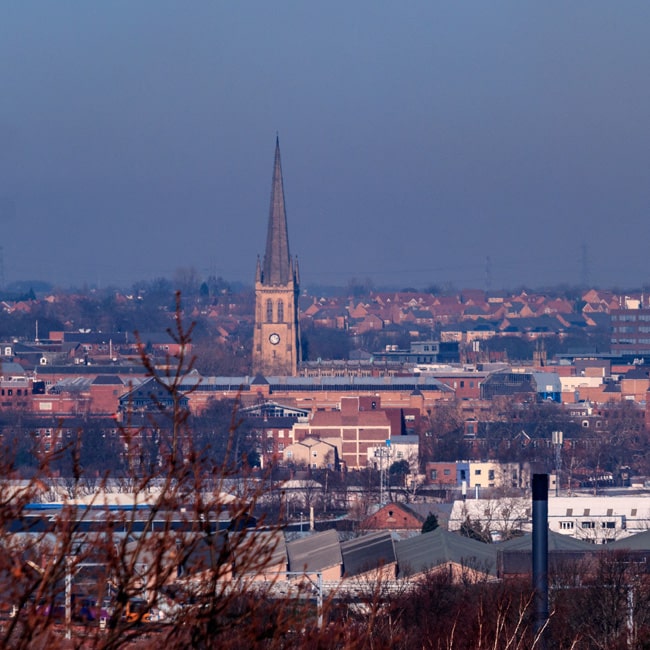
What the Wakefield Data Tells Buy-to-Let Investors
In Wakefield the cheapest way in and the highest yields line up in the same eastern postcodes. WF10 (Castleford) tops the yield table at 4.8% on a £214,107 asking price and a £64,232 deposit, WF9 (Hemsworth, South Elmsall) sits just behind at 4.5% on the district's lowest asking price of £213,106, and S72 (Cudworth, Grimethorpe) follows at 4.4%. All three carry price-to-earnings ratios of 6.3 or lower and asking prices under £217,000. Investors interested in investment property in Wakefield at these levels will find a tenant pool drawn from local logistics, healthcare and retail work.
Growth is spread differently from yield. WF11 (Knottingley) posted the strongest five-year figure at 30.7% but has no reliable rental data, so its yield sits outside the table. WF6 (Normanton, Altofts) is the one postcode moving up across one, three and five years, at 12.6%, 16.5% and 24.7%, on a 4.3% yield. Among the top-yielding eastern postcodes, WF9's 19.4% five-year growth is the strongest.
WF1 (City Centre) reads apart from the rest. Its 4.4% five-year growth is the weakest in the district, its 304 days to sell the slowest, and its 18.4% private rented share the largest. That combination, a renter-heavy centre with soft pricing during an active regeneration phase, is the WF1 picture the data shows today. Investors after off-market property in Wakefield in the quieter, thinner-volume postcodes such as WF7 (17 sales a month) or WF11 (18 a month) may meet less competition on individual listings.
On the compliance side, Wakefield does not run a selective licensing scheme for standard private lets. Houses in multiple occupation do need a licence, and Wakefield Council's HMO licensing page sets out the requirements and fees. Landlords running shared houses need to factor the licence cost and the property standards it requires into their running costs.
How Wakefield Compares
Wakefield's mean asking price of £255,177 sits in the middle of five West and South Yorkshire locations compared here, while its top yield of 4.8% is the lowest of the group. The comparison below places Wakefield alongside four nearby locations, each with a different investor profile. The mean asking price and mean monthly rent are simple averages across all postcodes with data. Top gross yield is the single highest postcode yield in each location.
| Location | Mean Asking Price | Mean Monthly Rent | Mean Gross Yield | Top Yield (postcode) |
|---|---|---|---|---|
| Bradford | £226,164 | £849 | 4.5% | 12.0% (BD1) |
| Sheffield | £240,169 | £935 | 4.7% | 8.5% (S3) |
| Wakefield | £255,177 | £865 | 4.1% | 4.8% (WF10) |
| Huddersfield | £269,690 | £845 | 3.8% | 5.3% (HD1) |
| Leeds | £291,071 | £1,147 | 4.7% | 8.9% (LS2) |
Wakefield's mean monthly rent of £865 is close to Huddersfield's £845 and Bradford's £849, but its 4.8% top yield trails every location in the table. Bradford at 12.0%, Sheffield at 8.5% and Leeds at 8.9% all reach higher top yields, though those peaks usually sit in specific student or HMO-heavy postcodes rather than typical stock across those districts. Wakefield's own top yield comes from ordinary terraced and semi-detached lets in WF10, not a specialist niche.
Investors weighing up the best places to invest in buy-to-let across Yorkshire can set Wakefield's data against our guides for Leeds, Bradford, Huddersfield and Sheffield.
Frequently Asked Questions
What are the best areas to invest in Wakefield?
The eastern postcodes carry the strongest rental numbers. WF10 (Castleford), WF9 (Hemsworth, South Elmsall) and S72 (Cudworth, Grimethorpe) all have asking prices below £217,000, gross yields between 4.4% and 4.8%, and price-to-earnings ratios of 6.3 or lower. WF10 tops the yield table at 4.8%. The western and Leeds-fringe postcodes, WF2, WF4, WF3 and WF8, run from £281,000 to £305,000 with yields between 3.5% and 4.2%. If income is the priority, the eastern belt leads on both yield and asking price.
What are average prices, rents and yields in Wakefield?
The average sold price across Wakefield is £198,662 on the Land Registry index, about 31.5% below the England average of £289,946 as of March 2026. Asking prices by postcode run from £213,106 in WF9 (Hemsworth, South Elmsall) to £304,746 in WF4 (Horbury, Crofton), with a district mean of £255,177. Monthly rents run from £792 in WF9 to £982 in WF4 across the 12 postcodes with rental data, and gross yields from 3.5% up to 4.8% in WF10 (Castleford). By property type, detached homes average £315,046, semi-detached £199,817, terraced £158,897 and flats £99,984.
How does Wakefield compare to Leeds for buy-to-let?
They pull in different directions. Wakefield's mean asking price is £255,177 against Leeds' £291,071, and its cheapest deposit starts at £63,932 in WF9 where many Leeds postcodes need more than £80,000. Leeds reaches a higher top yield, 8.9% against Wakefield's 4.8%, but those Leeds peaks concentrate in student and HMO-heavy postcodes that come with more management. Wakefield's mean rent of £865 also sits below Leeds' £1,147. Full data for Leeds is in our Leeds buy-to-let guide.
Is Wakefield a good place to live?
Wakefield's population grew 8.45% between the 2011 and 2021 censuses, to 353,368, ahead of the England and Wales average of 6.3%. The employment rate is 74.8% and unemployment 4.7% on the latest Nomis profile. The district sits at the junction of the M1 and M62, and Wakefield Westgate station runs direct trains to Leeds in about 20 minutes and to London King's Cross in a little under two hours, which is part of what draws commuters to the northern postcodes.
What regeneration is happening in Wakefield?
Three main projects are reshaping the city centre, all around WF1. The Cathedral Quarter Transformation, backed by £17.9m of MHCLG funding and delivered with partner Muse, is redeveloping the former Ridings Shopping Centre site into a mixed-use district with homes, retail and public space. The Old Westgate Station Hotel, part of the £24.9m Towns Deal, will add a 110-bedroom hotel by 2028 alongside new office space. Rutland Mills has already been completed as Tileyard North, a 135,000 sq ft creative industries hub. Details are on the Wakefield Council regeneration page.
Can I find buy-to-let property under £230,000 in Wakefield?
Four Wakefield postcodes have mean asking prices below £230,000: WF9 (Hemsworth, South Elmsall) at £213,106, WF10 (Castleford) at £214,107, S72 (Cudworth, Grimethorpe) at £216,240, and WF11 (Knottingley) at £233,246 sits just above. These are averages, so individual properties fall above and below them. WF9, WF10 and S72 all carry rental data, with gross yields from 4.4% to 4.8%, and they are the district's three cheapest and highest-yielding postcodes at once.
What are the Local Housing Allowance rates in Wakefield?
Wakefield's postcodes fall across three Broad Rental Market Areas, so the rate depends on location. Most of the district is in the Wakefield BRMA, where the June 2026 weekly rates run £75.25 for a shared room, £115.07 for one bed, £136.93 for two, £166.85 for three and £203.67 for four. WF3 and LS26 fall in the higher Leeds BRMA and the Barnsley-bordering S72 and S75 in the lower Barnsley BRMA. Those figures set the most a tenant on housing support can claim, so where the rent runs higher, the tenant covers the shortfall from other income.
What type of property is most common in Wakefield?
Semi-detached houses lead in most postcodes, though the mix shifts by area. WF8 (Pontefract) is the most detached-heavy at 52.0%, while WF1 (City Centre) holds the largest flat share at 16.3% and the most terraced-weighted postcode is WF10 (Castleford) at 30.9%. The smaller units that usually suit buy-to-let, terraces and flats, concentrate in WF1 and the eastern postcodes rather than the detached-dominated western ones.
How do I buy an investment property in Wakefield?
Start by deciding whether you are buying for income or for growth, because that points you at a different part of the district. WF10 (Castleford) is the top-yielding postcode at 4.8% on a £214,107 asking price, and WF9 and S72 sit alongside it in the affordable eastern belt. Budget for a 30% deposit, which runs from £63,932 in WF9 to £91,424 in WF4. Beyond what is listed openly, plenty of investors buy below asking through off-market property and below market value property. To see what is available now, browse investment property or buy-to-let homes for sale.
Ready to buy property?
Browse investment properties with prices and gross yields shown for each opportunity.
See the latest deals