
Where to Buy Property Investments in Dudley: Yields of 5.3%
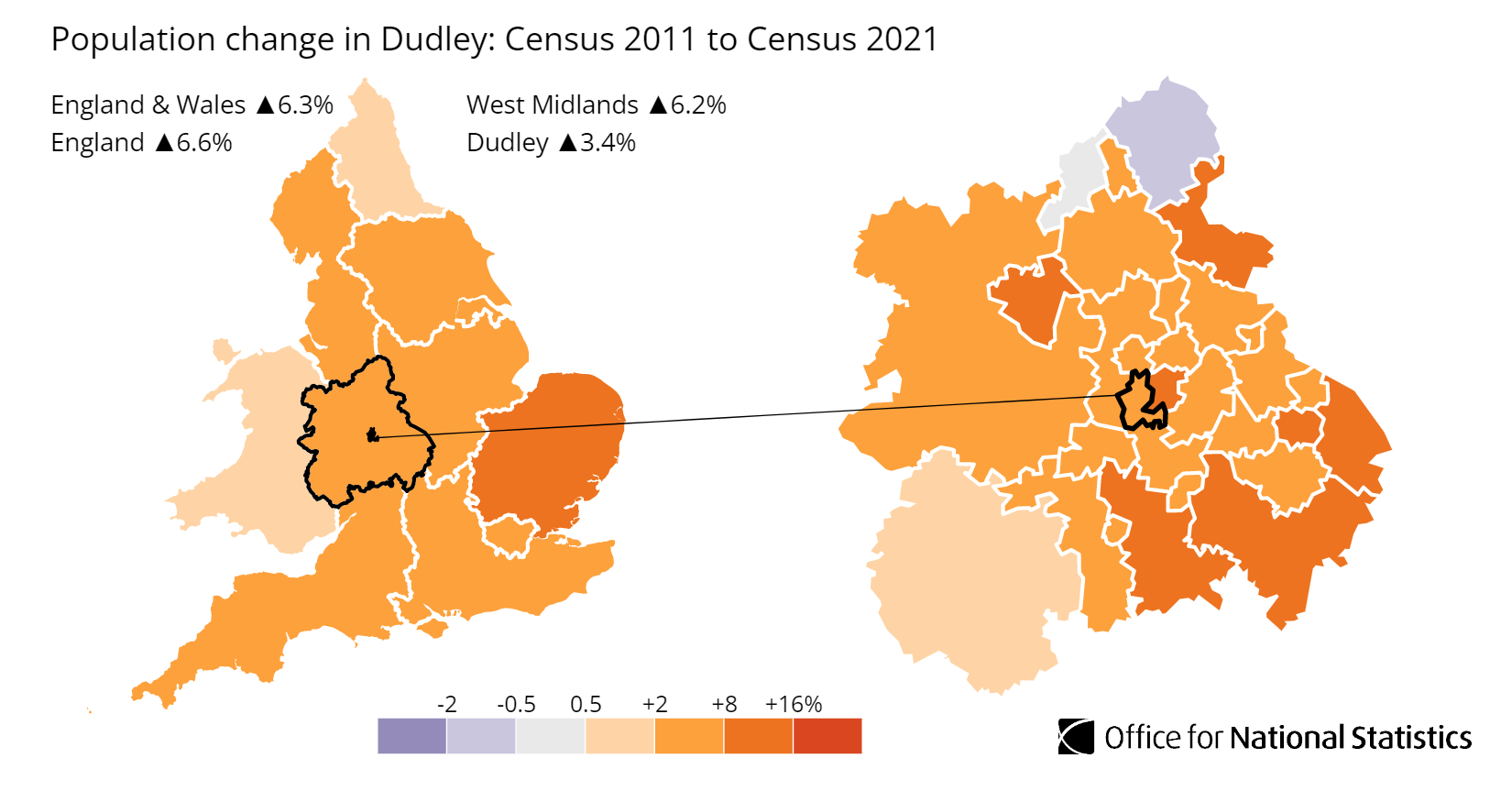
Dudley's gross rental yields range from 3.3% to 5.3% across all 13 postcodes, with DY4 Tipton delivering the highest returns. Average sold prices sit 21.2% below the England average, and the borough's population grew 3.4% to 323,486 between the 2011 and 2021 censuses.
Dudley's average sold price of £230,844 makes it one of the most affordable metropolitan boroughs in the West Midlands for buy-to-let investors. That is 1.2% below the West Midlands regional average and creates entry points that compete directly with neighbouring Wolverhampton and Walsall. Asking prices start from £217,251 in DY2, and all 13 postcodes return rental data.
This guide covers all 13 Dudley postcodes (B62, B63, B64, B65, DY1, DY2, DY3, DY4, DY5, DY6, DY8, DY9, WV14) under the Metropolitan Borough of Dudley (ONS code E08000027). Dudley sits at the western edge of the Black Country, spanning from Halesowen in the east to Stourbridge in the south and Coseley in the north. Investors comparing options in the region may also consider Wolverhampton, Walsall, or Birmingham. Browse all our Midlands location guides.
Article updated: February 2026
Dudley Buy-to-Let Market Overview 2026
Dudley offers affordable entry prices across a large metropolitan borough, with a £1 billion regeneration programme and a new metro line set to reshape connectivity.
- Average sold price: £230,844 (21.2% below England's £293,131)
- Asking price range: £217,251 (DY2) to £372,174 (DY9)
- Rental yields: 3.3% (DY9) to 5.3% (DY4) across all 13 postcodes
- Rental income: Monthly rents from £849 (B64) to £1,187 (B62)
- Price per sq ft: Sold prices from £224/sq ft (WV14) to £316/sq ft (DY9)
- Market activity: Sales ranging from 13 per month (B64) to 40 per month (DY8)
- Deposit requirements: 30% deposits range from £65,175 (DY2) to £111,652 (DY9)
- Affordability ratios: Property prices from 6.1 to 10.5 times Dudley's median annual salary of £35,486
Contents

-
by Robert Jones, Founder of Property Investments UK
With two decades in UK property, Rob has been investing in buy-to-let since 2005, and uses property data to develop tools for property market analysis.
Property Data Sources
Our location guide relies on diverse, authoritative datasets including:
- HM Land Registry UK House Price Index
- Ministry of Housing, Communities and Local Government
- Ordnance Survey Data Hub
- Propertydata.co.uk
We update our property data quarterly to ensure accuracy. Last update: February 2026. All data is presented as provided by our sources without adjustments or amendments.
Why Invest in Dudley?
Dudley's average sold price of £230,844 sits 21.2% below the England average, making it one of the most affordable metropolitan boroughs in the West Midlands. Dudley is the largest of the four Black Country boroughs by population, and its economy is built on manufacturing, distribution, and an increasingly diverse service sector. The borough stretches from Halesowen and Stourbridge in the south to Tipton and Coseley in the north, covering 98 square kilometres of urban West Midlands.
Between the 2011 and 2021 censuses, Dudley's population grew from 312,925 to 323,486, a rise of 3.4%. That growth is moderate compared to Birmingham's 6.7%, but Dudley's appeal for investors is not population growth. It is affordability. Sold prices sit 1.2% below the West Midlands regional figure. For investors priced out of Birmingham, Dudley offers a similar tenant catchment at lower entry costs.
The Merry Hill Shopping Centre in Brierley Hill is the borough's commercial anchor and one of the largest shopping centres in the UK. It draws footfall and employment from across the Black Country. Russells Hall Hospital, the borough's main NHS acute trust, employs thousands and creates reliable demand for rental housing in the surrounding postcodes.
Earnings in Dudley sit below both the regional and national averages. The median annual salary is £35,486, compared to £37,050 across the West Midlands and £39,125 for Great Britain. Lower local wages keep property prices in check, which is precisely what creates the yield opportunity. When entry prices are low relative to rents, yields hold up well even though the rents themselves are not headline figures.
Dudley Economic Summary
- Population: 323,486 (2021 Census). Growth of 3.4% from 2011.
- Median annual salary: £35,486 (Dudley), £37,050 (West Midlands), £39,125 (Great Britain)
- Employment rate: 76.7% (Dudley), 73.6% (West Midlands), 75.6% (Great Britain)
- Unemployment rate: 6.2% (Dudley), 5.7% (West Midlands), 4.3% (Great Britain)
- Key employment sectors: Manufacturing, retail and distribution, healthcare, public services, construction
Source: ONS Census 2021, Nomis Labour Market Profile (ASHE 2025, Employment Oct 2024-Sep 2025)
Dudley's employment rate of 76.7% sits above the West Midlands average of 73.6% and above the national 75.6%. The unemployment rate of 6.2% is higher than the national 4.3% but lower than Birmingham's 7.8%. That combination suggests a working population that is broadly employed, with rental demand supported by a large base of working tenants across the borough's industrial and service sectors.
Regeneration and Investment in Dudley
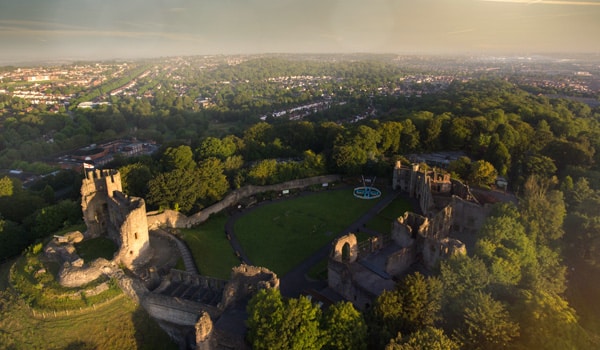
Dudley's regeneration programme totals over £1 billion in committed investment across two main themes: a new metro line connecting the borough to the wider West Midlands rail network, and a town centre transformation programme.
- Wednesbury to Brierley Hill Metro Extension (under construction, part of £1bn programme): An 11km tram route and the largest tramway extension being delivered anywhere in the UK. Phase 1 runs to Dudley town centre, with Phase 2 extending to Merry Hill via new stops at Cinder Bank and Pedmore Road. The full extension is set to open in 2028, connecting Dudley directly to Birmingham and Wolverhampton for the first time by tram. Updates at West Midlands Combined Authority.
- Dudley Town Centre Regeneration (multiple projects underway): A new bus interchange is expected to complete in 2026, and the Portersfield mixed-use development is progressing alongside a new institute of technology. The council's 2026 agenda also includes a planning application for a new ice rink. These projects collectively aim to reposition Dudley town centre from a secondary retail destination to a mixed-use hub. Updates at Express & Star.
- Very Light Rail National Innovation Centre (operational): Dudley hosts the UK's national centre for Very Light Rail technology at the Castle Hill site. The facility develops lightweight tram systems designed for towns that cannot justify conventional metro infrastructure. For investors, the centre signals ongoing transport investment and brings skilled jobs to the town centre. Updates at Railway Technology.
Dudley Property Market Analysis
When Was the Last House Price Crash in Dudley?
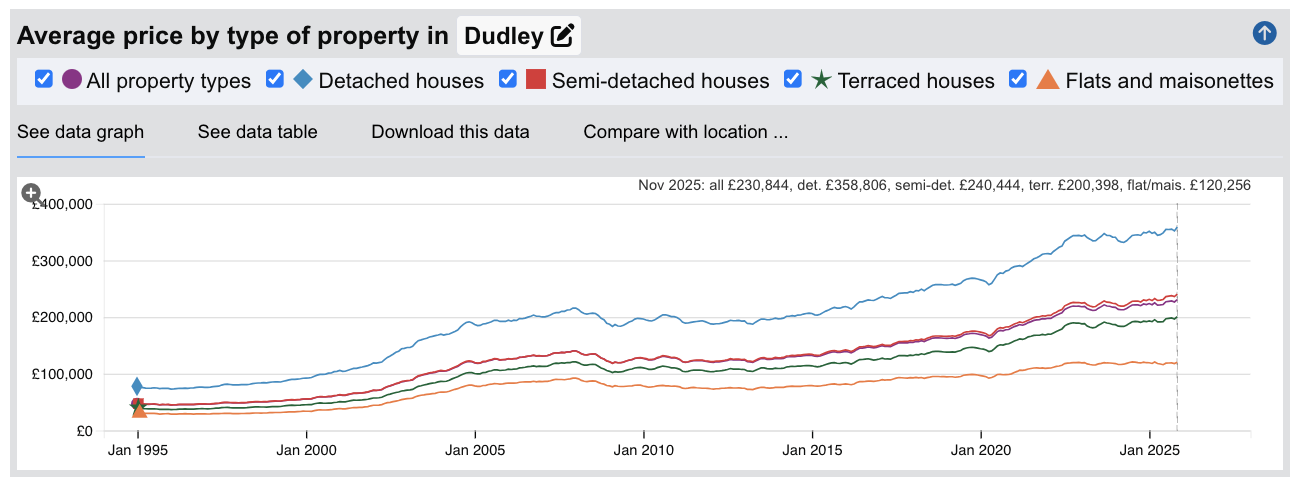
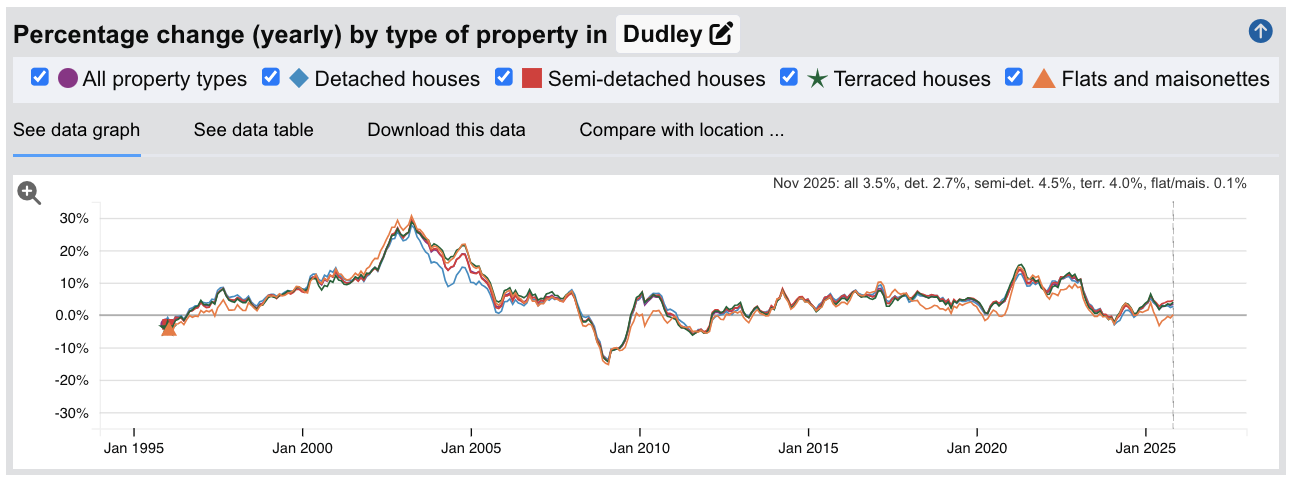
Dudley's last major house price crash ran from December 2007 to February 2009, when prices fell 15.6% from a peak of £140,354 to a trough of £118,394. The full house price history from the HM Land Registry House Price Index runs from January 1995 to November 2025. The data shows one major crash, a prolonged recovery, and a sharp pandemic-era surge.
Dudley Price Timeline: 1995 to Present
- 1995-2000 (Slow start): Dudley began 1995 at £45,908. Prices barely moved for the first two years. Annual change turned negative in early 1996, hitting -3.9% in February. By January 2000, prices had only reached £52,826. Five years of near-stagnation while London and the South East boomed.
- 2000-2007 (The boom): Dudley caught up fast. Prices nearly tripled from £52,826 in January 2000 to a peak of £140,354 in December 2007. The sharpest growth came in 2003-2004, driven by cheap credit and rising demand across the West Midlands. By 2007, prices had outrun what local wages could sustain.
- 2007-2009 (The financial crisis): From the peak of £140,354 in December 2007 to the trough of £118,394 in February 2009, Dudley lost 15.6% of its value in 14 months. The worst annual change reading was -14.4% in February 2009. All property types fell hard: detached -13.8%, semi-detached -14.3%, terraced -14.5%, flats -15.3%. Dudley's decline of 15.6% was less severe than the West Midlands region (-16.9%, peak Oct 2007 to trough Jun 2009) and England overall (-18.2%, peak Sep 2007 to trough Mar 2009).
- 2009-2013 (Stagnation): Prices bounced off the trough quickly but then went nowhere. By late 2009, the average had recovered to around £132,000. Then growth stalled. Prices drifted between £119,000 and £133,000 for nearly four years. A second dip in 2011-2012 pushed annual change negative again, reaching -5.9% in August 2011. By December 2013, the average was £130,252. Still 7.2% below the pre-crash peak.
- 2014-2016 (Slow recovery): Growth returned gradually. Annual changes of 2-5% chipped away at the gap. Prices finally passed the pre-crash peak in May 2016 at £142,381. That recovery took over 8 years from the December 2007 peak. Dudley was slower to recover than London, where prices passed pre-crash levels by 2013.
- 2017-2019 (Steady growth): Prices rose from £148,153 in January 2017 to £166,752 by December 2019. Consistent annual growth of 3-5% driven by West Midlands employment growth and Dudley's affordability advantage.
- 2020-2022 (Pandemic surge): The stamp duty holiday and shifting demand patterns pushed Dudley prices sharply higher. From £166,305 in March 2020 to £219,291 by December 2022. That is 31.9% growth in under three years. Dudley's low base price made it a direct beneficiary of buyers seeking more space for less money.
- 2023 (Rate shock): Interest rate rises cooled the market. Prices dipped from £219,291 in December 2022 to £217,349 by December 2023. A decline of 0.9%. Brief and mild compared to the 2008 crash.
- 2024-2025 (Recovery): Prices stabilised and began rising. By November 2025, the average reached £230,844 with annual growth of 3.5%. Dudley now sits 64.5% above its pre-crash peak.
Long-Term Property Value Growth in Dudley
- 5 years (2020-2025): +29.7% (£177,994 to £230,844)
- 10 years (2015-2025): +68.1% (£137,338 to £230,844)
- 15 years (2010-2025): +80.7% (£127,763 to £230,844)
- 20 years (2005-2025): +85.4% (£124,486 to £230,844)
- 30 years (1995-2025): +410.6% (£45,206 to £230,844)
The 2008 crash is the reference point for Dudley investors assessing downside exposure.
A 15.6% decline took over 8 years to recover. But Dudley recovered. And the structural picture is different now. The metro extension did not exist then. The town centre regeneration was not underway. Dudley's current price-to-earnings ratios are more grounded than 2007 levels, though property prices are never guaranteed.

Thinking of Buying?
We have off-market investment properties averaging 8%+ annual yield.
View Property DealsSold House Prices in Dudley
The latest sold house price index from the Land Registry confirms Dudley's position as one of the most affordable metropolitan boroughs in the West Midlands. The headline figure of £230,844 is 21.2% below England's £293,131 and 1.2% below the West Midlands regional average of £233,751. The discount widens dramatically for flats, where Dudley prices sit almost half below the national figure.
| Property Type | Dudley Average | England Average | Difference |
|---|---|---|---|
| Detached houses | £358,806 | £474,400 | -24.4% |
| Semi-detached houses | £240,444 | £290,004 | -17.1% |
| Terraced houses | £200,398 | £245,002 | -18.2% |
| Flats and maisonettes | £120,256 | £221,565 | -45.7% |
| All property types | £230,844 | £293,131 | -21.2% |
Flats in Dudley average £120,256. That is 45.7% below the England average of £221,565. It is the widest discount in Dudley's market by a significant margin. Flat stock in the borough is predominantly ex-council and smaller purpose-built blocks. There is no premium waterfront or city-centre apartment market to inflate the average.
Detached houses sit 24.4% below England at £358,806. Detached properties in Dudley are concentrated in the southern postcodes: DY9 (Hagley), DY8 (Stourbridge), and DY6 (Kingswinford). These are the borough's most established residential areas, where owner-occupier demand sets the price. The discount against England reflects the Black Country's structural wage gap rather than a quality issue.
Semi-detached houses at £240,444 show a 17.1% discount. Semis are the most common property type across Dudley's postcodes and form the backbone of the borough's buy-to-let stock. The narrower discount compared to flats and detached properties tells you this is where supply most closely meets demand.
Terraced houses average £200,398, an 18.2% discount to England. Victorian and inter-war terraces in DY1, DY2, DY4, and the B postcodes offer the lowest entry points for buy-to-let investors. These are the streets where yield calculations work best, as the postcode-level data in the sections below demonstrates.
Property Data Sources
Our location guide relies on diverse, authoritative datasets including:
- HM Land Registry UK House Price Index
- Ministry of Housing, Communities and Local Government
- Ordnance Survey Data Hub
- Propertydata.co.uk
We update our property data quarterly to ensure accuracy. Last update: February 2026. All data is presented as provided by our sources without adjustments or amendments.
Price Per Square Foot in Dudley
Dudley's price per square foot ranges from £224 in WV14 to £316 in DY9. Average asking prices can mislead. A postcode might look expensive simply because it has larger properties. Price per square foot strips out that size bias and shows what you are actually paying for space. The £92 spread across 13 postcodes is tighter than many cities, reflecting Dudley's relatively homogeneous housing stock across the Black Country's urban core.
| Rank | Area | Price Per Sq Ft |
|---|---|---|
| 1 | WV14 (Bilston, Coseley) | £224 |
| 2 | DY2 (Netherton, Woodside) | £227 |
| 3 | DY1 (Dudley (Town Centre)) | £235 |
| 4 | DY4 (Tipton, Great Bridge) | £238 |
| 5 | DY5 (Brierley Hill, Merry Hill) | £243 |
| 6 | B65 (Rowley Regis, Blackheath) | £244 |
| 7 | B64 (Cradley Heath, Old Hill) | £247 |
| 8 | B63 (Halesowen (South), Cradley) | £265 |
| 9 | DY3 (Sedgley, Gornal) | £275 |
| 10 | DY8 (Stourbridge, Wollaston) | £290 |
| 11 | B62 (Halesowen (North), Blackheath) | £292 |
| 12 | DY6 (Kingswinford, Wall Heath) | £299 |
| 13 | DY9 (Hagley, Pedmore) | £316 |
WV14 Bilston at £224 per square foot is the cheapest space in Dudley. This is the borough's northern fringe, bordering Wolverhampton, with a mix of terraced housing and post-war semis. WV14 also delivers 4.9% yield and 28.4% five-year growth. For investors buying on a cost-per-foot basis, WV14 offers more space for less money than anywhere else in the borough.
DY9 Hagley at £316 per square foot sits at the top. This is Dudley's premium southern fringe, where larger detached properties and village settings command a premium. The £92 gap between WV14 and DY9 is modest compared to cities like Birmingham, where the spread exceeds £200.
The mid-range cluster from DY4 to B64 (£238 to £247) is where most buy-to-let arithmetic works. Read this alongside the yield data. DY4 ranks fourth for price per square foot at £238 but delivers the highest gross yield at 5.3%. Paying less per foot and collecting strong rents is a straightforward formula.
Figures reflect averages across all property types and ages. Individual values depend on condition, location within the postcode, and building age.
For Sale Asking Prices in Dudley
How much does it cost to buy in Dudley right now? Asking prices range from £217,251 in DY2 postcode district to £372,174 in DY9. These figures reflect what sellers and agents think the market will pay. They are not the same as sold prices, which capture what buyers actually paid. Strip out the two premium postcodes (B62 and DY9) and the core range narrows to £217,251 to £287,292, a manageable spread for investors comparing entry points across the borough.
| Rank | Area | Average Asking Price |
|---|---|---|
| 1 | DY2 (Netherton, Woodside) | £217,251 |
| 2 | DY5 (Brierley Hill, Merry Hill) | £221,275 |
| 3 | DY4 (Tipton, Great Bridge) | £224,182 |
| 4 | B64 (Cradley Heath, Old Hill) | £232,711 |
| 5 | WV14 (Bilston, Coseley) | £234,159 |
| 6 | DY1 (Dudley (Town Centre)) | £235,756 |
| 7 | B65 (Rowley Regis, Blackheath) | £256,531 |
| 8 | B63 (Halesowen (South), Cradley) | £260,133 |
| 9 | DY3 (Sedgley, Gornal) | £277,581 |
| 10 | DY8 (Stourbridge, Wollaston) | £282,399 |
| 11 | DY6 (Kingswinford, Wall Heath) | £287,292 |
| 12 | B62 (Halesowen (North), Blackheath) | £354,403 |
| 13 | DY9 (Hagley, Pedmore) | £372,174 |
Six postcodes cluster between £217,251 and £235,756. DY2, DY5, DY4, B64, WV14, and DY1 all sit within £18,500 of each other. For investors, the entry price across this group is effectively the same. The decision comes down to yield, growth trajectory, and tenant profile. DY4 is the standout in this cluster: similar entry cost but the highest yield in the borough at 5.3% and the strongest five-year growth at 36.9%.
B62 Halesowen North and DY9 Hagley sit in a different tier. Both exceed £350,000. These are predominantly owner-occupier areas where detached housing stock pushes averages higher. Yields drop to 4.0% and 3.3% respectively. They are not the postcodes where buy-to-let arithmetic typically works best.
The mean asking price across all 13 Dudley postcodes is £265,834. That figure appears in the comparison section later, where Dudley is measured against Wolverhampton, Walsall, Birmingham, and Stoke-on-Trent.
House Price Growth in Dudley
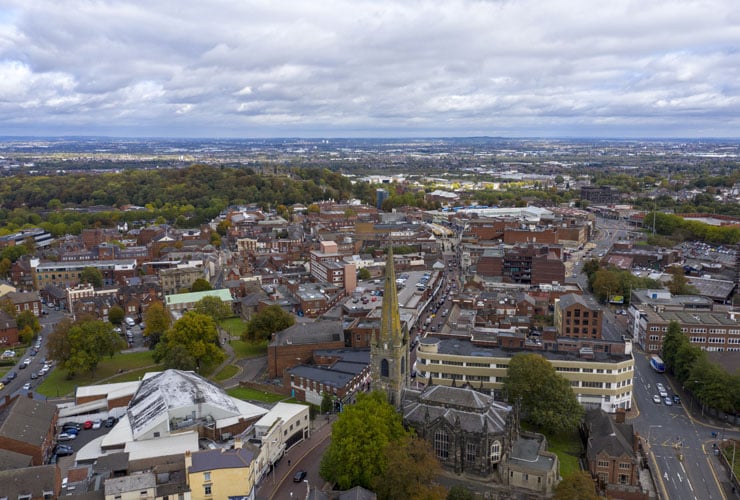
All 13 Dudley postcodes delivered positive five-year growth, with DY4 Tipton leading at 36.9%. An investor who bought a £164,000 property in DY4 five years ago would now be looking at an asking price of £224,182. That is £60,000 in equity growth from one of Dudley's cheapest entry points. Five-year figures matter most for buy-to-let investors because they capture a full market cycle and filter out short-term noise.
| Area | 1 Year | 3 Years | 5 Years |
|---|---|---|---|
| DY4 (Tipton, Great Bridge) | 1.9% | 20.4% | 36.9% |
| DY1 (Dudley (Town Centre)) | 7.9% | 9.2% | 35.6% |
| B64 (Cradley Heath, Old Hill) | 13.0% | 10.5% | 32.2% |
| B63 (Halesowen (South), Cradley) | 4.8% | 9.2% | 30.4% |
| B65 (Rowley Regis, Blackheath) | -1.1% | 5.0% | 28.9% |
| DY2 (Netherton, Woodside) | 2.7% | 10.2% | 28.6% |
| WV14 (Bilston, Coseley) | 6.7% | 11.6% | 28.4% |
| DY5 (Brierley Hill, Merry Hill) | 4.5% | 9.6% | 26.2% |
| DY3 (Sedgley, Gornal) | 3.4% | 6.8% | 26.0% |
| DY8 (Stourbridge, Wollaston) | 0.5% | 4.3% | 25.7% |
| DY6 (Kingswinford, Wall Heath) | 5.2% | 5.5% | 21.8% |
| B62 (Halesowen (North), Blackheath) | 5.7% | 5.4% | 17.0% |
| DY9 (Hagley, Pedmore) | -4.2% | 7.4% | 11.8% |
The top three postcodes for five-year growth are all in Dudley's most affordable tier. DY4 (36.9%), DY1 (35.6%), and B64 (32.2%) each started from a low base and attracted demand from buyers priced out of neighbouring Birmingham. When prices are low, even modest demand pushes percentage growth higher. That pattern is characteristic of the Black Country: growth driven by affordability rather than regeneration premiums.
B64 Cradley Heath stands out for one-year growth at 13.0%. That is the highest recent acceleration in the borough and suggests sustained buyer interest in this affordable pocket. At £232,711 asking price with 4.4% yield, B64 is delivering both capital growth and income.
DY9 Hagley at 11.8% five-year growth is the weakest, and its one-year figure is -4.2%. The most expensive postcode in Dudley is also the slowest-growing. B65 Rowley Regis at -1.1% one-year growth is the only other postcode showing a recent decline. Both are postcodes where individual high-value transactions can swing the annual figure. The three and five-year trends for both remain positive.
Monthly Property Sales in Dudley
Dudley records 310 transactions per month across all 13 postcodes, with individual postcodes ranging from 13 in B64 to 40 in DY8. Transaction volumes reveal which areas have the deepest buyer pools. For buy-to-let investors, this is an exit strategy question. If you need to sell, can you? The standout figure is DY9 Hagley's turnover rate of 111%, meaning properties change hands faster than new stock comes to market.
| Area | Sales Per Month | Turnover | Asking Price |
|---|---|---|---|
| DY8 (Stourbridge, Wollaston) | 40 | 63% | £282,399 |
| DY5 (Brierley Hill, Merry Hill) | 33 | 69% | £221,275 |
| B63 (Halesowen (South), Cradley) | 32 | 46% | £260,133 |
| WV14 (Bilston, Coseley) | 27 | 62% | £234,159 |
| DY6 (Kingswinford, Wall Heath) | 25 | 44% | £287,292 |
| DY3 (Sedgley, Gornal) | 23 | 52% | £277,581 |
| DY4 (Tipton, Great Bridge) | 23 | 46% | £224,182 |
| B62 (Halesowen (North), Blackheath) | 21 | 46% | £354,403 |
| DY2 (Netherton, Woodside) | 20 | 45% | £217,251 |
| DY9 (Hagley, Pedmore) | 20 | 111% | £372,174 |
| DY1 (Dudley (Town Centre)) | 18 | 48% | £235,756 |
| B65 (Rowley Regis, Blackheath) | 15 | 47% | £256,531 |
| B64 (Cradley Heath, Old Hill) | 13 | 46% | £232,711 |
DY8 Stourbridge at 40 sales per month has the deepest market in Dudley. It combines strong volume with a 63% turnover rate, making it the most liquid postcode for exit planning. DY5 Brierley Hill at 33 sales and 69% turnover is the second most active. Both are established residential areas where properties attract steady buyer interest.
DY9 Hagley's 111% turnover rate is the headline figure. That means stock is selling faster than it is being listed. On 20 sales per month, DY9 is not a high-volume market, but what comes to market moves quickly. This is a premium postcode where demand from owner-occupiers consistently exceeds supply.
B64 Cradley Heath at 13 sales per month has the lowest volume. That is still a functioning market, but the thinner buyer pool means selling could take longer. For long-term hold investors, low volume matters less. For those who may need to exit within 3-5 years, DY8 and DY5 offer more liquidity.
Property Data Sources
Our location guide relies on diverse, authoritative datasets including:
- HM Land Registry UK House Price Index
- Ministry of Housing, Communities and Local Government
- Ordnance Survey Data Hub
- Propertydata.co.uk
We update our property data quarterly to ensure accuracy. Last update: February 2026. All data is presented as provided by our sources without adjustments or amendments.
Dudley Rental Market Analysis
For investors weighing up whether rental property is a worthwhile investment in Dudley, the data below breaks down average monthly rents and gross rental yields across the borough's postcodes.
Rental data is available for all 13 Dudley postcodes. Monthly rents range from £849 in B64 to £1,187 in B62, and gross yields range from 3.3% to 5.3%. If you are looking to build a property portfolio in the Midlands, Dudley's combination of full rental coverage and affordable entry prices gives a complete picture of the borough's income potential.
Average Rent & Gross Rental Yields in Dudley
Gross rental yield is calculated from the average asking price and average monthly rent for each postcode. It does not account for void periods, maintenance, management fees, or mortgage costs. It is a starting point for comparison, not a profit forecast.
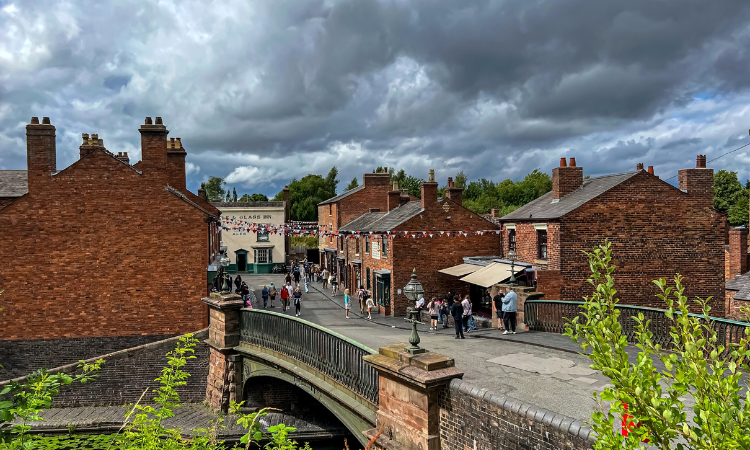
DY4 Tipton delivers Dudley's highest gross yield at 5.3%, where monthly rents of £992 meet asking prices of £224,182. At the other end, DY9 Hagley at 3.3% reflects asking prices of £372,174 absorbing rents of £1,027. The yield spread across Dudley is 2.0 percentage points. That gap determines whether a property cash-flows from month one or depends on capital appreciation to justify the investment.
| Area | Average Monthly Rent | Average Asking Price | Gross Yield |
|---|---|---|---|
| DY4 (Tipton, Great Bridge) | £992 | £224,182 | 5.3% |
| DY1 (Dudley (Town Centre)) | £1,008 | £235,756 | 5.1% |
| DY2 (Netherton, Woodside) | £914 | £217,251 | 5.0% |
| DY5 (Brierley Hill, Merry Hill) | £911 | £221,275 | 4.9% |
| WV14 (Bilston, Coseley) | £962 | £234,159 | 4.9% |
| B63 (Halesowen (South), Cradley) | £1,005 | £260,133 | 4.6% |
| DY6 (Kingswinford, Wall Heath) | £1,105 | £287,292 | 4.6% |
| DY8 (Stourbridge, Wollaston) | £1,055 | £282,399 | 4.5% |
| B64 (Cradley Heath, Old Hill) | £849 | £232,711 | 4.4% |
| B65 (Rowley Regis, Blackheath) | £888 | £256,531 | 4.2% |
| DY3 (Sedgley, Gornal) | £966 | £277,581 | 4.2% |
| B62 (Halesowen (North), Blackheath) | £1,187 | £354,403 | 4.0% |
| DY9 (Hagley, Pedmore) | £1,027 | £372,174 | 3.3% |
Five postcodes sit at 4.9% yield or above: DY4, DY1, DY2, DY5, and WV14. Each draws from a different part of the borough. DY4 Tipton sits on the northern edge near Sandwell. DY1 is the town centre.
DY2 covers Netherton. DY5 includes Merry Hill. WV14 borders Wolverhampton.
That geographic spread means the strongest yields are not clustered in one corner. Different tenant pools, different demand drivers, same income levels.
B62 Halesowen North commands Dudley's highest absolute rent at £1,187 per month but delivers just 4.0% yield. Asking prices of £354,403 dilute the rental income. B62 attracts family tenants willing to pay for Halesowen's schools and green spaces. Investors here are typically holding for long-term appreciation rather than monthly cash flow.
DY9 Hagley at 3.3% is the lowest yield in the borough. It collects £1,027 per month in rent, which is actually higher than seven other postcodes. But asking prices of £372,174 push the ratio well below any other area. DY9 is a lifestyle postcode, not a yield postcode.
Is Dudley Rent High?
Across all 13 Dudley postcodes, rent ranges from 28.7% to 40.1% of the local median gross monthly salary of £2,957. Rent affordability matters from both sides. For tenants, it determines whether they can sustain payments long-term. For landlords, areas where rent consumes a lower share of income tend to produce more reliable tenants and fewer arrears. The general benchmark is that rent becomes stretched above 30% of gross income. Five postcodes sit below that threshold, while eight are above it.
The median gross weekly salary in Dudley is £682.40, which equates to £2,957 per month or £35,486 per year. This is below the West Midlands regional median of £712.50 per week and the Great Britain median of £752.40 per week. Data from the Nomis Labour Market Profile (ASHE 2025).
| Rank | Area | Rent as % of Income |
|---|---|---|
| 1 | B62 (Halesowen (North), Blackheath) | 40.1% |
| 2 | DY6 (Kingswinford, Wall Heath) | 37.4% |
| 3 | DY8 (Stourbridge, Wollaston) | 35.7% |
| 4 | DY9 (Hagley, Pedmore) | 34.7% |
| 5 | DY1 (Dudley (Town Centre)) | 34.1% |
| 6 | B63 (Halesowen (South), Cradley) | 34.0% |
| 7 | DY4 (Tipton, Great Bridge) | 33.5% |
| 8 | DY3 (Sedgley, Gornal) | 32.7% |
| 9 | WV14 (Bilston, Coseley) | 32.5% |
| 10 | DY2 (Netherton, Woodside) | 30.9% |
| 11 | DY5 (Brierley Hill, Merry Hill) | 30.8% |
| 12 | B65 (Rowley Regis, Blackheath) | 30.0% |
| 13 | B64 (Cradley Heath, Old Hill) | 28.7% |
B62 Halesowen North at 40.1% looks stretched on paper. But this is the borough's highest-rent postcode (£1,187/month), attracting tenants who are likely earning above the Dudley median. Families choosing Halesowen for its schools and green spaces tend to have household incomes well above the borough average. The median salary is a borough-wide figure that understates what tenants in premium postcodes actually earn.
B64 Cradley Heath at 28.7% is the most affordable postcode for tenants. Monthly rents of £849 against the Dudley median salary leave tenants with the most headroom. For landlords, that affordability reduces arrears exposure. DY5 and DY2 at 30.8% and 30.9% sit right on the benchmark line, balancing decent yields for investors with manageable costs for tenants.
Thinking of Buying?
We have off-market investment properties averaging 8%+ annual yield.
View Property DealsBuy-to-Let Considerations
Are Dudley House Prices High? Price-to-Earnings Ratios
Purchasing a property in Dudley requires between 6.1 and 10.5 times the median annual salary of £35,486. The price-to-earnings ratio compares a postcode's average asking price to the local median annual salary. Lower ratios mean more affordable entry points relative to local wages. The national benchmark is 7.5x, calculated from England's average sold price of £293,131 against Great Britain's median annual salary of £39,125. Data from the Nomis Labour Market Profile for Dudley.
Eight of Dudley's 13 postcodes sit below the national benchmark of 7.5x. DY2, DY5, DY4, B64, DY1, and WV14 all come in between 6.1x and 6.6x. B65 at 7.2x and B63 at 7.3x complete the sub-benchmark group. Only five postcodes exceed the national average.
| Rank | Area | Price-to-Earnings Ratio |
|---|---|---|
| 1 | DY2 (Netherton, Woodside) | 6.1x |
| 2 | DY5 (Brierley Hill, Merry Hill) | 6.2x |
| 3 | DY4 (Tipton, Great Bridge) | 6.3x |
| 4 | B64 (Cradley Heath, Old Hill) | 6.6x |
| 5 | DY1 (Dudley (Town Centre)) | 6.6x |
| 6 | WV14 (Bilston, Coseley) | 6.6x |
| 7 | B65 (Rowley Regis, Blackheath) | 7.2x |
| 8 | B63 (Halesowen (South), Cradley) | 7.3x |
| 9 | DY3 (Sedgley, Gornal) | 7.8x |
| 10 | DY8 (Stourbridge, Wollaston) | 8.0x |
| 11 | DY6 (Kingswinford, Wall Heath) | 8.1x |
| 12 | B62 (Halesowen (North), Blackheath) | 10.0x |
| 13 | DY9 (Hagley, Pedmore) | 10.5x |
Those six sub-6.6x postcodes overlap with the strongest yield performers. DY4 at 6.3x delivers the highest gross yield at 5.3%. DY1 and DY2 at 6.6x and 6.1x deliver 5.1% and 5.0%. Affordable entry prices relative to local wages and strong rental returns in the same postcodes is a combination that supports sustainable buy-to-let investment.
B62 at 10.0x and DY9 at 10.5x are the most stretched postcodes. Both sit well above the national benchmark. These are lifestyle areas where owner-occupier demand from higher earners pushes prices beyond what the borough's median salary would suggest. Tenants in these postcodes tend to earn above the Dudley average, but the price-to-earnings ratios confirm that these are not entry-level investment areas.
Deposit Requirements in Dudley
A 30% deposit in Dudley ranges from £65,175 in DY2 to £111,652 in DY9, with six postcodes requiring less than £71,000. Most buy-to-let mortgage lenders require a minimum 25% deposit. The table below uses a more conservative 30% to reflect the rates and products available at higher loan-to-value ratios. A 30% deposit typically unlocks better interest rates, which matters for cash flow in a yield-driven market. Six postcodes put buy-to-let within reach for investors who might find Birmingham's higher-yielding postcodes require more capital.
| Rank | Area | 30% Deposit Required |
|---|---|---|
| 1 | DY2 (Netherton, Woodside) | £65,175 |
| 2 | DY5 (Brierley Hill, Merry Hill) | £66,382 |
| 3 | DY4 (Tipton, Great Bridge) | £67,255 |
| 4 | B64 (Cradley Heath, Old Hill) | £69,813 |
| 5 | WV14 (Bilston, Coseley) | £70,248 |
| 6 | DY1 (Dudley (Town Centre)) | £70,727 |
| 7 | B65 (Rowley Regis, Blackheath) | £76,959 |
| 8 | B63 (Halesowen (South), Cradley) | £78,040 |
| 9 | DY3 (Sedgley, Gornal) | £83,274 |
| 10 | DY8 (Stourbridge, Wollaston) | £84,720 |
| 11 | DY6 (Kingswinford, Wall Heath) | £86,188 |
| 12 | B62 (Halesowen (North), Blackheath) | £106,321 |
| 13 | DY9 (Hagley, Pedmore) | £111,652 |
DY4 at £67,255 is the best value entry in the table. It requires a similar deposit to DY2 and DY5 but delivers the highest yield (5.3%) and the strongest five-year growth (36.9%). The extra £2,000 over DY2's deposit buys access to Dudley's top-performing postcode across multiple metrics.
A clear gap separates the sub-£71,000 tier from the rest. B65 at £76,959 is the next step up, followed by B63, DY3, DY8, and DY6 in the £78,000 to £86,000 range. B62 and DY9 both exceed £100,000. For investors with limited capital, the six cheapest postcodes all deliver yields between 4.4% and 5.3%. Strong rental returns are available without stretching into the higher deposit brackets.
Deposit is only part of the upfront cost. Budget for stamp duty (use our stamp duty calculator for an accurate figure), legal fees, and survey costs. For a full breakdown, see our guide to buy-to-let costs.
What the Dudley Data Tells Buy-to-Let Investors
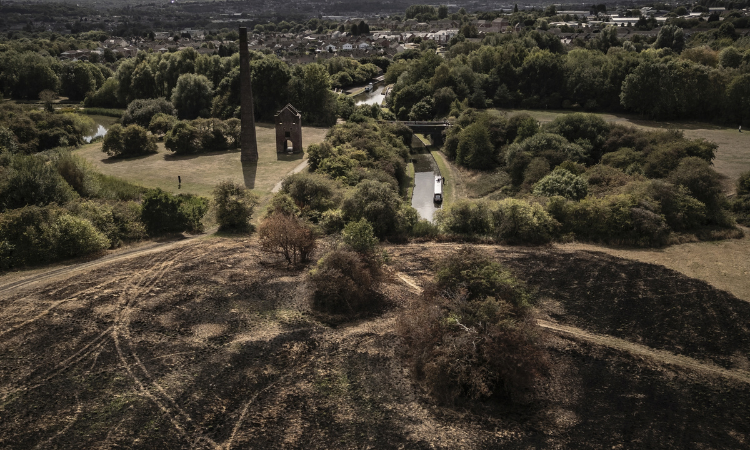
DY4 Tipton leads Dudley for buy-to-let investors with the highest yield (5.3%), highest five-year growth (36.9%), and a 30% deposit of just £67,255. The postcode-level data across this guide points to a clear split between Dudley's affordable northern and central postcodes and the premium southern fringe.
For yield, the numbers favour DY4 (5.3%), DY1 (5.1%), and DY2 (5.0%). All three sit below 6.6x price-to-earnings with 30% deposits between £65,175 and £70,727. DY4 stands out across every measure: highest yield, highest five-year growth (36.9%), and a deposit of £67,255. DY5 (4.9%) and WV14 (4.9%) complete a five-postcode group that delivers close to or above 5% gross yield.
For growth, DY4 (36.9%), DY1 (35.6%), and B64 (32.2%) delivered the strongest five-year appreciation. DY4 and DY1 also rank in the top three for yield. That convergence of income and capital growth in the same postcodes is what makes Dudley's affordable core attractive for total return investors. B64 Cradley Heath leads on one-year momentum at 13.0%, suggesting continued demand.
DY9 and B62 suit different profiles. DY9 Hagley shows the weakest yield (3.3%), the slowest five-year growth (11.8%), and requires the highest deposit (£111,652). B62 Halesowen North has a 4.0% yield with a £106,321 deposit. Both attract family tenants and long-term holds. The numbers do not favour short-term income strategies in these postcodes.
B65 shows -1.1% one-year growth and DY9 shows -4.2%. The three and five-year trends remain positive for both.
Investors looking at investment properties in Dudley can compare the full range of opportunities on Property Investments UK. Dudley is covered by selective licensing schemes in several wards. Check the current licensing requirements before purchasing in specific postcodes.
How Dudley Buy-to-Let Compares to Nearby Areas
Dudley sits in the middle of the West Midlands affordability range with a mean asking price of £265,834 and top gross yield of 5.3%. The table below compares Dudley against four nearby locations using the same methodology: mean asking price across all postcodes, mean monthly rent across postcodes with data, and top single-postcode gross yield.
| Location | Mean Asking Price | Mean Monthly Rent | Top Gross Yield |
|---|---|---|---|
| Stoke-on-Trent | £246,714 | £833 | 6.6% |
| Wolverhampton | £252,562 | £981 | 5.4% |
| Dudley | £265,834 | £990 | 5.3% |
| Birmingham | £272,648 | £1,121 | 7.0% |
| Walsall | £287,870 | £993 | 6.1% |
Dudley sits in the middle of this group on entry price and near the bottom on top yield. Stoke-on-Trent offers lower asking prices and a higher top yield (6.6%), but mean rents of £833 are £157 below Dudley's. Wolverhampton is the closest comparison: similar rents (£981 vs £990), similar top yield (5.4% vs 5.3%), but £13,000 cheaper on mean asking price.
Birmingham and Walsall show higher top yields (7.0% and 6.1%) but at higher entry costs. Birmingham's mean asking price of £272,648 is only £7,000 above Dudley's, but Birmingham's top yields are concentrated in specific inner-city postcodes with different tenant profiles. Walsall at £287,870 is the most expensive entry in this group.
Dudley's edge is consistency. All 13 postcodes return rental data and show tenant demand and activity. Five-year growth exceeds 25% in 10 of 13 postcodes. The metro extension adds a connectivity advantage that none of the comparison locations currently have in development. For investors who value predictable data across a large borough over chasing headline yields in specific postcodes, Dudley's profile is solid.
Frequently Asked Questions
What are the main areas in Dudley?
Dudley borough covers 13 postcode districts spanning from the main town of Dudley (DY1) at the centre to Stourbridge (DY8) and Halesowen (B62/B63) in the south. Brierley Hill (DY5) is home to the Merry Hill Shopping Centre. Tipton (DY4) and Coseley (WV14) border Sandwell and Wolverhampton to the north. Kingswinford (DY6), Sedgley (DY3), and Hagley (DY9) are predominantly residential. Each area has a distinct character, from the affordable terraced streets of Netherton (DY2) and Cradley Heath (B64) to the detached family housing of Hagley and Pedmore.
Is Dudley a nice place to live?
Yes, Dudley combines affordability with access to green spaces and established residential areas like Stourbridge and Hagley that rank among the region's most desirable locations. The borough includes several country parks. The town centre itself is in the middle of a regeneration programme, with a new metro link and bus interchange expected to improve connectivity by 2028. Average asking prices of £265,834 and sold prices 21.2% below the England average make it one of the more affordable parts of the metropolitan West Midlands. Employment is supported by manufacturing, healthcare (Russells Hall Hospital), and proximity to Birmingham city centre.
Is Brierley Hill a nice place to live?
Brierley Hill (DY5) offers affordable housing at £221,275 average asking price with 4.9% gross yield, anchored by the Merry Hill Shopping Centre and a planned metro connection. The incoming metro extension will add a tram stop at Merry Hill, connecting Brierley Hill directly to Dudley town centre, Wolverhampton, and Birmingham. DY5 delivered 26.2% five-year growth. For investors, DY5 offers a combination of affordable entry (£66,382 deposit at 30%), solid rental demand from the retail employment base, and a connectivity upgrade that most Black Country postcodes will not receive.
What is on the market in Dudley right now?
Dudley records 310 property sales per month across 13 postcodes, with asking prices ranging from £217,251 in DY2 to £372,174 in DY9. DY8 Stourbridge leads with 40 sales monthly. DY5 Brierley Hill (33 sales) and B63 Halesowen South (32 sales) are also busy. The majority of postcodes fall between £217,000 and £290,000. Six postcodes offer entry at under £71,000 deposit (30%). The data in this guide reflects February 2026 asking prices and should be used as a benchmark when assessing individual listings.
Is Coseley a nice place to live?
Coseley (WV14) offers the cheapest price per square foot in Dudley at £224, with asking prices averaging £234,159 and a 4.9% gross yield. WV14 delivered 28.4% five-year growth. Monthly rents of £962 and 27 sales per month make it an active rental market. Coseley sits on Dudley's northern boundary with Wolverhampton and benefits from good road links via the A463 and proximity to both Wolverhampton and Dudley town centres. The incoming metro extension will further improve public transport access across this part of the borough.