
Cheapest Places To Buy A House In England & The UK
You don't need a fortune to get on the property ladder. Using the latest HM Land Registry sold house prices, we've identified the UK's most affordable locations where buyers can find exceptional value in 2026.
The market is shifting in buyers' favour. The Bank of England base rate dropped to 3.75% in December 2025, per the Commons Library rates briefing, and Nationwide forecasts modest price growth of 2-4% this year in its 2026 house price outlook. For investors and first-time buyers looking at affordable areas, the window is open.
Article updated: July 2026
For property buyers looking for the cheapest postcode in the UK, the lowest priced houses can be found in Inverclyde, Scotland. The PA15 postcode (Greenock) has an average sold price of just £56,823. That's 79% below the UK average of £269,862.
For those investors looking for a bargain property in England, the lowest priced buy-to-lets can be found in County Durham. The DL4 postcode (Shildon) has an average sold price of only £62,983. That's 78% below England's average of £291,515, with an affordability ratio of just 2.09x local household income.
Our research reveals 33 postcodes across the UK with average sold prices under £100,000. England provides 19 of them, with the North East dominating England's list (11 postcodes); Scotland adds 12 and Wales 2. These locations offer affordability ratios as low as 2.09x, meaning properties cost just over twice the average local annual income. Compare that to the UK national average of around 7x, and you can see why investors are looking north.
For those interested in affordable areas within major cities, explore our dedicated guides: cheapest places to live in Manchester, most affordable postcodes in Birmingham, lowest house prices in London, and Wales' cheapest locations.
After comparing the UK's cheapest postcodes, try our UK house price guessing game and see whether you can call which location is higher or lower.
Investors can turn that comparison into a shortlist by browsing investment properties and current buy to let property for sale, then checking whether advertised below market value properties are genuinely discounted against local sold-price evidence.

Top 10 Cheapest Postcodes in the UK
The UK's cheapest postcodes are concentrated in Scotland and the North East of England. Using HM Land Registry sold prices, we've identified the single cheapest postcode in each town or city to give you a clear picture of where prices sit lowest.
| Rank | Location | Avg Sold Price |
|---|---|---|
| 1. PA15 | Greenock, Scotland | £56,823 |
| 2. DL4 | Shildon, County Durham | £62,983 |
| 3. TS1 | Middlesbrough | £68,271 |
| 4. SR8 | Peterlee, County Durham | £70,059 |
| 5. DL17 | Ferryhill, County Durham | £71,265 |
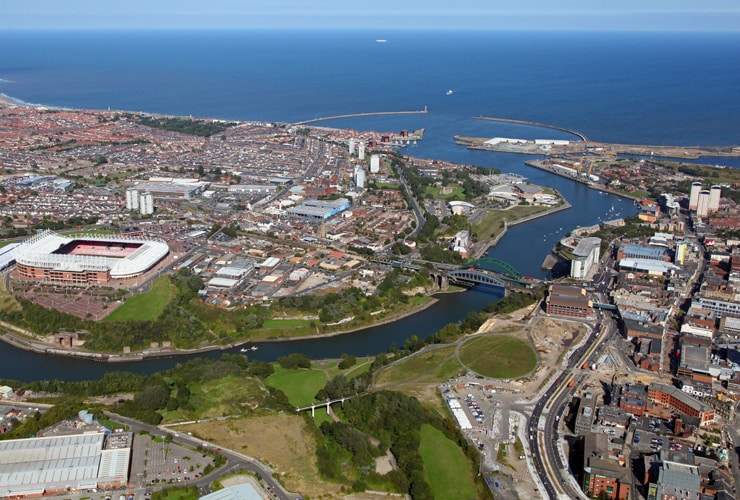
| 6. SR1 | Sunderland City Centre | £73,794 |
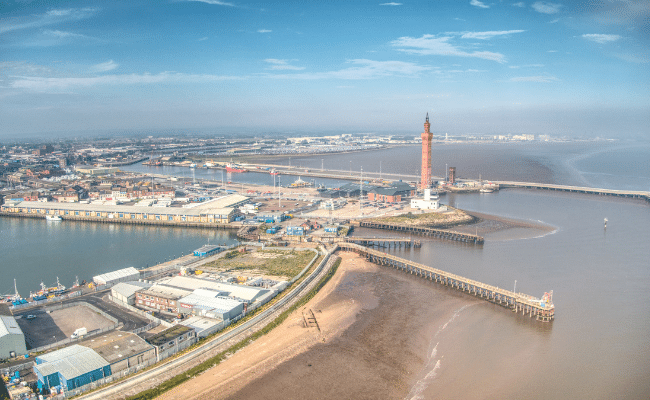
| 7. DN31 | Grimsby | £76,371 |
| 8. KA25 | Kilbirnie, North Ayrshire | £77,440 |
| 9. CF43 | Ferndale, Rhondda | £83,116 |
| 10. BD1 | Bradford City Centre | £88,496 |
Scotland takes the top spot with PA15 (Greenock) at £56,823, but England's North East dominates the list with five entries. County Durham alone has three postcodes in the top 10: Shildon (DL4), Peterlee (SR8), and Ferryhill (DL17).
For investors, low prices are only part of the picture. You need tenant demand too. Middlesbrough (TS1) and Sunderland (SR1) both have established rental markets with strong demand from working tenants. Bradford (BD1), despite a 62% price drop over three years, still offers yields that attract landlords looking for cash flow.
Wales enters the list at number 9 with CF43 (Ferndale) in the Rhondda Valleys. For more Welsh options, see our guide to the cheapest places to live in Wales.
Cheapest Places by Region
The UK's cheapest property isn't spread evenly. Scotland and the North dominate, while the South remains expensive even at its cheapest. Here's the winner from each region, sorted from cheapest to most expensive.
| Region | Cheapest Postcode | Avg Sold Price |
|---|---|---|
| Scotland | PA15 (Greenock) | £56,823 |
| North East | DL4 (Shildon) | £62,983 |
| Yorkshire & The Humber | DN31 (Grimsby) | £76,371 |
| Wales | CF43 (Ferndale) | £83,116 |
| North West | BB11 (Burnley) | £89,442 |
| West Midlands | ST1 (Stoke-on-Trent) | £110,070 |
| East Midlands | NG20 (Mansfield Woodhouse) | £154,439 |
| East of England | NR30 (Great Yarmouth) | £172,928 |
| South West | PL1 (Plymouth) | £182,808 |
| South East | CT17 (Dover) | £210,672 |
| Greater London | SE28 (Thamesmead) | £327,621 |
England's Cheapest Postcodes Under £100,000
There are 19 postcodes in England where the average sold price is under £100,000. The North East dominates with 11 entries, followed by Yorkshire and the Humber with 6, the North West with 2.
| Postcode | Location | Avg Sold Price |
|---|---|---|
| DL4 | Shildon, County Durham | £62,983 |
| TS1 | Middlesbrough | £68,271 |
| SR8 | Peterlee, County Durham | £70,059 |
| DL17 | Ferryhill, County Durham | £71,265 |
| SR1 | Sunderland City Centre | £73,794 |
| DN31 | Grimsby | £76,371 |
| TS3 | Middlesbrough | £78,135 |
| TS29 | Trimdon, County Durham | £85,878 |
| DN32 | Grimsby | £87,161 |
| BD1 | Bradford City Centre | £88,496 |
| BB11 | Burnley | £89,442 |
| DH9 | Stanley, County Durham | £91,433 |
| HU2 | Hull City Centre | £94,386 |
| NE17 | Chopwell, Gateshead | £96,022 |
| TS24 | Hartlepool | £96,766 |
| S4 | Sheffield | £98,223 |
| DL14 | Bishop Auckland | £98,477 |
| BD3 | Bradford | £98,560 |
| L4 | Liverpool | £99,499 |
County Durham appears six times in this list: Shildon (DL4), Peterlee (SR8), Ferryhill (DL17), Trimdon (TS29), Stanley (DH9) and Bishop Auckland (DL14). For investors, the County Durham area offers some of the lowest entry prices in England, though rental demand varies significantly between towns.
Middlesbrough has two postcodes under £100k (TS1 and TS3), as does Hull when you include nearby HU3 at £105,014. These are established rental markets with working tenant bases.
Sheffield sneaks in at number 16 with S4 at £98,223. It's the only South Yorkshire postcode under £100k, offering access to a larger city economy than most locations on this list.

Hidden Gems: Low-Price Locations With Strong Income Context
Buying cheap isn't the same as buying smart. This section compares affordable prices with local incomes, showing where low purchase prices sit alongside stronger tenant affordability.
We filtered for postcodes where average flat prices are under £100,000 but average household income exceeds £40,000. This excludes Scotland (where income data is unavailable) but reveals some surprising pockets of value across England and Wales.
| Postcode | Location | Avg Flat Price | Avg Income |
|---|---|---|---|
| DL9 | Catterick, North Yorkshire | £69,791 | £45,100 |
| TF3 | Telford, Shropshire | £69,798 | £41,100 |
| TS17 | Thornaby, Stockton-on-Tees | £72,222 | £42,400 |
| TS21 | Stillington, County Durham | £72,371 | £45,400 |
| TS7 | Marton, Middlesbrough | £72,683 | £42,800 |
| GL17 | Cinderford, Forest of Dean | £75,488 | £44,100 |
| WF7 | Pontefract, West Yorkshire | £76,774 | £41,200 |
| ST5 | Newcastle-under-Lyme | £77,040 | £40,800 |
| PE13 | Wisbech, Cambridgeshire | £79,639 | £40,400 |
| WF6 | Normanton, West Yorkshire | £79,760 | £41,200 |
A Word of Caution on Property Data
These figures come from HM Land Registry sold prices, which are reliable but come with caveats worth understanding before you choose your best buy to let target location.
Some "cheap flats" aren't flats at all in the property data. Postcodes like YO41 (Pocklington) may show low average flat prices, but a live search on property portals reveals many of those lower-priced listings are actually holiday lodges or park homes. Always verify what's actually for sale before drawing conclusions from postcode averages.
Large postcodes can hide big variations. Some postcodes cover areas where low-value terraces sit streets away from expensive detached homes. The "average household income" for these postcodes gets skewed towards higher earners, making the area look more affluent than the specific streets where cheap properties are located. DL9 (Catterick) is a good example. The postcode includes the garrison town with modest housing alongside rural villages with larger properties.
Always do your own due diligence. Postcode data is a starting point, not a buying decision. Check rental demand, view properties in person, and understand the local economy before committing. Our investment property checklist covers what to verify.
2026 Investment Verdict
The gap between North and South is narrowing, but it's still significant. You can buy a terraced house in Shildon (DL4) for £62,983. The same money wouldn't cover a deposit on a flat in most of London.
For investors, 2026 presents a window of opportunity. The Bank of England base rate at 3.75% makes borrowing more affordable than it was 12 months ago. The Office for Budget Responsibility forecasts house price growth of around 2.5% this year, in the OBR housing market forecast, with the North and Scotland expected to outperform the South. For a deeper look at what's ahead, see our UK house price forecast.
But cheap prices alone don't make a good investment. The postcodes in this guide offer low entry points, but you still need to verify tenant demand, check local employment, and understand why prices are low in the first place. Some areas are cheap because they're genuinely undervalued. Others are cheap because nobody wants to live there.
Where to Focus in 2026
Consider for gross rental yield: The North East offers the lowest entry prices in England. County Durham postcodes like DL4, DL17 and SR8 all come in under £75,000. Yields can be strong, but tenant pools are smaller than in major cities.
Consider for balance: Cities like Hull, Stoke-on-Trent and Liverpool offer sub-£100k entry prices with larger tenant pools and better liquidity when you come to sell.
Consider for growth potential: Sheffield (S4 at £98,223) gives you access to a major city economy at under £100k. It's the only South Yorkshire postcode at this price point and benefits from two universities and a large employment base.
Before You Buy
Use our rental yield calculator to check the numbers stack up. Factor in the stamp duty (though most properties under £125,000 won't attract any for first-time buyers). And read our guide on buying your first rental property if you're new to buy-to-let.
Remember:The cheapest property isn't always the best investment. Growth isn't always guaranteed, and high yields don't always mean good tenants. But in 2026, with borrowing costs falling and the North outperforming the South, affordable markets deserve a closer look. Our UK property investment guides cover most of the towns in these tables, with sold prices, rents and yields for each.
Frequently Asked Questions
Which part of England has the cheapest houses?
The North East has the cheapest houses in England by a significant margin. County Durham alone has six postcodes with average sold prices under £100,000, including DL4 (Shildon) at £62,983 - the cheapest in England and 78% below the national average. Middlesbrough, Sunderland, Hartlepool and Grimsby all offer entry points under £80,000. By contrast, the cheapest postcode in the South East is CT17 (Dover) at £210,672, more than three times the price of Shildon.
What salary do I need to buy a £100k house in the UK?
For a £100,000 property, most lenders will require a household income of around £22,000-£25,000, based on typical mortgage multiples of 4-4.5x salary. With a 10% deposit (£10,000), you'd need a £90,000 mortgage. At current rates around 4.5%, monthly repayments would be approximately £500 on a 25-year term. The cheapest postcodes in this guide have affordability ratios as low as 2.09x local household income, meaning many buyers in these areas can comfortably afford property on modest salaries.
Where can I buy a house for under £100,000 in England?
There are 19 postcodes in England where the average sold price falls below £100,000. The most affordable options are concentrated in the North East: Shildon (DL4) at £62,983, Middlesbrough (TS1) at £68,271, Peterlee (SR8) at £70,059, and Ferryhill (DL17) at £71,265. You'll also find sub-£100k averages in Grimsby (DN31), Bradford (BD1), Burnley (BB11), Hull (HU2), Sheffield (S4) and Liverpool (L4). These prices reflect actual HM Land Registry sold prices, not asking prices.
What is the cheapest place to buy a house in the South of England?
The South of England remains significantly more expensive than the North, but relative bargains do exist. Dover (CT17) at £210,672 is the cheapest postcode in the South East. In the South West, Plymouth (PL1) comes in at £182,808. Great Yarmouth (NR30) offers the East of England's lowest prices at £172,928. For context, these "cheap" southern postcodes still cost nearly three times more than the cheapest locations in County Durham.
What are the cheapest and safest places to live in the UK?
Finding the balance between affordability and quality of life requires looking beyond headline prices. Our hidden gems analysis identifies postcodes where flat prices are under £100,000 but average household incomes exceed £40,000 - suggesting stable employment and a working tenant base. Top picks include Catterick (DL9) with £69,791 average flat prices and £45,100 household income, Telford (TF3) at £69,798/£41,100, and Thornaby (TS17) at £72,222/£42,400. These locations offer affordability without the economic challenges found in some ultra-cheap areas.
Are house prices going up or down in cheap areas in 2026?
The forecast for 2026 suggests modest growth of 2-4% nationally, with northern markets expected to outperform the South. The Bank of England base rate dropped to 3.75% in December 2025, making borrowing more affordable than 12 months ago. Some cheap areas have seen price declines - Bradford (BD1) dropped 62% over three years - but others have held steady or grown. County Durham and Teesside remain among the most affordable markets in England, though rental demand varies significantly between towns. Always verify local employment trends and tenant demand before assuming cheap prices equal good investment opportunities.
Ready to buy property?
Browse investment properties with prices and gross yields shown for each opportunity.
Get property alerts