

Sheffield is a city in South Yorkshire, in the north of England. The average sold price across Sheffield is £222,130 on the HM Land Registry House Price Index, 23.4% below the England average of £289,946. That discount is the defining feature of the market. A buyer here pays roughly £68,000 less than the England average for the same all-property-types measure, and the city stretches that low base across 20 postcodes, from the flat-heavy city centre to detached commuter villages on the Peak District edge.
Sheffield is England's fourth-largest city by population, with 556,521 residents at the 2021 Census. Two universities have more than 60,000 students between them, the teaching hospitals employ thousands, and the advanced manufacturing cluster sits on the Rotherham border. For investors the spread runs from S3 at a £117,544 asking price up to S17 at £475,071, so a single city holds both sub-£120,000 entry points and premium detached stock, with the higher yields sitting on the cheaper postcodes.
This guide covers the metropolitan borough of Sheffield (ONS code E08000019) across 20 postcodes from S1 to S36. Sheffield sits in South Yorkshire, on the eastern edge of the Peak District, with Leeds 35 miles to the north and Doncaster 20 miles to the north-east. Rental data is available for 16 of the 20 postcodes; the four without it are noted in the tables below. Not every postcode sits wholly inside the borough. S21 (Eckington, Killamarsh) is in North East Derbyshire, S26 (Aston, Swallownest) is in Rotherham, and S35 and S36 run into Barnsley. For those postcodes, the Sheffield wage and employment figures are a benchmark rather than a wage measured for their residents.
Article updated: July 2026
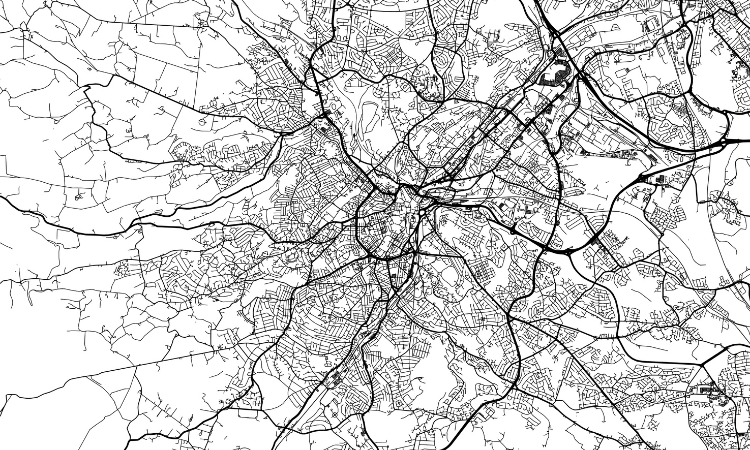
Why Invest in Sheffield?
Sheffield's two universities hold more than 60,000 students, and the teaching hospitals and the advanced manufacturing cluster are the other large employers. The University of Sheffield is a Russell Group institution; Sheffield Hallam is one of the largest universities in the country by student numbers. The Advanced Manufacturing Research Centre on the Sheffield-Rotherham border partners with Boeing, Rolls-Royce and McLaren, keeping skilled engineering jobs in the city.
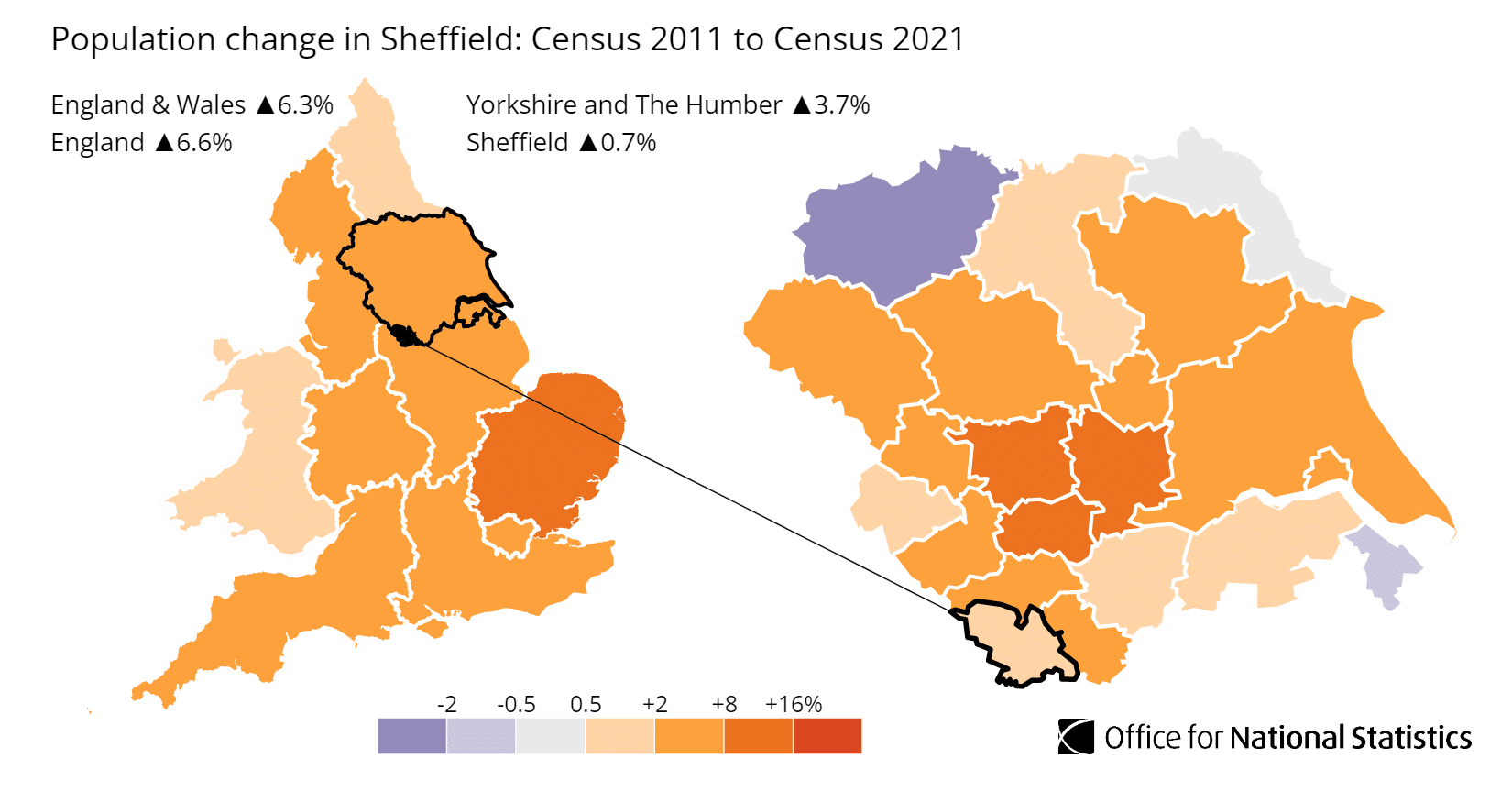
The population grew just 0.69% between the 2011 and 2021 censuses, from 552,698 to 556,521 residents, well below the England and Wales average of 6.3%. Sheffield's population barely grew, but private renting already accounts for 76.8% of households in S1 and 56.0% in S3, the two central postcodes closest to the universities and hospitals.
Median gross annual earnings in Sheffield are £37,885, which sits above the Yorkshire and The Humber regional median of £35,989 but below the Great Britain median of £39,125. Human health and social work is the largest employment sector at 16.9% of employee jobs, followed by wholesale and retail at 13.9% and education at 12.0%, so the city does not lean on any single employer.
Sheffield Economic Summary
- Population: 556,521 (2021 Census). Growth of 0.69% from 2011.
- Median annual salary: £37,885 (Sheffield), £35,989 (Yorkshire and The Humber), £39,125 (Great Britain)
- Employment rate: 71.7% (Sheffield), 75.6% (Great Britain)
- Unemployment rate: 3.1% (Sheffield), 4.3% (Great Britain)
- Key employment sectors: Health and social work, wholesale and retail, education, professional and scientific, manufacturing
Source: ONS Census 2021, Nomis Labour Market Profile (ASHE 2025, Employment Oct 2024-Sep 2025)
The employment rate of 71.7% sits below the national 75.6%, and unemployment of 3.1% is below the national 4.3%. The two rates measure different things: employment is the share of working-age residents in work, and unemployment is the share of the economically active who are out of work and looking for it.
Regeneration and Investment in Sheffield
More than £870 million of development is now committed across Sheffield's city centre and lower Don Valley, spread across three schemes. Office, build-to-rent and health-and-innovation investment is landing in different parts of the city rather than on one site.
- Heart of the City (substantially complete, £470 million): Sheffield's flagship city centre regeneration spanning seven hectares around Pinstone Street and Pounds Park. The scheme has delivered Grade A office space (occupiers include HSBC and CMS), the Cambridge Street Collective food hall billed as Europe's largest purpose-built, the 154-room Radisson Blu Hotel, and more than 360 apartments and townhouses. Details at Sheffield City Centre.
- West Bar (under construction, £300 million): A seven-acre mixed-use development on the northern edge of the city centre delivering around 565,000 sq ft of office space alongside more than 500 build-to-rent apartments. Phase 1 completed in November 2024 with 100,000 sq ft of Grade A offices, now fully leased by the Department for Work and Pensions, plus 368 build-to-rent flats funded by a circa £150 million Legal & General investment. Details at South Yorkshire Mayoral Combined Authority.
- Sheffield Olympic Legacy Park (ongoing, £200 million-plus): A regeneration of the former Don Valley Stadium site in the lower Don Valley into a health, sport and innovation hub. It already houses Sheffield Hallam's Advanced Wellbeing Research Centre, with plans for a National Centre for Child Health Technology and an 850,000 sq ft expansion forecast to create over 5,600 jobs. Details at Sheffield Olympic Legacy Park.
Source: Office for National Statistics - Population for Sheffield
Sheffield Property Market Analysis
Average property prices in Sheffield have risen 457.7% since January 1995, from £39,832 to £222,130. The sections below trace that path cycle by cycle, then drill into postcode-level data for sold prices, price per square foot, asking prices, growth, transaction volumes, and selling times.
When was the last house price crash in Sheffield?
Sheffield's average house price fell 17.0% in the last crash, between its October 2007 peak and a June 2009 low. Sheffield is a single metropolitan borough, so all sold prices from HM Land Registry are recorded at city level. The Land Registry House Price Index tracks average prices from January 1995 to March 2026, covering 31 years of market cycles.
The 1995 to 2007 boom: Sheffield started at £39,832 in January 1995. By December 2000 the average had reached £50,968, a 28.0% rise over six years. Growth then accelerated sharply through the early 2000s as low rates and easy credit pushed prices up, passing £120,030 by December 2005. The market peaked at £140,321 in October 2007, three and a half times the 1995 level.
2008 to 2009, the financial crisis: Prices fell from the October 2007 peak of £140,321 to a trough of £116,415 in June 2009, a decline of 17.0% over 20 months. The worst year-on-year reading was -14.9% in May 2009. Sheffield's fall was close to the England decline of 18.2% over the same crisis, with the city's lower-priced stock offering only a modest buffer.
The 2010 to 2013 stagnation: Prices bounced off the June 2009 trough but then drifted sideways for years. The average stood at £122,822 in December 2010, slipped to £121,402 by December 2012, and only edged up to £126,051 by December 2013. Sheffield spent the best part of four years stuck below the pre-crash peak.
Recovery, 2014 to 2015: Growth returned slowly. Prices climbed back through 2014 and the first half of 2015, and it was August 2015, at £142,261, when the average finally cleared the October 2007 pre-crash peak of £140,321. Recovery took just under eight years.
The 2016 to 2019 pre-pandemic growth: Steady single-digit growth set in. Prices moved from £140,455 in March 2016 to £152,012 by December 2017, £165,225 by December 2019, with annual growth holding in the 3% to 5% band through the period.
2020 to 2022, the pandemic surge: Over the period of the stamp duty holiday, Sheffield rose strongly. Prices rose from £158,745 in June 2020 to £174,152 by December 2020. That was 5.4% up on a year earlier. By December 2021 the average was £186,490, a 7.1% annual rise. A year later it reached £215,896, up 15.8% on the year. It was the fastest annual rate since April 2005, when the series last ran above it at 18.7%.
The 2023 rate shock: Higher mortgage rates cooled the market. The average eased to £200,355 by June 2023 and £208,856 by December 2023, recording -3.3% annual growth. The correction undid part of the pandemic spike rather than the longer recovery.
2024 to present: Prices recovered to £215,019 by December 2024 (3.0% annual) and reached an all-time high of £222,308 in February 2026, easing very slightly to £222,130 by the latest March 2026 reading. The current price is 58.3% above the October 2007 pre-crash peak.
Long-term growth summary:
- 5 years (March 2021 to March 2026): 21.2% growth (£183,276 to £222,130)
- 10 years (March 2016 to March 2026): 58.2% growth (£140,455 to £222,130)
- 15 years (March 2011 to March 2026): 90.6% growth (£116,522 to £222,130)
- 20 years (March 2006 to March 2026): 83.5% growth (£121,019 to £222,130)
- 31 years (January 1995 to March 2026): 457.7% growth (£39,832 to £222,130)
Sheffield's 17.0% crash was a touch shallower than England's 18.2%, but recovery took nearly eight years, longer than the national market. The 31-year return is 457.7% from a £39,832 starting base. An investor who bought at the exact October 2007 peak would now be sitting on a 58.3% gain on the Land Registry average.
- All property types
- Detached
- Semi-detached
- Terraced
- Flats
Source: HM Land Registry House Price Index
| Year | All property types | Detached | Semi-detached | Terraced | Flats |
|---|---|---|---|---|---|
| 1995-01 | £39,832 | £73,228 | £41,774 | £33,328 | £30,297 |
| 1995-02 | £39,126 | £71,455 | £41,167 | £32,741 | £29,748 |
| 1995-03 | £39,172 | £71,450 | £41,201 | £32,826 | £29,708 |
| 1995-04 | £38,795 | £70,518 | £40,826 | £32,545 | £29,454 |
| 1995-05 | £39,187 | £71,112 | £41,220 | £32,919 | £29,771 |
| 1995-06 | £39,560 | £71,731 | £41,655 | £33,189 | £30,198 |
| 1995-07 | £40,253 | £73,131 | £42,366 | £33,770 | £30,594 |
| 1995-08 | £40,658 | £74,254 | £42,743 | £34,085 | £30,695 |
| 1995-09 | £40,705 | £74,371 | £42,761 | £34,169 | £30,552 |
| 1995-10 | £40,587 | £74,336 | £42,722 | £33,939 | £30,571 |
| 1995-11 | £39,919 | £73,148 | £42,091 | £33,277 | £30,295 |
| 1995-12 | £39,481 | £72,477 | £41,675 | £32,831 | £30,015 |
| 1996-01 | £39,018 | £71,877 | £41,140 | £32,455 | £29,460 |
| 1996-02 | £39,007 | £71,938 | £41,124 | £32,466 | £29,229 |
| 1996-03 | £38,779 | £71,721 | £40,909 | £32,218 | £28,989 |
| 1996-04 | £39,168 | £72,163 | £41,280 | £32,621 | £29,424 |
| 1996-05 | £39,642 | £72,779 | £41,717 | £33,124 | £29,851 |
| 1996-06 | £40,187 | £73,618 | £42,211 | £33,663 | £30,425 |
| 1996-07 | £40,193 | £73,741 | £42,237 | £33,647 | £30,275 |
| 1996-08 | £40,595 | £74,861 | £42,635 | £33,920 | £30,492 |
| 1996-09 | £40,934 | £75,807 | £42,973 | £34,180 | £30,467 |
| 1996-10 | £41,035 | £76,107 | £43,110 | £34,219 | £30,475 |
| 1996-11 | £40,903 | £75,661 | £42,989 | £34,134 | £30,453 |
| 1996-12 | £40,899 | £75,383 | £43,040 | £34,148 | £30,477 |
| 1997-01 | £41,002 | £75,486 | £43,124 | £34,280 | £30,532 |
| 1997-02 | £41,118 | £75,957 | £43,249 | £34,312 | £30,590 |
| 1997-03 | £40,998 | £75,868 | £43,051 | £34,228 | £30,549 |
| 1997-04 | £41,499 | £76,636 | £43,604 | £34,661 | £30,923 |
| 1997-05 | £41,639 | £76,621 | £43,796 | £34,836 | £30,839 |
| 1997-06 | £42,071 | £77,505 | £44,284 | £35,183 | £30,952 |
| 1997-07 | £42,083 | £77,666 | £44,263 | £35,229 | £30,737 |
| 1997-08 | £42,712 | £79,099 | £44,890 | £35,731 | £31,137 |
| 1997-09 | £43,343 | £80,311 | £45,562 | £36,242 | £31,596 |
| 1997-10 | £43,547 | £80,833 | £45,819 | £36,327 | £31,816 |
| 1997-11 | £43,059 | £80,069 | £45,354 | £35,845 | £31,455 |
| 1997-12 | £42,542 | £79,156 | £44,888 | £35,343 | £31,048 |
| 1998-01 | £42,254 | £78,893 | £44,517 | £35,103 | £30,798 |
| 1998-02 | £42,906 | £79,924 | £45,173 | £35,680 | £31,443 |
| 1998-03 | £43,042 | £80,086 | £45,270 | £35,858 | £31,523 |
| 1998-04 | £43,542 | £80,650 | £45,883 | £36,283 | £31,905 |
| 1998-05 | £43,373 | £80,181 | £45,683 | £36,231 | £31,616 |
| 1998-06 | £43,829 | £81,018 | £46,124 | £36,616 | £32,090 |
| 1998-07 | £44,364 | £82,096 | £46,640 | £37,086 | £32,450 |
| 1998-08 | £45,208 | £84,064 | £47,471 | £37,746 | £33,063 |
| 1998-09 | £45,686 | £85,246 | £47,986 | £38,104 | £33,238 |
| 1998-10 | £45,593 | £85,325 | £47,900 | £37,945 | £33,242 |
| 1998-11 | £44,444 | £83,340 | £46,810 | £36,841 | £32,482 |
| 1998-12 | £44,028 | £82,276 | £46,410 | £36,477 | £32,440 |
| 1999-01 | £43,694 | £81,584 | £46,063 | £36,194 | £32,289 |
| 1999-02 | £44,400 | £82,735 | £46,767 | £36,842 | £32,832 |
| 1999-03 | £43,829 | £81,805 | £46,157 | £36,346 | £32,402 |
| 1999-04 | £44,108 | £81,939 | £46,423 | £36,691 | £32,581 |
| 1999-05 | £44,420 | £82,201 | £46,721 | £37,047 | £32,796 |
| 1999-06 | £46,056 | £85,153 | £48,392 | £38,481 | £33,950 |
| 1999-07 | £46,482 | £86,292 | £48,785 | £38,810 | £34,226 |
| 1999-08 | £47,281 | £88,070 | £49,541 | £39,485 | £34,774 |
| 1999-09 | £47,365 | £88,596 | £49,545 | £39,539 | £34,838 |
| 1999-10 | £47,901 | £89,688 | £50,187 | £39,866 | £35,407 |
| 1999-11 | £47,871 | £89,646 | £50,224 | £39,763 | £35,484 |
| 1999-12 | £48,124 | £89,702 | £50,514 | £40,010 | £35,846 |
| 2000-01 | £48,283 | £90,165 | £50,673 | £40,143 | £35,815 |
| 2000-02 | £48,238 | £90,202 | £50,599 | £40,105 | £35,727 |
| 2000-03 | £47,845 | £89,679 | £50,251 | £39,722 | £35,216 |
| 2000-04 | £48,271 | £90,108 | £50,623 | £40,146 | £35,800 |
| 2000-05 | £49,185 | £91,585 | £51,625 | £40,881 | £36,656 |
| 2000-06 | £50,786 | £94,374 | £53,295 | £42,194 | £38,137 |
| 2000-07 | £51,705 | £96,601 | £54,313 | £42,864 | £38,588 |
| 2000-08 | £52,236 | £98,014 | £54,882 | £43,178 | £39,114 |
| 2000-09 | £52,346 | £98,973 | £54,946 | £43,160 | £39,142 |
| 2000-10 | £51,892 | £98,254 | £54,554 | £42,658 | £38,958 |
| 2000-11 | £51,375 | £97,557 | £53,995 | £42,174 | £38,627 |
| 2000-12 | £50,968 | £96,455 | £53,624 | £41,807 | £38,586 |
| 2001-01 | £51,904 | £98,160 | £54,509 | £42,635 | £39,408 |
| 2001-02 | £52,234 | £98,569 | £54,834 | £42,974 | £39,624 |
| 2001-03 | £52,020 | £98,242 | £54,618 | £42,816 | £39,267 |
| 2001-04 | £51,934 | £97,853 | £54,428 | £42,848 | £39,279 |
| 2001-05 | £52,580 | £98,515 | £55,092 | £43,505 | £39,767 |
| 2001-06 | £54,322 | £101,411 | £56,836 | £45,026 | £41,336 |
| 2001-07 | £55,637 | £103,936 | £58,251 | £46,099 | £42,215 |
| 2001-08 | £57,156 | £107,309 | £59,741 | £47,302 | £43,467 |
| 2001-09 | £57,836 | £109,248 | £60,341 | £47,819 | £43,964 |
| 2001-10 | £57,602 | £108,911 | £60,120 | £47,539 | £43,994 |
| 2001-11 | £57,130 | £107,930 | £59,757 | £47,038 | £43,773 |
| 2001-12 | £57,278 | £107,613 | £60,021 | £47,089 | £44,385 |
| 2002-01 | £57,731 | £108,482 | £60,475 | £47,436 | £44,906 |
| 2002-02 | £58,350 | £109,637 | £60,968 | £48,033 | £45,528 |
| 2002-03 | £59,221 | £111,310 | £61,867 | £48,810 | £45,932 |
| 2002-04 | £60,042 | £112,342 | £62,652 | £49,585 | £46,837 |
| 2002-05 | £61,330 | £114,146 | £64,103 | £50,676 | £47,911 |
| 2002-06 | £63,512 | £117,858 | £66,251 | £52,617 | £49,778 |
| 2002-07 | £66,183 | £122,827 | £69,011 | £54,918 | £51,553 |
| 2002-08 | £68,133 | £126,479 | £70,978 | £56,590 | £53,018 |
| 2002-09 | £69,174 | £128,542 | £72,205 | £57,369 | £53,598 |
| 2002-10 | £69,442 | £128,979 | £72,706 | £57,406 | £53,954 |
| 2002-11 | £70,634 | £131,382 | £73,956 | £58,329 | £54,974 |
| 2002-12 | £70,994 | £131,518 | £74,434 | £58,588 | £55,587 |
| 2003-01 | £73,300 | £135,407 | £76,640 | £60,711 | £57,469 |
| 2003-02 | £73,914 | £135,884 | £77,386 | £61,253 | £58,060 |
| 2003-03 | £74,789 | £137,675 | £78,194 | £62,050 | £58,623 |
| 2003-04 | £74,716 | £137,056 | £78,346 | £61,904 | £58,626 |
| 2003-05 | £76,284 | £139,582 | £79,997 | £63,324 | £59,617 |
| 2003-06 | £79,568 | £144,906 | £83,409 | £66,141 | £62,532 |
| 2003-07 | £82,562 | £149,879 | £86,540 | £68,799 | £64,604 |
| 2003-08 | £85,868 | £155,369 | £89,993 | £71,670 | £67,202 |
| 2003-09 | £86,109 | £155,440 | £90,322 | £72,026 | £66,771 |
| 2003-10 | £86,786 | £156,305 | £90,947 | £72,714 | £67,379 |
| 2003-11 | £87,744 | £157,823 | £92,013 | £73,533 | £68,049 |
| 2003-12 | £89,865 | £160,439 | £94,209 | £75,485 | £70,168 |
| 2004-01 | £91,681 | £163,777 | £96,112 | £77,012 | £71,491 |
| 2004-02 | £91,628 | £163,166 | £95,979 | £77,107 | £71,445 |
| 2004-03 | £92,816 | £165,518 | £97,026 | £78,186 | £72,053 |
| 2004-04 | £94,547 | £166,751 | £98,853 | £80,086 | £73,260 |
| 2004-05 | £100,131 | £174,775 | £104,546 | £85,233 | £77,717 |
| 2004-06 | £104,294 | £180,472 | £108,883 | £88,935 | £81,262 |
| 2004-07 | £108,890 | £188,181 | £113,896 | £92,959 | £84,454 |
| 2004-08 | £110,578 | £191,612 | £115,758 | £94,442 | £85,363 |
| 2004-09 | £113,582 | £197,629 | £119,067 | £97,090 | £87,000 |
| 2004-10 | £113,058 | £196,821 | £118,182 | £96,586 | £87,117 |
| 2004-11 | £112,909 | £196,303 | £117,942 | £96,382 | £87,353 |
| 2004-12 | £111,630 | £192,900 | £116,352 | £95,418 | £86,934 |
| 2005-01 | £111,528 | £192,568 | £115,954 | £95,406 | £87,189 |
| 2005-02 | £112,037 | £193,041 | £116,406 | £95,804 | £87,914 |
| 2005-03 | £111,029 | £191,405 | £115,477 | £94,874 | £87,021 |
| 2005-04 | £112,238 | £192,371 | £117,006 | £96,036 | £87,724 |
| 2005-05 | £113,131 | £193,544 | £117,823 | £97,006 | £88,316 |
| 2005-06 | £115,963 | £197,122 | £120,631 | £99,794 | £90,507 |
| 2005-07 | £117,586 | £199,937 | £122,373 | £101,205 | £91,648 |
| 2005-08 | £119,544 | £203,350 | £124,357 | £103,065 | £92,881 |
| 2005-09 | £120,784 | £206,256 | £125,643 | £104,147 | £93,527 |
| 2005-10 | £121,262 | £207,074 | £125,881 | £104,661 | £94,080 |
| 2005-11 | £119,603 | £203,910 | £124,254 | £103,229 | £92,778 |
| 2005-12 | £120,030 | £203,500 | £124,465 | £103,663 | £93,753 |
| 2006-01 | £119,122 | £201,909 | £123,437 | £103,052 | £92,855 |
| 2006-02 | £121,562 | £205,289 | £125,749 | £105,304 | £95,089 |
| 2006-03 | £121,019 | £205,124 | £125,457 | £104,859 | £93,936 |
| 2006-04 | £123,664 | £208,839 | £128,321 | £107,261 | £95,905 |
| 2006-05 | £123,948 | £209,339 | £128,801 | £107,516 | £95,828 |
| 2006-06 | £125,448 | £211,026 | £130,327 | £109,011 | £97,015 |
| 2006-07 | £127,351 | £214,287 | £132,243 | £110,878 | £98,185 |
| 2006-08 | £129,482 | £218,218 | £134,445 | £113,051 | £99,155 |
| 2006-09 | £131,545 | £222,470 | £136,589 | £114,811 | £100,513 |
| 2006-10 | £132,404 | £224,301 | £137,469 | £115,466 | £101,207 |
| 2006-11 | £133,085 | £225,536 | £138,309 | £115,965 | £101,667 |
| 2006-12 | £132,658 | £223,889 | £137,796 | £115,807 | £101,424 |
| 2007-01 | £132,138 | £222,985 | £137,337 | £115,401 | £100,833 |
| 2007-02 | £131,530 | £221,677 | £136,497 | £114,753 | £100,868 |
| 2007-03 | £132,556 | £224,009 | £137,629 | £115,694 | £101,250 |
| 2007-04 | £134,203 | £226,064 | £139,228 | £117,441 | £102,406 |
| 2007-05 | £135,541 | £227,446 | £140,551 | £118,902 | £103,329 |
| 2007-06 | £137,847 | £230,993 | £142,817 | £121,045 | £105,156 |
| 2007-07 | £139,006 | £233,644 | £144,003 | £121,971 | £105,995 |
| 2007-08 | £140,108 | £236,783 | £145,312 | £123,172 | £105,980 |
| 2007-09 | £139,993 | £237,566 | £145,273 | £123,016 | £105,617 |
| 2007-10 | £140,321 | £238,679 | £145,447 | £123,229 | £106,020 |
| 2007-11 | £139,534 | £237,841 | £144,675 | £122,279 | £105,596 |
| 2007-12 | £139,804 | £237,853 | £144,807 | £122,452 | £106,180 |
| 2008-01 | £138,425 | £235,981 | £143,442 | £121,088 | £105,151 |
| 2008-02 | £137,512 | £234,258 | £142,330 | £120,108 | £104,917 |
| 2008-03 | £136,681 | £233,471 | £141,776 | £119,356 | £103,819 |
| 2008-04 | £135,882 | £232,319 | £140,975 | £118,846 | £102,914 |
| 2008-05 | £136,757 | £233,477 | £141,982 | £119,772 | £103,351 |
| 2008-06 | £135,607 | £231,178 | £140,642 | £118,789 | £102,691 |
| 2008-07 | £135,474 | £230,725 | £140,655 | £118,509 | £102,662 |
| 2008-08 | £133,509 | £228,215 | £138,645 | £116,873 | £100,860 |
| 2008-09 | £129,372 | £223,027 | £134,247 | £113,093 | £97,620 |
| 2008-10 | £126,182 | £218,021 | £130,956 | £110,329 | £95,056 |
| 2008-11 | £123,460 | £213,583 | £128,298 | £107,782 | £92,957 |
| 2008-12 | £121,708 | £209,602 | £126,705 | £106,535 | £91,264 |
| 2009-01 | £119,455 | £206,497 | £124,327 | £104,507 | £89,507 |
| 2009-02 | £117,664 | £203,413 | £122,449 | £102,872 | £88,415 |
| 2009-03 | £117,310 | £202,899 | £121,988 | £102,350 | £88,691 |
| 2009-04 | £116,694 | £200,550 | £121,552 | £101,941 | £88,181 |
| 2009-05 | £116,418 | £199,326 | £121,227 | £102,012 | £87,744 |
| 2009-06 | £116,415 | £199,040 | £121,343 | £102,226 | £87,157 |
| 2009-07 | £118,342 | £202,650 | £123,385 | £104,092 | £87,983 |
| 2009-08 | £121,551 | £208,960 | £126,770 | £106,963 | £89,758 |
| 2009-09 | £124,199 | £214,032 | £129,596 | £109,313 | £91,274 |
| 2009-10 | £126,097 | £217,734 | £131,739 | £110,888 | £92,335 |
| 2009-11 | £125,272 | £216,615 | £130,885 | £110,301 | £91,260 |
| 2009-12 | £125,351 | £215,576 | £131,134 | £110,656 | £90,969 |
| 2010-01 | £124,603 | £215,380 | £130,368 | £110,070 | £89,702 |
| 2010-02 | £123,993 | £214,700 | £130,010 | £109,401 | £88,812 |
| 2010-03 | £124,672 | £217,853 | £130,579 | £109,593 | £89,403 |
| 2010-04 | £124,219 | £216,184 | £130,154 | £109,192 | £89,412 |
| 2010-05 | £124,896 | £217,344 | £130,674 | £109,806 | £90,214 |
| 2010-06 | £125,195 | £217,480 | £131,093 | £110,356 | £89,878 |
| 2010-07 | £124,931 | £217,974 | £130,767 | £110,166 | £89,241 |
| 2010-08 | £125,560 | £219,506 | £131,748 | £110,610 | £89,117 |
| 2010-09 | £124,447 | £218,786 | £130,581 | £109,404 | £88,170 |
| 2010-10 | £124,493 | £218,948 | £130,714 | £109,303 | £88,275 |
| 2010-11 | £122,465 | £216,043 | £128,484 | £107,360 | £87,017 |
| 2010-12 | £122,822 | £216,160 | £128,984 | £107,605 | £87,417 |
| 2011-01 | £120,476 | £212,688 | £126,388 | £105,427 | £85,904 |
| 2011-02 | £118,823 | £210,232 | £124,458 | £104,015 | £84,795 |
| 2011-03 | £116,522 | £207,608 | £121,910 | £101,808 | £83,103 |
| 2011-04 | £117,280 | £208,720 | £122,703 | £102,560 | £83,567 |
| 2011-05 | £118,928 | £210,503 | £124,453 | £104,016 | £85,157 |
| 2011-06 | £119,173 | £209,063 | £124,796 | £104,482 | £85,481 |
| 2011-07 | £120,117 | £210,004 | £125,779 | £105,302 | £86,488 |
| 2011-08 | £121,963 | £213,851 | £127,963 | £106,985 | £86,996 |
| 2011-09 | £122,179 | £215,386 | £128,195 | £107,178 | £86,635 |
| 2011-10 | £121,639 | £215,346 | £127,871 | £106,574 | £85,709 |
| 2011-11 | £119,866 | £212,181 | £125,921 | £104,867 | £84,923 |
| 2011-12 | £120,450 | £212,472 | £126,699 | £105,272 | £85,583 |
| 2012-01 | £119,489 | £209,885 | £125,754 | £104,583 | £84,869 |
| 2012-02 | £120,771 | £212,042 | £127,182 | £105,867 | £85,342 |
| 2012-03 | £119,363 | £208,820 | £125,650 | £104,876 | £84,337 |
| 2012-04 | £120,292 | £210,583 | £126,469 | £105,654 | £85,279 |
| 2012-05 | £119,636 | £209,024 | £125,702 | £105,159 | £84,995 |
| 2012-06 | £121,077 | £211,522 | £127,039 | £106,636 | £85,913 |
| 2012-07 | £123,043 | £214,816 | £129,027 | £108,596 | £87,043 |
| 2012-08 | £125,280 | £218,645 | £131,377 | £110,775 | £88,242 |
| 2012-09 | £126,290 | £221,144 | £132,446 | £111,563 | £88,773 |
| 2012-10 | £124,907 | £218,530 | £131,053 | £110,314 | £87,852 |
| 2012-11 | £123,533 | £216,252 | £129,627 | £109,021 | £86,952 |
| 2012-12 | £121,402 | £212,587 | £127,529 | £107,020 | £85,425 |
| 2013-01 | £121,771 | £213,677 | £128,164 | £107,223 | £85,280 |
| 2013-02 | £119,979 | £210,816 | £126,353 | £105,611 | £83,815 |
| 2013-03 | £121,131 | £213,437 | £127,620 | £106,486 | £84,511 |
| 2013-04 | £120,305 | £211,819 | £126,540 | £105,917 | £84,035 |
| 2013-05 | £121,745 | £213,970 | £128,027 | £107,205 | £85,209 |
| 2013-06 | £122,912 | £214,924 | £129,200 | £108,552 | £85,967 |
| 2013-07 | £123,974 | £216,497 | £130,247 | £109,616 | £86,704 |
| 2013-08 | £125,163 | £218,473 | £131,522 | £110,767 | £87,348 |
| 2013-09 | £125,065 | £219,463 | £131,429 | £110,463 | £87,190 |
| 2013-10 | £125,702 | £221,418 | £132,311 | £110,737 | £87,492 |
| 2013-11 | £124,797 | £220,248 | £131,475 | £109,789 | £86,783 |
| 2013-12 | £126,051 | £221,200 | £132,965 | £110,933 | £87,829 |
| 2014-01 | £125,412 | £219,692 | £132,278 | £110,402 | £87,505 |
| 2014-02 | £127,352 | £223,177 | £134,361 | £112,085 | £88,800 |
| 2014-03 | £126,349 | £221,603 | £133,361 | £111,140 | £88,047 |
| 2014-04 | £128,703 | £225,228 | £135,812 | £113,388 | £89,605 |
| 2014-05 | £129,347 | £225,454 | £136,419 | £114,143 | £90,182 |
| 2014-06 | £130,309 | £227,070 | £137,487 | £115,107 | £90,567 |
| 2014-07 | £130,885 | £228,057 | £138,137 | £115,677 | £90,783 |
| 2014-08 | £132,471 | £231,402 | £139,880 | £117,071 | £91,534 |
| 2014-09 | £134,406 | £235,031 | £141,808 | £118,783 | £92,948 |
| 2014-10 | £136,237 | £238,585 | £143,833 | £120,215 | £94,279 |
| 2014-11 | £136,235 | £238,840 | £143,947 | £120,032 | £94,340 |
| 2014-12 | £136,807 | £240,005 | £144,617 | £120,395 | £94,840 |
| 2015-01 | £136,199 | £238,815 | £144,031 | £119,816 | £94,468 |
| 2015-02 | £134,657 | £235,740 | £142,219 | £118,442 | £93,889 |
| 2015-03 | £134,001 | £234,882 | £141,587 | £117,683 | £93,578 |
| 2015-04 | £133,581 | £234,411 | £141,042 | £117,392 | £93,178 |
| 2015-05 | £134,654 | £236,218 | £142,354 | £118,307 | £93,721 |
| 2015-06 | £135,559 | £237,549 | £143,431 | £119,398 | £93,666 |
| 2015-07 | £139,450 | £243,854 | £147,726 | £122,801 | £96,328 |
| 2015-08 | £142,261 | £249,082 | £150,621 | £125,435 | £97,952 |
| 2015-09 | £143,603 | £252,592 | £151,891 | £126,405 | £99,066 |
| 2015-10 | £141,721 | £250,174 | £149,953 | £124,683 | £97,445 |
| 2015-11 | £140,719 | £248,839 | £149,046 | £123,629 | £96,677 |
| 2015-12 | £140,216 | £247,635 | £148,738 | £123,178 | £96,121 |
| 2016-01 | £140,519 | £247,701 | £149,252 | £123,351 | £96,400 |
| 2016-02 | £140,223 | £247,159 | £148,970 | £123,057 | £96,221 |
| 2016-03 | £140,455 | £247,745 | £148,981 | £123,195 | £96,821 |
| 2016-04 | £141,441 | £249,468 | £149,928 | £124,242 | £97,301 |
| 2016-05 | £141,756 | £248,816 | £150,135 | £124,699 | £97,862 |
| 2016-06 | £143,885 | £251,934 | £152,438 | £126,717 | £99,215 |
| 2016-07 | £145,406 | £254,416 | £153,816 | £128,100 | £100,628 |
| 2016-08 | £147,034 | £258,070 | £155,521 | £129,413 | £101,687 |
| 2016-09 | £147,294 | £258,811 | £155,967 | £129,498 | £101,768 |
| 2016-10 | £144,650 | £255,110 | £153,387 | £126,736 | £100,078 |
| 2016-11 | £144,173 | £255,487 | £153,059 | £125,929 | £99,749 |
| 2016-12 | £144,569 | £256,481 | £153,394 | £126,106 | £100,383 |
| 2017-01 | £146,069 | £259,203 | £154,848 | £127,439 | £101,569 |
| 2017-02 | £145,906 | £258,394 | £154,435 | £127,418 | £101,772 |
| 2017-03 | £143,971 | £255,083 | £152,333 | £125,621 | £100,634 |
| 2017-04 | £144,006 | £254,926 | £152,200 | £125,672 | £100,931 |
| 2017-05 | £144,686 | £255,347 | £153,106 | £126,167 | £101,610 |
| 2017-06 | £147,207 | £258,671 | £155,632 | £128,573 | £103,622 |
| 2017-07 | £149,214 | £261,640 | £157,929 | £130,347 | £104,963 |
| 2017-08 | £152,368 | £267,386 | £161,114 | £133,378 | £106,836 |
| 2017-09 | £155,682 | £274,038 | £164,707 | £136,191 | £108,885 |
| 2017-10 | £156,780 | £276,585 | £166,080 | £137,042 | £109,337 |
| 2017-11 | £154,749 | £273,535 | £164,357 | £135,086 | £107,461 |
| 2017-12 | £152,012 | £268,499 | £161,825 | £132,749 | £105,039 |
| 2018-01 | £151,186 | £266,706 | £161,023 | £132,021 | £104,494 |
| 2018-02 | £154,299 | £272,132 | £164,158 | £134,780 | £106,867 |
| 2018-03 | £155,559 | £274,432 | £165,514 | £135,912 | £107,647 |
| 2018-04 | £157,107 | £277,280 | £167,267 | £137,560 | £108,023 |
| 2018-05 | £156,208 | £275,658 | £166,508 | £136,864 | £106,968 |
| 2018-06 | £157,151 | £277,354 | £167,702 | £137,590 | £107,485 |
| 2018-07 | £157,520 | £278,363 | £167,985 | £137,820 | £107,917 |
| 2018-08 | £159,994 | £282,679 | £170,556 | £140,046 | £109,630 |
| 2018-09 | £159,624 | £282,403 | £170,039 | £139,781 | £109,319 |
| 2018-10 | £160,782 | £284,706 | £171,447 | £140,641 | £110,003 |
| 2018-11 | £158,671 | £281,958 | £169,432 | £138,695 | £107,988 |
| 2018-12 | £160,412 | £284,844 | £171,481 | £140,120 | £109,129 |
| 2019-01 | £159,339 | £283,452 | £170,436 | £139,073 | £108,230 |
| 2019-02 | £160,532 | £285,455 | £171,752 | £139,855 | £109,462 |
| 2019-03 | £157,990 | £281,215 | £169,262 | £137,684 | £107,203 |
| 2019-04 | £159,337 | £282,714 | £170,662 | £139,143 | £108,073 |
| 2019-05 | £158,883 | £281,217 | £170,278 | £139,179 | £107,170 |
| 2019-06 | £160,145 | £282,901 | £171,547 | £140,341 | £108,283 |
| 2019-07 | £160,281 | £282,846 | £171,601 | £140,502 | £108,571 |
| 2019-08 | £160,267 | £282,750 | £171,441 | £140,611 | £108,613 |
| 2019-09 | £162,145 | £286,154 | £173,109 | £142,476 | £110,016 |
| 2019-10 | £163,348 | £288,440 | £174,943 | £143,401 | £110,133 |
| 2019-11 | £164,013 | £290,255 | £176,049 | £143,792 | £110,038 |
| 2019-12 | £165,225 | £292,932 | £177,890 | £144,848 | £109,815 |
| 2020-01 | £164,587 | £292,122 | £177,175 | £144,390 | £109,138 |
| 2020-02 | £165,926 | £294,371 | £178,568 | £145,720 | £109,922 |
| 2020-03 | £164,592 | £291,900 | £177,073 | £144,476 | £109,294 |
| 2020-04 | £161,135 | £286,691 | £173,369 | £141,590 | £106,401 |
| 2020-05 | £158,993 | £283,220 | £171,133 | £139,386 | £105,236 |
| 2020-06 | £158,745 | £282,423 | £171,022 | £139,443 | £104,576 |
| 2020-07 | £162,574 | £288,001 | £175,055 | £142,951 | £107,489 |
| 2020-08 | £165,247 | £292,697 | £178,043 | £145,704 | £108,518 |
| 2020-09 | £168,401 | £299,303 | £181,311 | £148,442 | £110,450 |
| 2020-10 | £169,594 | £302,502 | £182,568 | £149,605 | £110,701 |
| 2020-11 | £172,823 | £308,556 | £185,727 | £152,672 | £112,831 |
| 2020-12 | £174,152 | £310,757 | £186,990 | £154,154 | £113,554 |
| 2021-01 | £179,295 | £317,452 | £192,239 | £158,903 | £117,977 |
| 2021-02 | £181,432 | £318,407 | £194,174 | £161,114 | £120,544 |
| 2021-03 | £183,276 | £318,747 | £195,703 | £163,010 | £123,219 |
| 2021-04 | £181,252 | £315,201 | £193,325 | £161,336 | £122,007 |
| 2021-05 | £178,304 | £310,696 | £190,217 | £158,632 | £119,817 |
| 2021-06 | £182,355 | £316,887 | £194,259 | £162,902 | £122,272 |
| 2021-07 | £179,912 | £313,542 | £192,030 | £160,281 | £120,370 |
| 2021-08 | £182,484 | £319,100 | £195,229 | £162,351 | £121,260 |
| 2021-09 | £182,728 | £320,715 | £196,045 | £162,107 | £120,751 |
| 2021-10 | £185,249 | £327,199 | £198,780 | £164,219 | £121,672 |
| 2021-11 | £187,452 | £331,911 | £201,151 | £166,017 | £123,007 |
| 2021-12 | £186,490 | £332,136 | £200,276 | £164,887 | £121,728 |
| 2022-01 | £190,467 | £337,560 | £204,778 | £168,839 | £123,960 |
| 2022-02 | £191,354 | £338,095 | £205,642 | £169,710 | £124,968 |
| 2022-03 | £190,827 | £337,232 | £205,399 | £168,960 | £124,545 |
| 2022-04 | £192,518 | £339,746 | £206,838 | £170,762 | £125,894 |
| 2022-05 | £194,433 | £342,844 | £209,117 | £172,858 | £126,266 |
| 2022-06 | £197,900 | £348,078 | £212,697 | £176,471 | £128,211 |
| 2022-07 | £199,265 | £349,708 | £214,507 | £177,917 | £128,532 |
| 2022-08 | £202,334 | £354,516 | £217,688 | £181,040 | £130,298 |
| 2022-09 | £207,256 | £363,381 | £223,123 | £185,526 | £133,028 |
| 2022-10 | £212,547 | £373,682 | £228,848 | £190,091 | £136,244 |
| 2022-11 | £216,097 | £380,816 | £232,707 | £193,017 | £138,506 |
| 2022-12 | £215,896 | £380,183 | £232,438 | £192,817 | £138,599 |
| 2023-01 | £212,737 | £374,801 | £229,177 | £189,746 | £136,710 |
| 2023-02 | £207,204 | £365,488 | £223,234 | £184,453 | £133,553 |
| 2023-03 | £203,781 | £361,069 | £219,847 | £180,535 | £131,736 |
| 2023-04 | £201,985 | £358,701 | £217,918 | £178,670 | £130,738 |
| 2023-05 | £200,977 | £356,449 | £216,759 | £177,779 | £130,346 |
| 2023-06 | £200,355 | £354,466 | £215,700 | £177,843 | £129,790 |
| 2023-07 | £204,454 | £360,264 | £220,111 | £181,872 | £132,294 |
| 2023-08 | £209,365 | £368,937 | £225,463 | £186,642 | £134,708 |
| 2023-09 | £213,083 | £375,255 | £229,571 | £190,103 | £136,789 |
| 2023-10 | £212,891 | £374,411 | £229,170 | £189,968 | £137,057 |
| 2023-11 | £212,029 | £373,554 | £228,476 | £188,669 | £136,812 |
| 2023-12 | £208,856 | £367,700 | £225,212 | £185,620 | £135,000 |
| 2024-01 | £207,127 | £365,248 | £223,384 | £184,138 | £133,539 |
| 2024-02 | £204,603 | £359,254 | £220,669 | £182,346 | £131,687 |
| 2024-03 | £204,578 | £358,874 | £220,351 | £182,302 | £132,273 |
| 2024-04 | £205,103 | £358,818 | £220,813 | £182,839 | £133,008 |
| 2024-05 | £207,206 | £361,791 | £222,814 | £184,729 | £134,997 |
| 2024-06 | £209,790 | £365,689 | £225,525 | £187,493 | £136,239 |
| 2024-07 | £209,945 | £365,380 | £225,722 | £188,103 | £135,725 |
| 2024-08 | £213,766 | £372,169 | £229,756 | £191,981 | £137,500 |
| 2024-09 | £215,052 | £375,676 | £231,472 | £192,963 | £137,655 |
| 2024-10 | £215,551 | £377,735 | £231,850 | £193,116 | £138,264 |
| 2024-11 | £215,424 | £378,310 | £232,198 | £192,647 | £137,763 |
| 2024-12 | £215,019 | £378,001 | £231,784 | £192,305 | £137,294 |
| 2025-01 | £218,119 | £383,568 | £235,599 | £195,208 | £138,322 |
| 2025-02 | £216,896 | £380,987 | £234,056 | £194,492 | £137,405 |
| 2025-03 | £219,946 | £381,987 | £236,892 | £197,863 | £140,511 |
| 2025-04 | £215,068 | £375,226 | £232,047 | £192,918 | £137,089 |
| 2025-05 | £213,658 | £373,650 | £230,748 | £191,550 | £135,744 |
| 2025-06 | £209,151 | £369,126 | £226,702 | £187,172 | £131,087 |
| 2025-07 | £213,232 | £373,932 | £230,962 | £191,771 | £133,300 |
| 2025-08 | £215,378 | £376,710 | £233,672 | £193,986 | £134,066 |
| 2025-09 | £215,827 | £377,808 | £234,303 | £194,656 | £133,674 |
| 2025-10 | £216,853 | £379,523 | £235,593 | £195,501 | £134,222 |
| 2025-11 | £217,329 | £380,364 | £236,007 | £196,070 | £134,448 |
| 2025-12 | £220,367 | £384,398 | £239,416 | £199,019 | £136,327 |
| 2026-01 | £220,385 | £383,874 | £239,655 | £199,446 | £135,662 |
| 2026-02 | £222,308 | £387,665 | £242,128 | £201,059 | £136,373 |
| 2026-03 | £222,130 | £387,896 | £242,225 | £201,079 | £135,363 |
- All property types
- Detached
- Semi-detached
- Terraced
- Flats
Source: HM Land Registry House Price Index
| Year | All property types | Detached | Semi-detached | Terraced | Flats |
|---|---|---|---|---|---|
| 1996-01 | -2.0% | -1.8% | -1.5% | -2.6% | -2.8% |
| 1996-02 | -0.3% | +0.7% | -0.1% | -0.8% | -1.7% |
| 1996-03 | -1.0% | +0.4% | -0.7% | -1.9% | -2.4% |
| 1996-04 | +1.0% | +2.3% | +1.1% | +0.2% | -0.1% |
| 1996-05 | +1.2% | +2.3% | +1.2% | +0.6% | +0.3% |
| 1996-06 | +1.6% | +2.6% | +1.3% | +1.4% | +0.8% |
| 1996-07 | -0.1% | +0.8% | -0.3% | -0.4% | -1.0% |
| 1996-08 | -0.2% | +0.8% | -0.3% | -0.5% | -0.7% |
| 1996-09 | +0.6% | +1.9% | +0.5% | 0.0% | -0.3% |
| 1996-10 | +1.1% | +2.4% | +0.9% | +0.8% | -0.3% |
| 1996-11 | +2.5% | +3.4% | +2.1% | +2.6% | +0.5% |
| 1996-12 | +3.6% | +4.0% | +3.3% | +4.0% | +1.5% |
| 1997-01 | +5.1% | +5.0% | +4.8% | +5.6% | +3.6% |
| 1997-02 | +5.4% | +5.6% | +5.2% | +5.7% | +4.7% |
| 1997-03 | +5.7% | +5.8% | +5.2% | +6.2% | +5.4% |
| 1997-04 | +6.0% | +6.2% | +5.6% | +6.3% | +5.1% |
| 1997-05 | +5.0% | +5.3% | +5.0% | +5.2% | +3.3% |
| 1997-06 | +4.7% | +5.3% | +4.9% | +4.5% | +1.7% |
| 1997-07 | +4.7% | +5.3% | +4.8% | +4.7% | +1.5% |
| 1997-08 | +5.2% | +5.7% | +5.3% | +5.3% | +2.1% |
| 1997-09 | +5.9% | +5.9% | +6.0% | +6.0% | +3.7% |
| 1997-10 | +6.1% | +6.2% | +6.3% | +6.2% | +4.4% |
| 1997-11 | +5.3% | +5.8% | +5.5% | +5.0% | +3.3% |
| 1997-12 | +4.0% | +5.0% | +4.3% | +3.5% | +1.9% |
| 1998-01 | +3.1% | +4.5% | +3.2% | +2.4% | +0.9% |
| 1998-02 | +4.3% | +5.2% | +4.4% | +4.0% | +2.8% |
| 1998-03 | +5.0% | +5.6% | +5.2% | +4.8% | +3.2% |
| 1998-04 | +4.9% | +5.2% | +5.2% | +4.7% | +3.2% |
| 1998-05 | +4.2% | +4.6% | +4.3% | +4.0% | +2.5% |
| 1998-06 | +4.2% | +4.5% | +4.2% | +4.1% | +3.7% |
| 1998-07 | +5.4% | +5.7% | +5.4% | +5.3% | +5.6% |
| 1998-08 | +5.8% | +6.3% | +5.8% | +5.6% | +6.2% |
| 1998-09 | +5.4% | +6.1% | +5.3% | +5.1% | +5.2% |
| 1998-10 | +4.7% | +5.6% | +4.5% | +4.5% | +4.5% |
| 1998-11 | +3.2% | +4.1% | +3.2% | +2.8% | +3.3% |
| 1998-12 | +3.5% | +3.9% | +3.4% | +3.2% | +4.5% |
| 1999-01 | +3.4% | +3.4% | +3.5% | +3.1% | +4.8% |
| 1999-02 | +3.5% | +3.5% | +3.5% | +3.3% | +4.4% |
| 1999-03 | +1.8% | +2.1% | +2.0% | +1.4% | +2.8% |
| 1999-04 | +1.3% | +1.6% | +1.2% | +1.1% | +2.1% |
| 1999-05 | +2.4% | +2.5% | +2.3% | +2.3% | +3.7% |
| 1999-06 | +5.1% | +5.1% | +4.9% | +5.1% | +5.8% |
| 1999-07 | +4.8% | +5.1% | +4.6% | +4.6% | +5.5% |
| 1999-08 | +4.6% | +4.8% | +4.4% | +4.6% | +5.2% |
| 1999-09 | +3.7% | +3.9% | +3.2% | +3.8% | +4.8% |
| 1999-10 | +5.1% | +5.1% | +4.8% | +5.1% | +6.5% |
| 1999-11 | +7.7% | +7.6% | +7.3% | +7.9% | +9.2% |
| 1999-12 | +9.3% | +9.0% | +8.8% | +9.7% | +10.5% |
| 2000-01 | +10.5% | +10.5% | +10.0% | +10.9% | +10.9% |
| 2000-02 | +8.6% | +9.0% | +8.2% | +8.9% | +8.8% |
| 2000-03 | +9.2% | +9.6% | +8.9% | +9.3% | +8.7% |
| 2000-04 | +9.4% | +10.0% | +9.0% | +9.4% | +9.9% |
| 2000-05 | +10.7% | +11.4% | +10.5% | +10.3% | +11.8% |
| 2000-06 | +10.3% | +10.8% | +10.1% | +9.7% | +12.3% |
| 2000-07 | +11.2% | +11.9% | +11.3% | +10.4% | +12.7% |
| 2000-08 | +10.5% | +11.3% | +10.8% | +9.4% | +12.5% |
| 2000-09 | +10.5% | +11.7% | +10.9% | +9.2% | +12.4% |
| 2000-10 | +8.3% | +9.6% | +8.7% | +7.0% | +10.0% |
| 2000-11 | +7.3% | +8.8% | +7.5% | +6.1% | +8.9% |
| 2000-12 | +5.9% | +7.5% | +6.2% | +4.5% | +7.6% |
| 2001-01 | +7.5% | +8.9% | +7.6% | +6.2% | +10.0% |
| 2001-02 | +8.3% | +9.3% | +8.4% | +7.2% | +10.9% |
| 2001-03 | +8.7% | +9.5% | +8.7% | +7.8% | +11.5% |
| 2001-04 | +7.6% | +8.6% | +7.5% | +6.7% | +9.7% |
| 2001-05 | +6.9% | +7.6% | +6.7% | +6.4% | +8.5% |
| 2001-06 | +7.0% | +7.5% | +6.6% | +6.7% | +8.4% |
| 2001-07 | +7.6% | +7.6% | +7.2% | +7.5% | +9.4% |
| 2001-08 | +9.4% | +9.5% | +8.9% | +9.6% | +11.1% |
| 2001-09 | +10.5% | +10.4% | +9.8% | +10.8% | +12.3% |
| 2001-10 | +11.0% | +10.8% | +10.2% | +11.4% | +12.9% |
| 2001-11 | +11.2% | +10.6% | +10.7% | +11.5% | +13.3% |
| 2001-12 | +12.4% | +11.6% | +11.9% | +12.6% | +15.0% |
| 2002-01 | +11.2% | +10.5% | +10.9% | +11.3% | +14.0% |
| 2002-02 | +11.7% | +11.2% | +11.2% | +11.8% | +14.9% |
| 2002-03 | +13.8% | +13.3% | +13.3% | +14.0% | +17.0% |
| 2002-04 | +15.6% | +14.8% | +15.1% | +15.7% | +19.2% |
| 2002-05 | +16.6% | +15.9% | +16.4% | +16.5% | +20.5% |
| 2002-06 | +16.9% | +16.2% | +16.6% | +16.9% | +20.4% |
| 2002-07 | +19.0% | +18.2% | +18.5% | +19.1% | +22.1% |
| 2002-08 | +19.2% | +17.9% | +18.8% | +19.6% | +22.0% |
| 2002-09 | +19.6% | +17.7% | +19.7% | +20.0% | +21.9% |
| 2002-10 | +20.6% | +18.4% | +20.9% | +20.8% | +22.6% |
| 2002-11 | +23.6% | +21.7% | +23.8% | +24.0% | +25.6% |
| 2002-12 | +23.9% | +22.2% | +24.0% | +24.4% | +25.2% |
| 2003-01 | +27.0% | +24.8% | +26.7% | +28.0% | +28.0% |
| 2003-02 | +26.7% | +23.9% | +26.9% | +27.5% | +27.5% |
| 2003-03 | +26.3% | +23.7% | +26.4% | +27.1% | +27.6% |
| 2003-04 | +24.4% | +22.0% | +25.1% | +24.8% | +25.2% |
| 2003-05 | +24.4% | +22.3% | +24.8% | +25.0% | +24.4% |
| 2003-06 | +25.3% | +22.9% | +25.9% | +25.7% | +25.6% |
| 2003-07 | +24.7% | +22.0% | +25.4% | +25.3% | +25.3% |
| 2003-08 | +26.0% | +22.8% | +26.8% | +26.6% | +26.8% |
| 2003-09 | +24.5% | +20.9% | +25.1% | +25.5% | +24.6% |
| 2003-10 | +25.0% | +21.2% | +25.1% | +26.7% | +24.9% |
| 2003-11 | +24.2% | +20.1% | +24.4% | +26.1% | +23.8% |
| 2003-12 | +26.6% | +22.0% | +26.6% | +28.8% | +26.2% |
| 2004-01 | +25.1% | +21.0% | +25.4% | +26.8% | +24.4% |
| 2004-02 | +24.0% | +20.1% | +24.0% | +25.9% | +23.1% |
| 2004-03 | +24.1% | +20.2% | +24.1% | +26.0% | +22.9% |
| 2004-04 | +26.5% | +21.7% | +26.2% | +29.4% | +25.0% |
| 2004-05 | +31.3% | +25.2% | +30.7% | +34.6% | +30.4% |
| 2004-06 | +31.1% | +24.5% | +30.5% | +34.5% | +30.0% |
| 2004-07 | +31.9% | +25.6% | +31.6% | +35.1% | +30.7% |
| 2004-08 | +28.8% | +23.3% | +28.6% | +31.8% | +27.0% |
| 2004-09 | +31.9% | +27.1% | +31.8% | +34.8% | +30.3% |
| 2004-10 | +30.3% | +25.9% | +29.9% | +32.8% | +29.3% |
| 2004-11 | +28.7% | +24.4% | +28.2% | +31.1% | +28.4% |
| 2004-12 | +24.2% | +20.2% | +23.5% | +26.4% | +23.9% |
| 2005-01 | +21.6% | +17.6% | +20.6% | +23.9% | +22.0% |
| 2005-02 | +22.3% | +18.3% | +21.3% | +24.2% | +23.1% |
| 2005-03 | +19.6% | +15.6% | +19.0% | +21.3% | +20.8% |
| 2005-04 | +18.7% | +15.4% | +18.4% | +19.9% | +19.7% |
| 2005-05 | +13.0% | +10.7% | +12.7% | +13.8% | +13.6% |
| 2005-06 | +11.2% | +9.2% | +10.8% | +12.2% | +11.4% |
| 2005-07 | +8.0% | +6.2% | +7.4% | +8.9% | +8.5% |
| 2005-08 | +8.1% | +6.1% | +7.4% | +9.1% | +8.8% |
| 2005-09 | +6.3% | +4.4% | +5.5% | +7.3% | +7.5% |
| 2005-10 | +7.3% | +5.2% | +6.5% | +8.4% | +8.0% |
| 2005-11 | +5.9% | +3.9% | +5.4% | +7.1% | +6.2% |
| 2005-12 | +7.5% | +5.5% | +7.0% | +8.6% | +7.8% |
| 2006-01 | +6.8% | +4.9% | +6.5% | +8.0% | +6.5% |
| 2006-02 | +8.5% | +6.3% | +8.0% | +9.9% | +8.2% |
| 2006-03 | +9.0% | +7.2% | +8.6% | +10.5% | +7.9% |
| 2006-04 | +10.2% | +8.6% | +9.7% | +11.7% | +9.3% |
| 2006-05 | +9.6% | +8.2% | +9.3% | +10.8% | +8.5% |
| 2006-06 | +8.2% | +7.1% | +8.0% | +9.2% | +7.2% |
| 2006-07 | +8.3% | +7.2% | +8.1% | +9.6% | +7.1% |
| 2006-08 | +8.3% | +7.3% | +8.1% | +9.7% | +6.8% |
| 2006-09 | +8.9% | +7.9% | +8.7% | +10.2% | +7.5% |
| 2006-10 | +9.2% | +8.3% | +9.2% | +10.3% | +7.6% |
| 2006-11 | +11.3% | +10.6% | +11.3% | +12.3% | +9.6% |
| 2006-12 | +10.5% | +10.0% | +10.7% | +11.7% | +8.2% |
| 2007-01 | +10.9% | +10.4% | +11.3% | +12.0% | +8.6% |
| 2007-02 | +8.2% | +8.0% | +8.5% | +9.0% | +6.1% |
| 2007-03 | +9.5% | +9.2% | +9.7% | +10.3% | +7.8% |
| 2007-04 | +8.5% | +8.2% | +8.5% | +9.5% | +6.8% |
| 2007-05 | +9.4% | +8.6% | +9.1% | +10.6% | +7.8% |
| 2007-06 | +9.9% | +9.5% | +9.6% | +11.0% | +8.4% |
| 2007-07 | +9.2% | +9.0% | +8.9% | +10.0% | +8.0% |
| 2007-08 | +8.2% | +8.5% | +8.1% | +9.0% | +6.9% |
| 2007-09 | +6.4% | +6.8% | +6.4% | +7.1% | +5.1% |
| 2007-10 | +6.0% | +6.4% | +5.8% | +6.7% | +4.8% |
| 2007-11 | +4.8% | +5.5% | +4.6% | +5.4% | +3.9% |
| 2007-12 | +5.4% | +6.2% | +5.1% | +5.7% | +4.7% |
| 2008-01 | +4.8% | +5.8% | +4.4% | +4.9% | +4.3% |
| 2008-02 | +4.5% | +5.7% | +4.3% | +4.7% | +4.0% |
| 2008-03 | +3.1% | +4.2% | +3.0% | +3.2% | +2.5% |
| 2008-04 | +1.3% | +2.8% | +1.3% | +1.2% | +0.5% |
| 2008-05 | +0.9% | +2.7% | +1.0% | +0.7% | 0.0% |
| 2008-06 | -1.6% | +0.1% | -1.5% | -1.9% | -2.3% |
| 2008-07 | -2.5% | -1.2% | -2.3% | -2.8% | -3.1% |
| 2008-08 | -4.7% | -3.6% | -4.6% | -5.1% | -4.8% |
| 2008-09 | -7.6% | -6.1% | -7.6% | -8.1% | -7.6% |
| 2008-10 | -10.1% | -8.7% | -10.0% | -10.5% | -10.3% |
| 2008-11 | -11.5% | -10.2% | -11.3% | -11.9% | -12.0% |
| 2008-12 | -12.9% | -11.9% | -12.5% | -13.0% | -14.0% |
| 2009-01 | -13.7% | -12.5% | -13.3% | -13.7% | -14.9% |
| 2009-02 | -14.4% | -13.2% | -14.0% | -14.4% | -15.7% |
| 2009-03 | -14.2% | -13.1% | -14.0% | -14.2% | -14.6% |
| 2009-04 | -14.1% | -13.7% | -13.8% | -14.2% | -14.3% |
| 2009-05 | -14.9% | -14.6% | -14.6% | -14.8% | -15.1% |
| 2009-06 | -14.2% | -13.9% | -13.7% | -13.9% | -15.1% |
| 2009-07 | -12.6% | -12.2% | -12.3% | -12.2% | -14.3% |
| 2009-08 | -9.0% | -8.4% | -8.6% | -8.5% | -11.0% |
| 2009-09 | -4.0% | -4.0% | -3.5% | -3.3% | -6.5% |
| 2009-10 | -0.1% | -0.1% | +0.6% | +0.5% | -2.9% |
| 2009-11 | +1.5% | +1.4% | +2.0% | +2.3% | -1.8% |
| 2009-12 | +3.0% | +2.9% | +3.5% | +3.9% | -0.3% |
| 2010-01 | +4.3% | +4.3% | +4.9% | +5.3% | +0.2% |
| 2010-02 | +5.4% | +5.5% | +6.2% | +6.3% | +0.4% |
| 2010-03 | +6.3% | +7.4% | +7.0% | +7.1% | +0.8% |
| 2010-04 | +6.4% | +7.8% | +7.1% | +7.1% | +1.4% |
| 2010-05 | +7.3% | +9.0% | +7.8% | +7.6% | +2.8% |
| 2010-06 | +7.5% | +9.3% | +8.0% | +8.0% | +3.1% |
| 2010-07 | +5.6% | +7.6% | +6.0% | +5.8% | +1.4% |
| 2010-08 | +3.3% | +5.0% | +3.9% | +3.4% | -0.7% |
| 2010-09 | +0.2% | +2.2% | +0.8% | +0.1% | -3.4% |
| 2010-10 | -1.3% | +0.6% | -0.8% | -1.4% | -4.4% |
| 2010-11 | -2.2% | -0.3% | -1.8% | -2.7% | -4.6% |
| 2010-12 | -2.0% | +0.3% | -1.6% | -2.8% | -3.9% |
| 2011-01 | -3.3% | -1.2% | -3.1% | -4.2% | -4.2% |
| 2011-02 | -4.2% | -2.1% | -4.3% | -4.9% | -4.5% |
| 2011-03 | -6.5% | -4.7% | -6.6% | -7.1% | -7.0% |
| 2011-04 | -5.6% | -3.5% | -5.7% | -6.1% | -6.5% |
| 2011-05 | -4.8% | -3.1% | -4.8% | -5.3% | -5.6% |
| 2011-06 | -4.8% | -3.9% | -4.8% | -5.3% | -4.9% |
| 2011-07 | -3.9% | -3.7% | -3.8% | -4.4% | -3.1% |
| 2011-08 | -2.9% | -2.6% | -2.9% | -3.3% | -2.4% |
| 2011-09 | -1.8% | -1.6% | -1.8% | -2.0% | -1.7% |
| 2011-10 | -2.3% | -1.6% | -2.2% | -2.5% | -2.9% |
| 2011-11 | -2.1% | -1.8% | -2.0% | -2.3% | -2.4% |
| 2011-12 | -1.9% | -1.7% | -1.8% | -2.2% | -2.1% |
| 2012-01 | -0.8% | -1.3% | -0.5% | -0.8% | -1.2% |
| 2012-02 | +1.6% | +0.9% | +2.2% | +1.8% | +0.6% |
| 2012-03 | +2.4% | +0.6% | +3.1% | +3.0% | +1.5% |
| 2012-04 | +2.6% | +0.9% | +3.1% | +3.0% | +2.0% |
| 2012-05 | +0.6% | -0.7% | +1.0% | +1.1% | -0.2% |
| 2012-06 | +1.6% | +1.2% | +1.8% | +2.1% | +0.5% |
| 2012-07 | +2.4% | +2.3% | +2.6% | +3.1% | +0.6% |
| 2012-08 | +2.7% | +2.2% | +2.7% | +3.5% | +1.4% |
| 2012-09 | +3.4% | +2.7% | +3.3% | +4.1% | +2.5% |
| 2012-10 | +2.7% | +1.5% | +2.5% | +3.5% | +2.5% |
| 2012-11 | +3.1% | +1.9% | +2.9% | +4.0% | +2.4% |
| 2012-12 | +0.8% | +0.1% | +0.7% | +1.7% | -0.2% |
| 2013-01 | +1.9% | +1.8% | +1.9% | +2.5% | +0.5% |
| 2013-02 | -0.7% | -0.6% | -0.7% | -0.2% | -1.8% |
| 2013-03 | +1.5% | +2.2% | +1.6% | +1.5% | +0.2% |
| 2013-04 | 0.0% | +0.6% | +0.1% | +0.2% | -1.5% |
| 2013-05 | +1.8% | +2.4% | +1.8% | +1.9% | +0.3% |
| 2013-06 | +1.5% | +1.6% | +1.7% | +1.8% | +0.1% |
| 2013-07 | +0.8% | +0.8% | +0.9% | +0.9% | -0.4% |
| 2013-08 | -0.1% | -0.1% | +0.1% | 0.0% | -1.0% |
| 2013-09 | -1.0% | -0.8% | -0.8% | -1.0% | -1.8% |
| 2013-10 | +0.6% | +1.3% | +1.0% | +0.4% | -0.4% |
| 2013-11 | +1.0% | +1.8% | +1.4% | +0.7% | -0.2% |
| 2013-12 | +3.8% | +4.1% | +4.3% | +3.7% | +2.8% |
| 2014-01 | +3.0% | +2.8% | +3.2% | +3.0% | +2.6% |
| 2014-02 | +6.1% | +5.9% | +6.3% | +6.1% | +5.9% |
| 2014-03 | +4.3% | +3.8% | +4.5% | +4.4% | +4.2% |
| 2014-04 | +7.0% | +6.3% | +7.3% | +7.1% | +6.6% |
| 2014-05 | +6.2% | +5.4% | +6.6% | +6.5% | +5.8% |
| 2014-06 | +6.0% | +5.7% | +6.4% | +6.0% | +5.4% |
| 2014-07 | +5.6% | +5.3% | +6.1% | +5.5% | +4.7% |
| 2014-08 | +5.8% | +5.9% | +6.4% | +5.7% | +4.8% |
| 2014-09 | +7.5% | +7.1% | +7.9% | +7.5% | +6.6% |
| 2014-10 | +8.4% | +7.8% | +8.7% | +8.6% | +7.8% |
| 2014-11 | +9.2% | +8.4% | +9.5% | +9.3% | +8.7% |
| 2014-12 | +8.5% | +8.5% | +8.8% | +8.5% | +8.0% |
| 2015-01 | +8.6% | +8.7% | +8.9% | +8.5% | +8.0% |
| 2015-02 | +5.7% | +5.6% | +5.8% | +5.7% | +5.7% |
| 2015-03 | +6.1% | +6.0% | +6.2% | +5.9% | +6.3% |
| 2015-04 | +3.8% | +4.1% | +3.9% | +3.5% | +4.0% |
| 2015-05 | +4.1% | +4.8% | +4.4% | +3.6% | +3.9% |
| 2015-06 | +4.0% | +4.6% | +4.3% | +3.7% | +3.4% |
| 2015-07 | +6.5% | +6.9% | +6.9% | +6.2% | +6.1% |
| 2015-08 | +7.4% | +7.6% | +7.7% | +7.1% | +7.0% |
| 2015-09 | +6.8% | +7.5% | +7.1% | +6.4% | +6.6% |
| 2015-10 | +4.0% | +4.9% | +4.3% | +3.7% | +3.4% |
| 2015-11 | +3.3% | +4.2% | +3.5% | +3.0% | +2.5% |
| 2015-12 | +2.5% | +3.2% | +2.8% | +2.3% | +1.4% |
| 2016-01 | +3.2% | +3.7% | +3.6% | +3.0% | +2.0% |
| 2016-02 | +4.1% | +4.8% | +4.7% | +3.9% | +2.5% |
| 2016-03 | +4.8% | +5.5% | +5.2% | +4.7% | +3.5% |
| 2016-04 | +5.9% | +6.4% | +6.3% | +5.8% | +4.4% |
| 2016-05 | +5.3% | +5.3% | +5.5% | +5.4% | +4.4% |
| 2016-06 | +6.1% | +6.1% | +6.3% | +6.1% | +5.9% |
| 2016-07 | +4.3% | +4.3% | +4.1% | +4.3% | +4.5% |
| 2016-08 | +3.4% | +3.6% | +3.3% | +3.2% | +3.8% |
| 2016-09 | +2.6% | +2.5% | +2.7% | +2.4% | +2.7% |
| 2016-10 | +2.1% | +2.0% | +2.3% | +1.6% | +2.7% |
| 2016-11 | +2.5% | +2.7% | +2.7% | +1.9% | +3.2% |
| 2016-12 | +3.1% | +3.6% | +3.1% | +2.4% | +4.4% |
| 2017-01 | +3.9% | +4.6% | +3.7% | +3.3% | +5.4% |
| 2017-02 | +4.1% | +4.5% | +3.7% | +3.5% | +5.8% |
| 2017-03 | +2.5% | +3.0% | +2.3% | +2.0% | +3.9% |
| 2017-04 | +1.8% | +2.2% | +1.5% | +1.2% | +3.7% |
| 2017-05 | +2.1% | +2.6% | +2.0% | +1.2% | +3.8% |
| 2017-06 | +2.3% | +2.7% | +2.1% | +1.5% | +4.4% |
| 2017-07 | +2.6% | +2.8% | +2.7% | +1.8% | +4.3% |
| 2017-08 | +3.6% | +3.6% | +3.6% | +3.1% | +5.1% |
| 2017-09 | +5.7% | +5.9% | +5.6% | +5.2% | +7.0% |
| 2017-10 | +8.4% | +8.4% | +8.3% | +8.1% | +9.3% |
| 2017-11 | +7.3% | +7.1% | +7.4% | +7.3% | +7.7% |
| 2017-12 | +5.1% | +4.7% | +5.5% | +5.3% | +4.6% |
| 2018-01 | +3.5% | +2.9% | +4.0% | +3.6% | +2.9% |
| 2018-02 | +5.8% | +5.3% | +6.3% | +5.8% | +5.0% |
| 2018-03 | +8.0% | +7.6% | +8.7% | +8.2% | +7.0% |
| 2018-04 | +9.1% | +8.8% | +9.9% | +9.5% | +7.0% |
| 2018-05 | +8.0% | +8.0% | +8.8% | +8.5% | +5.3% |
| 2018-06 | +6.8% | +7.2% | +7.8% | +7.0% | +3.7% |
| 2018-07 | +5.6% | +6.4% | +6.4% | +5.7% | +2.8% |
| 2018-08 | +5.0% | +5.7% | +5.9% | +5.0% | +2.6% |
| 2018-09 | +2.5% | +3.1% | +3.2% | +2.6% | +0.4% |
| 2018-10 | +2.6% | +2.9% | +3.2% | +2.6% | +0.6% |
| 2018-11 | +2.5% | +3.1% | +3.1% | +2.7% | +0.5% |
| 2018-12 | +5.5% | +6.1% | +6.0% | +5.6% | +3.9% |
| 2019-01 | +5.4% | +6.3% | +5.8% | +5.3% | +3.6% |
| 2019-02 | +4.0% | +4.9% | +4.6% | +3.8% | +2.4% |
| 2019-03 | +1.6% | +2.5% | +2.3% | +1.3% | -0.4% |
| 2019-04 | +1.4% | +2.0% | +2.0% | +1.2% | 0.0% |
| 2019-05 | +1.7% | +2.0% | +2.3% | +1.7% | +0.2% |
| 2019-06 | +1.9% | +2.0% | +2.3% | +2.0% | +0.7% |
| 2019-07 | +1.8% | +1.6% | +2.2% | +1.9% | +0.6% |
| 2019-08 | +0.2% | 0.0% | +0.5% | +0.4% | -0.9% |
| 2019-09 | +1.6% | +1.3% | +1.8% | +1.9% | +0.6% |
| 2019-10 | +1.6% | +1.3% | +2.0% | +2.0% | +0.1% |
| 2019-11 | +3.4% | +2.9% | +3.9% | +3.7% | +1.9% |
| 2019-12 | +3.0% | +2.8% | +3.7% | +3.4% | +0.6% |
| 2020-01 | +3.3% | +3.1% | +4.0% | +3.8% | +0.8% |
| 2020-02 | +3.4% | +3.1% | +4.0% | +4.2% | +0.4% |
| 2020-03 | +4.2% | +3.8% | +4.6% | +4.9% | +2.0% |
| 2020-04 | +1.1% | +1.4% | +1.6% | +1.8% | -1.5% |
| 2020-05 | +0.1% | +0.7% | +0.5% | +0.1% | -1.8% |
| 2020-06 | -0.9% | -0.2% | -0.3% | -0.6% | -3.4% |
| 2020-07 | +1.4% | +1.8% | +2.0% | +1.7% | -1.0% |
| 2020-08 | +3.1% | +3.5% | +3.9% | +3.6% | -0.1% |
| 2020-09 | +3.9% | +4.6% | +4.7% | +4.2% | +0.4% |
| 2020-10 | +3.8% | +4.9% | +4.4% | +4.3% | +0.5% |
| 2020-11 | +5.4% | +6.3% | +5.5% | +6.2% | +2.5% |
| 2020-12 | +5.4% | +6.1% | +5.1% | +6.4% | +3.4% |
| 2021-01 | +8.9% | +8.7% | +8.5% | +10.1% | +8.1% |
| 2021-02 | +9.3% | +8.2% | +8.7% | +10.6% | +9.7% |
| 2021-03 | +11.4% | +9.2% | +10.5% | +12.8% | +12.7% |
| 2021-04 | +12.5% | +9.9% | +11.5% | +13.9% | +14.7% |
| 2021-05 | +12.1% | +9.7% | +11.2% | +13.8% | +13.9% |
| 2021-06 | +14.9% | +12.2% | +13.6% | +16.8% | +16.9% |
| 2021-07 | +10.7% | +8.9% | +9.7% | +12.1% | +12.0% |
| 2021-08 | +10.4% | +9.0% | +9.7% | +11.4% | +11.7% |
| 2021-09 | +8.5% | +7.2% | +8.1% | +9.2% | +9.3% |
| 2021-10 | +9.2% | +8.2% | +8.9% | +9.8% | +9.9% |
| 2021-11 | +8.5% | +7.6% | +8.3% | +8.7% | +9.0% |
| 2021-12 | +7.1% | +6.9% | +7.1% | +7.0% | +7.2% |
| 2022-01 | +6.2% | +6.3% | +6.5% | +6.3% | +5.1% |
| 2022-02 | +5.5% | +6.2% | +5.9% | +5.3% | +3.7% |
| 2022-03 | +4.1% | +5.8% | +5.0% | +3.6% | +1.1% |
| 2022-04 | +6.2% | +7.8% | +7.0% | +5.8% | +3.2% |
| 2022-05 | +9.0% | +10.3% | +9.9% | +9.0% | +5.4% |
| 2022-06 | +8.5% | +9.8% | +9.5% | +8.3% | +4.9% |
| 2022-07 | +10.8% | +11.5% | +11.7% | +11.0% | +6.8% |
| 2022-08 | +10.9% | +11.1% | +11.5% | +11.5% | +7.5% |
| 2022-09 | +13.4% | +13.3% | +13.8% | +14.4% | +10.2% |
| 2022-10 | +14.7% | +14.2% | +15.1% | +15.8% | +12.0% |
| 2022-11 | +15.3% | +14.7% | +15.7% | +16.3% | +12.6% |
| 2022-12 | +15.8% | +14.5% | +16.1% | +16.9% | +13.9% |
| 2023-01 | +11.7% | +11.0% | +11.9% | +12.4% | +10.3% |
| 2023-02 | +8.3% | +8.1% | +8.6% | +8.7% | +6.9% |
| 2023-03 | +6.8% | +7.1% | +7.0% | +6.9% | +5.8% |
| 2023-04 | +4.9% | +5.6% | +5.4% | +4.6% | +3.8% |
| 2023-05 | +3.4% | +4.0% | +3.7% | +2.8% | +3.2% |
| 2023-06 | +1.2% | +1.8% | +1.4% | +0.8% | +1.2% |
| 2023-07 | +2.6% | +3.0% | +2.6% | +2.2% | +2.9% |
| 2023-08 | +3.5% | +4.1% | +3.6% | +3.1% | +3.4% |
| 2023-09 | +2.8% | +3.3% | +2.9% | +2.5% | +2.8% |
| 2023-10 | +0.2% | +0.2% | +0.1% | -0.1% | +0.6% |
| 2023-11 | -1.9% | -1.9% | -1.8% | -2.3% | -1.2% |
| 2023-12 | -3.3% | -3.3% | -3.1% | -3.7% | -2.6% |
| 2024-01 | -2.6% | -2.5% | -2.5% | -3.0% | -2.3% |
| 2024-02 | -1.3% | -1.7% | -1.1% | -1.1% | -1.4% |
| 2024-03 | +0.4% | -0.6% | +0.2% | +1.0% | +0.4% |
| 2024-04 | +1.5% | 0.0% | +1.3% | +2.3% | +1.7% |
| 2024-05 | +3.1% | +1.5% | +2.8% | +3.9% | +3.6% |
| 2024-06 | +4.7% | +3.2% | +4.6% | +5.4% | +5.0% |
| 2024-07 | +2.7% | +1.4% | +2.5% | +3.4% | +2.6% |
| 2024-08 | +2.1% | +0.9% | +1.9% | +2.9% | +2.1% |
| 2024-09 | +0.9% | +0.1% | +0.8% | +1.5% | +0.6% |
| 2024-10 | +1.2% | +0.9% | +1.2% | +1.7% | +0.9% |
| 2024-11 | +1.6% | +1.3% | +1.6% | +2.1% | +0.7% |
| 2024-12 | +3.0% | +2.8% | +2.9% | +3.6% | +1.7% |
| 2025-01 | +5.3% | +5.0% | +5.5% | +6.0% | +3.6% |
| 2025-02 | +6.0% | +6.0% | +6.1% | +6.7% | +4.3% |
| 2025-03 | +7.5% | +6.4% | +7.5% | +8.5% | +6.2% |
| 2025-04 | +4.9% | +4.6% | +5.1% | +5.5% | +3.1% |
| 2025-05 | +3.1% | +3.3% | +3.6% | +3.7% | +0.6% |
| 2025-06 | -0.3% | +0.9% | +0.5% | -0.2% | -3.8% |
| 2025-07 | +1.6% | +2.3% | +2.3% | +2.0% | -1.8% |
| 2025-08 | +0.8% | +1.2% | +1.7% | +1.0% | -2.5% |
| 2025-09 | +0.4% | +0.6% | +1.2% | +0.9% | -2.9% |
| 2025-10 | +0.6% | +0.5% | +1.6% | +1.2% | -2.9% |
| 2025-11 | +0.9% | +0.5% | +1.6% | +1.8% | -2.4% |
| 2025-12 | +2.5% | +1.7% | +3.3% | +3.5% | -0.7% |
| 2026-01 | +1.0% | +0.1% | +1.7% | +2.2% | -1.9% |
| 2026-02 | +2.5% | +1.8% | +3.4% | +3.4% | -0.8% |
| 2026-03 | +1.0% | +1.5% | +2.3% | +1.6% | -3.7% |
Sold House Prices in Sheffield
Sheffield's average sold price of £222,130 sits 23.4% below England's £289,946, and every property type trades at a discount to its national equivalent. The table below breaks the all-property-types figure into the four main types, each measured against the England average for the same type. These are sold prices from the Land Registry, recorded at borough level.
| Property Type | Sheffield Average | England Average | Difference |
|---|---|---|---|
| Detached houses | £387,896 | £470,492 | -17.6% |
| Semi-detached houses | £242,225 | £288,185 | -15.9% |
| Terraced houses | £201,079 | £243,788 | -17.5% |
| Flats and maisonettes | £135,363 | £214,563 | -36.9% |
| All property types | £222,130 | £289,946 | -23.4% |
Detached houses average £387,896, a 17.6% discount to England's £470,492. Sheffield's detached stock concentrates in the western and southern postcodes, S10, S11 and S17 towards the Peak District, with larger period and inter-war homes, and detached prices rose 1.5% over the year, slower than the 2.3% rise for semis.
Semi-detached houses average £242,225, the smallest discount of any type at 15.9% below England's £288,185. The semi is the backbone of Sheffield's family housing, spread widely across S5, S6, S12 and S13, and its 2.3% annual growth was the strongest of the four types.
Terraced houses average £201,079, a 17.5% discount to England's £243,788. Terraced stock is concentrated in the inner and eastern postcodes, S2, S4 and S9, and is the cheapest of the three house types on the index; only flats, at £135,363, average less. Annual growth of 1.6% keeps terraced houses broadly in line with the city average.
Flats and maisonettes average £135,363, the deepest discount at 36.9% below England's £214,563. Flats, mainly in S1 and S3, were the only property type to fall in price over the year, down 3.7%.
Price Per Square Foot in Sheffield
At £366 a square foot, S17 commands nearly three times the £126 of S4, the widest space-value gap in the city. Measuring by the square foot controls for how big the homes are, so it compares the underlying value of a location rather than the size of its houses. The Peak District-edge postcodes sit at the top, the inner-eastern terraced areas at the bottom.
| Rank | Area | Price Per Sq Ft |
|---|---|---|
| 1 | S4 (Pitsmoor, Burngreave) | £126 |
| 2 | S14 (Gleadless, Hackenthorpe) | £139 |
| 3 | S9 (Attercliffe, Darnall) | £185 |
| 4 | S5 (Firth Park, Shiregreen) | £189 |
| 5 | S1 (City Centre) | £197 |
| 6 | S3 (Shalesmoor, Kelham Island) | £205 |
| 7 | S2 (Highfield, Norfolk Park) | £208 |
| 8 | S13 (Woodhouse, Handsworth) | £208 |
| 9 | S12 (Frecheville, Charnock) | £225 |
| 10 | S26 (Aston, Swallownest) | £234 |
| 11 | S21 (Eckington, Killamarsh) | £236 |
| 12 | S36 (Stocksbridge, Oughtibridge) | £249 |
| 13 | S6 (Hillsborough, Stannington) | £257 |
| 14 | S20 (Mosborough, Halfway) | £263 |
| 15 | S35 (Chapeltown, Ecclesfield) | £267 |
| 16 | S8 (Woodseats, Norton) | £279 |
| 17 | S7 (Nether Edge, Sharrow) | £309 |
| 18 | S10 (Broomhill, Fulwood) | £327 |
| 19 | S11 (Ecclesall, Greystones) | £333 |
| 20 | S17 (Dore, Totley) | £366 |
S4 (Pitsmoor, Burngreave) is the cheapest space in Sheffield at £126 a square foot, drawn from 109 transactions analysed. The inner-eastern postcodes S4 and S14 both sit below £140.
S17 (Dore, Totley) tops the table at £366 a square foot, across 280 transactions analysed. Dore and Totley sit on the Peak District boundary. The western S10 and S11 postcodes follow closely at £327 and £333. Our ranking of the most expensive streets in Sheffield shows how these higher-priced districts compare at street level across the wider Sheffield postal town.
For Sale Asking Prices in Sheffield
S17's £475,071 average asking price is more than four times S3's £117,544, so very different purchase budgets sit within the same borough. That range is what makes Sheffield unusual: a single borough holds both a sub-£120,000 postcode average in the city centre and a £475,000 one on the Peak edge. The mean asking price across all 20 postcodes is £240,169.
| Rank | Area | Asking Price |
|---|---|---|
| 1 | S3 (Shalesmoor, Kelham Island) | £117,544 |
| 2 | S4 (Pitsmoor, Burngreave) | £131,663 |
| 3 | S1 (City Centre) | £133,160 |
| 4 | S14 (Gleadless, Hackenthorpe) | £134,000 |
| 5 | S9 (Attercliffe, Darnall) | £160,500 |
| 6 | S5 (Firth Park, Shiregreen) | £163,359 |
| 7 | S2 (Highfield, Norfolk Park) | £170,236 |
| 8 | S13 (Woodhouse, Handsworth) | £203,602 |
| 9 | S12 (Frecheville, Charnock) | £204,302 |
| 10 | S6 (Hillsborough, Stannington) | £214,968 |
| 11 | S20 (Mosborough, Halfway) | £239,581 |
| 12 | S26 (Aston, Swallownest) | £254,348 |
| 13 | S8 (Woodseats, Norton) | £260,374 |
| 14 | S21 (Eckington, Killamarsh) | £263,456 |
| 15 | S35 (Chapeltown, Ecclesfield) | £274,730 |
| 16 | S36 (Stocksbridge, Oughtibridge) | £311,727 |
| 17 | S10 (Broomhill, Fulwood) | £340,031 |
| 18 | S7 (Nether Edge, Sharrow) | £375,085 |
| 19 | S11 (Ecclesall, Greystones) | £375,643 |
| 20 | S17 (Dore, Totley) | £475,071 |
S3 (Shalesmoor, Kelham Island) is the cheapest postcode at £117,544, around half the city-wide mean of £240,169. Kelham Island has been one of Sheffield's most-redeveloped quarters.
The four cheapest postcodes, S3, S4, S1 and S14, all sit below £135,000. At the other end, S17 (Dore, Totley) at £475,071 is owner-occupier territory: detached family homes on the Peak District edge, more than three times the price of the cheapest postcode. The yield data below confirms that the premium postcodes return the least.
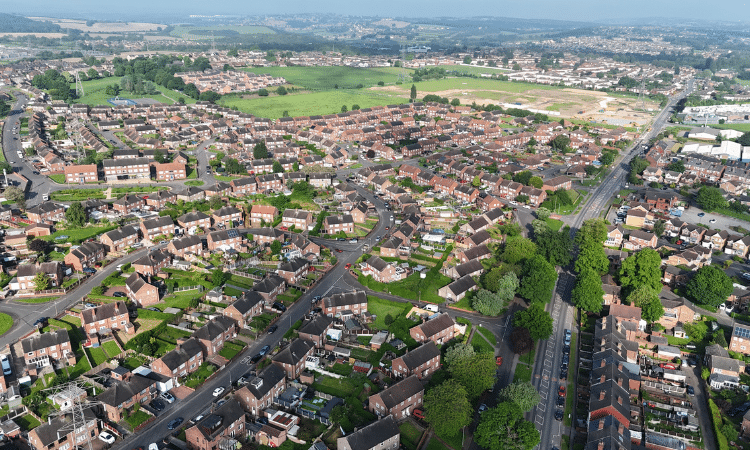
House Price Growth in Sheffield
S5 (Firth Park, Shiregreen) leads Sheffield on five-year growth at 35.3%, and it is one of six postcodes positive across all three timeframes, with S9, S12, S8, S35 and S6 the others. Nineteen of the 20 postcodes delivered positive five-year returns, but the recent picture is mixed, with several of the more expensive western postcodes giving back ground over the past year.
| Area | 1 Year | 3 Years | 5 Years |
|---|---|---|---|
| S5 (Firth Park, Shiregreen) | 5.4% | 8.5% | 35.3% |
| S9 (Attercliffe, Darnall) | 1.1% | 7.3% | 29.0% |
| S3 (Shalesmoor, Kelham Island) | -20.9% | -5.1% | 27.8% |
| S14 (Gleadless, Hackenthorpe) | -2.4% | 4.6% | 27.0% |
| S12 (Frecheville, Charnock) | 0.6% | 8.0% | 24.3% |
| S13 (Woodhouse, Handsworth) | -0.5% | 2.8% | 24.2% |
| S2 (Highfield, Norfolk Park) | -5.5% | 10.6% | 23.5% |
| S17 (Dore, Totley) | -2.4% | 6.9% | 22.9% |
| S8 (Woodseats, Norton) | 3.2% | 6.3% | 22.6% |
| S35 (Chapeltown, Ecclesfield) | 1.5% | 4.7% | 19.8% |
| S4 (Pitsmoor, Burngreave) | 3.4% | -4.5% | 19.3% |
| S6 (Hillsborough, Stannington) | 1.7% | 4.1% | 18.1% |
| S11 (Ecclesall, Greystones) | 4.9% | -4.2% | 12.5% |
| S10 (Broomhill, Fulwood) | -6.3% | -5.6% | 11.0% |
| S7 (Nether Edge, Sharrow) | -5.0% | 6.4% | 10.8% |
| S26 (Aston, Swallownest) | -4.7% | 5.1% | 10.5% |
| S20 (Mosborough, Halfway) | -4.9% | -4.5% | 10.0% |
| S36 (Stocksbridge, Oughtibridge) | -10.3% | 2.5% | 6.9% |
| S21 (Eckington, Killamarsh) | -3.3% | -1.8% | 3.8% |
| S1 (City Centre) | -22.4% | -11.9% | -6.7% |
S5 (Firth Park, Shiregreen) leads the five-year table at 35.3%, with 5.4% over one year and 8.5% over three. The affordable northern and eastern suburbs, S5 and S9, top the five-year column, and both sit in the cheaper third of the asking-price table.
S1 (City Centre) is the weakest, down 22.4% over the year and 6.7% over five years, the only postcode negative across the medium and long term. S3 also shows a sharp -20.9% one-year reading despite a positive 27.8% over five years, so both central flat postcodes have corrected hard recently; S3 still sits above where it was in 2021, S1 does not.
Monthly Property Sales in Sheffield
Transaction volumes vary widely across Sheffield, from 4 sales a month in S14 to 61 in S6, the busiest postcode in the city. Turnover is each month's sales measured against the homes currently for sale, not against every home in the postcode, and it ranges from 4% in S3 to 50% in the small S14 patch.
| Area | Sales Per Month | Turnover | Asking Price |
|---|---|---|---|
| S6 (Hillsborough, Stannington) | 61 | 27% | £214,968 |
| S8 (Woodseats, Norton) | 48 | 27% | £260,374 |
| S10 (Broomhill, Fulwood) | 39 | 21% | £340,031 |
| S35 (Chapeltown, Ecclesfield) | 34 | 23% | £274,730 |
| S11 (Ecclesall, Greystones) | 32 | 21% | £375,643 |
| S2 (Highfield, Norfolk Park) | 29 | 27% | £170,236 |
| S5 (Firth Park, Shiregreen) | 27 | 31% | £163,359 |
| S12 (Frecheville, Charnock) | 26 | 24% | £204,302 |
| S20 (Mosborough, Halfway) | 24 | 19% | £239,581 |
| S36 (Stocksbridge, Oughtibridge) | 24 | 13% | £311,727 |
| S13 (Woodhouse, Handsworth) | 20 | 19% | £203,602 |
| S26 (Aston, Swallownest) | 18 | 11% | £254,348 |
| S7 (Nether Edge, Sharrow) | 14 | 23% | £375,085 |
| S17 (Dore, Totley) | 13 | 18% | £475,071 |
| S21 (Eckington, Killamarsh) | 13 | 10% | £263,456 |
| S9 (Attercliffe, Darnall) | 11 | 22% | £160,500 |
| S3 (Shalesmoor, Kelham Island) | 8 | 4% | £117,544 |
| S1 (City Centre) | 7 | 5% | £133,160 |
| S4 (Pitsmoor, Burngreave) | 6 | 30% | £131,663 |
| S14 (Gleadless, Hackenthorpe) | 4 | 50% | £134,000 |
S6 (Hillsborough, Stannington) records the most sales at 61 a month, on a 27% turnover. It combines the city's highest monthly sales count with a housing mix led by detached and semi-detached homes, and its 27% turnover means monthly sales run at just over a quarter of the homes on the market.
The central S1 and S3 postcodes sit at the bottom for turnover, at 5% and 4%, so only a small share of the homes advertised for sale there sells in any month. The small S14 figure of 50% comes from just 4 sales a month against very few homes for sale, so it is a thin sample rather than a busy market. Where volumes are this low, the turnover percentage tells you little.
How Long Properties Take to Sell in Sheffield
Homes in S4 (Pitsmoor, Burngreave) take an estimated 53 days to sell, while in S1 (City Centre) the estimate is 761 days, the longest in the city by a wide margin. The days figure is worked out from the current pace of sales. It is not a measured time from listing to completion. Months of unsold stock uses the same pace, counting how many months the homes on the market would take to sell, from 1.8 in S4 to 25 in S1. Most of Sheffield is rated a seller's market on that measure, with the central flat postcodes the clear exception.
| Area | Avg Days to Sell | Months of Unsold Stock | Market |
|---|---|---|---|
| S4 (Pitsmoor, Burngreave) | 53 | 1.8 | Seller's market |
| S14 (Gleadless, Hackenthorpe) | 92 | 3.0 | Seller's market |
| S5 (Firth Park, Shiregreen) | 105 | 3.4 | Seller's market |
| S6 (Hillsborough, Stannington) | 105 | 3.4 | Seller's market |
| S7 (Nether Edge, Sharrow) | 113 | 3.7 | Seller's market |
| S8 (Woodseats, Norton) | 113 | 3.7 | Seller's market |
| S2 (Highfield, Norfolk Park) | 127 | 4.2 | Seller's market |
| S11 (Ecclesall, Greystones) | 127 | 4.2 | Seller's market |
| S35 (Chapeltown, Ecclesfield) | 132 | 4.3 | Seller's market |
| S12 (Frecheville, Charnock) | 145 | 4.8 | Seller's market |
| S13 (Woodhouse, Handsworth) | 145 | 4.8 | Seller's market |
| S9 (Attercliffe, Darnall) | 152 | 5.0 | Seller's market |
| S10 (Broomhill, Fulwood) | 152 | 5.0 | Seller's market |
| S17 (Dore, Totley) | 152 | 5.0 | Seller's market |
| S20 (Mosborough, Halfway) | 160 | 5.3 | Seller's market |
| S36 (Stocksbridge, Oughtibridge) | 203 | 6.7 | Balanced market |
| S26 (Aston, Swallownest) | 277 | 9.1 | Balanced market |
| S21 (Eckington, Killamarsh) | 304 | 10.0 | Balanced market |
| S3 (Shalesmoor, Kelham Island) | 608 | 20.0 | Buyer's market |
| S1 (City Centre) | 761 | 25.0 | Buyer's market |
S4 and S1 sit at opposite ends on unsold stock. S4 has just 1.8 months of homes for sale at the current pace of sales, so little supply sits ahead of a seller there, and its yield is not published. S1 has 25 months of stock and a 6.8% yield. At the current pace, its homes for sale would take two years to clear. S3, the cheapest postcode, and S1, the third cheapest, have the highest days-on-market figures, at 608 and 761, so the low purchase price comes with the most listings competing for each buyer.
What Type of Property Can You Buy in Sheffield?
The housing mix swings hard across Sheffield: flats make up 94.2% of stock in S1 and 78.6% in S3, while detached homes dominate the Peak-edge S17 at 62.1%. The shares quoted here and in the table are the housing-type breakdown a commercial property-data provider reports for each postcode, which it describes as Census-based. The Census release and the areas behind each figure are not specified in the data we hold, so read the percentages as the provider's reported figures rather than verified proportions of all the homes in the postcode.
| Area | Detached | Semi-detached | Terraced | Flats |
|---|---|---|---|---|
| S1 (City Centre) | 1.2% | 0.7% | 3.9% | 94.2% |
| S2 (Highfield, Norfolk Park) | 4.8% | 36.4% | 31.0% | 27.6% |
| S3 (Shalesmoor, Kelham Island) | 2.3% | 12.9% | 6.1% | 78.6% |
| S4 (Pitsmoor, Burngreave) | 10.8% | 33.2% | 23.5% | 32.3% |
| S5 (Firth Park, Shiregreen) | 8.6% | 50.1% | 29.8% | 11.4% |
| S6 (Hillsborough, Stannington) | 34.9% | 33.8% | 21.5% | 9.7% |
| S7 (Nether Edge, Sharrow) | 17.4% | 42.7% | 19.9% | 20.0% |
| S8 (Woodseats, Norton) | 22.7% | 37.8% | 21.3% | 18.2% |
| S9 (Attercliffe, Darnall) | 7.9% | 40.7% | 28.9% | 21.7% |
| S10 (Broomhill, Fulwood) | 28.7% | 29.1% | 16.4% | 25.7% |
| S11 (Ecclesall, Greystones) | 50.5% | 24.7% | 11.5% | 13.3% |
| S12 (Frecheville, Charnock) | 24.8% | 54.5% | 11.0% | 9.8% |
| S13 (Woodhouse, Handsworth) | 23.4% | 44.9% | 20.7% | 11.0% |
| S14 (Gleadless, Hackenthorpe) | 4.7% | 13.6% | 41.7% | 40.0% |
| S17 (Dore, Totley) | 62.1% | 19.5% | 9.9% | 8.4% |
| S20 (Mosborough, Halfway) | 44.5% | 31.6% | 16.6% | 7.4% |
| S21 (Eckington, Killamarsh) | 40.0% | 28.8% | 21.6% | 7.8% |
| S26 (Aston, Swallownest) | 48.7% | 36.7% | 12.1% | 2.2% |
| S35 (Chapeltown, Ecclesfield) | 42.5% | 30.1% | 20.4% | 6.9% |
| S36 (Stocksbridge, Oughtibridge) | 51.1% | 29.6% | 16.2% | 2.6% |
S1 (City Centre) and S3 (Shalesmoor, Kelham Island) are overwhelmingly flat postcodes, at 94.2% and 78.6%. That flat-heavy stock lines up with low asking prices. S3 is the cheapest postcode in the city, and S1 the third cheapest. The two also hold the largest private rented shares, at 76.8% of households in S1 and 56.0% in S3.
The Peak-edge and outer postcodes run the other way. Detached houses make up most of the homes in S17 (Dore, Totley) at 62.1%, S36 at 51.1% and S11 at 50.5%, and flats are 8.4%, 2.6% and 13.3% of their stock. Detached and semi-detached houses together account for more than three-quarters of stock in those postcodes, which matches their high asking prices and lower yields, and all three sit in the lower half of the city for private renting.
The flats figure covers both purpose-built blocks and conversions; a small share of mobile and temporary dwellings is not shown, so rows may not total 100%.
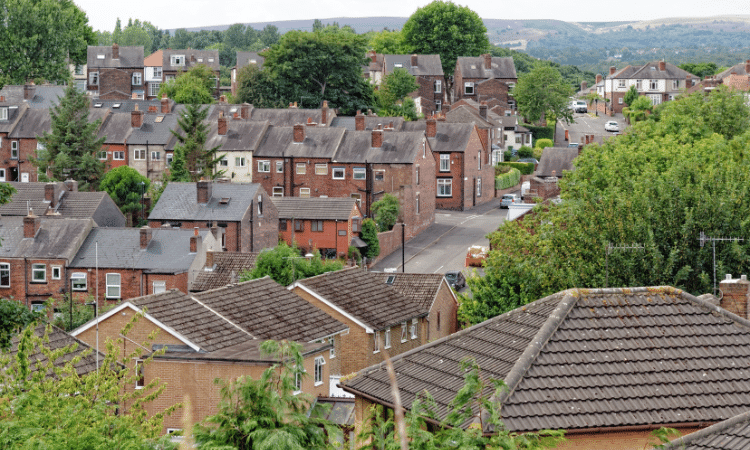
Sheffield Rental Market Analysis
Monthly rents in Sheffield run from £755 in S1 to £1,228 in S11, with gross rental yields from 2.6% to 8.5% across the 16 postcodes that carry rental data. For investors asking is buy to let worth it in Sheffield, the sections below break down rents, yields and tenant affordability postcode by postcode. If you are weighing how to build a property portfolio in Yorkshire, Sheffield pairs low asking prices with a 60,000-strong student population. Browse current buy-to-let investments for sale across the region.
Average Rent & Gross Rental Yields in Sheffield
Gross rental yields in Sheffield range from 2.6% in S17 to 8.5% in S3. The cheapest postcodes deliver the highest yields and the most expensive the lowest. S3 tops the table at 8.5% because its £117,544 asking price is the lowest in the city, even though its £833 monthly rent is the third-lowest of the 16 with data. The four postcodes with no published rent in this snapshot, S4, S14, S20 and S21, are shown without a rent or yield.
| Area | Average Monthly Rent | Asking Price | Gross Yield |
|---|---|---|---|
| S3 (Shalesmoor, Kelham Island) | £833 | £117,544 | 8.5% |
| S1 (City Centre) | £755 | £133,160 | 6.8% |
| S5 (Firth Park, Shiregreen) | £900 | £163,359 | 6.6% |
| S9 (Attercliffe, Darnall) | £870 | £160,500 | 6.5% |
| S2 (Highfield, Norfolk Park) | £818 | £170,236 | 5.8% |
| S12 (Frecheville, Charnock) | £956 | £204,302 | 5.6% |
| S13 (Woodhouse, Handsworth) | £900 | £203,602 | 5.3% |
| S6 (Hillsborough, Stannington) | £928 | £214,968 | 5.2% |
| S26 (Aston, Swallownest) | £970 | £254,348 | 4.6% |
| S8 (Woodseats, Norton) | £902 | £260,374 | 4.2% |
| S35 (Chapeltown, Ecclesfield) | £958 | £274,730 | 4.2% |
| S11 (Ecclesall, Greystones) | £1,228 | £375,643 | 3.9% |
| S10 (Broomhill, Fulwood) | £1,080 | £340,031 | 3.8% |
| S36 (Stocksbridge, Oughtibridge) | £909 | £311,727 | 3.5% |
| S7 (Nether Edge, Sharrow) | £904 | £375,085 | 2.9% |
| S17 (Dore, Totley) | £1,040 | £475,071 | 2.6% |
| S4 (Pitsmoor, Burngreave) | Not enough data | £131,663 | Not enough data |
| S14 (Gleadless, Hackenthorpe) | Not enough data | £134,000 | Not enough data |
| S20 (Mosborough, Halfway) | Not enough data | £239,581 | Not enough data |
| S21 (Eckington, Killamarsh) | Not enough data | £263,456 | Not enough data |
S3 at 8.5% pairs the lowest asking price in Sheffield, £117,544, with an £833 rent, the third-lowest of the 16 measured, to produce the city's top yield. A 30% deposit of £35,263 buys into the highest-yielding postcode, the smallest deposit of any postcode here. The trade-off is the selling time noted above: S3 carries 20 months of unsold stock, an estimated 608 days to sell.
S17 at 2.6% sits at the bottom of the yield table. Dore and Totley command a £1,040 monthly rent, but the £475,071 asking price means the income return is heavily compressed. The more expensive postcodes command higher rents, but those rents do not rise enough to offset their higher purchase prices.
Is Sheffield Rent High?
Monthly rents in Sheffield take between 23.9% and 38.9% of Sheffield's median gross monthly salary. The widely cited threshold for rent affordability is 30% of gross income. Ten of the 16 postcodes with rental data sit below that line. The salary is the borough's, so for S21, S26, S35 and S36, which sit partly or wholly in neighbouring councils, it is a benchmark rather than a wage measured for those addresses.
The median gross weekly salary in Sheffield is £733.00, and the median annual salary is £37,885, about £3,157 a month. This is above the Yorkshire and The Humber regional median of £711.60 per week but below the Great Britain median of £766.60 per week. Data from the Nomis Labour Market Profile (ASHE 2025).
| Rank | Area | Rent as % of Income |
|---|---|---|
| 1 | S11 (Ecclesall, Greystones) | 38.9% |
| 2 | S10 (Broomhill, Fulwood) | 34.2% |
| 3 | S17 (Dore, Totley) | 32.9% |
| 4 | S26 (Aston, Swallownest) | 30.7% |
| 5 | S12 (Frecheville, Charnock) | 30.3% |
| 6 | S35 (Chapeltown, Ecclesfield) | 30.3% |
| 7 | S6 (Hillsborough, Stannington) | 29.4% |
| 8 | S36 (Stocksbridge, Oughtibridge) | 28.8% |
| 9 | S7 (Nether Edge, Sharrow) | 28.6% |
| 10 | S8 (Woodseats, Norton) | 28.6% |
| 11 | S5 (Firth Park, Shiregreen) | 28.5% |
| 12 | S13 (Woodhouse, Handsworth) | 28.5% |
| 13 | S9 (Attercliffe, Darnall) | 27.6% |
| 14 | S3 (Shalesmoor, Kelham Island) | 26.4% |
| 15 | S2 (Highfield, Norfolk Park) | 25.9% |
| 16 | S1 (City Centre) | 23.9% |
| - | S4 (Pitsmoor, Burngreave) | Not enough data |
| - | S14 (Gleadless, Hackenthorpe) | Not enough data |
| - | S20 (Mosborough, Halfway) | Not enough data |
| - | S21 (Eckington, Killamarsh) | Not enough data |
S1 at 23.9% is the most affordable for tenants. A £755 monthly rent against a £3,157 monthly salary leaves real headroom. The cheaper central and northern postcodes, S1, S2 and S3, all sit comfortably inside the 30% mark.
S11 at 38.9% is the least affordable. Ecclesall and Greystones command the highest rents in the city at £1,228 a month, and the ratio compares that whole-home rent with one median salary, so it says nothing about how many people share or what they earn.
How Big Is Sheffield's Private Rented Sector?
The private rented sector runs deepest in the central postcodes, at 76.8% of households in S1 and 56.0% in S3, and thinnest in the Peak-edge S17 at 9.2%. In both central postcodes most households already rent privately. The table below shows household tenure by postcode.
| Area | Owned Outright | Owned with Mortgage | Private Rented | Social Rented |
|---|---|---|---|---|
| S1 (City Centre) | 6.6% | 5.3% | 76.8% | 11.0% |
| S3 (Shalesmoor, Kelham Island) | 8.4% | 8.4% | 56.0% | 26.2% |
| S4 (Pitsmoor, Burngreave) | 21.1% | 14.5% | 30.6% | 33.1% |
| S2 (Highfield, Norfolk Park) | 15.0% | 18.9% | 22.4% | 42.6% |
| S9 (Attercliffe, Darnall) | 24.4% | 17.9% | 22.3% | 34.9% |
| S10 (Broomhill, Fulwood) | 41.2% | 28.9% | 21.6% | 8.0% |
| S7 (Nether Edge, Sharrow) | 39.1% | 37.8% | 19.6% | 3.2% |
| S35 (Chapeltown, Ecclesfield) | 42.2% | 29.8% | 18.5% | 9.2% |
| S21 (Eckington, Killamarsh) | 34.2% | 37.3% | 15.0% | 11.8% |
| S6 (Hillsborough, Stannington) | 42.2% | 35.1% | 13.6% | 8.7% |
| S8 (Woodseats, Norton) | 40.2% | 32.2% | 13.5% | 13.8% |
| S5 (Firth Park, Shiregreen) | 24.0% | 23.6% | 13.0% | 39.0% |
| S11 (Ecclesall, Greystones) | 49.4% | 34.1% | 12.9% | 3.0% |
| S26 (Aston, Swallownest) | 47.6% | 32.8% | 12.2% | 7.3% |
| S36 (Stocksbridge, Oughtibridge) | 47.5% | 35.1% | 11.5% | 5.9% |
| S14 (Gleadless, Hackenthorpe) | 16.4% | 15.7% | 11.2% | 56.4% |
| S13 (Woodhouse, Handsworth) | 34.0% | 39.3% | 10.9% | 15.2% |
| S20 (Mosborough, Halfway) | 38.4% | 37.4% | 10.5% | 13.3% |
| S12 (Frecheville, Charnock) | 38.0% | 31.2% | 10.2% | 19.6% |
| S17 (Dore, Totley) | 49.9% | 36.9% | 9.2% | 3.2% |
S1 and S3 have by far the largest private rented sectors, at 76.8% and 56.0% of households. That share shows how much of each postcode already rents, a different signal from yield. These central postcodes also carry the city's two highest yields. S4, S2 and S5 carry large social-rented sectors, so a big share of the rented homes there are social rather than private lets.
Where there are enough listings to measure, comparing the homes advertised to let with the number being let shows how much rental stock sits against current letting activity. In S6, around 60 homes were advertised to let, about 40 days' worth of lettings at the current pace, the least in the city and a landlord's market on that measure. S10 was similar at roughly 67 days' worth. S1, S2 and S3 carried more listings, between 107 and 117 days' worth, so the central postcodes hold more rental stock against their lettings. These are stock-against-pace ratios, not the time any one home took to let.
Local Housing Allowance Rates in Sheffield
Most of Sheffield falls within the Sheffield Broad Rental Market Area, where Local Housing Allowance runs from £80.55 a week for a shared room to £218.63 a week for a four-bedroom home. The one exception is S36, which sits in the lower-rated Barnsley area. Local Housing Allowance is the ceiling on the benefit contribution towards rent, so where the rent runs higher, the tenant covers the shortfall from other income. The rates below apply to the postcodes inside the Sheffield area; S36 uses the Barnsley rates given further down. To check the current rate for a specific address, you can use the government's official Local Housing Allowance calculator.
| Property Size | Weekly LHA Rate | Monthly Equivalent |
|---|---|---|
| Shared accommodation | £80.55 | £349 |
| 1 bedroom | £132.33 | £573 |
| 2 bedrooms | £142.68 | £618 |
| 3 bedrooms | £156.49 | £678 |
| 4 bedrooms | £218.63 | £947 |
The two-bedroom Sheffield rate of £142.68 a week works out at about £618 a month. The £755 to £1,228 rents elsewhere on this page cover homes of all sizes, so they cannot be compared directly with a two-bedroom allowance, which caps the housing benefit contribution and leaves the tenant to cover any shortfall. S36 (Stocksbridge, Oughtibridge) is the one postcode outside the Sheffield area, falling in the Barnsley Broad Rental Market Area where the rates are lower, at £72.80 a week for a shared room and £103.56 for a two-bedroom home.
Buy-to-Let Considerations
Are Sheffield House Prices High? Price-to-Earnings Ratios
Buying in Sheffield costs between 3.1 and 12.5 times the median annual salary, depending on the postcode. This is based on the Nomis Labour Market Profile for Sheffield showing the median gross annual income for Sheffield residents is £37,885.
The national benchmark for price-to-earnings is 7.4x (England's average sold price of £289,946 divided by the Great Britain median annual salary of £39,125). Fifteen of Sheffield's 20 postcodes sit below that national benchmark, on Sheffield's median salary.
| Rank | Area | Price-to-Earnings Ratio |
|---|---|---|
| 1 | S3 (Shalesmoor, Kelham Island) | 3.1x |
| 2 | S1 (City Centre) | 3.5x |
| 3 | S4 (Pitsmoor, Burngreave) | 3.5x |
| 4 | S14 (Gleadless, Hackenthorpe) | 3.5x |
| 5 | S9 (Attercliffe, Darnall) | 4.2x |
| 6 | S5 (Firth Park, Shiregreen) | 4.3x |
| 7 | S2 (Highfield, Norfolk Park) | 4.5x |
| 8 | S13 (Woodhouse, Handsworth) | 5.4x |
| 9 | S12 (Frecheville, Charnock) | 5.4x |
| 10 | S6 (Hillsborough, Stannington) | 5.7x |
| 11 | S20 (Mosborough, Halfway) | 6.3x |
| 12 | S26 (Aston, Swallownest) | 6.7x |
| 13 | S8 (Woodseats, Norton) | 6.9x |
| 14 | S21 (Eckington, Killamarsh) | 7.0x |
| 15 | S35 (Chapeltown, Ecclesfield) | 7.3x |
| 16 | S36 (Stocksbridge, Oughtibridge) | 8.2x |
| 17 | S10 (Broomhill, Fulwood) | 9.0x |
| 18 | S7 (Nether Edge, Sharrow) | 9.9x |
| 19 | S11 (Ecclesall, Greystones) | 9.9x |
| 20 | S17 (Dore, Totley) | 12.5x |
S3 at 3.1x is the most affordable entry in Sheffield, less than half the national benchmark of 7.4x. That ratio sets S3's postcode average, which covers every property type, against the city's median wage. The four cheapest postcodes all sit at or below 3.5 times income.
S17 at 12.5x sits well above the national benchmark. At more than twelve times Sheffield's median salary, Dore and Totley are the premium end of the city. A high price against the rent compresses the yield, and the Peak-edge postcodes sit at the bottom of the yield table.
Deposit Requirements in Sheffield
A 30% deposit on a Sheffield buy-to-let runs from £35,263 in S3 to £142,521 in S17. The gap between the cheapest and most expensive deposit is £107,258, more than enough to fund three separate entries in S3.
Beyond the deposit, the stamp duty calculation and other buy-to-let running costs affect the total capital required.
| Rank | Area | 30% Deposit Required |
|---|---|---|
| 1 | S3 (Shalesmoor, Kelham Island) | £35,263 |
| 2 | S4 (Pitsmoor, Burngreave) | £39,499 |
| 3 | S1 (City Centre) | £39,948 |
| 4 | S14 (Gleadless, Hackenthorpe) | £40,200 |
| 5 | S9 (Attercliffe, Darnall) | £48,150 |
| 6 | S5 (Firth Park, Shiregreen) | £49,008 |
| 7 | S2 (Highfield, Norfolk Park) | £51,071 |
| 8 | S13 (Woodhouse, Handsworth) | £61,081 |
| 9 | S12 (Frecheville, Charnock) | £61,291 |
| 10 | S6 (Hillsborough, Stannington) | £64,490 |
| 11 | S20 (Mosborough, Halfway) | £71,874 |
| 12 | S26 (Aston, Swallownest) | £76,304 |
| 13 | S8 (Woodseats, Norton) | £78,112 |
| 14 | S21 (Eckington, Killamarsh) | £79,037 |
| 15 | S35 (Chapeltown, Ecclesfield) | £82,419 |
| 16 | S36 (Stocksbridge, Oughtibridge) | £93,518 |
| 17 | S10 (Broomhill, Fulwood) | £102,009 |
| 18 | S7 (Nether Edge, Sharrow) | £112,526 |
| 19 | S11 (Ecclesall, Greystones) | £112,693 |
| 20 | S17 (Dore, Totley) | £142,521 |
S3 is the cheapest way into Sheffield, at a £35,263 deposit for the city's highest-yielding postcode. The four lowest deposits, S3, S4, S1 and S14, all sit under £41,000. The trade-off in the very cheapest central postcodes is the unsold stock, 20 to 25 months' worth in S3 and S1, so the low deposit comes paired with the most listings competing for each buyer.
Around £64,490 in S6 (Hillsborough, Stannington) buys into the busiest market in the city, where 61 homes change hands a month on a 5.2% yield and 18.1% growth over five years. The premium end, S17 at £142,521, is four times the cheapest deposit and buys into a postcode that is 62.1% detached.

What the Sheffield Data Tells Buy-to-Let Investors
In Sheffield the cheapest way in is also the highest-yielding postcode. S3 has the top yield at 8.5%, the lowest asking price for buying an investment property in Sheffield at £117,544, and the most affordable prices against local earnings at 3.1 times income. A 30% deposit there is £35,263, the lowest in the city, for a home renting at £833 a month. The catch is the unsold stock: central S3 and S1 carry 20 and 25 months' worth against their sales, the most in the city, so the cheap entry sits in the most heavily stocked market.
S5 (Firth Park, Shiregreen) is one of six postcodes that grew in every period we looked at, up 5.4% over a year, 8.5% over three years and 35.3% over five, the strongest five-year return in the city. It pairs that with a 6.6% yield, the third-highest of the sixteen measured behind S3's 8.5% and S1's 6.8%, and a £49,008 deposit.
The premium western and Peak-edge postcodes sit at the bottom of the yield table. S17 and S7 yield the least, at 2.6% and 2.9%. S36 (Stocksbridge), S10 and S11 sit a little higher, all under 4%. S17 also has the city's highest price-to-earnings ratio, at 12.5 times, while S11 and S10 carry the two highest rents. The premium price there does far more for the rent figure than for the return. Homes sold before they reach the portals are covered in our guide to off-market property.
Sheffield has no city-wide selective licensing scheme covering all private landlords, though the council operates targeted schemes in specific areas, set out on Sheffield City Council's property licensing pages, and those pages show which streets are covered. Sheffield's 20 postcodes run from a £117,544 asking price in S3 to £475,071 in S17, with sub-£41,000 deposits in the centre and the highest five-year growth in the northern suburbs.
How Sheffield Compares
Sheffield's mean asking price of £240,169 sits in the middle of five Yorkshire and regional locations compared here, while its top yield of 8.5% is third in the group, behind Hull and Leeds. The comparison below places Sheffield alongside four nearby locations, each with a different investor profile. The mean asking price and mean monthly rent are simple averages across all postcodes with data. Top gross yield is the single highest postcode yield in each location.
| Location | Mean Asking Price | Mean Monthly Rent | Mean Gross Yield | Top Yield (postcode) |
|---|---|---|---|---|
| Hull | £175,684 | £742 | 5.1% | 9.7% (HU2) |
| Doncaster | £219,679 | £831 | 4.5% | 5.9% (DN12) |
| Sheffield | £240,169 | £935 | 4.7% | 8.5% (S3) |
| Wakefield | £255,177 | £865 | 4.1% | 4.8% (WF10) |
| Leeds | £291,071 | £1,147 | 4.7% | 8.9% (LS2) |
Sheffield sits third of five on price at £240,169, cheaper than Wakefield and Leeds but above Doncaster and Hull. Its top yield of 8.5% is the third-highest in the group, behind Hull's 9.7% and Leeds at 8.9%, so Sheffield pairs a mid-table price with a near-top yield, a combination the more expensive Wakefield at 4.8% does not match.
Hull at 9.7% on a £175,684 mean asking price is the cheapest entry in the table and has its highest top yield. Doncaster sits below Sheffield on both price and top yield. Leeds is the most expensive in the table and carries the highest mean rent at £1,147. Sheffield's 20 postcodes span a £117,544 asking price in S3 to £475,071 in S17. For a data-driven comparison across the country, see our guide to the highest-yielding areas.
Frequently Asked Questions
Is Sheffield a good place to live for buy-to-let tenants?
On the numbers, yes. Ten of the 16 postcodes with rental data have rents below 30% of Sheffield's median wage, the average sold price of £222,130 sits about 23.4% below the England average, and unemployment is 3.1%, below the national 4.3%.
Two universities hold more than 60,000 students, and private renting accounts for 76.8% of households in S1 and 56.0% in S3.
What are the best areas in Sheffield for property investment?
The top yields and the strongest growth sit in different postcodes. On yield, the central and northern postcodes lead: S3 (Shalesmoor, Kelham Island) is the cheapest way in at £117,544 and carries the top yield at 8.5%, with S1 at 6.8%, S5 at 6.6% and S9 at 6.5%. For growth that has actually shown up, S5 (Firth Park, Shiregreen) leads at 35.3% over five years, one of six postcodes positive over one, three and five years.
At the premium end, the western and Peak-edge postcodes sit at the bottom of the yield table. Yields there run from 2.6% in S17 up to 3.9% in S11. S11 and S10 carry the two highest rents. The cheaper central postcodes lead on yield and deposit; S5 pairs the top five-year growth with a 6.6% yield.
How does Sheffield compare to Leeds for buy-to-let?
Sheffield is the cheaper of the two: a mean asking price of £240,169 against Leeds at £291,071, roughly 17% cheaper, with a top yield of 8.5% just under Leeds at 8.9%.
Leeds carries the higher mean rent at £1,147 against Sheffield's £935 and the higher mean asking price.
Is there demand for student accommodation in Sheffield?
Sheffield has a large student population, with more than 60,000 students between the University of Sheffield and Sheffield Hallam. Private renting accounts for 76.8% of households in S1, though the figures do not show where those students rent or how well student lets perform. For the purpose-built end of the market, see our guide to student property investment.
On the shared-house side, a sample of current room adverts puts a double room with a shared bathroom at around £113 a week in S2 and £121 in S3. For how the numbers work on a shared house, see our guide to HMO property.
Can I find buy-to-let property under £150,000 in Sheffield?
Yes. Four postcodes average below £135,000: S3 (Shalesmoor, Kelham Island) at £117,544, S4 (Pitsmoor, Burngreave) at £131,663, S1 (City Centre) at £133,160 and S14 (Gleadless, Hackenthorpe) at £134,000. The central postcodes are dominated by flats, while S14 leans more towards terraced and semi-detached stock, so the under-£150,000 options come in different shapes. For below-asking deals across the city, explore below market value properties.
Which Sheffield postcodes have the highest house price growth?
Over five years, the affordable northern and eastern postcodes have grown fastest. S5 (Firth Park, Shiregreen) leads at 35.3%, followed by S9 (Attercliffe, Darnall) at 29.0%, S3 at 27.8% and S14 at 27.0%. All four sit in the cheaper third of the asking-price table.
The recent picture is more mixed. The central flat postcodes S1 and S3 have corrected sharply over the past year, down 22.4% and 20.9%, even though S3 remains well up over five years. Several premium western postcodes have also eased over twelve months, so the one-year picture is mixed: S5 at 5.4% and S11 at 4.9% lead, while the city centre and several premium western postcodes fell.
What are average house prices in Sheffield?
The average sold price across Sheffield is £222,130 on the Land Registry index, about 23.4% below the England average of £289,946 as of March 2026. Asking prices by postcode run from £117,544 in S3 (Shalesmoor, Kelham Island) up to £475,071 in S17 (Dore, Totley), with a city-wide mean of £240,169. By type, detached homes average £387,896, semi-detached £242,225, terraced £201,079 and flats £135,363.
Through a buy-to-let lens, S3 is the cheapest entry and the highest-yielding at 8.5%, while S17 is the dearest and lowest-yielding at 2.6%.
What are the Local Housing Allowance rates in Sheffield?
Most of Sheffield sits in the Sheffield Broad Rental Market Area, so those postcodes share one set of rates. As of June 2026, Local Housing Allowance runs at £80.55 a week for a shared room, £132.33 for a one-bed, £142.68 for two beds, £156.49 for three and £218.63 for four. That figure is the most a tenant on housing support can claim towards rent, so it describes the benefit's share of the rent, and tenants meet any gap above it themselves. The exception is S36 (Stocksbridge, Oughtibridge), which falls in the lower-rated Barnsley area at £72.80 for a shared room and £103.56 for two beds.
What type of property is most common in Sheffield?
Flats are the most common type in central Sheffield, at 94.2% of stock in S1 (City Centre) and 78.6% in S3 (Shalesmoor, Kelham Island). Move out to the suburbs and houses take over, with semi-detached the most common type in postcodes like S5, S12 and S13. On the Peak District edge, S17 (Dore, Totley) is 62.1% detached.
How do I buy an investment property in Sheffield?
The yield and growth tables point at different postcodes: S3 carries the top yield at 8.5% on the lowest asking price, while S5 pairs a 6.6% yield with the strongest five-year growth. A 30% deposit runs from £35,263 in S3 up to £142,521 in S17.
Beyond what is listed openly, off market properties and BMV property are covered in their own guides. To see what is available now, browse investment properties or buy-to-let homes for sale.
Ready to buy property?
Browse investment properties with prices and gross yields shown for each opportunity.
See the latest deals