
The Baltic Triangle, Liverpool: An Area Guide for Property Investors and Landlords
The Baltic Triangle used to be an inner-city area of workshops and warehouses. Today its independent bars, restaurants and event spaces sit alongside a growing creative and digital hub, and it has become a sought-after place for city living.
Article updated: August 2026
The Baltic Triangle: What And Where?
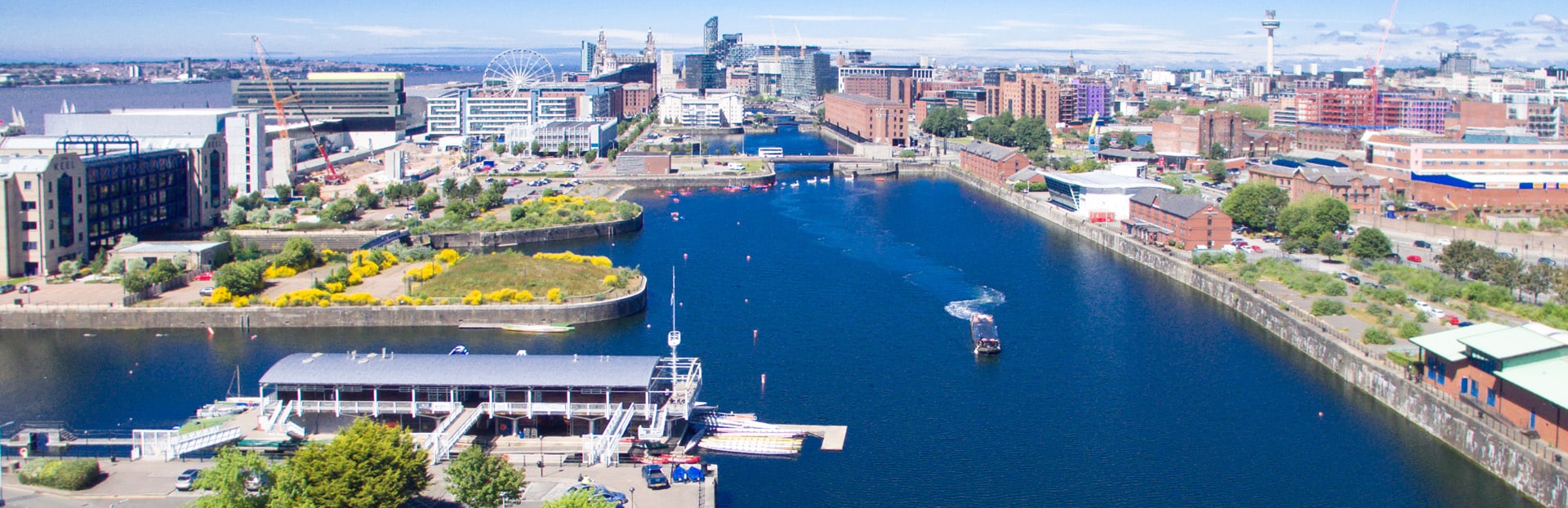
The Baltic Triangle, or just the Baltic to Liverpudlians, sits just south of Liverpool city centre, in the area formed by Liver Street, Park Lane, Parliament Street and Chaloner Street/Wapping. There's no hard-and-fast boundary, but that triangle of streets is the area people generally mean.
From there, Liverpool city centre is a 12-minute walk or 3 minutes by bus.
Bit of an odd name isn't it, for somewhere that's not near the Baltic Sea? There are a few different theories but not much information for how the name came to be. A likely suggestion is that, in Liverpool's days as the world's biggest port, the area was used to store timber imported from the Baltic countries of Norway and Sweden.
There's also a famous Scandinavian Seamen's Church here, also known as Gustav Adolf Church which was built in 1883 for the Baltic sailors who visited Liverpool.
The Baltic Triangle has changed from a warehouse district into a mixed neighbourhood for creative businesses, homes and leisure. Liverpool City Council's Baltic Triangle Supplementary Planning Document provides the current framework used alongside the Local Plan to guide development in the area.
Amenities
The Baltic Triangle is the place to see and be seen in Liverpool and in-fact throughout Merseyside for fashionable, enterprising young (and even not so young) people. It's packed with independent shops, restaurants, bars, coffee shops, craft beer specialists and event spaces hosting a range of cultural events.
A Few Highlights
Four venues show the area's mix of bars, food and events:
- The Camp & Furnace bar. A restaurant, bar, indoor festival site, music venue, pop-up event space, conference location cum cultural hub. It claims to be the origin of the Bongo's Bingo craze!
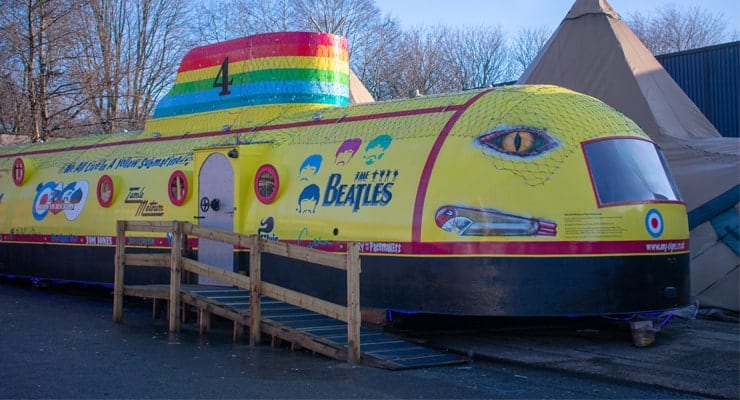
- The Cains Brewery Village, named after the old brewery of the same name. Cains is home to independent traders and eateries and offers flexible and co-working space for small businesses. It's home to Baltic Market, Liverpool's first street food market. In a tribute to Liverpool's most famous band, The Beatles, you can even have food and drink in a bar inside a yellow submarine here!
- The Constellations bar. An event space, garden, eatery and a great place for a drink. It hosts renowned late-night parties, art exhibitions, music events, and conferences.
- The Baltic Social, whose catchphrase is 'quality food, boss music and belter drinks' is a renowned bar for its unique punk afternoon tea.
Another great thing about the Baltic Triangle is that it's still close to all the amenities of Liverpool city centre. Liverpool ONE, for example, is a recent development that offers all the big chain stores and there's even a John Lewis store close to the northern end of the Baltic.
For more information see, Liverpool ONE.
Baltic Triangle also benefits from being close to Liverpool Waterfront, a popular tourist attraction which has around 6.3 million tourist visits a year. The Royal Albert Dock and Museum of Liverpool are attractions here. The M&S Bank Arena, an 11,000 capacity arena for music and sporting events, is also a short walk.
As befits a trendy, hipster area the Baltic Triangle is home to a number of festivals which are helping to put it on the map internationally. These include Liverpool Sound City which showcases new music and the Threshold Festival, a festival for grassroots music and art.
Business And Employment In The Baltic Triangle
The Baltic Triangle is home to a cluster of creative and digital businesses, drawn to the area by its pool of young talent. For example, well-known games developer Elevator Studios is a creative hub providing workspace for artists, musicians and other companies. It's used by several well-known names in the music industry including The Zutons and The Wombats.
The area remains popular with small creative and digital businesses. Baltic Creative CIC says its current portfolio is home to more than 100 creative and digital businesses across 120,000 sq ft of workspace.
The Property Scene
Go back a decade or so and Baltic Triangle was a run-down area, with very little accommodation and very few people choosing to live there. Residential development has since become a much more visible part of the neighbourhood alongside its creative, cultural and leisure uses.
For landlords weighing the area up, our buy to let property for sale page shows what's currently on the market.
The Times has even called it "one of the coolest places to live in Britain" in its coolest places round-up.
This level of interest means it's not the most affordable place to buy an apartment.
If a discount matters more to you than a fashionable postcode, our below market value properties page covers the wider market.
Although there isn't a university campus here, the Baltic Triangle is a hub for student life. Many of the local businesses hold special student events and offer student discounts. That means it is also popular for student accommodation with students at one of Liverpool's universities, including Liverpool John Moores University (LJMU) and the University of Liverpool whose main campus is ten minutes away.
For landlords on the student side of the market, our student lets for sale page shows the current options.
Property Prices, Rents And Yields
For Liverpool as a whole, the Office for National Statistics reported a provisional average house price of £185,000 in June 2026 and an average monthly private rent of £909 in July 2026. They are citywide averages, not Baltic Triangle prices or rents. Liverpool is also in our comparison of the best rental yields across the UK, where yields are measured by postcode district rather than by neighbourhood.
And if the Baltic has put Liverpool on your radar more generally, our investment property page lists the current opportunities.
The Future of the Baltic Triangle
Liverpool City Council's Baltic Triangle planning framework now guides future development rather than remaining a proposed masterplan. It forms the planning context for changes to buildings, streets and public spaces across the area.
The former St James station site is now the approved location for Liverpool Baltic station. The Liverpool City Region Combined Authority said planning permission was granted in April 2025.
The Baltic Triangle continues to combine workspaces, homes, cultural venues and nightlife. Its future development is governed by the council's planning framework, while the station project is intended to improve public transport access to the neighbourhood.
Ready to buy property?
Browse investment properties with prices and gross yields shown for each opportunity.
See the latest deals