
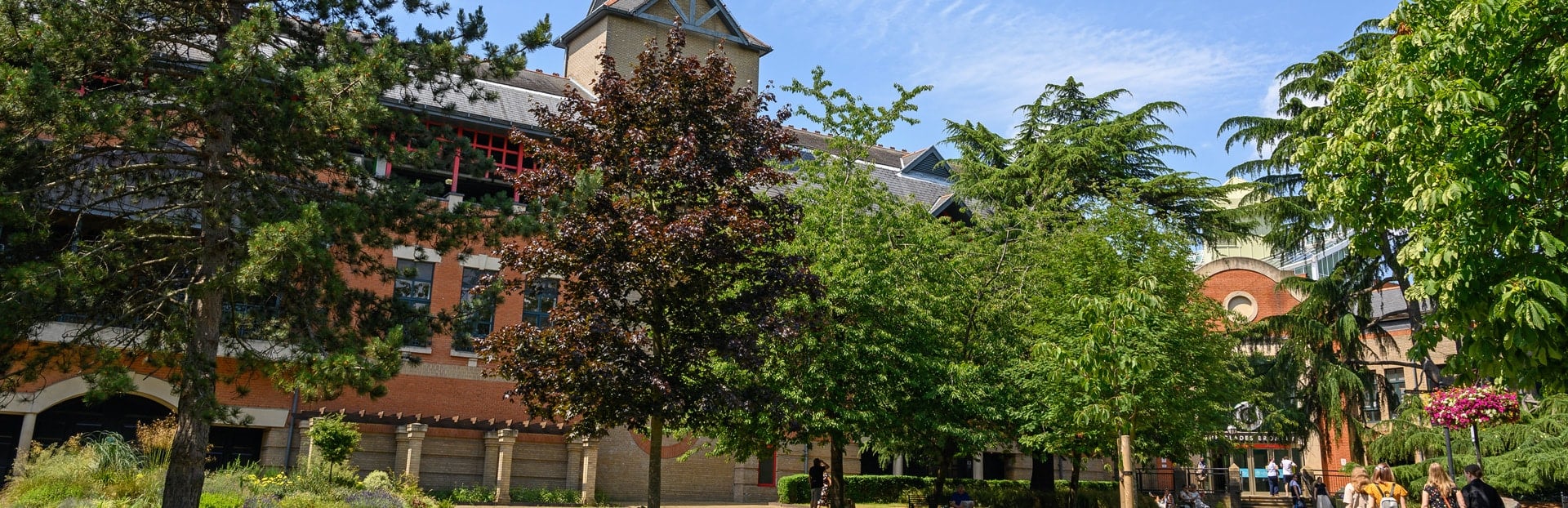
Bromley is a borough of south-east London, the largest by area of any London borough. The average sold price across the London Borough of Bromley is £518,311 on the HM Land Registry House Price Index, 78.8% above England's £289,946 but 4.4% below the London average of £542,065. That is the line Bromley sits on: a London price tag, yet priced under the capital as a whole. The borough trades the inner-London premium for space, and the spread that comes with it runs from £375,248 in SE20 (Penge, Anerley) up to £788,699 in BR7 (Chislehurst). Bromley's population grew 6.66% between the 2011 and 2021 censuses, from 309,392 to 329,992 residents.
What that average hides is how wide the borough is. Bromley is the largest London borough by area, 57.97 square miles, so a single guide covers Victorian terraces in Penge, family semis in Petts Wood and detached houses on green-belt plots out towards the Kent border. For an investor that produces distinct entry tiers inside one local authority: the higher yields sit with the cheaper north-western postcodes, the higher prices with the leafy south and east, and the two only narrowly overlap.
This guide covers the London Borough of Bromley (ONS code E09000006) across the postcodes BR1 to BR8, DA14, SE9, SE19, SE20, SE26, TN14 and TN16. Bromley is a south-east London borough bordering Croydon, Lewisham, Greenwich and Bexley. Several postcodes are shared with neighbouring boroughs and counties: DA14 crosses into Bexley, SE9 into Greenwich, SE19/SE20/SE26 reach into Croydon, Lewisham and Lambeth, and BR8, TN14 and TN16 extend into Kent. All area-level figures here are for the Bromley local authority area; the postcode tables are postcode-specific.
Article updated: July 2026
Why Invest in Bromley?
Bromley's median gross weekly earnings are £964.50, above both the London regional median of £902.70 and the Great Britain median of £766.60. The median annual salary is £51,225. Earnings above the regional median matter for buy-to-let because they set what local tenants can comfortably pay, and a higher wage base supports rents across the borough rather than just at the top end. The employment rate is 82.0%, comfortably above the Great Britain figure.
The economy here is a commuter economy. Bromley has no London Underground stations; it leans on around 26 National Rail stations, mostly Southeastern services, with Tramlink in the west and London Overground reaching the north-western fringe. Bromley South runs express trains to London Victoria in about 16 minutes, which is the reason a Chislehurst or Petts Wood family will pay a premium to live this far out. The Princess Royal University Hospital at Farnborough, run by King's College Hospital NHS Foundation Trust, is the borough's main hospital and a large local employer, and London South East Colleges anchors further education across Bromley and Orpington.
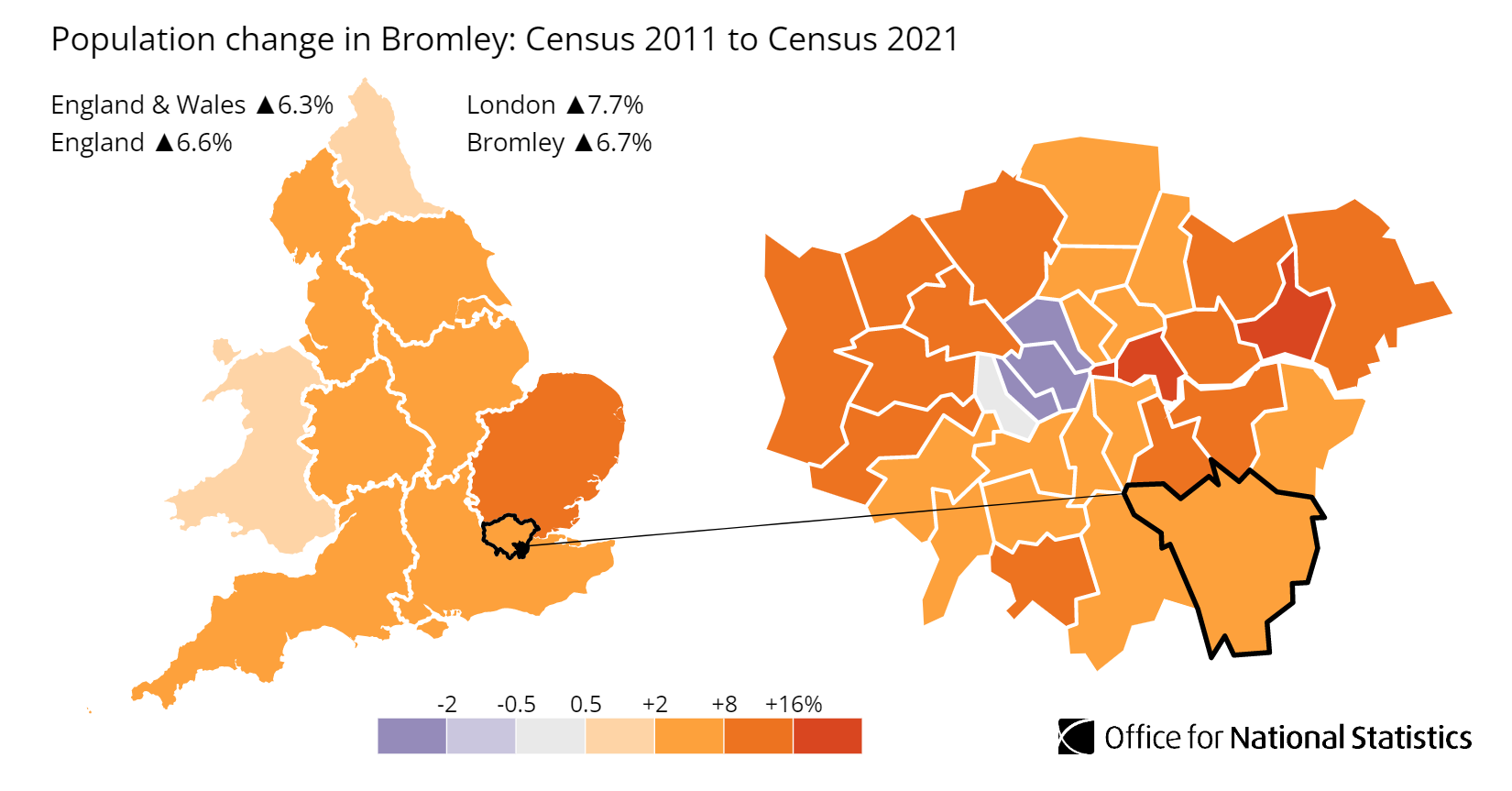
Population growth of 6.66% over the decade to 2021 is close to the England and Wales average of 6.3%, the profile of a settled outer borough adding residents steadily rather than a city centre churning through them. Combined with the wide property mix across 57.97 square miles, that gives a landlord a deep, stable tenant base to let into, from young professionals around Penge and Beckenham to families further south.
Bromley Economic Summary
- Population: 329,992 (2021 Census). Growth of 6.66% from 2011.
- Median annual salary: £51,225 (local), £46,415 (London), £39,125 (Great Britain)
- Employment rate: 82.0% (local)
- Key transport: ~26 National Rail stations (mainly Southeastern), Tramlink, London Overground. No Underground stations.
Source: ONS Census 2021, Nomis Labour Market Profile (ASHE 2025)
Regeneration and Investment in Bromley
Three approved schemes are adding nearly 500 new homes around Bromley town centre and reshaping Crystal Palace Park, all clustered along the borough's transport spine near Bromley South.
- Crystal Palace Park Regeneration (Underway, £26.8m): A £5 million National Lottery Heritage Fund grant, plus £21.8 million from the sale of adjacent land for affordable housing, is funding the restoration of the park's 30 Grade I-listed dinosaur sculptures, the Italian Terraces, new visitor facilities, improved access routes and ecological works. Major works got underway in May 2025, with completion expected in Autumn 2026. Updates at Bromley Council.
- Waitrose Site, Masons Hill (Approved, 353 homes): A residential redevelopment adjacent to Bromley South station delivering 353 new homes for rent, including 30 affordable units, alongside a refurbished and extended Waitrose store. The scheme was approved on 25 July 2024, with a 45-month construction programme beginning in 2025. Updates at Bromley Council.
- One Westmoreland Road (Approved, 138 homes): A mixed-use development of between 3 and 19 storeys near Bromley South, delivering 107 build-to-rent homes (11 of them affordable), 31 later-living apartments, office space and a new café. Planning permission was granted on 2 September 2025. Updates at Bromley Council.
Source: Office for National Statistics - Population for Bromley
Bromley Property Market Analysis
Average property prices in the London Borough of Bromley have risen 523.9% since January 1995, from £83,082 to £518,311. The sections below trace that journey cycle by cycle, then drill into current postcode-level data for sold prices, price per square foot, asking prices, growth trends and monthly transaction volumes.
When was the last house price crash in Bromley?
Bromley's prices are recorded at borough level by HM Land Registry, covering the whole London Borough of Bromley. The index runs from January 1995 to the latest reading in March 2026, just over 31 years of market cycles.
The 1995 to 2007 boom: Bromley started at £83,082 in January 1995. By December 2000 the average had reached £155,673, nearly doubling in six years as a London-wide boom took hold. Growth ran on through the early 2000s to £241,627 by December 2005, and the market peaked at £298,898 in December 2007.
2008 to 2009, the financial crisis: Prices fell from the December 2007 peak of £298,898 to a trough of £245,544 in April 2009, a decline of 17.9% over 16 months. The worst year-on-year reading was -15.0% in April 2009. That fall was close to London's own 17.8% peak-to-trough and a touch shallower than England's 18.2%, with the correction hitting every property type within a point or two of each other.
Recovery, 2010 to 2013: Bromley climbed off the trough faster than many markets further from the capital. By December 2010 the average had recovered to £279,600. It first cleared its December 2007 peak in June 2013 at £299,324, a recovery of around five and a half years, quicker than the England average because London-side demand returned earlier.
The 2014 to 2016 surge: Once the pre-crash peak was behind it, Bromley ran hard. Prices rose from the low £300,000s in early 2014 to £425,872 by March 2016, with Help to Buy, cheap mortgages and strong outer-London demand all pulling in the same direction.
2017 to 2019, the plateau: Growth flattened. Prices drifted in the mid-£400,000s through this period as the stamp duty surcharge on additional homes and Brexit uncertainty cooled London's outer boroughs. By March 2019 the average had barely moved on two years earlier.
2020 to 2022, the pandemic surge: The stamp duty holiday and a scramble for space lifted Bromley sharply. From £463,719 in March 2021 the average pushed to an all-time high of £529,819 in December 2022. Bromley's large houses, gardens and green space made it a clear pandemic winner.
The 2023 rate shock: Higher mortgage rates pulled the market back. Prices eased to £498,493 by December 2023, a correction from the late-2022 high, before steadying.
2024 to present: Prices recovered toward the old high, reaching £529,343 by December 2025 before easing again to £518,311 in the latest March 2026 reading. The current level sits 2.2% below the December 2022 peak and 73.4% above the 2007 pre-crash peak of £298,898.
Long-term growth summary:
- 5 years (March 2021 to March 2026): 11.8% growth (£463,719 to £518,311)
- 10 years (March 2016 to March 2026): 21.7% growth (£425,872 to £518,311)
- 15 years (March 2011 to March 2026): 88.2% growth (£275,340 to £518,311)
- 20 years (March 2006 to March 2026): 109.6% growth (£247,340 to £518,311)
- 30 years (January 1995 to March 2026): 523.9% growth (£83,082 to £518,311)
Bromley's 17.9% crash tracked London and England almost exactly, but the recovery was faster, just over five years against England's longer slog, because the capital's demand came back first. The 30-year return of 523.9% reflects three decades of London-side capital growth. An investor who bought at the exact December 2007 peak would now be sitting on a 73.4% gain on the Land Registry average, even after the recent easing from the 2022 high.
- All property types
- Detached
- Semi-detached
- Terraced
- Flats
Source: HM Land Registry House Price Index
| Year | All property types | Detached | Semi-detached | Terraced | Flats |
|---|---|---|---|---|---|
| 1995-01 | £83,082 | £175,233 | £98,262 | £70,928 | £58,911 |
| 1995-02 | £83,068 | £173,052 | £98,608 | £71,256 | £58,884 |
| 1995-03 | £82,856 | £172,233 | £98,331 | £71,233 | £58,706 |
| 1995-04 | £82,525 | £170,541 | £98,008 | £71,115 | £58,591 |
| 1995-05 | £82,951 | £171,691 | £98,460 | £71,469 | £58,859 |
| 1995-06 | £83,806 | £173,200 | £99,537 | £72,047 | £59,733 |
| 1995-07 | £84,330 | £174,850 | £100,249 | £72,488 | £59,743 |
| 1995-08 | £83,471 | £173,872 | £99,183 | £71,718 | £58,880 |
| 1995-09 | £82,847 | £173,454 | £98,407 | £71,205 | £58,046 |
| 1995-10 | £83,276 | £174,538 | £99,008 | £71,338 | £58,485 |
| 1995-11 | £83,984 | £175,655 | £99,932 | £71,728 | £59,351 |
| 1995-12 | £84,399 | £175,981 | £100,513 | £72,094 | £59,758 |
| 1996-01 | £83,630 | £174,379 | £99,600 | £71,563 | £59,024 |
| 1996-02 | £82,825 | £172,477 | £98,764 | £71,013 | £58,203 |
| 1996-03 | £83,043 | £173,203 | £99,099 | £71,113 | £58,276 |
| 1996-04 | £82,888 | £172,180 | £98,820 | £71,072 | £58,493 |
| 1996-05 | £83,795 | £173,578 | £99,750 | £72,120 | £59,179 |
| 1996-06 | £84,379 | £174,324 | £100,305 | £72,721 | £59,861 |
| 1996-07 | £85,541 | £177,640 | £101,753 | £73,564 | £60,389 |
| 1996-08 | £85,858 | £179,713 | £102,125 | £73,528 | £60,392 |
| 1996-09 | £86,138 | £181,511 | £102,474 | £73,668 | £60,134 |
| 1996-10 | £86,990 | £183,596 | £103,545 | £74,361 | £60,568 |
| 1996-11 | £87,262 | £183,507 | £103,894 | £74,691 | £60,898 |
| 1996-12 | £87,535 | £183,301 | £104,385 | £74,999 | £61,126 |
| 1997-01 | £88,346 | £184,846 | £105,347 | £75,775 | £61,650 |
| 1997-02 | £89,724 | £188,396 | £106,846 | £76,805 | £62,586 |
| 1997-03 | £91,315 | £191,983 | £108,468 | £78,269 | £63,672 |
| 1997-04 | £91,555 | £192,239 | £108,799 | £78,523 | £63,820 |
| 1997-05 | £92,805 | £194,853 | £110,641 | £79,686 | £64,306 |
| 1997-06 | £93,792 | £197,926 | £112,075 | £80,449 | £64,585 |
| 1997-07 | £96,353 | £204,313 | £115,179 | £82,749 | £65,970 |
| 1997-08 | £98,425 | £209,524 | £117,653 | £84,430 | £67,274 |
| 1997-09 | £100,628 | £214,837 | £120,457 | £86,174 | £68,607 |
| 1997-10 | £101,946 | £217,696 | £122,124 | £87,088 | £69,608 |
| 1997-11 | £102,646 | £219,679 | £122,977 | £87,617 | £70,010 |
| 1997-12 | £102,689 | £218,871 | £123,081 | £87,699 | £70,182 |
| 1998-01 | £104,109 | £222,789 | £124,619 | £88,940 | £71,046 |
| 1998-02 | £105,331 | £223,909 | £125,852 | £89,987 | £72,248 |
| 1998-03 | £106,404 | £226,196 | £127,033 | £90,993 | £72,900 |
| 1998-04 | £107,057 | £226,447 | £128,102 | £91,632 | £73,296 |
| 1998-05 | £107,586 | £227,292 | £128,898 | £92,409 | £73,362 |
| 1998-06 | £109,049 | £229,845 | £130,458 | £93,540 | £74,659 |
| 1998-07 | £110,872 | £234,088 | £132,737 | £95,087 | £75,795 |
| 1998-08 | £113,382 | £241,565 | £135,746 | £96,991 | £77,342 |
| 1998-09 | £114,656 | £246,019 | £137,525 | £98,055 | £77,794 |
| 1998-10 | £114,537 | £245,744 | £137,138 | £97,731 | £78,027 |
| 1998-11 | £114,134 | £244,178 | £136,568 | £97,078 | £78,151 |
| 1998-12 | £114,762 | £243,582 | £137,148 | £97,544 | £79,051 |
| 1999-01 | £114,488 | £243,424 | £136,860 | £97,280 | £78,791 |
| 1999-02 | £113,821 | £242,253 | £136,097 | £96,776 | £78,208 |
| 1999-03 | £114,429 | £244,293 | £136,654 | £97,188 | £78,667 |
| 1999-04 | £116,980 | £248,956 | £139,448 | £99,651 | £80,503 |
| 1999-05 | £119,981 | £253,938 | £142,881 | £102,449 | £82,729 |
| 1999-06 | £121,966 | £258,424 | £145,297 | £104,291 | £83,932 |
| 1999-07 | £123,801 | £263,483 | £147,627 | £105,787 | £84,974 |
| 1999-08 | £125,634 | £269,195 | £149,853 | £107,346 | £85,919 |
| 1999-09 | £127,954 | £275,849 | £152,413 | £109,109 | £87,478 |
| 1999-10 | £130,233 | £280,196 | £154,952 | £110,609 | £89,490 |
| 1999-11 | £132,243 | £284,444 | £157,249 | £112,117 | £91,053 |
| 1999-12 | £134,010 | £285,381 | £159,212 | £113,718 | £92,755 |
| 2000-01 | £136,311 | £291,668 | £162,215 | £115,729 | £93,943 |
| 2000-02 | £140,005 | £298,636 | £166,415 | £119,004 | £96,522 |
| 2000-03 | £143,530 | £307,807 | £170,862 | £122,049 | £98,400 |
| 2000-04 | £147,030 | £313,234 | £174,532 | £125,072 | £101,246 |
| 2000-05 | £150,104 | £319,501 | £178,471 | £127,429 | £103,442 |
| 2000-06 | £153,025 | £324,320 | £181,841 | £129,648 | £105,852 |
| 2000-07 | £154,053 | £329,330 | £183,563 | £130,280 | £106,146 |
| 2000-08 | £155,971 | £335,165 | £185,843 | £131,362 | £107,609 |
| 2000-09 | £156,509 | £339,289 | £186,253 | £131,423 | £107,962 |
| 2000-10 | £156,424 | £338,684 | £186,287 | £131,050 | £108,098 |
| 2000-11 | £155,920 | £338,274 | £185,286 | £130,522 | £107,911 |
| 2000-12 | £155,673 | £335,213 | £184,714 | £130,274 | £108,217 |
| 2001-01 | £156,268 | £335,106 | £184,884 | £131,052 | £108,854 |
| 2001-02 | £156,758 | £334,959 | £185,818 | £131,878 | £108,906 |
| 2001-03 | £157,608 | £337,086 | £187,207 | £132,863 | £109,139 |
| 2001-04 | £159,593 | £340,530 | £189,208 | £134,796 | £110,626 |
| 2001-05 | £161,338 | £341,796 | £190,750 | £136,426 | £112,355 |
| 2001-06 | £162,863 | £343,046 | £192,052 | £137,662 | £114,007 |
| 2001-07 | £164,560 | £347,274 | £194,280 | £138,879 | £115,137 |
| 2001-08 | £167,696 | £355,559 | £197,830 | £141,278 | £117,334 |
| 2001-09 | £169,972 | £363,067 | £200,387 | £143,006 | £118,723 |
| 2001-10 | £173,142 | £369,397 | £204,011 | £145,454 | £121,214 |
| 2001-11 | £173,821 | £369,655 | £205,003 | £145,659 | £122,029 |
| 2001-12 | £175,563 | £369,794 | £207,075 | £146,736 | £124,065 |
| 2002-01 | £176,140 | £370,269 | £207,782 | £146,884 | £124,808 |
| 2002-02 | £175,818 | £368,613 | £207,127 | £147,004 | £124,588 |
| 2002-03 | £175,959 | £369,772 | £207,256 | £147,346 | £124,411 |
| 2002-04 | £176,897 | £369,152 | £207,710 | £148,252 | £125,717 |
| 2002-05 | £180,936 | £375,656 | £212,374 | £151,433 | £129,072 |
| 2002-06 | £186,034 | £383,777 | £217,704 | £155,887 | £133,301 |
| 2002-07 | £191,374 | £395,747 | £224,089 | £160,494 | £136,814 |
| 2002-08 | £196,882 | £407,336 | £230,341 | £165,170 | £140,781 |
| 2002-09 | £201,643 | £418,401 | £236,749 | £169,104 | £143,599 |
| 2002-10 | £204,139 | £422,389 | £240,135 | £170,927 | £145,520 |
| 2002-11 | £204,995 | £424,655 | £241,089 | £171,378 | £146,274 |
| 2002-12 | £207,615 | £427,608 | £244,175 | £173,269 | £148,752 |
| 2003-01 | £210,878 | £433,008 | £247,075 | £176,355 | £151,520 |
| 2003-02 | £214,781 | £437,747 | £251,926 | £179,613 | £154,700 |
| 2003-03 | £215,052 | £438,778 | £251,920 | £180,047 | £154,838 |
| 2003-04 | £216,254 | £438,802 | £253,960 | £180,832 | £155,920 |
| 2003-05 | £217,344 | £440,043 | £255,294 | £182,249 | £156,466 |
| 2003-06 | £219,021 | £441,055 | £256,775 | £183,797 | £158,212 |
| 2003-07 | £220,201 | £443,242 | £258,247 | £185,194 | £158,752 |
| 2003-08 | £220,230 | £443,090 | £258,171 | £185,282 | £158,819 |
| 2003-09 | £223,283 | £449,584 | £262,387 | £188,267 | £160,322 |
| 2003-10 | £225,176 | £451,832 | £264,159 | £190,195 | £161,930 |
| 2003-11 | £226,741 | £453,814 | £266,058 | £191,698 | £163,079 |
| 2003-12 | £227,715 | £451,701 | £266,765 | £192,888 | £164,410 |
| 2004-01 | £228,158 | £453,366 | £267,368 | £193,153 | £164,638 |
| 2004-02 | £231,782 | £460,039 | £271,139 | £196,488 | £167,352 |
| 2004-03 | £233,602 | £464,248 | £272,721 | £198,159 | £168,652 |
| 2004-04 | £236,615 | £466,057 | £275,973 | £201,657 | £170,901 |
| 2004-05 | £235,878 | £459,095 | £274,796 | £201,776 | £170,818 |
| 2004-06 | £236,707 | £457,282 | £275,694 | £202,878 | £171,694 |
| 2004-07 | £237,187 | £458,006 | £276,736 | £203,361 | £171,803 |
| 2004-08 | £241,388 | £469,225 | £281,651 | £206,788 | £174,487 |
| 2004-09 | £243,305 | £475,523 | £284,461 | £208,285 | £175,316 |
| 2004-10 | £244,806 | £477,687 | £285,147 | £209,363 | £177,150 |
| 2004-11 | £244,591 | £475,879 | £284,680 | £209,190 | £177,299 |
| 2004-12 | £248,122 | £479,682 | £287,837 | £212,644 | £180,463 |
| 2005-01 | £247,977 | £480,034 | £287,260 | £212,801 | £180,250 |
| 2005-02 | £246,583 | £478,282 | £285,944 | £211,649 | £178,895 |
| 2005-03 | £243,030 | £472,596 | £282,260 | £208,802 | £175,784 |
| 2005-04 | £243,054 | £470,657 | £282,959 | £209,356 | £175,418 |
| 2005-05 | £245,473 | £473,367 | £285,353 | £211,961 | £177,327 |
| 2005-06 | £246,272 | £472,598 | £286,109 | £213,139 | £178,024 |
| 2005-07 | £245,050 | £471,176 | £285,132 | £212,117 | £176,758 |
| 2005-08 | £243,678 | £469,642 | £283,517 | £211,279 | £175,370 |
| 2005-09 | £242,080 | £469,389 | £281,920 | £209,848 | £173,681 |
| 2005-10 | £241,623 | £467,762 | £280,615 | £209,454 | £173,845 |
| 2005-11 | £240,679 | £464,695 | £279,770 | £208,632 | £173,235 |
| 2005-12 | £241,627 | £462,914 | £280,110 | £209,562 | £174,793 |
| 2006-01 | £244,404 | £469,560 | £283,347 | £212,284 | £176,378 |
| 2006-02 | £245,892 | £471,942 | £284,542 | £213,632 | £177,766 |
| 2006-03 | £247,340 | £477,385 | £286,851 | £215,175 | £177,897 |
| 2006-04 | £248,127 | £476,836 | £287,765 | £216,227 | £178,556 |
| 2006-05 | £248,795 | £478,958 | £288,798 | £216,847 | £178,747 |
| 2006-06 | £251,377 | £483,382 | £291,684 | £219,133 | £180,722 |
| 2006-07 | £254,092 | £490,002 | £295,252 | £221,674 | £182,131 |
| 2006-08 | £257,782 | £497,759 | £299,756 | £225,327 | £184,282 |
| 2006-09 | £259,074 | £502,500 | £301,653 | £226,343 | £184,724 |
| 2006-10 | £261,763 | £507,872 | £304,427 | £228,433 | £186,958 |
| 2006-11 | £263,379 | £511,011 | £306,507 | £229,764 | £188,066 |
| 2006-12 | £266,022 | £513,991 | £308,984 | £232,496 | £190,316 |
| 2007-01 | £266,331 | £515,430 | £309,600 | £232,804 | £190,250 |
| 2007-02 | £268,421 | £519,690 | £311,555 | £234,164 | £192,198 |
| 2007-03 | £269,213 | £522,991 | £312,903 | £234,832 | £192,284 |
| 2007-04 | £274,098 | £530,969 | £318,114 | £239,694 | £195,876 |
| 2007-05 | £276,461 | £533,760 | £320,707 | £242,418 | £197,541 |
| 2007-06 | £280,028 | £540,116 | £324,586 | £245,645 | £200,233 |
| 2007-07 | £283,132 | £549,292 | £328,708 | £248,001 | £201,911 |
| 2007-08 | £286,937 | £559,952 | £333,704 | £251,630 | £203,652 |
| 2007-09 | £290,752 | £570,551 | £338,395 | £254,531 | £205,988 |
| 2007-10 | £293,119 | £575,378 | £340,365 | £256,373 | £208,111 |
| 2007-11 | £296,823 | £583,827 | £344,323 | £258,933 | £211,095 |
| 2007-12 | £298,898 | £584,902 | £346,403 | £260,955 | £213,085 |
| 2008-01 | £298,160 | £585,328 | £345,721 | £260,005 | £212,358 |
| 2008-02 | £295,162 | £579,875 | £342,642 | £257,405 | £209,922 |
| 2008-03 | £291,021 | £574,946 | £338,645 | £253,962 | £205,956 |
| 2008-04 | £289,011 | £572,359 | £336,727 | £252,783 | £203,852 |
| 2008-05 | £288,708 | £571,930 | £336,490 | £252,891 | £203,354 |
| 2008-06 | £287,262 | £569,127 | £334,777 | £251,654 | £202,323 |
| 2008-07 | £285,180 | £565,641 | £332,941 | £249,458 | £200,737 |
| 2008-08 | £280,481 | £557,821 | £327,402 | £244,923 | £197,512 |
| 2008-09 | £275,870 | £552,841 | £321,701 | £240,245 | £194,265 |
| 2008-10 | £270,845 | £542,639 | £314,957 | £235,401 | £191,392 |
| 2008-11 | £266,579 | £535,667 | £310,035 | £231,562 | £188,245 |
| 2008-12 | £262,005 | £523,418 | £304,883 | £228,168 | £184,982 |
| 2009-01 | £259,584 | £519,786 | £302,136 | £225,889 | £183,195 |
| 2009-02 | £253,685 | £506,142 | £295,281 | £220,357 | £179,638 |
| 2009-03 | £249,683 | £497,891 | £290,402 | £216,379 | £177,372 |
| 2009-04 | £245,544 | £485,030 | £286,046 | £213,449 | £174,556 |
| 2009-05 | £246,825 | £486,233 | £287,475 | £215,478 | £175,039 |
| 2009-06 | £250,671 | £493,191 | £292,379 | £219,585 | £177,000 |
| 2009-07 | £252,792 | £499,652 | £295,666 | £221,971 | £177,039 |
| 2009-08 | £252,961 | £502,526 | £296,600 | £222,273 | £176,007 |
| 2009-09 | £255,474 | £509,548 | £300,041 | £224,464 | £177,012 |
| 2009-10 | £258,872 | £517,440 | £304,149 | £227,443 | £179,065 |
| 2009-11 | £261,487 | £522,669 | £306,954 | £230,422 | £180,510 |
| 2009-12 | £263,122 | £523,417 | £308,931 | £232,757 | £181,418 |
| 2010-01 | £265,216 | £528,800 | £312,541 | £234,761 | £181,751 |
| 2010-02 | £267,763 | £534,624 | £317,136 | £236,967 | £182,384 |
| 2010-03 | £269,341 | £541,939 | £319,430 | £237,547 | £182,960 |
| 2010-04 | £271,506 | £544,922 | £321,568 | £239,631 | £184,872 |
| 2010-05 | £275,497 | £551,952 | £325,553 | £243,179 | £188,255 |
| 2010-06 | £277,317 | £554,858 | £327,958 | £245,398 | £189,060 |
| 2010-07 | £278,537 | £561,062 | £329,299 | £246,660 | £189,049 |
| 2010-08 | £280,872 | £567,899 | £333,234 | £248,486 | £189,606 |
| 2010-09 | £281,671 | £573,120 | £334,602 | £248,841 | £189,375 |
| 2010-10 | £281,153 | £571,222 | £334,498 | £248,201 | £188,999 |
| 2010-11 | £280,286 | £570,784 | £332,874 | £247,028 | £188,802 |
| 2010-12 | £279,600 | £568,258 | £332,381 | £246,238 | £188,495 |
| 2011-01 | £279,893 | £572,162 | £332,524 | £246,054 | £188,459 |
| 2011-02 | £276,070 | £568,196 | £327,669 | £242,381 | £185,511 |
| 2011-03 | £275,340 | £571,824 | £326,191 | £241,350 | £184,622 |
| 2011-04 | £275,898 | £571,778 | £326,705 | £241,899 | £185,294 |
| 2011-05 | £281,181 | £575,523 | £333,179 | £247,053 | £189,878 |
| 2011-06 | £280,007 | £565,729 | £332,498 | £246,666 | £189,761 |
| 2011-07 | £280,285 | £563,684 | £332,971 | £247,189 | £190,217 |
| 2011-08 | £277,346 | £561,839 | £330,673 | £244,763 | £186,508 |
| 2011-09 | £280,876 | £573,800 | £334,826 | £247,766 | £187,976 |
| 2011-10 | £282,071 | £578,789 | £337,250 | £248,539 | £187,829 |
| 2011-11 | £282,826 | £580,655 | £337,271 | £248,813 | £189,072 |
| 2011-12 | £283,665 | £577,902 | £338,540 | £249,746 | £190,279 |
| 2012-01 | £280,792 | £569,561 | £335,432 | £247,874 | £188,227 |
| 2012-02 | £283,283 | £575,549 | £339,013 | £250,661 | £188,979 |
| 2012-03 | £280,780 | £570,202 | £335,623 | £248,816 | £187,155 |
| 2012-04 | £282,132 | £572,133 | £336,372 | £249,883 | £188,720 |
| 2012-05 | £282,553 | £569,250 | £336,483 | £250,359 | £189,762 |
| 2012-06 | £286,833 | £577,628 | £341,506 | £254,940 | £192,183 |
| 2012-07 | £289,298 | £584,254 | £344,425 | £257,460 | £193,336 |
| 2012-08 | £291,867 | £590,394 | £347,724 | £260,494 | £194,261 |
| 2012-09 | £289,888 | £588,882 | £345,556 | £258,268 | £192,731 |
| 2012-10 | £291,028 | £589,545 | £346,997 | £259,563 | £193,539 |
| 2012-11 | £290,625 | £588,611 | £346,338 | £259,101 | £193,451 |
| 2012-12 | £293,667 | £594,266 | £350,176 | £262,199 | £195,195 |
| 2013-01 | £291,800 | £592,996 | £348,924 | £260,177 | £193,283 |
| 2013-02 | £290,635 | £592,461 | £347,987 | £258,879 | £192,151 |
| 2013-03 | £289,058 | £590,729 | £346,062 | £256,769 | £191,350 |
| 2013-04 | £292,149 | £595,924 | £348,475 | £260,168 | £193,803 |
| 2013-05 | £294,505 | £599,376 | £350,947 | £262,411 | £195,675 |
| 2013-06 | £299,324 | £607,449 | £356,798 | £267,428 | £198,657 |
| 2013-07 | £302,276 | £613,098 | £360,812 | £270,037 | £200,448 |
| 2013-08 | £306,980 | £622,778 | £366,965 | £274,481 | £203,121 |
| 2013-09 | £308,811 | £629,306 | £369,160 | £275,777 | £204,060 |
| 2013-10 | £311,725 | £636,011 | £373,050 | £278,127 | £205,813 |
| 2013-11 | £314,515 | £640,839 | £376,302 | £280,650 | £207,829 |
| 2013-12 | £319,730 | £646,192 | £382,697 | £285,895 | £211,739 |
| 2014-01 | £321,161 | £648,751 | £384,243 | £287,141 | £212,849 |
| 2014-02 | £323,986 | £655,312 | £387,621 | £289,670 | £214,609 |
| 2014-03 | £324,590 | £657,690 | £388,310 | £289,930 | £214,951 |
| 2014-04 | £333,525 | £674,752 | £398,609 | £298,535 | £220,848 |
| 2014-05 | £342,683 | £690,303 | £409,177 | £307,430 | £227,128 |
| 2014-06 | £353,899 | £711,881 | £422,769 | £317,882 | £234,440 |
| 2014-07 | £363,259 | £730,303 | £434,894 | £326,542 | £240,230 |
| 2014-08 | £368,435 | £742,853 | £442,187 | £331,219 | £242,940 |
| 2014-09 | £376,170 | £760,604 | £451,906 | £338,057 | £247,632 |
| 2014-10 | £378,443 | £765,216 | £454,532 | £339,735 | £249,343 |
| 2014-11 | £380,886 | £770,355 | £457,110 | £341,372 | £251,327 |
| 2014-12 | £379,339 | £766,399 | £454,766 | £339,648 | £250,768 |
| 2015-01 | £379,295 | £766,288 | £454,815 | £339,260 | £250,876 |
| 2015-02 | £376,855 | £761,628 | £451,222 | £336,782 | £249,642 |
| 2015-03 | £376,321 | £761,214 | £450,809 | £335,755 | £249,436 |
| 2015-04 | £376,848 | £762,745 | £450,999 | £336,778 | £249,580 |
| 2015-05 | £383,630 | £774,119 | £459,658 | £343,146 | £254,063 |
| 2015-06 | £388,867 | £784,022 | £466,674 | £349,197 | £256,554 |
| 2015-07 | £390,950 | £786,765 | £469,789 | £351,158 | £257,861 |
| 2015-08 | £395,971 | £797,787 | £476,297 | £356,272 | £260,476 |
| 2015-09 | £400,632 | £810,902 | £481,580 | £359,608 | £263,542 |
| 2015-10 | £408,766 | £828,918 | £491,820 | £366,933 | £268,426 |
| 2015-11 | £411,744 | £836,211 | £495,780 | £369,269 | £270,204 |
| 2015-12 | £418,224 | £848,080 | £504,018 | £375,354 | £274,332 |
| 2016-01 | £420,600 | £852,234 | £507,767 | £377,062 | £275,873 |
| 2016-02 | £424,096 | £860,648 | £512,034 | £379,920 | £278,081 |
| 2016-03 | £425,872 | £865,612 | £513,786 | £380,724 | £279,631 |
| 2016-04 | £429,594 | £870,976 | £516,597 | £385,188 | £282,505 |
| 2016-05 | £432,553 | £869,703 | £518,581 | £388,487 | £285,978 |
| 2016-06 | £439,738 | £880,008 | £526,240 | £395,921 | £291,266 |
| 2016-07 | £446,918 | £895,028 | £535,296 | £401,761 | £296,070 |
| 2016-08 | £450,668 | £905,455 | £540,268 | £404,818 | £298,030 |
| 2016-09 | £445,897 | £896,003 | £535,855 | £400,016 | £294,591 |
| 2016-10 | £437,517 | £880,533 | £525,781 | £390,944 | £289,713 |
| 2016-11 | £434,743 | £878,512 | £522,535 | £387,076 | £288,033 |
| 2016-12 | £436,599 | £883,123 | £523,593 | £388,096 | £289,977 |
| 2017-01 | £444,077 | £898,230 | £532,130 | £395,222 | £294,854 |
| 2017-02 | £443,606 | £893,831 | £530,087 | £394,736 | £295,734 |
| 2017-03 | £443,104 | £892,621 | £529,140 | £393,919 | £295,769 |
| 2017-04 | £442,652 | £892,304 | £527,339 | £393,075 | £296,137 |
| 2017-05 | £447,753 | £900,015 | £534,041 | £397,381 | £299,820 |
| 2017-06 | £451,427 | £903,123 | £537,962 | £401,307 | £302,786 |
| 2017-07 | £452,947 | £902,062 | £540,711 | £402,580 | £304,104 |
| 2017-08 | £451,786 | £902,265 | £539,678 | £402,566 | £302,222 |
| 2017-09 | £451,620 | £906,255 | £540,615 | £402,048 | £301,155 |
| 2017-10 | £450,949 | £908,447 | £540,616 | £401,606 | £299,734 |
| 2017-11 | £452,940 | £912,157 | £543,828 | £402,973 | £300,983 |
| 2017-12 | £453,197 | £911,384 | £544,420 | £403,968 | £300,825 |
| 2018-01 | £454,452 | £912,514 | £546,121 | £405,155 | £301,757 |
| 2018-02 | £453,646 | £912,533 | £545,218 | £404,878 | £300,727 |
| 2018-03 | £449,053 | £903,283 | £541,055 | £401,272 | £296,963 |
| 2018-04 | £448,472 | £902,324 | £541,355 | £402,460 | £295,355 |
| 2018-05 | £445,442 | £897,129 | £539,387 | £400,664 | £292,159 |
| 2018-06 | £444,517 | £897,038 | £538,964 | £399,389 | £291,258 |
| 2018-07 | £448,612 | £909,856 | £543,776 | £402,532 | £293,630 |
| 2018-08 | £452,250 | £918,517 | £547,633 | £405,648 | £296,112 |
| 2018-09 | £457,052 | £930,894 | £553,480 | £410,285 | £298,730 |
| 2018-10 | £455,290 | £927,281 | £551,530 | £408,375 | £297,670 |
| 2018-11 | £453,074 | £927,055 | £549,620 | £406,396 | £295,350 |
| 2018-12 | £451,029 | £920,548 | £547,242 | £404,221 | £294,456 |
| 2019-01 | £448,233 | £915,935 | £544,485 | £401,394 | £292,400 |
| 2019-02 | £447,310 | £911,767 | £542,854 | £399,966 | £292,613 |
| 2019-03 | £443,526 | £904,465 | £538,486 | £397,074 | £289,756 |
| 2019-04 | £439,107 | £892,797 | £532,667 | £394,461 | £286,741 |
| 2019-05 | £435,057 | £882,442 | £528,651 | £392,116 | £283,348 |
| 2019-06 | £436,588 | £884,751 | £530,906 | £393,830 | £284,123 |
| 2019-07 | £440,789 | £892,028 | £536,307 | £397,416 | £287,032 |
| 2019-08 | £448,580 | £909,975 | £546,197 | £404,898 | £291,362 |
| 2019-09 | £449,231 | £912,672 | £545,783 | £405,895 | £291,862 |
| 2019-10 | £446,823 | £910,159 | £544,391 | £403,450 | £289,443 |
| 2019-11 | £444,222 | £906,325 | £542,208 | £400,455 | £287,474 |
| 2019-12 | £445,680 | £910,615 | £545,237 | £401,923 | £287,616 |
| 2020-01 | £441,520 | £901,421 | £540,156 | £398,918 | £284,636 |
| 2020-02 | £440,331 | £899,196 | £538,410 | £398,523 | £283,628 |
| 2020-03 | £438,748 | £895,768 | £536,837 | £396,891 | £282,597 |
| 2020-04 | £440,285 | £905,177 | £538,580 | £398,941 | £282,422 |
| 2020-05 | £433,420 | £891,570 | £530,072 | £391,968 | £278,376 |
| 2020-06 | £432,758 | £889,125 | £530,279 | £392,315 | £277,208 |
| 2020-07 | £436,493 | £891,008 | £534,956 | £395,672 | £280,389 |
| 2020-08 | £441,736 | £903,487 | £543,211 | £401,746 | £282,101 |
| 2020-09 | £444,664 | £913,958 | £547,655 | £404,290 | £283,056 |
| 2020-10 | £445,564 | £919,346 | £550,013 | £405,739 | £282,307 |
| 2020-11 | £454,616 | £938,429 | £560,814 | £414,218 | £288,017 |
| 2020-12 | £460,597 | £950,882 | £568,156 | £420,582 | £291,350 |
| 2021-01 | £464,690 | £953,686 | £571,723 | £424,262 | £295,367 |
| 2021-02 | £462,291 | £940,307 | £566,910 | £422,544 | £295,582 |
| 2021-03 | £463,719 | £933,497 | £566,217 | £423,750 | £299,055 |
| 2021-04 | £468,479 | £943,072 | £571,142 | £428,318 | £302,416 |
| 2021-05 | £472,019 | £952,767 | £575,574 | £431,322 | £304,338 |
| 2021-06 | £477,155 | £963,287 | £581,379 | £437,603 | £306,933 |
| 2021-07 | £477,286 | £971,084 | £581,699 | £435,921 | £306,703 |
| 2021-08 | £479,758 | £985,712 | £586,824 | £437,535 | £306,088 |
| 2021-09 | £480,220 | £994,165 | £589,174 | £436,880 | £304,880 |
| 2021-10 | £482,469 | £1,005,222 | £594,680 | £439,427 | £303,711 |
| 2021-11 | £484,901 | £1,011,134 | £598,061 | £441,496 | £305,013 |
| 2021-12 | £485,643 | £1,018,103 | £600,475 | £441,914 | £304,050 |
| 2022-01 | £488,573 | £1,020,895 | £604,969 | £445,940 | £305,272 |
| 2022-02 | £492,855 | £1,027,580 | £609,991 | £450,222 | £308,367 |
| 2022-03 | £495,299 | £1,034,079 | £613,920 | £452,256 | £309,363 |
| 2022-04 | £497,771 | £1,037,735 | £616,006 | £455,697 | £310,933 |
| 2022-05 | £502,566 | £1,047,661 | £622,799 | £461,367 | £312,666 |
| 2022-06 | £511,405 | £1,062,941 | £632,983 | £470,548 | £318,459 |
| 2022-07 | £515,508 | £1,070,828 | £639,565 | £475,015 | £319,910 |
| 2022-08 | £521,841 | £1,082,621 | £648,161 | £482,362 | £322,750 |
| 2022-09 | £523,868 | £1,089,657 | £651,847 | £484,909 | £322,455 |
| 2022-10 | £528,385 | £1,100,303 | £657,345 | £488,940 | £325,168 |
| 2022-11 | £528,626 | £1,103,812 | £657,675 | £488,796 | £324,989 |
| 2022-12 | £529,819 | £1,103,463 | £658,503 | £490,201 | £326,387 |
| 2023-01 | £526,961 | £1,098,661 | £656,208 | £486,953 | £324,155 |
| 2023-02 | £519,882 | £1,084,467 | £647,432 | £479,111 | £320,359 |
| 2023-03 | £507,496 | £1,064,628 | £633,447 | £465,516 | £312,172 |
| 2023-04 | £507,045 | £1,065,485 | £632,161 | £464,406 | £312,279 |
| 2023-05 | £504,910 | £1,058,825 | £629,096 | £462,149 | £311,607 |
| 2023-06 | £505,784 | £1,059,403 | £629,056 | £464,347 | £312,061 |
| 2023-07 | £505,665 | £1,056,337 | £629,564 | £465,591 | £311,444 |
| 2023-08 | £505,540 | £1,059,355 | £630,360 | £467,024 | £309,701 |
| 2023-09 | £506,484 | £1,060,523 | £632,561 | £468,470 | £309,693 |
| 2023-10 | £504,496 | £1,054,280 | £629,473 | £466,424 | £309,134 |
| 2023-11 | £498,178 | £1,040,810 | £622,065 | £459,269 | £305,788 |
| 2023-12 | £498,493 | £1,037,447 | £622,079 | £459,148 | £306,942 |
| 2024-01 | £496,773 | £1,035,095 | £620,127 | £458,018 | £305,389 |
| 2024-02 | £495,477 | £1,027,888 | £617,888 | £457,879 | £304,955 |
| 2024-03 | £488,761 | £1,015,231 | £608,302 | £451,450 | £301,279 |
| 2024-04 | £483,981 | £1,003,705 | £601,460 | £446,480 | £299,228 |
| 2024-05 | £488,587 | £1,011,490 | £606,062 | £450,809 | £302,785 |
| 2024-06 | £492,447 | £1,016,203 | £610,955 | £455,611 | £305,002 |
| 2024-07 | £497,124 | £1,025,285 | £617,798 | £461,747 | £306,640 |
| 2024-08 | £501,497 | £1,035,397 | £623,959 | £467,388 | £308,079 |
| 2024-09 | £506,316 | £1,052,422 | £631,945 | £471,609 | £309,274 |
| 2024-10 | £505,839 | £1,053,497 | £630,823 | £470,147 | £309,404 |
| 2024-11 | £504,376 | £1,052,202 | £629,977 | £468,181 | £308,131 |
| 2024-12 | £501,178 | £1,044,299 | £625,766 | £465,897 | £306,114 |
| 2025-01 | £503,544 | £1,049,733 | £630,305 | £469,129 | £306,304 |
| 2025-02 | £508,980 | £1,059,018 | £637,135 | £475,154 | £309,452 |
| 2025-03 | £517,153 | £1,063,026 | £645,079 | £483,466 | £317,137 |
| 2025-04 | £518,723 | £1,074,303 | £650,474 | £483,773 | £316,031 |
| 2025-05 | £523,965 | £1,089,590 | £659,189 | £488,556 | £317,678 |
| 2025-06 | £524,273 | £1,100,780 | £664,243 | £488,958 | £314,096 |
| 2025-07 | £525,972 | £1,096,039 | £664,973 | £492,454 | £315,984 |
| 2025-08 | £520,449 | £1,081,235 | £659,530 | £488,523 | £311,896 |
| 2025-09 | £517,242 | £1,076,609 | £657,087 | £486,392 | £308,539 |
| 2025-10 | £522,456 | £1,087,842 | £664,578 | £491,719 | £311,016 |
| 2025-11 | £528,198 | £1,100,524 | £670,996 | £497,600 | £314,451 |
| 2025-12 | £529,343 | £1,099,431 | £671,531 | £498,955 | £315,908 |
| 2026-01 | £522,786 | £1,083,681 | £664,519 | £493,965 | £311,185 |
| 2026-02 | £515,588 | £1,069,280 | £655,878 | £486,466 | £306,951 |
| 2026-03 | £518,311 | £1,075,312 | £660,284 | £490,365 | £307,502 |
- All property types
- Detached
- Semi-detached
- Terraced
- Flats
Source: HM Land Registry House Price Index
| Year | All property types | Detached | Semi-detached | Terraced | Flats |
|---|---|---|---|---|---|
| 1996-01 | +0.7% | -0.5% | +1.4% | +0.9% | +0.2% |
| 1996-02 | -0.3% | -0.3% | +0.2% | -0.3% | -1.2% |
| 1996-03 | +0.2% | +0.6% | +0.8% | -0.2% | -0.7% |
| 1996-04 | +0.4% | +1.0% | +0.8% | -0.1% | -0.2% |
| 1996-05 | +1.0% | +1.1% | +1.3% | +0.9% | +0.5% |
| 1996-06 | +0.7% | +0.6% | +0.8% | +0.9% | +0.2% |
| 1996-07 | +1.4% | +1.6% | +1.5% | +1.5% | +1.1% |
| 1996-08 | +2.9% | +3.4% | +3.0% | +2.5% | +2.6% |
| 1996-09 | +4.0% | +4.6% | +4.1% | +3.5% | +3.6% |
| 1996-10 | +4.5% | +5.2% | +4.6% | +4.2% | +3.6% |
| 1996-11 | +3.9% | +4.5% | +4.0% | +4.1% | +2.6% |
| 1996-12 | +3.7% | +4.2% | +3.9% | +4.0% | +2.3% |
| 1997-01 | +5.6% | +6.0% | +5.8% | +5.9% | +4.4% |
| 1997-02 | +8.3% | +9.2% | +8.2% | +8.2% | +7.5% |
| 1997-03 | +10.0% | +10.8% | +9.5% | +10.1% | +9.3% |
| 1997-04 | +10.5% | +11.6% | +10.1% | +10.5% | +9.1% |
| 1997-05 | +10.8% | +12.3% | +10.9% | +10.5% | +8.7% |
| 1997-06 | +11.2% | +13.5% | +11.7% | +10.6% | +7.9% |
| 1997-07 | +12.6% | +15.0% | +13.2% | +12.5% | +9.2% |
| 1997-08 | +14.6% | +16.6% | +15.2% | +14.8% | +11.4% |
| 1997-09 | +16.8% | +18.4% | +17.5% | +17.0% | +14.1% |
| 1997-10 | +17.2% | +18.6% | +17.9% | +17.1% | +14.9% |
| 1997-11 | +17.6% | +19.7% | +18.4% | +17.3% | +15.0% |
| 1997-12 | +17.3% | +19.4% | +17.9% | +16.9% | +14.8% |
| 1998-01 | +17.8% | +20.5% | +18.3% | +17.4% | +15.2% |
| 1998-02 | +17.4% | +18.8% | +17.8% | +17.2% | +15.4% |
| 1998-03 | +16.5% | +17.8% | +17.1% | +16.3% | +14.5% |
| 1998-04 | +16.9% | +17.8% | +17.7% | +16.7% | +14.8% |
| 1998-05 | +15.9% | +16.6% | +16.5% | +16.0% | +14.1% |
| 1998-06 | +16.3% | +16.1% | +16.4% | +16.3% | +15.6% |
| 1998-07 | +15.1% | +14.6% | +15.2% | +14.9% | +14.9% |
| 1998-08 | +15.2% | +15.3% | +15.4% | +14.9% | +15.0% |
| 1998-09 | +13.9% | +14.5% | +14.2% | +13.8% | +13.4% |
| 1998-10 | +12.4% | +12.9% | +12.3% | +12.2% | +12.1% |
| 1998-11 | +11.2% | +11.2% | +11.1% | +10.8% | +11.6% |
| 1998-12 | +11.8% | +11.3% | +11.4% | +11.2% | +12.6% |
| 1999-01 | +10.0% | +9.3% | +9.8% | +9.4% | +10.9% |
| 1999-02 | +8.1% | +8.2% | +8.1% | +7.5% | +8.2% |
| 1999-03 | +7.5% | +8.0% | +7.6% | +6.8% | +7.9% |
| 1999-04 | +9.3% | +9.9% | +8.9% | +8.8% | +9.8% |
| 1999-05 | +11.5% | +11.7% | +10.8% | +10.9% | +12.8% |
| 1999-06 | +11.8% | +12.4% | +11.4% | +11.5% | +12.4% |
| 1999-07 | +11.7% | +12.6% | +11.2% | +11.3% | +12.1% |
| 1999-08 | +10.8% | +11.4% | +10.4% | +10.7% | +11.1% |
| 1999-09 | +11.6% | +12.1% | +10.8% | +11.3% | +12.4% |
| 1999-10 | +13.7% | +14.0% | +13.0% | +13.2% | +14.7% |
| 1999-11 | +15.9% | +16.5% | +15.1% | +15.5% | +16.5% |
| 1999-12 | +16.8% | +17.2% | +16.1% | +16.6% | +17.3% |
| 2000-01 | +19.1% | +19.8% | +18.5% | +19.0% | +19.2% |
| 2000-02 | +23.0% | +23.3% | +22.3% | +23.0% | +23.4% |
| 2000-03 | +25.4% | +26.0% | +25.0% | +25.6% | +25.1% |
| 2000-04 | +25.7% | +25.8% | +25.2% | +25.5% | +25.8% |
| 2000-05 | +25.1% | +25.8% | +24.9% | +24.4% | +25.0% |
| 2000-06 | +25.5% | +25.5% | +25.2% | +24.3% | +26.1% |
| 2000-07 | +24.4% | +25.0% | +24.3% | +23.2% | +24.9% |
| 2000-08 | +24.1% | +24.5% | +24.0% | +22.4% | +25.2% |
| 2000-09 | +22.3% | +23.0% | +22.2% | +20.5% | +23.4% |
| 2000-10 | +20.1% | +20.9% | +20.2% | +18.5% | +20.8% |
| 2000-11 | +17.9% | +18.9% | +17.8% | +16.4% | +18.5% |
| 2000-12 | +16.2% | +17.5% | +16.0% | +14.6% | +16.7% |
| 2001-01 | +14.6% | +14.9% | +14.0% | +13.2% | +15.9% |
| 2001-02 | +12.0% | +12.2% | +11.7% | +10.8% | +12.8% |
| 2001-03 | +9.8% | +9.5% | +9.6% | +8.9% | +10.9% |
| 2001-04 | +8.5% | +8.7% | +8.4% | +7.8% | +9.3% |
| 2001-05 | +7.5% | +7.0% | +6.9% | +7.1% | +8.6% |
| 2001-06 | +6.4% | +5.8% | +5.6% | +6.2% | +7.7% |
| 2001-07 | +6.8% | +5.4% | +5.8% | +6.6% | +8.5% |
| 2001-08 | +7.5% | +6.1% | +6.5% | +7.5% | +9.0% |
| 2001-09 | +8.6% | +7.0% | +7.6% | +8.8% | +10.0% |
| 2001-10 | +10.7% | +9.1% | +9.5% | +11.0% | +12.1% |
| 2001-11 | +11.5% | +9.3% | +10.6% | +11.6% | +13.1% |
| 2001-12 | +12.8% | +10.3% | +12.1% | +12.6% | +14.6% |
| 2002-01 | +12.7% | +10.5% | +12.4% | +12.1% | +14.7% |
| 2002-02 | +12.2% | +10.0% | +11.5% | +11.5% | +14.4% |
| 2002-03 | +11.6% | +9.7% | +10.7% | +10.9% | +14.0% |
| 2002-04 | +10.8% | +8.4% | +9.8% | +10.0% | +13.6% |
| 2002-05 | +12.1% | +9.9% | +11.3% | +11.0% | +14.9% |
| 2002-06 | +14.2% | +11.9% | +13.4% | +13.2% | +16.9% |
| 2002-07 | +16.3% | +14.0% | +15.3% | +15.6% | +18.8% |
| 2002-08 | +17.4% | +14.6% | +16.4% | +16.9% | +20.0% |
| 2002-09 | +18.6% | +15.2% | +18.1% | +18.2% | +21.0% |
| 2002-10 | +17.9% | +14.3% | +17.7% | +17.5% | +20.1% |
| 2002-11 | +17.9% | +14.9% | +17.6% | +17.7% | +19.9% |
| 2002-12 | +18.3% | +15.6% | +17.9% | +18.1% | +19.9% |
| 2003-01 | +19.7% | +16.9% | +18.9% | +20.1% | +21.4% |
| 2003-02 | +22.2% | +18.8% | +21.6% | +22.2% | +24.2% |
| 2003-03 | +22.2% | +18.7% | +21.6% | +22.2% | +24.5% |
| 2003-04 | +22.2% | +18.9% | +22.3% | +22.0% | +24.0% |
| 2003-05 | +20.1% | +17.1% | +20.2% | +20.3% | +21.2% |
| 2003-06 | +17.7% | +14.9% | +17.9% | +17.9% | +18.7% |
| 2003-07 | +15.1% | +12.0% | +15.2% | +15.4% | +16.0% |
| 2003-08 | +11.9% | +8.8% | +12.1% | +12.2% | +12.8% |
| 2003-09 | +10.7% | +7.5% | +10.8% | +11.3% | +11.6% |
| 2003-10 | +10.3% | +7.0% | +10.0% | +11.3% | +11.3% |
| 2003-11 | +10.6% | +6.9% | +10.4% | +11.9% | +11.5% |
| 2003-12 | +9.7% | +5.6% | +9.3% | +11.3% | +10.5% |
| 2004-01 | +8.2% | +4.7% | +8.2% | +9.5% | +8.7% |
| 2004-02 | +7.9% | +5.1% | +7.6% | +9.4% | +8.2% |
| 2004-03 | +8.6% | +5.8% | +8.3% | +10.1% | +8.9% |
| 2004-04 | +9.4% | +6.2% | +8.7% | +11.5% | +9.6% |
| 2004-05 | +8.5% | +4.3% | +7.6% | +10.7% | +9.2% |
| 2004-06 | +8.1% | +3.7% | +7.4% | +10.4% | +8.5% |
| 2004-07 | +7.7% | +3.3% | +7.2% | +9.8% | +8.2% |
| 2004-08 | +9.6% | +5.9% | +9.1% | +11.6% | +9.9% |
| 2004-09 | +9.0% | +5.8% | +8.4% | +10.6% | +9.4% |
| 2004-10 | +8.7% | +5.7% | +7.9% | +10.1% | +9.4% |
| 2004-11 | +7.9% | +4.9% | +7.0% | +9.1% | +8.7% |
| 2004-12 | +9.0% | +6.2% | +7.9% | +10.2% | +9.8% |
| 2005-01 | +8.7% | +5.9% | +7.4% | +10.2% | +9.5% |
| 2005-02 | +6.4% | +4.0% | +5.5% | +7.7% | +6.9% |
| 2005-03 | +4.0% | +1.8% | +3.5% | +5.4% | +4.2% |
| 2005-04 | +2.7% | +1.0% | +2.5% | +3.8% | +2.6% |
| 2005-05 | +4.1% | +3.1% | +3.8% | +5.0% | +3.8% |
| 2005-06 | +4.0% | +3.3% | +3.8% | +5.1% | +3.7% |
| 2005-07 | +3.3% | +2.9% | +3.0% | +4.3% | +2.9% |
| 2005-08 | +0.9% | +0.1% | +0.7% | +2.2% | +0.5% |
| 2005-09 | -0.5% | -1.3% | -0.9% | +0.8% | -0.9% |
| 2005-10 | -1.3% | -2.1% | -1.6% | 0.0% | -1.9% |
| 2005-11 | -1.6% | -2.4% | -1.7% | -0.3% | -2.3% |
| 2005-12 | -2.6% | -3.5% | -2.7% | -1.4% | -3.1% |
| 2006-01 | -1.4% | -2.2% | -1.4% | -0.2% | -2.1% |
| 2006-02 | -0.3% | -1.3% | -0.5% | +0.9% | -0.6% |
| 2006-03 | +1.8% | +1.0% | +1.6% | +3.1% | +1.2% |
| 2006-04 | +2.1% | +1.3% | +1.7% | +3.3% | +1.8% |
| 2006-05 | +1.4% | +1.2% | +1.2% | +2.3% | +0.8% |
| 2006-06 | +2.1% | +2.3% | +1.9% | +2.8% | +1.5% |
| 2006-07 | +3.7% | +4.0% | +3.5% | +4.5% | +3.0% |
| 2006-08 | +5.8% | +6.0% | +5.7% | +6.6% | +5.1% |
| 2006-09 | +7.0% | +7.1% | +7.0% | +7.9% | +6.4% |
| 2006-10 | +8.3% | +8.6% | +8.5% | +9.1% | +7.5% |
| 2006-11 | +9.4% | +10.0% | +9.6% | +10.1% | +8.6% |
| 2006-12 | +10.1% | +11.0% | +10.3% | +10.9% | +8.9% |
| 2007-01 | +9.0% | +9.8% | +9.3% | +9.7% | +7.9% |
| 2007-02 | +9.2% | +10.1% | +9.5% | +9.6% | +8.1% |
| 2007-03 | +8.8% | +9.6% | +9.1% | +9.1% | +8.1% |
| 2007-04 | +10.5% | +11.4% | +10.5% | +10.9% | +9.7% |
| 2007-05 | +11.1% | +11.4% | +11.0% | +11.8% | +10.5% |
| 2007-06 | +11.4% | +11.7% | +11.3% | +12.1% | +10.8% |
| 2007-07 | +11.4% | +12.1% | +11.3% | +11.9% | +10.9% |
| 2007-08 | +11.3% | +12.5% | +11.3% | +11.7% | +10.5% |
| 2007-09 | +12.2% | +13.5% | +12.2% | +12.5% | +11.5% |
| 2007-10 | +12.0% | +13.3% | +11.8% | +12.2% | +11.3% |
| 2007-11 | +12.7% | +14.2% | +12.3% | +12.7% | +12.2% |
| 2007-12 | +12.4% | +13.8% | +12.1% | +12.2% | +12.0% |
| 2008-01 | +12.0% | +13.6% | +11.7% | +11.7% | +11.6% |
| 2008-02 | +10.0% | +11.6% | +10.0% | +9.9% | +9.2% |
| 2008-03 | +8.1% | +9.9% | +8.2% | +8.1% | +7.1% |
| 2008-04 | +5.4% | +7.8% | +5.9% | +5.5% | +4.1% |
| 2008-05 | +4.4% | +7.2% | +4.9% | +4.3% | +2.9% |
| 2008-06 | +2.6% | +5.4% | +3.1% | +2.4% | +1.0% |
| 2008-07 | +0.7% | +3.0% | +1.3% | +0.6% | -0.6% |
| 2008-08 | -2.2% | -0.4% | -1.9% | -2.7% | -3.0% |
| 2008-09 | -5.1% | -3.1% | -4.9% | -5.6% | -5.7% |
| 2008-10 | -7.6% | -5.7% | -7.5% | -8.2% | -8.0% |
| 2008-11 | -10.2% | -8.2% | -10.0% | -10.6% | -10.8% |
| 2008-12 | -12.3% | -10.5% | -12.0% | -12.6% | -13.2% |
| 2009-01 | -12.9% | -11.2% | -12.6% | -13.1% | -13.7% |
| 2009-02 | -14.1% | -12.7% | -13.8% | -14.4% | -14.4% |
| 2009-03 | -14.2% | -13.4% | -14.2% | -14.8% | -13.9% |
| 2009-04 | -15.0% | -15.3% | -15.1% | -15.6% | -14.4% |
| 2009-05 | -14.5% | -15.0% | -14.6% | -14.8% | -13.9% |
| 2009-06 | -12.7% | -13.3% | -12.7% | -12.7% | -12.5% |
| 2009-07 | -11.4% | -11.7% | -11.2% | -11.0% | -11.8% |
| 2009-08 | -9.8% | -9.9% | -9.4% | -9.2% | -10.9% |
| 2009-09 | -7.4% | -7.8% | -6.7% | -6.6% | -8.9% |
| 2009-10 | -4.4% | -4.6% | -3.4% | -3.4% | -6.4% |
| 2009-11 | -1.9% | -2.4% | -1.0% | -0.5% | -4.1% |
| 2009-12 | +0.4% | 0.0% | +1.3% | +2.0% | -1.9% |
| 2010-01 | +2.2% | +1.7% | +3.4% | +3.9% | -0.8% |
| 2010-02 | +5.5% | +5.6% | +7.4% | +7.5% | +1.5% |
| 2010-03 | +7.9% | +8.8% | +10.0% | +9.8% | +3.2% |
| 2010-04 | +10.6% | +12.3% | +12.4% | +12.3% | +5.9% |
| 2010-05 | +11.6% | +13.5% | +13.2% | +12.9% | +7.6% |
| 2010-06 | +10.6% | +12.5% | +12.2% | +11.8% | +6.8% |
| 2010-07 | +10.2% | +12.3% | +11.4% | +11.1% | +6.8% |
| 2010-08 | +11.0% | +13.0% | +12.4% | +11.8% | +7.7% |
| 2010-09 | +10.3% | +12.5% | +11.5% | +10.9% | +7.0% |
| 2010-10 | +8.6% | +10.4% | +10.0% | +9.1% | +5.5% |
| 2010-11 | +7.2% | +9.2% | +8.4% | +7.2% | +4.6% |
| 2010-12 | +6.3% | +8.6% | +7.6% | +5.8% | +3.9% |
| 2011-01 | +5.5% | +8.2% | +6.4% | +4.8% | +3.7% |
| 2011-02 | +3.1% | +6.3% | +3.3% | +2.3% | +1.7% |
| 2011-03 | +2.2% | +5.5% | +2.1% | +1.6% | +0.9% |
| 2011-04 | +1.6% | +4.9% | +1.6% | +0.9% | +0.2% |
| 2011-05 | +2.1% | +4.3% | +2.3% | +1.6% | +0.9% |
| 2011-06 | +1.0% | +2.0% | +1.4% | +0.5% | +0.4% |
| 2011-07 | +0.6% | +0.5% | +1.1% | +0.2% | +0.6% |
| 2011-08 | -1.3% | -1.1% | -0.8% | -1.5% | -1.6% |
| 2011-09 | -0.3% | +0.1% | +0.1% | -0.4% | -0.7% |
| 2011-10 | +0.3% | +1.3% | +0.8% | +0.1% | -0.6% |
| 2011-11 | +0.9% | +1.7% | +1.3% | +0.7% | +0.1% |
| 2011-12 | +1.5% | +1.7% | +1.9% | +1.4% | +0.9% |
| 2012-01 | +0.3% | -0.5% | +0.9% | +0.7% | -0.1% |
| 2012-02 | +2.6% | +1.3% | +3.5% | +3.4% | +1.9% |
| 2012-03 | +2.0% | -0.3% | +2.9% | +3.1% | +1.4% |
| 2012-04 | +2.3% | +0.1% | +3.0% | +3.3% | +1.8% |
| 2012-05 | +0.5% | -1.1% | +1.0% | +1.3% | -0.1% |
| 2012-06 | +2.4% | +2.1% | +2.7% | +3.4% | +1.3% |
| 2012-07 | +3.2% | +3.6% | +3.4% | +4.2% | +1.6% |
| 2012-08 | +5.2% | +5.1% | +5.2% | +6.4% | +4.2% |
| 2012-09 | +3.2% | +2.6% | +3.2% | +4.2% | +2.5% |
| 2012-10 | +3.2% | +1.9% | +2.9% | +4.4% | +3.0% |
| 2012-11 | +2.8% | +1.4% | +2.7% | +4.1% | +2.3% |
| 2012-12 | +3.5% | +2.8% | +3.4% | +5.0% | +2.6% |
| 2013-01 | +3.9% | +4.1% | +4.0% | +5.0% | +2.7% |
| 2013-02 | +2.6% | +2.9% | +2.6% | +3.3% | +1.7% |
| 2013-03 | +2.9% | +3.6% | +3.1% | +3.2% | +2.2% |
| 2013-04 | +3.6% | +4.2% | +3.6% | +4.1% | +2.7% |
| 2013-05 | +4.2% | +5.3% | +4.3% | +4.8% | +3.1% |
| 2013-06 | +4.4% | +5.2% | +4.5% | +4.9% | +3.4% |
| 2013-07 | +4.5% | +4.9% | +4.8% | +4.9% | +3.7% |
| 2013-08 | +5.2% | +5.5% | +5.5% | +5.4% | +4.6% |
| 2013-09 | +6.5% | +6.9% | +6.8% | +6.8% | +5.9% |
| 2013-10 | +7.1% | +7.9% | +7.5% | +7.2% | +6.3% |
| 2013-11 | +8.2% | +8.9% | +8.7% | +8.3% | +7.4% |
| 2013-12 | +8.9% | +8.7% | +9.3% | +9.0% | +8.5% |
| 2014-01 | +10.1% | +9.4% | +10.1% | +10.4% | +10.1% |
| 2014-02 | +11.5% | +10.6% | +11.4% | +11.9% | +11.7% |
| 2014-03 | +12.3% | +11.3% | +12.2% | +12.9% | +12.3% |
| 2014-04 | +14.2% | +13.2% | +14.4% | +14.7% | +14.0% |
| 2014-05 | +16.4% | +15.2% | +16.6% | +17.2% | +16.1% |
| 2014-06 | +18.2% | +17.2% | +18.5% | +18.9% | +18.0% |
| 2014-07 | +20.2% | +19.1% | +20.5% | +20.9% | +19.8% |
| 2014-08 | +20.0% | +19.3% | +20.5% | +20.7% | +19.6% |
| 2014-09 | +21.8% | +20.9% | +22.4% | +22.6% | +21.4% |
| 2014-10 | +21.4% | +20.3% | +21.8% | +22.2% | +21.2% |
| 2014-11 | +21.1% | +20.2% | +21.5% | +21.6% | +20.9% |
| 2014-12 | +18.6% | +18.6% | +18.8% | +18.8% | +18.4% |
| 2015-01 | +18.1% | +18.1% | +18.4% | +18.2% | +17.9% |
| 2015-02 | +16.3% | +16.2% | +16.4% | +16.3% | +16.3% |
| 2015-03 | +15.9% | +15.7% | +16.1% | +15.8% | +16.0% |
| 2015-04 | +13.0% | +13.0% | +13.1% | +12.8% | +13.0% |
| 2015-05 | +11.9% | +12.1% | +12.3% | +11.6% | +11.9% |
| 2015-06 | +9.9% | +10.1% | +10.4% | +9.9% | +9.4% |
| 2015-07 | +7.6% | +7.7% | +8.0% | +7.5% | +7.3% |
| 2015-08 | +7.5% | +7.4% | +7.7% | +7.6% | +7.2% |
| 2015-09 | +6.5% | +6.6% | +6.6% | +6.4% | +6.4% |
| 2015-10 | +8.0% | +8.3% | +8.2% | +8.0% | +7.7% |
| 2015-11 | +8.1% | +8.5% | +8.5% | +8.2% | +7.5% |
| 2015-12 | +10.3% | +10.7% | +10.8% | +10.5% | +9.4% |
| 2016-01 | +10.9% | +11.2% | +11.6% | +11.1% | +10.0% |
| 2016-02 | +12.5% | +13.0% | +13.5% | +12.8% | +11.4% |
| 2016-03 | +13.2% | +13.7% | +14.0% | +13.4% | +12.1% |
| 2016-04 | +14.0% | +14.2% | +14.5% | +14.4% | +13.2% |
| 2016-05 | +12.8% | +12.3% | +12.8% | +13.2% | +12.6% |
| 2016-06 | +13.1% | +12.2% | +12.8% | +13.4% | +13.5% |
| 2016-07 | +14.3% | +13.8% | +13.9% | +14.4% | +14.8% |
| 2016-08 | +13.8% | +13.5% | +13.4% | +13.6% | +14.4% |
| 2016-09 | +11.3% | +10.5% | +11.3% | +11.2% | +11.8% |
| 2016-10 | +7.0% | +6.2% | +6.9% | +6.5% | +7.9% |
| 2016-11 | +5.6% | +5.1% | +5.4% | +4.8% | +6.6% |
| 2016-12 | +4.4% | +4.1% | +3.9% | +3.4% | +5.7% |
| 2017-01 | +5.6% | +5.4% | +4.8% | +4.8% | +6.9% |
| 2017-02 | +4.6% | +3.9% | +3.5% | +3.9% | +6.3% |
| 2017-03 | +4.0% | +3.1% | +3.0% | +3.5% | +5.8% |
| 2017-04 | +3.0% | +2.4% | +2.1% | +2.0% | +4.8% |
| 2017-05 | +3.5% | +3.5% | +3.0% | +2.3% | +4.8% |
| 2017-06 | +2.7% | +2.6% | +2.2% | +1.4% | +4.0% |
| 2017-07 | +1.3% | +0.8% | +1.0% | +0.2% | +2.7% |
| 2017-08 | +0.2% | -0.4% | -0.1% | -0.6% | +1.4% |
| 2017-09 | +1.3% | +1.1% | +0.9% | +0.5% | +2.2% |
| 2017-10 | +3.1% | +3.2% | +2.8% | +2.7% | +3.5% |
| 2017-11 | +4.2% | +3.8% | +4.1% | +4.1% | +4.5% |
| 2017-12 | +3.8% | +3.2% | +4.0% | +4.1% | +3.7% |
| 2018-01 | +2.3% | +1.6% | +2.6% | +2.5% | +2.3% |
| 2018-02 | +2.3% | +2.1% | +2.9% | +2.6% | +1.7% |
| 2018-03 | +1.3% | +1.2% | +2.3% | +1.9% | +0.4% |
| 2018-04 | +1.3% | +1.1% | +2.7% | +2.4% | -0.3% |
| 2018-05 | -0.5% | -0.3% | +1.0% | +0.8% | -2.6% |
| 2018-06 | -1.5% | -0.7% | +0.2% | -0.5% | -3.8% |
| 2018-07 | -1.0% | +0.9% | +0.6% | 0.0% | -3.4% |
| 2018-08 | +0.1% | +1.8% | +1.5% | +0.8% | -2.0% |
| 2018-09 | +1.2% | +2.7% | +2.4% | +2.0% | -0.8% |
| 2018-10 | +1.0% | +2.1% | +2.0% | +1.7% | -0.7% |
| 2018-11 | 0.0% | +1.6% | +1.1% | +0.8% | -1.9% |
| 2018-12 | -0.5% | +1.0% | +0.5% | +0.1% | -2.1% |
| 2019-01 | -1.4% | +0.4% | -0.3% | -0.9% | -3.1% |
| 2019-02 | -1.4% | -0.1% | -0.4% | -1.2% | -2.7% |
| 2019-03 | -1.2% | +0.1% | -0.5% | -1.0% | -2.4% |
| 2019-04 | -2.1% | -1.1% | -1.6% | -2.0% | -2.9% |
| 2019-05 | -2.3% | -1.6% | -2.0% | -2.1% | -3.0% |
| 2019-06 | -1.8% | -1.4% | -1.5% | -1.4% | -2.4% |
| 2019-07 | -1.7% | -2.0% | -1.4% | -1.3% | -2.2% |
| 2019-08 | -0.8% | -0.9% | -0.3% | -0.2% | -1.6% |
| 2019-09 | -1.7% | -2.0% | -1.4% | -1.1% | -2.3% |
| 2019-10 | -1.9% | -1.8% | -1.3% | -1.2% | -2.8% |
| 2019-11 | -2.0% | -2.2% | -1.3% | -1.5% | -2.7% |
| 2019-12 | -1.2% | -1.1% | -0.4% | -0.6% | -2.3% |
| 2020-01 | -1.5% | -1.6% | -0.8% | -0.6% | -2.7% |
| 2020-02 | -1.6% | -1.4% | -0.8% | -0.4% | -3.1% |
| 2020-03 | -1.1% | -1.0% | -0.3% | 0.0% | -2.5% |
| 2020-04 | +0.3% | +1.4% | +1.1% | +1.1% | -1.5% |
| 2020-05 | -0.4% | +1.0% | +0.3% | 0.0% | -1.8% |
| 2020-06 | -0.9% | +0.5% | -0.1% | -0.4% | -2.4% |
| 2020-07 | -1.0% | -0.1% | -0.3% | -0.4% | -2.3% |
| 2020-08 | -1.5% | -0.7% | -0.5% | -0.8% | -3.2% |
| 2020-09 | -1.0% | +0.1% | +0.3% | -0.4% | -3.0% |
| 2020-10 | -0.3% | +1.0% | +1.0% | +0.6% | -2.5% |
| 2020-11 | +2.3% | +3.5% | +3.4% | +3.4% | +0.2% |
| 2020-12 | +3.3% | +4.4% | +4.2% | +4.6% | +1.3% |
| 2021-01 | +5.2% | +5.8% | +5.8% | +6.4% | +3.8% |
| 2021-02 | +5.0% | +4.6% | +5.3% | +6.0% | +4.2% |
| 2021-03 | +5.7% | +4.2% | +5.5% | +6.8% | +5.8% |
| 2021-04 | +6.4% | +4.2% | +6.0% | +7.4% | +7.1% |
| 2021-05 | +8.9% | +6.9% | +8.6% | +10.0% | +9.3% |
| 2021-06 | +10.3% | +8.3% | +9.6% | +11.5% | +10.7% |
| 2021-07 | +9.3% | +9.0% | +8.7% | +10.2% | +9.4% |
| 2021-08 | +8.6% | +9.1% | +8.0% | +8.9% | +8.5% |
| 2021-09 | +8.0% | +8.8% | +7.6% | +8.1% | +7.7% |
| 2021-10 | +8.3% | +9.3% | +8.1% | +8.3% | +7.6% |
| 2021-11 | +6.7% | +7.7% | +6.6% | +6.6% | +5.9% |
| 2021-12 | +5.4% | +7.1% | +5.7% | +5.1% | +4.4% |
| 2022-01 | +5.1% | +7.0% | +5.8% | +5.1% | +3.4% |
| 2022-02 | +6.6% | +9.3% | +7.6% | +6.6% | +4.3% |
| 2022-03 | +6.8% | +10.8% | +8.4% | +6.7% | +3.4% |
| 2022-04 | +6.3% | +10.0% | +7.9% | +6.4% | +2.8% |
| 2022-05 | +6.5% | +10.0% | +8.2% | +7.0% | +2.7% |
| 2022-06 | +7.2% | +10.3% | +8.9% | +7.5% | +3.8% |
| 2022-07 | +8.0% | +10.3% | +9.9% | +9.0% | +4.3% |
| 2022-08 | +8.8% | +9.8% | +10.5% | +10.2% | +5.4% |
| 2022-09 | +9.1% | +9.6% | +10.6% | +11.0% | +5.8% |
| 2022-10 | +9.5% | +9.5% | +10.5% | +11.3% | +7.1% |
| 2022-11 | +9.0% | +9.2% | +10.0% | +10.7% | +6.5% |
| 2022-12 | +9.1% | +8.4% | +9.7% | +10.9% | +7.3% |
| 2023-01 | +7.9% | +7.6% | +8.5% | +9.2% | +6.2% |
| 2023-02 | +5.5% | +5.5% | +6.1% | +6.4% | +3.9% |
| 2023-03 | +2.5% | +3.0% | +3.2% | +2.9% | +0.9% |
| 2023-04 | +1.9% | +2.7% | +2.6% | +1.9% | +0.4% |
| 2023-05 | +0.5% | +1.1% | +1.0% | +0.2% | -0.3% |
| 2023-06 | -1.1% | -0.3% | -0.6% | -1.3% | -2.0% |
| 2023-07 | -1.9% | -1.4% | -1.6% | -2.0% | -2.6% |
| 2023-08 | -3.1% | -2.1% | -2.7% | -3.2% | -4.0% |
| 2023-09 | -3.3% | -2.7% | -3.0% | -3.4% | -4.0% |
| 2023-10 | -4.5% | -4.2% | -4.2% | -4.6% | -4.9% |
| 2023-11 | -5.8% | -5.7% | -5.4% | -6.0% | -5.9% |
| 2023-12 | -5.9% | -6.0% | -5.5% | -6.3% | -6.0% |
| 2024-01 | -5.7% | -5.8% | -5.5% | -5.9% | -5.8% |
| 2024-02 | -4.7% | -5.2% | -4.6% | -4.4% | -4.8% |
| 2024-03 | -3.7% | -4.6% | -4.0% | -3.0% | -3.5% |
| 2024-04 | -4.5% | -5.8% | -4.9% | -3.9% | -4.2% |
| 2024-05 | -3.2% | -4.5% | -3.7% | -2.5% | -2.8% |
| 2024-06 | -2.6% | -4.1% | -2.9% | -1.9% | -2.3% |
| 2024-07 | -1.7% | -2.9% | -1.9% | -0.8% | -1.5% |
| 2024-08 | -0.8% | -2.3% | -1.0% | +0.1% | -0.5% |
| 2024-09 | 0.0% | -0.8% | -0.1% | +0.7% | -0.1% |
| 2024-10 | +0.3% | -0.1% | +0.2% | +0.8% | +0.1% |
| 2024-11 | +1.2% | +1.1% | +1.3% | +1.9% | +0.8% |
| 2024-12 | +0.5% | +0.7% | +0.6% | +1.5% | -0.3% |
| 2025-01 | +1.4% | +1.4% | +1.6% | +2.4% | +0.3% |
| 2025-02 | +2.7% | +3.0% | +3.1% | +3.8% | +1.5% |
| 2025-03 | +5.8% | +4.7% | +6.0% | +7.1% | +5.3% |
| 2025-04 | +7.2% | +7.0% | +8.1% | +8.4% | +5.6% |
| 2025-05 | +7.2% | +7.7% | +8.8% | +8.4% | +4.9% |
| 2025-06 | +6.5% | +8.3% | +8.7% | +7.3% | +3.0% |
| 2025-07 | +5.8% | +6.9% | +7.6% | +6.7% | +3.1% |
| 2025-08 | +3.8% | +4.4% | +5.7% | +4.5% | +1.2% |
| 2025-09 | +2.2% | +2.3% | +4.0% | +3.1% | -0.2% |
| 2025-10 | +3.3% | +3.3% | +5.4% | +4.6% | +0.5% |
| 2025-11 | +4.7% | +4.6% | +6.5% | +6.3% | +2.1% |
| 2025-12 | +5.6% | +5.3% | +7.3% | +7.1% | +3.2% |
| 2026-01 | +3.8% | +3.2% | +5.4% | +5.3% | +1.6% |
| 2026-02 | +1.3% | +1.0% | +2.9% | +2.4% | -0.8% |
| 2026-03 | +0.2% | +1.2% | +2.4% | +1.4% | -3.0% |
Source: HM Land Registry House Price Index for Bromley, January 1995 to March 2026.
Sold House Prices in Bromley
The average sold price in Bromley is £518,311, which is 78.8% above the England average of £289,946. The premium runs across every property type, but it is not even: houses carry the heaviest gap and flats the lightest, which is the first thing the table tells a buyer about where the value lands.
| Property Type | Bromley Average | England Average | Difference |
|---|---|---|---|
| Detached houses | £1,075,312 | £470,492 | +128.6% |
| Semi-detached houses | £660,284 | £288,185 | +129.1% |
| Terraced houses | £490,365 | £243,788 | +101.1% |
| Flats and maisonettes | £307,502 | £214,563 | +43.3% |
| All property types | £518,311 | £289,946 | +78.8% |
Detached houses in Bromley average £1,075,312, more than double the England figure at a 128.6% premium, and they are still edging up at 1.2% over the year. This is the borough's seven-figure stock, concentrated in BR7 (Chislehurst), TN14 (Cudham, Knockholt) and TN16 (Biggin Hill), where large period houses on substantial plots are common and green-belt land caps new supply. Almost half the homes in BR7, TN14 and TN16 are detached, which is why those postcodes carry the highest asking prices in the guide.
Semi-detached houses run almost level with detached on premium, up 129.1% on England at £660,284, and the fastest-growing type at 2.4% over the year. The semi is Bromley's classic commuter house, concentrated in the established suburban postcodes like BR2 (Hayes), BR5 (Petts Wood) and BR4 (West Wickham), where the interwar three-bed semi is the dominant form. These are family-buyer postcodes, which is why their yields sit lower and their prices higher.
Terraced houses average £490,365, a 101.1% premium and up 1.4% over the year. The terraced stock sits mainly in the northern and western postcodes, SE20 (Penge), SE26 (Sydenham) and BR1 (Bromley Town Centre), the parts of the borough that share a boundary with Lewisham and Croydon and where Victorian terraces are more common than newer semis.
Flats and maisonettes show the narrowest premium at 43.3%, averaging £307,502, and they were the only type to soften over the year at -3.0%. This is the property type where Bromley comes closest to the national average, and the lowest absolute entry point in a borough where the average detached house tops £1 million. Flats cluster in the north-western postcodes, SE19 (Crystal Palace), SE20 and SE26, which is exactly where the borough's highest rental yields show up.
Price Per Square Foot in Bromley
Sold prices per square foot in Bromley run from £447 in TN16 (Biggin Hill) to £597 in SE19 (Crystal Palace), ranked cheapest first. Measuring by the square foot strips out how big the homes are, so it compares the location rather than the house type, and the postcodes that top this table are not the ones with the highest asking prices, which tells you the priciest postcodes are pricey partly because their houses are larger.
| Rank | Area | Price Per Sq Ft |
|---|---|---|
| 1 | TN16 (Biggin Hill) | £447 |
| 2 | BR8 (Swanley) | £451 |
| 3 | DA14 (Sidcup, Foots Cray) | £480 |
| 4 | SE9 (Eltham, Mottingham) | £503 |
| 5 | BR5 (St Mary Cray, Petts Wood) | £511 |
| 6 | BR1 (Bromley Town Centre, Bickley) | £512 |
| 7 | TN14 (Cudham, Knockholt) | £523 |
| 8 | BR4 (West Wickham) | £531 |
| 9 | BR2 (Bromley Common, Hayes) | £540 |
| 10 | BR6 (Orpington, Chelsfield) | £548 |
| 11 | SE20 (Penge, Anerley) | £552 |
| 12 | BR3 (Beckenham) | £564 |
| 13 | SE26 (Sydenham) | £575 |
| 14 | BR7 (Chislehurst) | £577 |
| 15 | SE19 (Crystal Palace) | £597 |
SE19 (Crystal Palace) tops the table at £597 per square foot, yet its £445,881 asking price is only mid-table. That combination points to smaller average homes, a postcode of period conversions and purpose-built flats where buyers pay up for the square footage near Crystal Palace Park and the Lambeth and Lewisham boundary. SE26 (Sydenham) sits just behind at £575, the same north-western flat-and-terrace pattern.
TN16 (Biggin Hill) and BR8 (Swanley) are the cheapest space in the borough at £447 and £451 per square foot. Both sit on the borough's south-eastern fringe against the Kent border, where larger properties and distance from central London bring the per-foot figure down. That cheaper space is part of why both have delivered strong five-year growth from a lower base.
For Sale Asking Prices in Bromley
How far does price stretch across one borough? From £375,248 in SE20 (Penge, Anerley) to £788,699 in BR7 (Chislehurst), a gap of £413,451. The mean asking price across all 15 postcodes is £544,450, dragged up by the premium south and east. Eight postcodes sit below £500,000, and they are all in the northern and western half of the borough.
| Rank | Area | Asking Price |
|---|---|---|
| 1 | SE20 (Penge, Anerley) | £375,248 |
| 2 | DA14 (Sidcup, Foots Cray) | £419,487 |
| 3 | BR8 (Swanley) | £437,590 |
| 4 | SE19 (Crystal Palace) | £445,881 |
| 5 | SE26 (Sydenham) | £476,853 |
| 6 | SE9 (Eltham, Mottingham) | £488,523 |
| 7 | BR1 (Bromley Town Centre, Bickley) | £493,969 |
| 8 | BR5 (St Mary Cray, Petts Wood) | £495,093 |
| 9 | BR3 (Beckenham) | £531,603 |
| 10 | TN16 (Biggin Hill) | £569,418 |
| 11 | BR2 (Bromley Common, Hayes) | £593,062 |
| 12 | BR6 (Orpington, Chelsfield) | £640,921 |
| 13 | TN14 (Cudham, Knockholt) | £669,734 |
| 14 | BR4 (West Wickham) | £740,662 |
| 15 | BR7 (Chislehurst) | £788,699 |
BR7 (Chislehurst) at £788,699 costs more than double SE20 (Penge, Anerley) at £375,248. That £413,451 gap inside a single borough is the whole Bromley story in one line: inner-suburban flat stock in the north-west, large detached houses in the leafy south-east. BR4 (West Wickham) and TN14 (Cudham, Knockholt) also clear £650,000.
The eight postcodes below £500,000 all sit in the northern and western parts of the borough. These are the ones sharing boundaries with Croydon, Lewisham, Greenwich and Bexley, and they offer the lowest entry deposits in Bromley. For investors weighing buy-to-let property for sale, this is the tier worth starting with.
House Price Growth in Bromley
Five-year growth points the opposite way to yield. The two strongest performers are TN14 (Cudham, Knockholt) at 32.3% and BR8 (Swanley) at 15.7%, both fringe postcodes against the Kent border. The three-year column tells a similar story, with TN14 up 15.5% and SE26 (Sydenham) up 10.2% at the top, while TN16, BR3 and DA14 are the three postcodes negative over that window. Meanwhile DA14 (Sidcup, Foots Cray) is the laggard overall, up just 0.2% over five years and down 6.6% over the past year, the sharpest single-year fall in the borough.
| Area | 1 Year | 3 Years | 5 Years |
|---|---|---|---|
| TN14 (Cudham, Knockholt) | +12.6% | +15.5% | +32.3% |
| BR8 (Swanley) | +1.7% | +5.3% | +15.7% |
| TN16 (Biggin Hill) | +3.5% | -1.0% | +11.3% |
| BR6 (Orpington, Chelsfield) | -1.6% | +0.7% | +11.0% |
| BR4 (West Wickham) | +3.5% | +3.1% | +10.9% |
| BR2 (Bromley Common, Hayes) | +1.0% | 0.0% | +10.1% |
| BR7 (Chislehurst) | +2.5% | +2.9% | +10.1% |
| SE9 (Eltham, Mottingham) | +0.2% | +2.9% | +10.0% |
| BR5 (St Mary Cray, Petts Wood) | +6.3% | +6.1% | +8.8% |
| BR3 (Beckenham) | -1.6% | -0.8% | +6.9% |
| SE26 (Sydenham) | +10.7% | +10.2% | +6.6% |
| SE20 (Penge, Anerley) | +1.1% | +4.4% | +5.2% |
| BR1 (Bromley Town Centre, Bickley) | -1.1% | +0.8% | +3.1% |
| DA14 (Sidcup, Foots Cray) | -6.6% | -3.0% | +0.2% |
| SE19 (Crystal Palace) | +1.2% | +7.0% | -0.8% |
TN14 and BR8, two of the three cheapest postcodes by price per square foot, have delivered the strongest five-year growth. One reading is that these are the spots where affordability relative to the rest of the borough is still pulling buyers in, lifting prices from a lower base. BR5 (St Mary Cray, Petts Wood) shows a milder version of the same, up 6.3% over the year and 8.8% over five from a mid-range £495,093 asking price.
SE19 (Crystal Palace) is the only postcode with negative five-year growth, at -0.8%, while DA14 (Sidcup, Foots Cray) is the weakest over the past year at -6.6%. DA14 straddles the Bexley boundary, and its figures sit at the meeting point of two local authority markets. Both are reminders that the growth picture varies postcode by postcode, not borough-wide.
Monthly Property Sales in Bromley
Monthly sales volume is a read on how liquid a postcode is, and across Bromley it tracks population density more than price. BR3 (Beckenham) and BR6 (Orpington, Chelsfield) are the busiest at 41 and 39 sales a month, while the Kent-border postcodes TN14 and TN16 are the quietest at 13 each.
| Area | Sales Per Month | Turnover | Asking Price |
|---|---|---|---|
| BR3 (Beckenham) | 41 | 11% | £531,603 |
| BR6 (Orpington, Chelsfield) | 39 | 9% | £640,921 |
| SE9 (Eltham, Mottingham) | 38 | 13% | £488,523 |
| BR1 (Bromley Town Centre, Bickley) | 37 | 9% | £493,969 |
| BR5 (St Mary Cray, Petts Wood) | 35 | 12% | £495,093 |
| BR2 (Bromley Common, Hayes) | 32 | 7% | £593,062 |
| SE19 (Crystal Palace) | 21 | 7% | £445,881 |
| BR8 (Swanley) | 21 | 18% | £437,590 |
| SE26 (Sydenham) | 20 | 10% | £476,853 |
| SE20 (Penge, Anerley) | 18 | 9% | £375,248 |
| BR7 (Chislehurst) | 16 | 9% | £788,699 |
| BR4 (West Wickham) | 15 | 17% | £740,662 |
| DA14 (Sidcup, Foots Cray) | 14 | 9% | £419,487 |
| TN14 (Cudham, Knockholt) | 13 | 7% | £669,734 |
| TN16 (Biggin Hill) | 13 | 5% | £569,418 |
BR3 (Beckenham), BR6 (Orpington), SE9 (Eltham) and BR1 (Bromley Town Centre) each clear 37 or more sales a month. These are the dense, mid-priced suburban cores of the borough, the postcodes with the most homes and the most owners moving, so a buyer here has the deepest pool of stock to choose from and the most recent comparable sales to price against.
TN14 and TN16, the two Kent-border postcodes, are the thinnest markets at 13 sales a month each. Low volume in high-value, low-density postcodes is typical of areas where owners hold for longer and fewer homes change hands. It also means less frequent transaction data, so pricing in those postcodes leans on a smaller recent sample.
How Long Properties Take to Sell in Bromley
Exit speed splits Bromley by a factor of three: BR4 (West Wickham) clears in around 203 days, while TN16 (Biggin Hill) sits for roughly 608 days before it sells. Days on market is the typical time a home is listed before a sale; the months of unsold stock shows how much for-sale supply is queued at the current rate of sales. It is the holding cost a yield figure never shows, and in Bromley it varies more than the yield does.
| Area | Avg Days to Sell | Months of Unsold Stock | Market |
|---|---|---|---|
| BR4 (West Wickham) | 203 | 6.7 | Balanced market |
| BR5 (St Mary Cray, Petts Wood) | 234 | 7.7 | Balanced market |
| SE9 (Eltham, Mottingham) | 234 | 7.7 | Balanced market |
| BR3 (Beckenham) | 277 | 9.1 | Balanced market |
| DA14 (Sidcup, Foots Cray) | 304 | 10.0 | Balanced market |
| SE26 (Sydenham) | 304 | 10.0 | Balanced market |
| BR1 (Bromley Town Centre, Bickley) | 338 | 11.1 | Balanced market |
| BR6 (Orpington, Chelsfield) | 338 | 11.1 | Balanced market |
| BR7 (Chislehurst) | 338 | 11.1 | Balanced market |
| SE20 (Penge, Anerley) | 380 | 12.5 | Buyer's market |
| BR2 (Bromley Common, Hayes) | 435 | 14.3 | Buyer's market |
| TN14 (Cudham, Knockholt) | 435 | 14.3 | Buyer's market |
| SE19 (Crystal Palace) | 507 | 16.7 | Buyer's market |
| TN16 (Biggin Hill) | 608 | 20.0 | Buyer's market |
| BR8 (Swanley) | Not enough data | Not enough data | Not enough data |
Two postcodes can carry near-identical yields and still tie your money up for very different lengths of time, and Bromley is where that shows. BR4 at 6.7 months of unsold stock is a far quicker exit than TN16 at 20.0, even though both are higher-priced postcodes. The slower end of this table, SE19, TN16 and BR2, leans toward buyer's-market conditions where a sale takes patience, so the speed of exit is worth weighing alongside the yield before committing to a postcode.
What Type of Property Can You Buy in Bromley?
The housing mix flips end to end across the borough: detached houses reach 59.0% of stock in TN16 (Biggin Hill) out by the Kent border, while flats dominate the north-west at 64.9% in SE20 (Penge, Anerley). That mix decides which strategies fit where. The shares quoted here and in the table are the housing-type breakdown a commercial property-data provider reports for each postcode, which it describes as Census-based. The Census release and the areas behind each figure are not specified in the data we hold, so read the percentages as the provider's reported figures rather than verified proportions of all the homes in the postcode.
| Area | Detached | Semi-detached | Terraced | Flats |
|---|---|---|---|---|
| SE20 (Penge, Anerley) | 2.2% | 9.6% | 23.2% | 64.9% |
| SE19 (Crystal Palace) | 8.4% | 14.7% | 14.3% | 62.6% |
| SE26 (Sydenham) | 5.2% | 13.9% | 22.7% | 57.8% |
| DA14 (Sidcup, Foots Cray) | 14.0% | 41.5% | 13.8% | 30.7% |
| SE9 (Eltham, Mottingham) | 8.9% | 38.6% | 23.1% | 29.3% |
| BR1 (Bromley Town Centre, Bickley) | 25.4% | 22.2% | 23.5% | 28.8% |
| BR7 (Chislehurst) | 49.7% | 14.8% | 11.8% | 23.7% |
| BR2 (Bromley Common, Hayes) | 34.7% | 29.9% | 10.7% | 21.3% |
| BR3 (Beckenham) | 19.6% | 25.2% | 21.9% | 33.2% |
| BR4 (West Wickham) | 24.3% | 53.5% | 8.7% | 13.1% |
| BR5 (St Mary Cray, Petts Wood) | 22.6% | 46.3% | 18.7% | 12.3% |
| TN14 (Cudham, Knockholt) | 54.0% | 21.4% | 13.9% | 10.3% |
| BR8 (Swanley) | 28.4% | 39.7% | 21.2% | 9.4% |
| BR6 (Orpington, Chelsfield) | 47.8% | 30.8% | 13.3% | 8.0% |
| TN16 (Biggin Hill) | 59.0% | 25.0% | 9.5% | 4.7% |
The north-western trio is flat country. SE20 (Penge, Anerley) is 64.9% flats, SE19 (Crystal Palace) 62.6% and SE26 (Sydenham) 57.8%, with terraces adding most of the rest. That flat-and-terrace stock is the type that usually drives buy-to-let income, and it lines up with these postcodes carrying the lowest asking prices and the highest yields in the borough.
The south and east are house markets. TN16 (Biggin Hill) is 59.0% detached, TN14 (Cudham, Knockholt) 54.0% and BR7 (Chislehurst) 49.7%, while BR4 (West Wickham) is 53.5% semi-detached, the heaviest semi share in the borough. These are the family-home postcodes, which fits their higher asking prices and lower yields.
Flats here cover both purpose-built blocks and conversions, and a small share of non-standard dwellings is left out, so rows may not total 100%.
Bromley Rental Market Analysis
Monthly rents in Bromley run from £1,538 in BR8 (Swanley) to £2,181 in BR7 (Chislehurst), with gross yields from 3.3% to 5.4% across the 13 priced postcodes. For investors asking is buy-to-let worth it in Bromley, the sections below break down rents, yields and tenant affordability postcode by postcode. If you are looking at how do I build a property portfolio in London, the borough's north-western postcodes pair sub-£500,000 asking prices with yields above 4.5%, a combination that is increasingly rare inside Greater London.
Average Rent & Gross Rental Yields in Bromley
Where does the rent stretch furthest against the purchase price? SE20 (Penge, Anerley) leads at 5.4%, the result of the lowest asking price in the borough (£375,248) paired with a £1,678 monthly rent. Gross rental yield is annual rent divided by the asking price. For the full method, see our guide to working out rental yield.
| Area | Average Monthly Rent | Asking Price | Gross Yield |
|---|---|---|---|
| SE20 (Penge, Anerley) | £1,678 | £375,248 | 5.4% |
| SE9 (Eltham, Mottingham) | £2,048 | £488,523 | 5.0% |
| DA14 (Sidcup, Foots Cray) | £1,643 | £419,487 | 4.7% |
| SE26 (Sydenham) | £1,872 | £476,853 | 4.7% |
| SE19 (Crystal Palace) | £1,710 | £445,881 | 4.6% |
| BR1 (Bromley Town Centre, Bickley) | £1,837 | £493,969 | 4.5% |
| BR3 (Beckenham) | £1,889 | £531,603 | 4.3% |
| BR8 (Swanley) | £1,538 | £437,590 | 4.2% |
| BR5 (St Mary Cray, Petts Wood) | £1,635 | £495,093 | 4.0% |
| BR2 (Bromley Common, Hayes) | £1,833 | £593,062 | 3.7% |
| BR6 (Orpington, Chelsfield) | £1,952 | £640,921 | 3.7% |
| TN14 (Cudham, Knockholt) | £1,973 | £669,734 | 3.5% |
| BR7 (Chislehurst) | £2,181 | £788,699 | 3.3% |
| BR4 (West Wickham) | Not enough data | £740,662 | Not enough data |
| TN16 (Biggin Hill) | Not enough data | £569,418 | Not enough data |
The yield table follows a clean pattern: the five postcodes returning 4.6% or above all ask below £490,000. SE20, SE9, DA14, SE26 and SE19 form the income cluster, where monthly rents of £1,643 to £2,048 land on those lower asking prices. SE9 (Eltham, Mottingham) holds a 5.0% yield on the strength of a £2,048 rent while its £488,523 price keeps it inside the cluster.
BR7 (Chislehurst) commands the highest rent in the borough at £2,181 a month, yet returns the lowest yield at 3.3%. Its £788,699 asking price is the reason: the rent is strong, but the purchase price is 45% above the borough mean. TN14 (Cudham, Knockholt) sits just above at 3.5% for the same reason, a healthy rent on a £669,734 price. The premium south-eastern postcodes earn their return from capital value, not income.
Is Bromley Rent High?
Monthly rents in Bromley take between 36.0% and 51.1% of the local median gross monthly income. Rent as a share of income is a read on tenant affordability: the higher the share, the more of a tenant's earnings goes on rent, which can shape both payment reliability and void risk.
The median gross weekly salary in Bromley is £964.50, and the median annual salary is £51,225, about £4,269 a month, above the London regional median of £902.70 a week and the Great Britain median of £766.60 a week. Data from the Nomis Labour Market Profile (ASHE 2025).
| Rank | Area | Rent as % of Income |
|---|---|---|
| 1 | BR7 (Chislehurst) | 51.1% |
| 2 | SE9 (Eltham, Mottingham) | 48.0% |
| 3 | TN14 (Cudham, Knockholt) | 46.2% |
| 4 | BR6 (Orpington, Chelsfield) | 45.7% |
| 5 | BR3 (Beckenham) | 44.3% |
| 6 | SE26 (Sydenham) | 43.9% |
| 7 | BR1 (Bromley Town Centre, Bickley) | 43.0% |
| 8 | BR2 (Bromley Common, Hayes) | 42.9% |
| 9 | SE19 (Crystal Palace) | 40.1% |
| 10 | SE20 (Penge, Anerley) | 39.3% |
| 11 | DA14 (Sidcup, Foots Cray) | 38.5% |
| 12 | BR5 (St Mary Cray, Petts Wood) | 38.3% |
| 13 | BR8 (Swanley) | 36.0% |
| - | BR4 (West Wickham) | Not enough data |
| - | TN16 (Biggin Hill) | Not enough data |
BR7 (Chislehurst) tops the table at 51.1%, pushed there by the borough's highest rent of £2,181 a month. A mid-range band of seven postcodes sits between 42% and 46%, while BR8 (Swanley) at 36.0% is the most affordable for tenants, where £1,538 a month is the smallest share of local income in the borough. The income postcodes in the north-west, SE20, SE19 and DA14, all sit in the lower half of this table, so the higher yields there do not come at the cost of tenant affordability.
How Big Is Bromley's Private Rented Sector?
The private rented sector is deepest in the north-west, reaching 27.2% of households in SE20 (Penge, Anerley) and 26.2% in SE19 (Crystal Palace), and thinnest in the family south at 8.7% in BR4 (West Wickham). The share of homes already let privately is a guide to how big and how established the local tenant pool is. The table shows household tenure by postcode.
| Area | Owned Outright | Owned with Mortgage | Private Rented | Social Rented |
|---|---|---|---|---|
| SE20 (Penge, Anerley) | 14.2% | 27.1% | 27.2% | 29.4% |
| SE19 (Crystal Palace) | 19.1% | 30.7% | 26.2% | 22.2% |
| SE26 (Sydenham) | 19.7% | 31.1% | 21.5% | 26.4% |
| BR1 (Bromley Town Centre, Bickley) | 32.3% | 36.0% | 18.5% | 12.4% |
| TN14 (Cudham, Knockholt) | 42.5% | 33.6% | 17.5% | 5.5% |
| BR3 (Beckenham) | 34.2% | 36.2% | 17.4% | 11.6% |
| TN16 (Biggin Hill) | 46.7% | 31.5% | 17.2% | 4.1% |
| DA14 (Sidcup, Foots Cray) | 35.5% | 33.4% | 15.6% | 12.9% |
| BR2 (Bromley Common, Hayes) | 41.8% | 36.5% | 15.4% | 6.0% |
| SE9 (Eltham, Mottingham) | 29.5% | 32.9% | 14.3% | 22.2% |
| BR7 (Chislehurst) | 44.4% | 36.1% | 13.3% | 5.8% |
| BR8 (Swanley) | 41.3% | 36.2% | 11.4% | 10.1% |
| BR5 (St Mary Cray, Petts Wood) | 38.4% | 35.9% | 10.8% | 14.1% |
| BR6 (Orpington, Chelsfield) | 48.5% | 36.0% | 10.5% | 4.9% |
| BR4 (West Wickham) | 47.1% | 40.3% | 8.7% | 3.3% |
SE20 (Penge, Anerley) and SE19 (Crystal Palace) carry the largest private rented sectors at 27.2% and 26.2%, and they sit right alongside the borough's top yields. A deep rented sector next to a strong yield points to an active, tested local lettings market rather than an untried one, and these north-western postcodes are where renters already make up a quarter of households.
The southern house postcodes run the other way. BR4 (West Wickham) is 87.4% owner-occupied and BR6 (Orpington) 84.5%, with BR5 (Petts Wood) at 74.3%, and private rented shares across the three run from 8.7% to 10.8%. These are settled family areas where less stock reaches the rental market, which fits the 4.0% yield in BR5 and 3.7% in BR6; BR4 publishes no rental figure in this snapshot. Selling times vary widely across the three, from 203 days in BR4 to 234 in BR5 and 338 in BR6.
Local Housing Allowance Rates in Bromley
Bromley spans four Broad Rental Market Areas, so the housing support a tenant can claim towards rent depends entirely on the postcode: the two-bedroom Local Housing Allowance ranges from £228.99 a week in the North West Kent area up to £356.71 in Inner South East London. Local Housing Allowance is the maximum a tenant on housing support can claim, and a tenant whose rent sits above the applicable rate covers the gap from their own income. Because Bromley straddles the London-Kent boundary and reaches into inner south-east London, four different rates apply across the borough.
| Property Size | Inner South East London (weekly) | Outer South East London (weekly) | High Weald (weekly) | North West Kent (weekly) |
|---|---|---|---|---|
| Shared accommodation | £149.59 | £138.08 | £105.82 | £103.87 |
| 1 bedroom | £298.15 | £241.64 | £184.11 | £172.60 |
| 2 bedrooms | £356.71 | £299.18 | £247.40 | £228.99 |
| 3 bedrooms | £448.77 | £356.71 | £304.47 | £276.16 |
| 4 bedrooms | £604.11 | £414.25 | £420.00 | £333.70 |
Inner South East London covers SE19 and SE26 in the north-west, and its two-bedroom rate of £356.71 a week is about £1,546 a month, the highest of the four. Outer South East London is the largest area, covering BR1 to BR7, DA14, SE9 and SE20, at £299.18 a week (£1,296 a month) for a two-bed. The two Kent-border postcodes split: TN14 and TN16 fall in High Weald at £247.40, and BR8 in North West Kent at £228.99. All four sit below Bromley's open-market rents of £1,538 to £2,181 a month, so a benefit-backed tenancy clears under what the open market pays, and the stock that fits these rates concentrates in the cheaper postcodes. The rates are reviewed each April, so to check the current figure for a specific address use the government's official Local Housing Allowance calculator.
Buy-to-Let Considerations
Are House Prices High in Bromley? Price-to-Earnings Ratios
Buying in Bromley takes between 7.3 and 15.4 times the median annual salary. This uses the Nomis Labour Market Profile for Bromley, where the median gross annual income for residents is £51,225.
The national benchmark for price-to-earnings is 7.4x (England's average sold price of £289,946 divided by the Great Britain median annual salary of £39,125). SE20 (Penge, Anerley) at 7.3x actually undercuts that benchmark, which is rare for a London postcode and the clearest sign of where Bromley's affordability sits.
| Rank | Area | Price-to-Earnings Ratio |
|---|---|---|
| 1 | SE20 (Penge, Anerley) | 7.3x |
| 2 | DA14 (Sidcup, Foots Cray) | 8.2x |
| 3 | BR8 (Swanley) | 8.5x |
| 4 | SE19 (Crystal Palace) | 8.7x |
| 5 | SE26 (Sydenham) | 9.3x |
| 6 | SE9 (Eltham, Mottingham) | 9.5x |
| 7 | BR1 (Bromley Town Centre, Bickley) | 9.6x |
| 8 | BR5 (St Mary Cray, Petts Wood) | 9.7x |
| 9 | BR3 (Beckenham) | 10.4x |
| 10 | TN16 (Biggin Hill) | 11.1x |
| 11 | BR2 (Bromley Common, Hayes) | 11.6x |
| 12 | BR6 (Orpington, Chelsfield) | 12.5x |
| 13 | TN14 (Cudham, Knockholt) | 13.1x |
| 14 | BR4 (West Wickham) | 14.5x |
| 15 | BR7 (Chislehurst) | 15.4x |
SE20 (Penge, Anerley) at 7.3 times earnings sits just under the national benchmark, an unusual reading for a London postcode. DA14 and BR8, at 8.2x and 8.5x, are the next most affordable, and all three are sub-£500,000 entry points with the lowest deposits in the borough. BR7 (Chislehurst) at 15.4x and BR4 (West Wickham) at 14.5x sit at the top. At those ratios the purchase price runs to more than 14 years of gross earnings, and the 8.1-times gap between top and bottom is one of the widest in any London borough, a direct read-out of Bromley's housing range. For more on the running costs of a let, see our guide to buy to let fees.
Deposit Requirements in Bromley
A 30% deposit is the standard assumption for buy-to-let mortgage maths. Deposits in Bromley run from £112,574 in SE20 (Penge, Anerley) to £236,610 in BR7 (Chislehurst), a difference of £124,036. Use our stamp duty calculator buy to let to work out the full upfront cost including stamp duty land tax.
| Rank | Area | 30% Deposit Required |
|---|---|---|
| 1 | SE20 (Penge, Anerley) | £112,574 |
| 2 | DA14 (Sidcup, Foots Cray) | £125,846 |
| 3 | BR8 (Swanley) | £131,277 |
| 4 | SE19 (Crystal Palace) | £133,764 |
| 5 | SE26 (Sydenham) | £143,056 |
| 6 | SE9 (Eltham, Mottingham) | £146,557 |
| 7 | BR1 (Bromley Town Centre, Bickley) | £148,191 |
| 8 | BR5 (St Mary Cray, Petts Wood) | £148,528 |
| 9 | BR3 (Beckenham) | £159,481 |
| 10 | TN16 (Biggin Hill) | £170,825 |
| 11 | BR2 (Bromley Common, Hayes) | £177,919 |
| 12 | BR6 (Orpington, Chelsfield) | £192,276 |
| 13 | TN14 (Cudham, Knockholt) | £200,920 |
| 14 | BR4 (West Wickham) | £222,199 |
| 15 | BR7 (Chislehurst) | £236,610 |
The eight postcodes below a £150,000 deposit (SE20, DA14, BR8, SE19, SE26, SE9, BR1 and BR5) all sit in the northern and western half of the borough. They are the same postcodes that carry the yields of 4.0% and above. An investor entering at SE20's £112,574 deposit puts down less than half the £236,610 BR7 demands. For a wider view of entry costs and finding stock below market value, see BMV properties, and for ways to reduce the deposit, our guide on investing in property with little or no money.
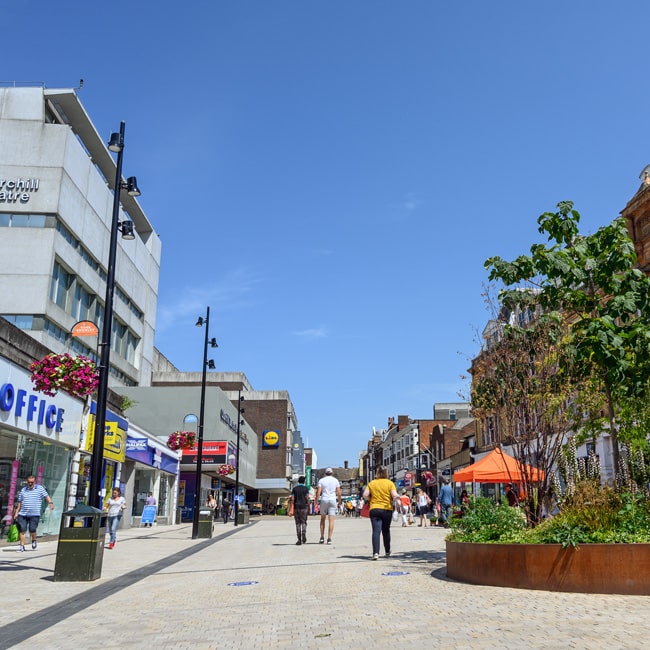
What the Bromley Data Tells Buy-to-Let Investors
In Bromley the income sits in the north-west and the prices sit in the south-east. SE20 (Penge, Anerley) leads on yield at 5.4% with the borough's lowest asking price (£375,248), lowest deposit (£112,574) and a 7.3x price-to-earnings ratio that undercuts the national benchmark. SE9 (Eltham, Mottingham) at 5.0%, DA14 (Sidcup, Foots Cray) at 4.7% and SE19 (Crystal Palace) at 4.6% fill out the income band, all of them sub-£490,000 entry points sharing a boundary with Lewisham, Greenwich or Croydon. That is where the income shows up for buyers of investment properties in the borough.
The growth data points the other way. TN14 (Cudham, Knockholt) leads five-year growth at 32.3%, with BR8 (Swanley) at 15.7% and TN16 (Biggin Hill) at 11.3% behind it. These are the southern and eastern fringe postcodes where larger, lower-density, green-belt-adjacent housing drives prices rather than rent, so their yields sit at 3.3% to 4.2%. The yield leaders and the growth leaders barely overlap; BR5 (St Mary Cray, Petts Wood), with 8.8% five-year growth and a 4.0% yield, comes closest to appearing in both columns.
DA14 (Sidcup, Foots Cray) is the most mixed profile in the borough. It carries the third-highest yield at 4.7% and the second-lowest deposit at £125,846, but it is also the weakest performer over the past year at -6.6% and barely positive over five years at 0.2%. DA14 straddles the Bexley boundary, and its data sits where two local authority markets meet. Two postcodes, BR4 (West Wickham) and TN16 (Biggin Hill), have too little rental data to read a yield, and both sit in the upper half of the price table.
Bromley has no borough-wide selective licensing scheme in place, though landlords should always check the current designation on Bromley Council's property licensing pages before buying. Buyers who want to come in under asking tend to work the off-market properties and repossessed properties for sale routes, and in Bromley the cheaper north-western postcodes are where both the highest yields and the most affordable entry points sit, while the premium south delivers its return through capital value from a higher base.
How Bromley Compares
Bromley's mean asking price of £544,450 is the highest of the five neighbouring south-east London boroughs, yet its top yield of 5.4% is the lowest of the group, level with Croydon. The comparison below sets Bromley alongside four nearby boroughs, each with a different investor profile. Mean asking price and mean monthly rent are simple averages across all priced postcodes; top gross yield is the single highest postcode yield in each location.
| Location | Mean Asking Price | Mean Monthly Rent | Mean Gross Yield | Top Yield (postcode) |
|---|---|---|---|---|
| Bexley | £428,037 | £1,762 | 4.9% | 6.3% (SE28) |
| Greenwich | £464,537 | £2,045 | 5.3% | 6.3% (SE28) |
| Croydon | £466,187 | £1,771 | 4.6% | 5.4% (SE20) |
| Lewisham | £490,640 | £1,965 | 4.8% | 6.0% (SE8) |
| Bromley | £544,450 | £1,830 | 4.0% | 5.4% (SE20) |
Bromley carries the highest mean asking price of the five at £544,450, around £116,000 above Bexley at £428,037. That price premium does not buy a higher yield: Bexley, Greenwich and Lewisham all return more, between 6.0% and 6.3%, while Croydon matches Bromley at 5.4%. Bexley and Greenwich share the highest top yield at 6.3%, and both do it on mean asking prices well below Bromley's.
Greenwich and Lewisham command higher mean rents (£2,045 and £1,965) than Bromley's £1,830, while Croydon runs a lower mean rent on a lower mean price, landing on the same 5.4% top yield as Bromley. The pattern reads consistently: Bromley is the settled, higher-priced, owner-occupier end of the south-east London group, where bigger houses and green space carry the headline value and the income return compresses. Its own sub-£490,000 postcodes, SE20, DA14 and BR8, are priced in line with these neighbours' borough averages, while the premium south and east lift Bromley's mean well above them. For a data-led comparison across every UK location, see our best buy-to-let locations guide. The full library covers more than 160 areas for property investment in the UK, with every guide using the same sold-price basis.
Frequently Asked Questions
Is Bromley a good place to live for buy-to-let tenants?
For a London borough it suits renters who want space and a reliable commute. Bromley is the largest London borough by area, 329,992 residents spread across suburban streets, town-centre flats and semi-rural fringes, with no Underground but around 26 National Rail stations and a 16-minute express into London Victoria from Bromley South. Local wages run above the London median at £964.50 a week, so tenants here are generally in steady work and can carry London-level rents.
It also works for people priced out closer to town. Rents run from £1,538 to £2,181 a month depending on the postcode, below much of inner south-east London, while the trains still reach the City and the West End. That tends to draw professional renters and families who settle rather than move every year.
What are the best areas in Bromley for property investment?
It comes down to whether you are buying for income or growth, and the borough splits north-west against south-east. For yield, the north-west leads: SE20 (Penge, Anerley) tops the borough at 5.4% on a £375,248 asking price, with SE9 (Eltham, Mottingham) next at 5.0% and DA14 (Sidcup, Foots Cray) and SE19 (Crystal Palace) close behind. All four ask below £490,000.
For growth, the fringe postcodes lead on the data: TN14 (Cudham, Knockholt) is up 32.3% over five years and BR8 (Swanley) 15.7%, both out near the Kent border. The south-eastern postcodes like BR7 (Chislehurst) and BR6 (Orpington) are pricier family markets with yields around 3.3% to 3.7%, leaning toward owner-occupier demand rather than rental income.
Which Bromley postcodes have the highest rental yields?
SE20 (Penge, Anerley) at 5.4%, then SE9 (Eltham, Mottingham) at 5.0%, DA14 (Sidcup, Foots Cray) and SE26 (Sydenham) both at 4.7%, and SE19 (Crystal Palace) at 4.6%. All five sit in the northern and western half of the borough, with asking prices between £375,248 and £488,523. The lowest yield with data is BR7 (Chislehurst) at 3.3%, where a £788,699 asking price holds the return down despite the borough's highest rent of £2,181 a month. In short, the cheaper north-west carries the yield and the dearer south-east carries the capital value.
What is the average house price in Bromley in 2026?
The average sold price across the London Borough of Bromley is £518,311 on the Land Registry index for March 2026, about 78.8% above the England average of £289,946 and 4.4% below the London average of £542,065. By type, detached houses average £1,075,312, semi-detached £660,284, terraced £490,365 and flats £307,502. The all-time high was £529,819 in December 2022, so current prices sit 2.2% below that peak after recent easing.
Which Bromley postcodes have the strongest house price growth?
TN14 (Cudham, Knockholt) leads five-year growth at 32.3%, followed by BR8 (Swanley) at 15.7% and TN16 (Biggin Hill) at 11.3%, all on or near the Kent border. Over the past year, SE26 (Sydenham) leads at 10.7%, with BR5 (St Mary Cray, Petts Wood) at 6.3% and TN14 at 12.6%. SE19 (Crystal Palace) is the only postcode with negative five-year growth at -0.8%, while DA14 (Sidcup, Foots Cray) is the weakest over the past year at -6.6%.
What type of property is most common in Bromley?
It depends which end of the borough you are in. In the north-west, flats dominate: SE20 (Penge, Anerley) is 64.9% flats, SE19 (Crystal Palace) 62.6% and SE26 (Sydenham) 57.8%, mostly period conversions and purpose-built blocks. That flat-and-terrace stock is the type that usually suits buy-to-let, and it lines up with the north-west carrying the lowest asking prices and the highest yields.
In the south and east, the detached house takes over. TN16 (Biggin Hill) is 59.0% detached, TN14 (Cudham, Knockholt) 54.0% and BR7 (Chislehurst) 49.7%, while BR4 (West Wickham) is the most semi-detached at 53.5%. The January 2026 Land Registry data shows detached houses averaging £1,075,312, semi-detached £660,284, terraced £490,365 and flats £307,502.
What are the Local Housing Allowance rates in Bromley?
Bromley spans four Broad Rental Market Areas, so the rate depends on the postcode. SE19 and SE26 fall in Inner South East London, where as of June 2026 the rate runs at £149.59 a week for a shared room, £298.15 for a one-bed, £356.71 for two beds, £448.77 for three and £604.11 for four. Most of the borough (BR1 to BR7, DA14, SE9 and SE20) falls in Outer South East London at £138.08 shared, £241.64 one-bed, £299.18 two-bed, £356.71 three-bed and £414.25 four-bed. TN14 and TN16 fall in High Weald and BR8 in North West Kent, both at lower rates.
That figure is the most a tenant on housing support can claim toward rent, so it is a reference point for the benefit-supported end of local demand, not a limit on the rent. The rates update each April, and you can check the live figure for any address with the government's Local Housing Allowance calculator.
Is there demand for shared and HMO rooms in Bromley?
Yes, concentrated in the central and northern postcodes. A sample of current room adverts puts a double room with a shared bathroom at around £196 a week in BR2 (Bromley Common, Hayes) and £191 in SE9 (Eltham, Mottingham), with BR1 (Bromley Town Centre) at roughly £182 and BR5 (St Mary Cray) at £174. Ensuite and single-room rents are harder to pin down because too few are advertised at any one time. For how the numbers work on a shared house, see our complete guide to investing in HMOs.
How do I buy an investment property in Bromley?
Start by settling whether you are buying for income or for growth, because that points you north-west or south-east. The north-west leads on yield: SE20 (Penge, Anerley) is the cheapest entry at £375,248 and the top yield at 5.4%, with SE9 (Eltham, Mottingham) next at 5.0%. The south-eastern fringe is the growth case, led by TN14 (Cudham, Knockholt) at 32.3% over five years. Budget for a 30% deposit, which runs from £112,574 in SE20 to £236,610 in BR7 (Chislehurst).
Beyond what is listed openly, plenty of experienced investors buy under asking through BMV properties for sale and off market properties channels. To see what is on the market now, browse investment properties or buy-to-let homes for sale.
Ready to buy property?
Browse investment properties with prices and gross yields shown for each opportunity.
Get property alerts