

Best Buy-to-Let Locations UK: 169 Areas Compared
If you are deciding where to invest in property, start with what your budget can reach. This table compares 169 UK locations using average asking prices and rents, the highest gross yield available in one postcode district and a 30% deposit figure. It helps you narrow the search before you look at individual streets and properties.
Article updated: August 2026
Best Places to Invest in Property in the UK
After more than 20 years working in property, I still would not choose an area from one yield figure. I have found that spreading properties across too many places makes local knowledge and management harder, but concentrating on one street or postcode can create its own problems if that small market changes. The asking price, likely rent and running costs of the actual property decide whether it works.
The highest gross yield in the table is 12.0%, in one Bradford postcode district. The next is 11.0%, in one Sunderland postcode district. Sunderland also has the lowest 30% deposit figure at £48,568, based on its average asking price. These figures do not show what a typical property across either city will return.
A 30% deposit falls below £75,000 in 23 locations. Because these deposit figures are based on average asking prices, they narrow the search; they do not mean every property can be bought with a deposit below £75,000.
Among the Scottish locations, the highest postcode-district yield is 10.4%, in Glasgow. Four Yorkshire locations appear in the top 20; Leeds is one of them at 9.4%.
In the Midlands, the highest postcode-district yield is 8.0%, in Nottingham. The South West high is 7.2%, in Bournemouth.
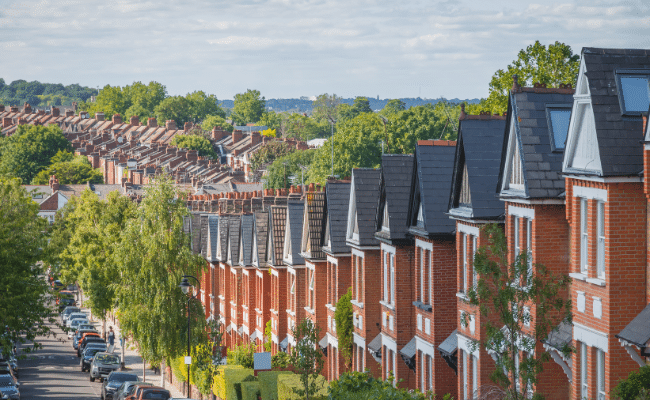
169 Buy-to-Let Locations Compared
All 169 locations are included; comparable postcode yields are available for 165. A dash means we do not have enough matching data for that area. Belfast and Derry City and Strabane have no comparable asking-price or rent figures. Caernarfon and Inverness have an asking price but no comparable rent.
Highest Postcode Yield is the best gross yield in one postcode district, not the average for the whole location. The 30% deposit is a comparison figure, not a lender quote.
| Location | Avg. Asking Price | Avg. Monthly Asking Rent | Highest Postcode Yield | 30% Deposit |
|---|---|---|---|---|
| Bradford | £226,137 | £854 pcm | 12.0% | £67,841 |
| Sunderland | £161,892 | £706 pcm | 11.0% | £48,568 |
| Glasgow | £182,643 | £1,079 pcm | 10.4% | £54,793 |
| Hull | £176,812 | £791 pcm | 9.6% | £53,044 |
| Leeds | £288,252 | £1,134 pcm | 9.4% | £86,476 |
| Newcastle | £265,787 | £1,123 pcm | 9.3% | £79,736 |
| Aberdeen | £208,639 | £799 pcm | 9.1% | £62,592 |
| Sheffield | £233,781 | £937 pcm | 9.1% | £70,134 |
| Middlesbrough | £185,800 | £706 pcm | 8.8% | £55,740 |
| Liverpool | £211,088 | £971 pcm | 8.1% | £63,326 |
| Nottingham | £238,430 | £1,029 pcm | 8.0% | £71,529 |
| Leicester | £294,614 | £1,043 pcm | 7.9% | £88,384 |
| Cardiff | £315,735 | £1,218 pcm | 7.7% | £94,720 |
| Birkenhead | £216,947 | £816 pcm | 7.5% | £65,084 |
| Dundee | £194,751 | £898 pcm | 7.4% | £58,425 |
| Manchester | £269,587 | £1,317 pcm | 7.4% | £80,876 |
| Swansea | £253,864 | £1,025 pcm | 7.3% | £76,159 |
| Bournemouth | £364,546 | £1,387 pcm | 7.2% | £109,364 |
| Coventry | £288,709 | £1,080 pcm | 7.2% | £86,613 |
| Birmingham | £274,692 | £1,123 pcm | 7.1% | £82,408 |
| Plymouth | £285,557 | £1,058 pcm | 7.1% | £85,667 |
| Edinburgh | £326,118 | £1,412 pcm | 7.0% | £97,835 |
| Milton Keynes | £390,479 | £1,444 pcm | 7.0% | £117,144 |
| East London | £539,780 | £2,148 pcm | 6.9% | £161,934 |
| London | £592,636 | £2,226 pcm | 6.9% | £177,791 |
| Salford | £248,339 | £1,174 pcm | 6.9% | £74,502 |
| Tower Hamlets | £514,983 | £2,645 pcm | 6.9% | £154,495 |
| Barking & Dagenham | £398,242 | £1,852 pcm | 6.8% | £119,473 |
| Newham | £439,984 | £2,221 pcm | 6.8% | £131,995 |
| Hampshire | £425,315 | £1,369 pcm | 6.7% | £127,594 |
| Norwich | £305,730 | £1,281 pcm | 6.7% | £91,719 |
| Southampton | £257,653 | £1,197 pcm | 6.7% | £77,296 |
| Blackpool | £205,195 | £777 pcm | 6.5% | £61,558 |
| Bristol | £371,856 | £1,581 pcm | 6.5% | £111,557 |
| Enfield | £537,738 | £1,946 pcm | 6.5% | £161,321 |
| North London | £629,947 | £2,248 pcm | 6.5% | £188,984 |
| Portsmouth | £286,213 | £1,319 pcm | 6.5% | £85,864 |
| Stoke-on-Trent | £245,415 | £845 pcm | 6.5% | £73,624 |
| Derby | £280,213 | £1,027 pcm | 6.4% | £84,064 |
| Haringey | £599,348 | £2,156 pcm | 6.4% | £179,804 |
| Tottenham | £555,901 | £2,138 pcm | 6.4% | £166,770 |
| Trafford | £380,855 | £1,336 pcm | 6.4% | £114,256 |
| Hertfordshire | £541,296 | £1,696 pcm | 6.3% | £162,389 |
| Kent | £427,340 | £1,468 pcm | 6.3% | £128,202 |
| Medway | £339,626 | £1,354 pcm | 6.3% | £101,888 |
| South London | £533,922 | £2,127 pcm | 6.3% | £160,177 |
| Southwark | £576,293 | £2,472 pcm | 6.3% | £172,888 |
| Bexley | £421,154 | £1,739 pcm | 6.2% | £126,346 |
| Greenwich | £460,297 | £2,028 pcm | 6.2% | £138,089 |
| Hackney | £645,838 | £2,731 pcm | 6.2% | £193,751 |
| Lewisham | £481,775 | £2,012 pcm | 6.2% | £144,532 |
| Waltham Forest | £505,215 | £1,964 pcm | 6.2% | £151,564 |
| Halifax | £252,419 | £794 pcm | 6.1% | £75,726 |
| Northampton | £348,875 | £1,188 pcm | 6.1% | £104,662 |
| Surrey | £629,277 | £2,081 pcm | 6.1% | £188,783 |
| Doncaster | £218,305 | £813 pcm | 6.0% | £65,492 |
| Preston | £255,496 | £992 pcm | 6.0% | £76,649 |
| Reading | £412,758 | £1,514 pcm | 6.0% | £123,827 |
| Solihull | £493,560 | £1,360 pcm | 6.0% | £148,068 |
| Walsall | £284,066 | £1,064 pcm | 6.0% | £85,220 |
| Cheshire West and Chester | £382,845 | £1,141 pcm | 5.9% | £114,854 |
| Havering | £515,568 | £1,759 pcm | 5.9% | £154,670 |
| Oldham | £262,668 | £1,051 pcm | 5.9% | £78,800 |
| Romford | £532,511 | £1,805 pcm | 5.9% | £159,753 |
| Basildon | £419,038 | £1,477 pcm | 5.8% | £125,711 |
| Brighton | £429,146 | £1,756 pcm | 5.8% | £128,744 |
| Croydon | £460,376 | £1,782 pcm | 5.8% | £138,113 |
| Ealing | £544,543 | £2,163 pcm | 5.8% | £163,363 |
| Essex | £438,624 | £1,453 pcm | 5.8% | £131,587 |
| Harlow | £436,930 | £1,599 pcm | 5.8% | £131,079 |
| Hounslow | £509,914 | £1,950 pcm | 5.8% | £152,974 |
| Sussex (east) | £450,697 | £1,458 pcm | 5.8% | £135,209 |
| West London | £826,769 | £2,717 pcm | 5.8% | £248,031 |
| Barnet | £678,924 | £2,147 pcm | 5.7% | £203,677 |
| Basingstoke and Deane | £487,699 | £1,473 pcm | 5.7% | £146,310 |
| Brent | £546,041 | £2,134 pcm | 5.7% | £163,812 |
| Colchester | £363,310 | £1,333 pcm | 5.7% | £108,993 |
| Eastbourne | £332,169 | £1,362 pcm | 5.7% | £99,651 |
| Hillingdon | £479,610 | £1,896 pcm | 5.7% | £143,883 |
| Lambeth | £584,976 | £2,431 pcm | 5.7% | £175,493 |
| Peterborough | £317,945 | £1,069 pcm | 5.7% | £95,384 |
| Stockport | £381,770 | £1,275 pcm | 5.7% | £114,531 |
| Bolton | £254,030 | £976 pcm | 5.6% | £76,209 |
| Harrow | £541,989 | £1,944 pcm | 5.6% | £162,597 |
| Huddersfield | £267,680 | £836 pcm | 5.6% | £80,304 |
| Redbridge | £545,857 | £1,987 pcm | 5.6% | £163,757 |
| Swindon | £348,183 | £1,202 pcm | 5.6% | £104,455 |
| Tameside | £253,857 | £1,036 pcm | 5.6% | £76,157 |
| Wandsworth | £656,508 | £2,807 pcm | 5.6% | £196,952 |
| Durham | £190,926 | £789 pcm | 5.5% | £57,278 |
| Islington | £686,347 | £2,799 pcm | 5.5% | £205,904 |
| Dudley | £270,584 | £1,026 pcm | 5.4% | £81,175 |
| Gloucester | £300,649 | £1,251 pcm | 5.4% | £90,195 |
| Merton | £588,237 | £2,288 pcm | 5.4% | £176,471 |
| Somerset | £383,013 | £1,144 pcm | 5.4% | £114,904 |
| Watford | £443,246 | £1,613 pcm | 5.4% | £132,974 |
| Wolverhampton | £254,606 | £955 pcm | 5.4% | £76,382 |
| York | £366,155 | £1,350 pcm | 5.4% | £109,846 |
| Camden | £1,001,424 | £3,425 pcm | 5.3% | £300,427 |
| Carlisle | £286,331 | £767 pcm | 5.3% | £85,899 |
| City of Westminster | £1,244,274 | £4,041 pcm | 5.3% | £373,282 |
| Exeter | £398,805 | £1,301 pcm | 5.3% | £119,642 |
| Ipswich | £313,399 | £1,061 pcm | 5.3% | £94,020 |
| Lancaster | £277,434 | £929 pcm | 5.3% | £83,230 |
| Newport | £279,163 | £1,022 pcm | 5.3% | £83,749 |
| Rochdale | £260,963 | £1,020 pcm | 5.3% | £78,289 |
| St Helens | £232,571 | £920 pcm | 5.3% | £69,771 |
| Stirling | £324,445 | £1,102 pcm | 5.3% | £97,334 |
| Sutton | £449,283 | £1,740 pcm | 5.2% | £134,785 |
| Wigan | £237,361 | £889 pcm | 5.2% | £71,208 |
| Blackburn | £219,311 | £833 pcm | 5.1% | £65,793 |
| Bracknell | £550,580 | £1,976 pcm | 5.1% | £165,174 |
| Bromley | £539,579 | £1,865 pcm | 5.1% | £161,874 |
| Lincoln | £270,414 | £1,021 pcm | 5.1% | £81,124 |
| Luton | £408,148 | £1,458 pcm | 5.1% | £122,444 |
| Poole | £460,164 | £1,427 pcm | 5.1% | £138,049 |
| Southend-on-Sea | £374,484 | £1,331 pcm | 5.1% | £112,345 |
| Stevenage | £452,509 | £1,475 pcm | 5.1% | £135,753 |
| Worcester | £299,434 | £981 pcm | 5.1% | £89,830 |
| Canterbury | £407,058 | £1,367 pcm | 5.0% | £122,117 |
| Cheshire East | £410,536 | £1,204 pcm | 5.0% | £123,161 |
| Crawley | £407,177 | £1,470 pcm | 5.0% | £122,153 |
| Isle Of Wight | £341,742 | £1,023 pcm | 5.0% | £102,523 |
| Kingston upon Thames | £577,480 | £2,048 pcm | 5.0% | £173,244 |
| Sussex (west) | £475,585 | £1,517 pcm | 5.0% | £142,676 |
| Wakefield | £250,830 | £883 pcm | 5.0% | £75,249 |
| Welwyn Garden City | £582,580 | £1,629 pcm | 5.0% | £174,774 |
| Bury | £281,963 | £1,011 pcm | 4.9% | £84,589 |
| Rhyl | £234,466 | £850 pcm | 4.9% | £70,340 |
| St Asaph | £276,883 | £850 pcm | 4.9% | £83,065 |
| Guildford | £662,526 | £2,200 pcm | 4.8% | £198,758 |
| Hammersmith and Fulham | £937,582 | £3,216 pcm | 4.8% | £281,275 |
| High Wycombe | £562,282 | £1,711 pcm | 4.8% | £168,685 |
| Maidstone | £498,349 | £1,500 pcm | 4.8% | £149,505 |
| Telford | £324,592 | £984 pcm | 4.8% | £97,378 |
| Chester | £339,765 | £1,160 pcm | 4.7% | £101,930 |
| Hastings | £373,438 | £1,186 pcm | 4.7% | £112,031 |
| Hemel Hempstead | £530,609 | £1,722 pcm | 4.7% | £159,183 |
| Oxford | £527,905 | £1,841 pcm | 4.7% | £158,372 |
| Slough | £445,133 | £1,547 pcm | 4.7% | £133,540 |
| Warrington | £319,141 | £1,010 pcm | 4.7% | £95,742 |
| Woking | £552,834 | £1,877 pcm | 4.7% | £165,850 |
| Bangor | £291,094 | £856 pcm | 4.6% | £87,328 |
| Cheltenham | £443,755 | £1,434 pcm | 4.6% | £133,126 |
| Richmond upon Thames | £819,472 | £2,748 pcm | 4.6% | £245,842 |
| Wiltshire | £411,846 | £1,328 pcm | 4.6% | £123,554 |
| Bicester | £469,387 | £1,590 pcm | 4.5% | £140,816 |
| Kensington and Chelsea | £1,387,898 | £3,773 pcm | 4.5% | £416,369 |
| Wells | £354,862 | £1,209 pcm | 4.5% | £106,459 |
| Winchester | £552,508 | £1,727 pcm | 4.5% | £165,752 |
| Bath | £463,884 | £1,592 pcm | 4.4% | £139,165 |
| Chelmsford | £531,938 | £1,620 pcm | 4.4% | £159,581 |
| Chichester | £539,101 | £1,604 pcm | 4.4% | £161,730 |
| Lichfield | £382,763 | £1,181 pcm | 4.4% | £114,829 |
| Salisbury | £438,859 | £1,457 pcm | 4.4% | £131,658 |
| Sussex (mid) | £520,207 | £1,618 pcm | 4.4% | £156,062 |
| Truro | £455,553 | £1,350 pcm | 4.4% | £136,666 |
| Cambridge | £503,865 | £1,611 pcm | 4.2% | £151,160 |
| Ely | £406,994 | £1,320 pcm | 4.2% | £122,098 |
| St Albans | £724,475 | £2,126 pcm | 4.2% | £217,342 |
| Wrexham | £268,432 | £860 pcm | 4.1% | £80,530 |
| Perth | £248,972 | £707 pcm | 4.0% | £74,692 |
| Hereford | £354,845 | £1,069 pcm | 3.9% | £106,454 |
| Ripon | £391,063 | £1,117 pcm | 3.7% | £117,319 |
| St Davids | £294,459 | £876 pcm | 3.6% | £88,338 |
| Belfast | — | — | — | — |
| Caernarfon | £243,414 | — | — | £73,024 |
| Derry City and Strabane | — | — | — | — |
| Inverness | £240,730 | — | — | £72,219 |
Source: PropertyData. August 2026 data snapshot.
Asking prices and rents are location averages. Yield is the highest postcode figure recorded within each location.

Highest Rental Yields in the UK: The Top 20
Bradford and Sunderland sit at the top of the August table with postcode yields of 12.0% and 11.0%. Yorkshire and the Midlands each have four locations in the top 20. The North East, North West and Scotland each have three.
The 12.0% figure is Bradford's highest postcode yield, not Bradford's average. A different street or property can produce a very different gross or net yield.
| Location | Highest Postcode Yield | Avg. Monthly Asking Rent |
|---|---|---|
| 1. Bradford | 12.0% | £854 pcm |
| 2. Sunderland | 11.0% | £706 pcm |
| 3. Glasgow | 10.4% | £1,079 pcm |
| 4. Hull | 9.6% | £791 pcm |
| 5. Leeds | 9.4% | £1,134 pcm |
| 6. Newcastle | 9.3% | £1,123 pcm |
| 7. Aberdeen | 9.1% | £799 pcm |
| 8. Sheffield | 9.1% | £937 pcm |
| 9. Middlesbrough | 8.8% | £706 pcm |
| 10. Liverpool | 8.1% | £971 pcm |
| 11. Nottingham | 8.0% | £1,029 pcm |
| 12. Leicester | 7.9% | £1,043 pcm |
| 13. Cardiff | 7.7% | £1,218 pcm |
| 14. Birkenhead | 7.5% | £816 pcm |
| 15. Dundee | 7.4% | £898 pcm |
| 16. Manchester | 7.4% | £1,317 pcm |
| 17. Swansea | 7.3% | £1,025 pcm |
| 18. Bournemouth | 7.2% | £1,387 pcm |
| 19. Coventry | 7.2% | £1,080 pcm |
| 20. Birmingham | 7.1% | £1,123 pcm |
We fixed the deposit at 30% so every location is compared in the same way. On that basis, the figures run from £48,568 in Sunderland to £416,369 in Kensington and Chelsea. A lender may ask for a different amount. You can also compare the cheapest places to buy a house in England or add purchase tax with the stamp duty calculator.

Best Buy-to-Let Areas by Region
If you are looking for the best areas to invest in property, a UK-wide table can hide big regional differences. These are the three highest postcode yields in each region.
East of England
Norwich has the highest postcode yield among the 18 East of England locations at 6.7%. Hertfordshire follows at 6.3%. Basildon, Essex and Harlow each record 5.8%.
London
Three of the 39 London entries share the highest postcode yield at 6.9%: East London, Tower Hamlets and the London-wide entry. The City of Westminster has the highest average asking rent at £4,041 a month and a 30% deposit figure of £373,282. Our separate guide compares the best rental yields in London by area.
Midlands
Nottingham and Leicester are the two highest of the 16 Midlands locations at 8.0% and 7.9%. Coventry is third at 7.2%.
North East
Sunderland is highest among the four North East locations at 11.0%. Its 30% deposit figure is also the lowest in the full table at £48,568. Newcastle follows at 9.3% and Middlesbrough at 8.8%.
North West
Liverpool has the highest postcode yield among the 22 North West locations at 8.1%. Birkenhead is next at 7.5%, just ahead of Manchester at 7.4%.
Northern Ireland
Belfast and Derry City and Strabane do not have directly comparable postcode yields in this dataset.
Scotland
Among the six Scottish locations with comparable yields, Glasgow is highest at 10.4%. Aberdeen follows at 9.1% and Dundee at 7.4%.
South East
Milton Keynes is the only one of the 28 South East locations to reach 7.0%. Hampshire and Southampton both record 6.7%.
South West
Bournemouth and Plymouth lead the 14 South West locations at 7.2% and 7.1%. Bristol is third at 6.5%.
Wales
Among the eight Welsh locations with comparable yields, only Cardiff and Swansea are above 7.0%, at 7.7% and 7.3%. Newport follows at 5.3%.
Yorkshire
Yorkshire supplies four of the national top 20. Bradford leads both the region and the full table at 12.0%, followed by Hull at 9.6% and Leeds at 9.4%.
The full collection of UK buy-to-let location guides breaks these regional figures down by location and postcode.
How the Comparison Works
Every row uses the same August 2026 data. Asking price and monthly asking rent are averages across the postcodes linked to each location.
The yield column works differently. It shows the highest gross yield found in one postcode district, such as BD1, within each location. Gross yield is rent before finance, tax, management, maintenance, insurance and empty periods. It is not the average for the whole area.
The list mixes cities, boroughs and counties, and some counties appear alongside towns inside them, so a few areas are covered by more than one row. The asking-price, rent and yield calculation stays the same for every entry.
This is an income-yield comparison. It does not rank locations by capital growth.
The deposit is fixed at 30% of the average asking price. That keeps the comparison consistent, but it is not a lender quote. The real deposit will depend on the borrower, property and mortgage.

Where to Invest in Property in the UK: Three Patterns in the Data
All 23 locations with a 30% deposit below £75,000 sit in six regions. Seven are in the North West, five in Scotland, four in Yorkshire, three in the North East and two each in the Midlands and Wales. The 21 with comparable yield data average 7.5% on their highest-yielding postcode. Finance, condition, rent and running costs still change the result for an individual property.
The highest asking rent does not produce the highest yield. The City of Westminster has the highest average monthly asking rent at £4,041 and a highest postcode yield of 5.3%. Sunderland has the joint-lowest asking rent at £706 and the second-highest postcode yield at 11.0%. Both rent and price affect gross yield.
Plymouth records 7.1%, the same as Birmingham in twentieth place. Birmingham appears in the top 20 because locations with the same yield are ordered by name. A position at the cut-off is less useful than the underlying yield, asking price and rent.
Our guide Is buy-to-let worth it? looks at the wider costs and returns. The investment property page explains how we help buyers compare actual properties.
After comparing the full table, try our daily UK property market game and rank areas by price, rent and yield.
Browse buy-to-let properties, then open the guide for that area to check the sold prices behind any below market value property claim.
Frequently Asked Questions
What is a good rental yield for buy-to-let?
In this table, the average of each area's highest postcode yield is 5.8%. The top 20 run from 7.1% to 12.0%, before finance, management, maintenance and empty periods. There is no single gross yield that makes every buy-to-let property good. Our guide to working out rental yield explains gross and net yield.
Which UK area has the highest rental yield in this comparison?
Bradford is highest at 12.0%, followed by Sunderland at 11.0% and Glasgow at 10.4%. These are the best-yielding postcodes within each location, not averages for the full area.
How much deposit do I need for a buy-to-let property?
We use 30% of the average asking price so the 169 locations can be compared on the same basis. That produces a range from £48,568 in Sunderland to £416,369 in Kensington and Chelsea. A lender may ask for a different amount.
Where is the best place to invest in property in the UK?
Bradford has the highest postcode yield in this table, Sunderland has the lowest 30% deposit figure and Bournemouth has the highest postcode yield in the South West. Those figures compare areas; the individual property, its likely rent and its running costs still decide whether the numbers work.
Which costs sit on top of the deposit?
Property purchase tax, legal fees, survey costs, mortgage fees and refurbishment costs all sit on top of the deposit. After a tenant moves in, the costs can include mortgage repayments, insurance, maintenance, letting-agent fees and periods without rent. Our buy-to-let costs guide covers each one.
What date does this comparison cover?
The table uses August 2026 data. It is a dated comparison, not a live quote. Each linked location guide shows the month covered by its own figures.
What is the difference between gross and net yield?
Gross yield is annual rent divided by the property price. Net yield takes the costs away first, including finance, insurance, maintenance, management and empty periods. Net yield is closer to the return on an individual property, but it changes with the costs. Every yield on this page is gross.
Can I compare specific locations side by side?
The table puts asking prices, rents, highest postcode yields and the same 30% deposit figure side by side. The linked guides then break each location down by postcode. Our guide to property investment strategies explains how different approaches use those numbers.
No locations match these filters. Reset the filters to see the full comparison.
Ready to buy property?
Browse investment properties with prices and gross yields shown for each opportunity.
Get property alerts