
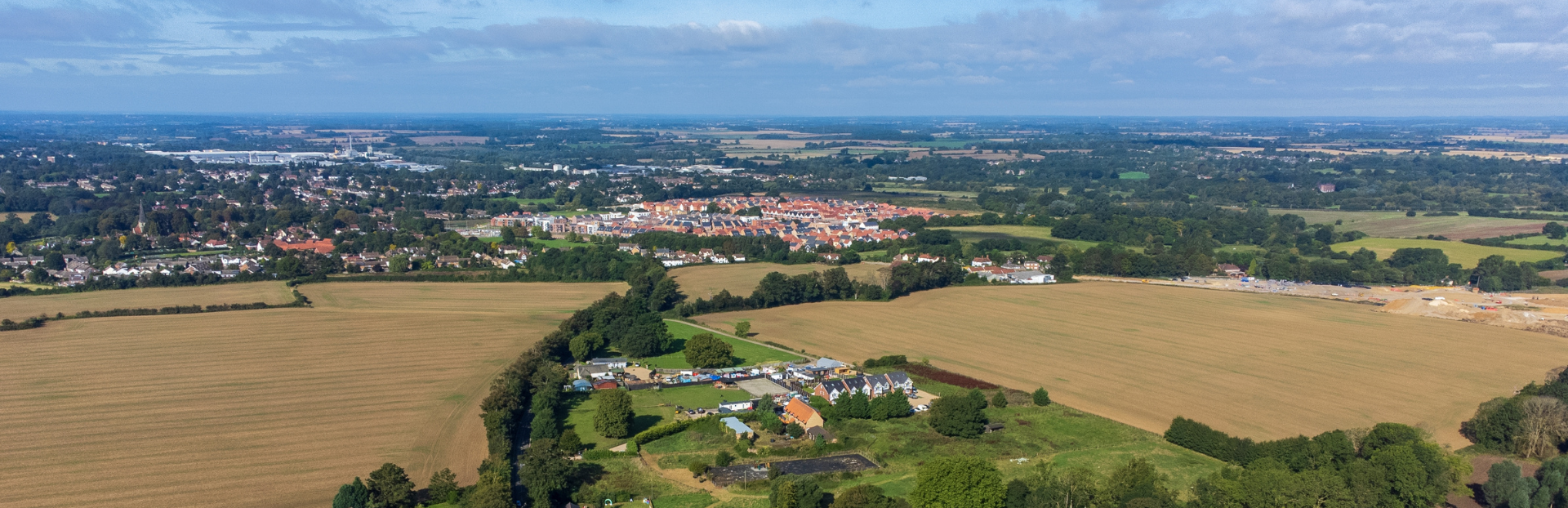
Harlow is a town in Essex, in the East of England. Average sold prices in Harlow sit at £316,293 on the HM Land Registry House Price Index, 9.1% above the England average of £289,946 but £20,889 below the wider East of England average of £337,182. Liverpool Street is around 30 minutes away by train. The population grew 13.89% between the 2011 and 2021 censuses, from 81,944 to 93,329 residents, more than double the 6.3% England and Wales average.
The seven postcodes that make up Harlow and its surrounding villages spread the price range wide. Asking prices run from £304,670 in CM20 (Harlow Town Centre) up to £657,520 in CM16 (Epping), and the cheapest postcode is also the highest-yielding. The three highest yields sit in the town centre and the two Harlow neighbourhoods, and the three lowest in the outer villages.
This guide covers Harlow (ONS code E07000073) in Essex, together with the surrounding postcode catchment that includes Epping, Sawbridgeworth and Hoddesdon, across CM16, CM17, CM18, CM19, CM20, CM21 and EN11. Epping (CM16), Sawbridgeworth (CM21) and Hoddesdon (EN11) lie outside Harlow district, and CM17, CM18, CM19 and CM20 each reach past the district boundary too (CM20 takes in Gilston, CM19 Roydon), so the district-level sold prices, wages and population figures cover the town only; the postcode tables cover every address in the postcode. Harlow sits in the East of England, around 25 miles north of central London on the West Anglia Main Line. The wider buy to let in Essex region runs from the commuter towns near London out to the coast at Southend.
Article updated: July 2026
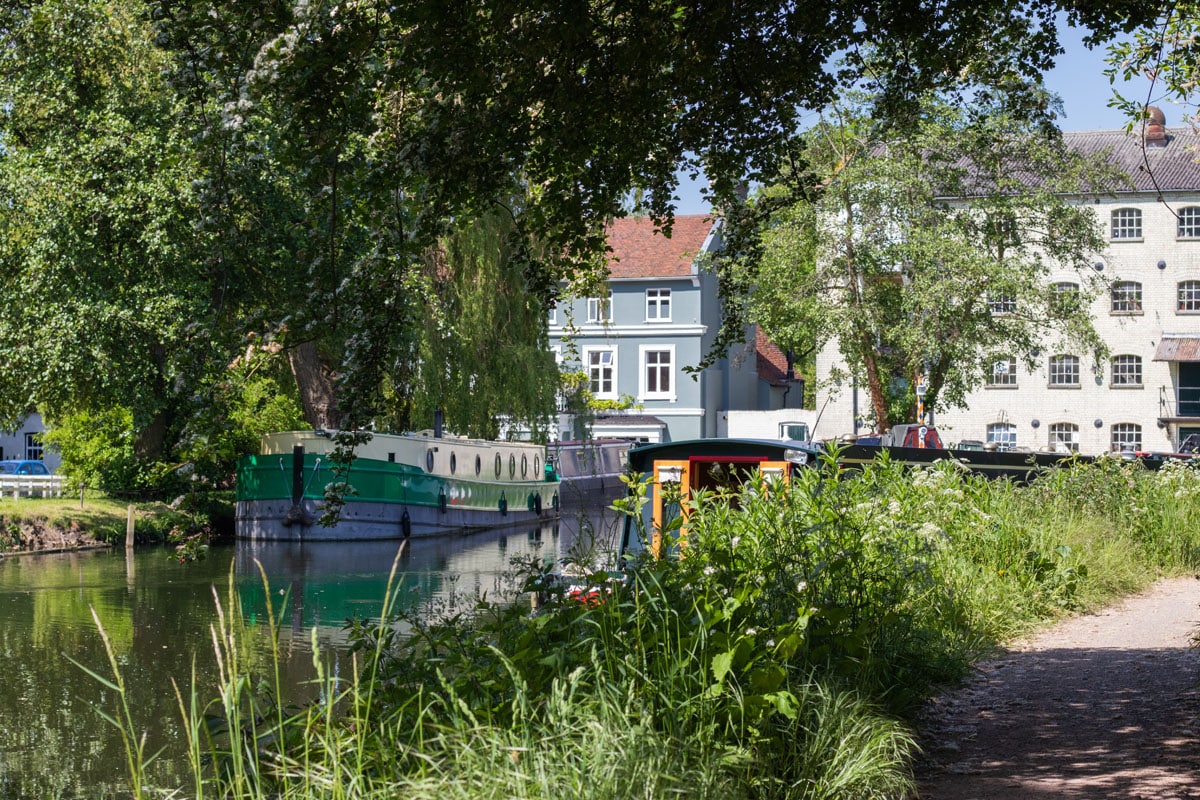
Why Invest in Harlow?
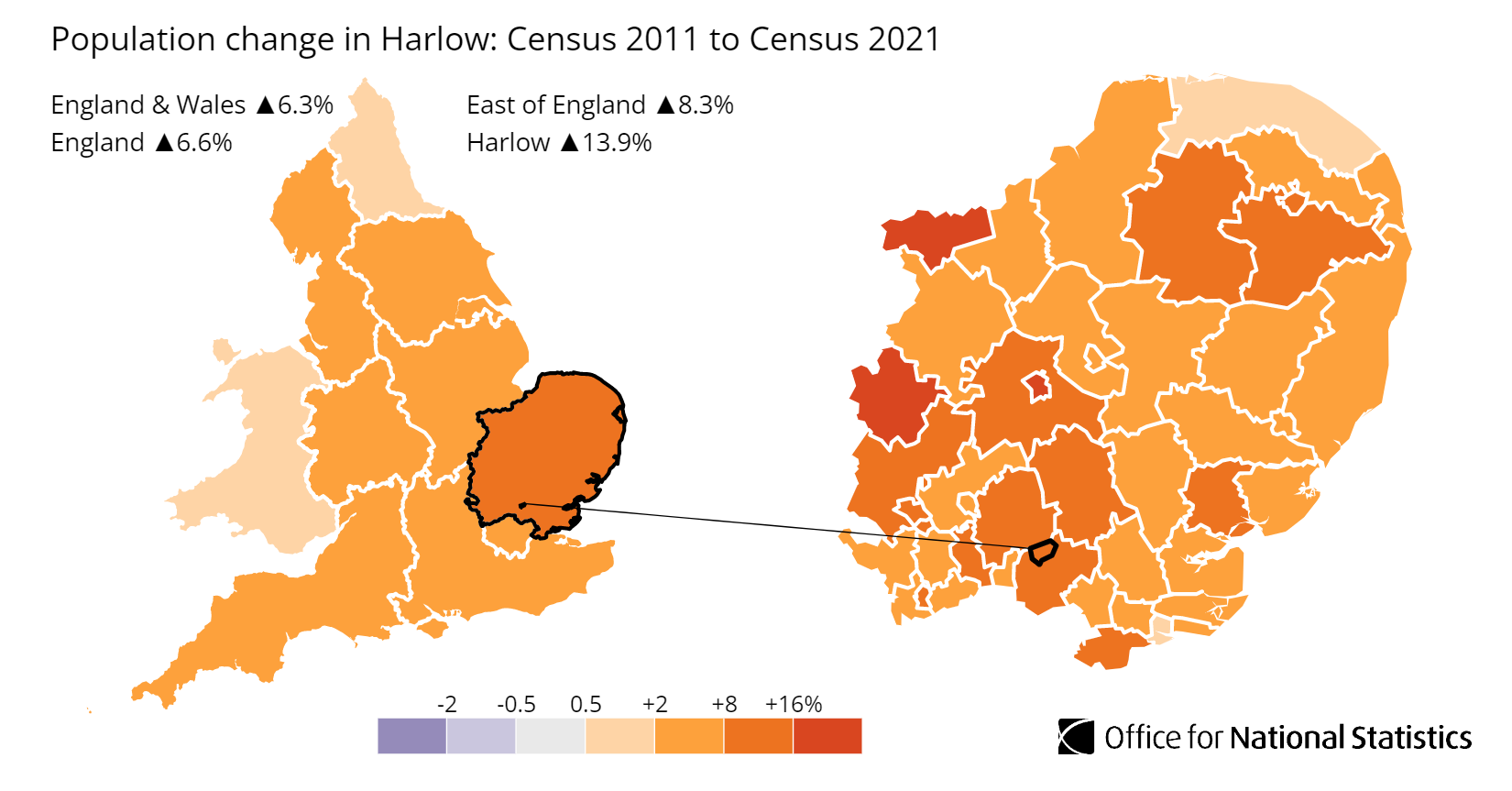
Harlow added 11,385 residents between the 2011 and 2021 censuses, a 13.89% rise that more than doubled the 6.3% England and Wales average. Harlow was built as one of the original post-war new towns, laid out across defined neighbourhoods rather than a single dense centre.
The median weekly wage in Harlow is £738.10, a little under both the East of England figure of £785.80 and the Great Britain median of £752.40, and the employment rate is 74.8%. The West Anglia Main Line puts Liverpool Street within roughly half an hour; how many tenants commute on it is not measured here.
Three government-backed projects are moving from plan to construction: the relocation of the UK Health Security Agency's national biosecurity headquarters to Harlow, the Harlow and Gilston Garden Town, and the town-centre rebuild, which the regeneration section below sets out.
Harlow Economic Summary
- Population (Harlow): 93,329 (2021 Census). Growth of 13.89% from 2011.
- Median annual salary: £38,380 (local), £39,125 (Great Britain)
- Median weekly salary: £738.10 (local), £785.80 (East of England), £752.40 (Great Britain)
- Employment rate: 74.8% (local)
- Key employers and sectors: UK Health Security Agency, pharmaceuticals and life sciences, Princess Alexandra Hospital, logistics and distribution, retail and the planned biosecurity campus
Source: ONS Census 2021, Nomis Labour Market Profile (ASHE 2025)
Regeneration and Investment in Harlow
Harlow has secured a confirmed multi-billion-pound government investment in a national biosecurity campus alongside a 10,000-home garden town and a live town-centre rebuild. The spending covers jobs, new housing and the transport links between them.
- National Biosecurity Centre (Government confirmed): In July 2025 the government confirmed the UK Health Security Agency will consolidate its high-containment laboratories from Porton Down and Colindale into a single national campus in Harlow, a multi-billion-pound investment with £250 million committed over this Parliament to start delivery. Around 1,600 roles will support construction and site development, with the first facilities expected to open by the mid-2030s and full operation targeted for 2038. Details at GOV.UK.
- Harlow and Gilston Garden Town (Under construction): Planning permission for the Gilston development was issued by East Herts Council in January 2025, clearing 10,000 homes across seven new villages on Harlow's northern edge. Construction has started on the Sustainable Transport Corridor connecting Gilston to the town centre, with the first homes expected from 2026 onwards. Details at Harlow and Gilston Garden Town.
- Town Centre Regeneration (Active construction): Construction began in December 2025 on the transformation of Market Square, funded through the Towns Fund, with completion targeted for summer 2026. The work covers Market House, Adams House and The Rows, alongside a new sustainable transport hub replacing the old bus station. Updates at Harlow Council.
Source: Office for National Statistics - Population for Harlow
Harlow Property Market Analysis
Average property prices in Harlow have risen 446.7% since January 1995, from £57,853 to £316,293. The sections below walk through that journey cycle by cycle, then break down current postcode-level data for sold prices, price per square foot, asking prices, growth and transaction volumes across all seven postcodes, and selling times for the four core Harlow postcodes.
When was the last house price crash in Harlow?
The figures here come from HM Land Registry at borough level, covering Harlow as a whole rather than postcode by postcode. Its House Price Index reaches back to January 1995 and runs to the latest March 2026 reading, so it captures more than thirty years of the town's ups and downs.
The 1995 to 2008 climb: Harlow started at £57,853 in January 1995. By December 2000 the average had reached £91,451, and the early-2000s boom carried it higher through the decade. The market peaked at £191,747 in January 2008, more than three times the 1995 level in thirteen years.
2008 to 2009, the financial crisis: Prices fell from the January 2008 peak of £191,747 to a trough of £148,564 in April 2009, a drop of 22.5% over fifteen months. That was a steeper fall than England's 18.2% (£183,883 in September 2007 to £150,438 in March 2009).
The 2010 to 2013 plateau: Recovery came in a crawl. Prices lifted off the April 2009 trough but then drifted sideways for several years inside a band of roughly £165,000 to £185,000, never quite clearing the old peak.
Recovery, 2014: Prices finally cleared the January 2008 peak in May 2014, when the average reached £192,389. It took just over six years to get back to where the market had been.
2014 to 2019, the commuter surge: Prices climbed from £192,389 in May 2014 to £245,905 by March 2016 and kept rising. By the end of 2019 the average sat at £282,244.
2020 to 2022, the pandemic surge: The average climbed to £323,640 by October 2022.
2023 to present: The market set an all-time high of £326,914 in January 2023 then slipped to around £303,189 by June 2024. Since then it has firmed again, reaching £316,293 by the latest reading in March 2026, up 5.3% over the year and 3.2% below the January 2023 high. The current price is 65.0% above the January 2008 pre-crash peak.
Long-term growth summary:
- 5 years (March 2021 to March 2026): 14.4% growth (£276,547 to £316,293)
- 10 years (March 2016 to March 2026): 28.6% growth (£245,905 to £316,293)
- 15 years (March 2011 to March 2026): 87.2% growth (£168,935 to £316,293)
- 20 years (March 2006 to March 2026): 90.9% growth (£165,662 to £316,293)
- 31 years (January 1995 to March 2026): 446.7% growth (£57,853 to £316,293)
Harlow's 22.5% crash was deeper than England's 18.2%, and the 31-year return is 446.7%. Someone who bought at the exact January 2008 peak would now be 65.0% ahead on the Land Registry average, after a six-year wait to get back to par.
- All property types
- Detached
- Semi-detached
- Terraced
- Flats
Source: HM Land Registry House Price Index
| Year | All property types | Detached | Semi-detached | Terraced | Flats |
|---|---|---|---|---|---|
| 1995-01 | £57,853 | £115,058 | £74,967 | £53,422 | £43,004 |
| 1995-02 | £55,205 | £109,014 | £71,737 | £51,132 | £40,889 |
| 1995-03 | £54,791 | £107,726 | £71,152 | £50,840 | £40,591 |
| 1995-04 | £54,536 | £106,573 | £70,772 | £50,677 | £40,498 |
| 1995-05 | £55,788 | £109,097 | £72,476 | £51,752 | £41,513 |
| 1995-06 | £56,470 | £110,680 | £73,470 | £52,232 | £42,157 |
| 1995-07 | £54,939 | £108,252 | £71,576 | £50,812 | £40,797 |
| 1995-08 | £54,581 | £108,138 | £70,996 | £50,501 | £40,379 |
| 1995-09 | £54,967 | £109,290 | £71,549 | £50,912 | £40,424 |
| 1995-10 | £55,901 | £111,418 | £73,000 | £51,642 | £41,141 |
| 1995-11 | £54,643 | £108,872 | £71,446 | £50,408 | £40,306 |
| 1995-12 | £52,948 | £105,384 | £69,292 | £48,823 | £39,094 |
| 1996-01 | £52,692 | £105,363 | £68,888 | £48,619 | £38,742 |
| 1996-02 | £53,337 | £106,800 | £69,864 | £49,225 | £39,107 |
| 1996-03 | £52,812 | £106,295 | £69,333 | £48,738 | £38,499 |
| 1996-04 | £52,155 | £104,645 | £68,487 | £48,214 | £37,957 |
| 1996-05 | £52,726 | £105,550 | £69,009 | £48,903 | £38,227 |
| 1996-06 | £53,659 | £107,319 | £70,029 | £49,709 | £39,144 |
| 1996-07 | £55,171 | £110,662 | £72,056 | £51,058 | £40,226 |
| 1996-08 | £55,190 | £111,556 | £72,195 | £51,023 | £40,013 |
| 1996-09 | £55,467 | £112,632 | £72,530 | £51,321 | £39,969 |
| 1996-10 | £55,752 | £113,607 | £73,000 | £51,583 | £40,009 |
| 1996-11 | £55,760 | £113,291 | £73,019 | £51,565 | £40,168 |
| 1996-12 | £57,610 | £116,802 | £75,706 | £53,380 | £41,261 |
| 1997-01 | £57,879 | £117,168 | £75,973 | £53,712 | £41,385 |
| 1997-02 | £57,701 | £117,323 | £75,903 | £53,483 | £41,174 |
| 1997-03 | £56,586 | £115,060 | £74,165 | £52,462 | £40,460 |
| 1997-04 | £55,857 | £113,417 | £73,405 | £51,771 | £39,932 |
| 1997-05 | £58,589 | £118,486 | £77,055 | £54,426 | £41,714 |
| 1997-06 | £60,774 | £123,295 | £80,213 | £56,462 | £42,990 |
| 1997-07 | £61,721 | £125,379 | £81,393 | £57,437 | £43,415 |
| 1997-08 | £59,783 | £121,978 | £78,866 | £55,595 | £41,955 |
| 1997-09 | £59,567 | £121,527 | £78,638 | £55,412 | £41,739 |
| 1997-10 | £59,498 | £121,756 | £78,710 | £55,262 | £41,695 |
| 1997-11 | £61,479 | £125,767 | £81,393 | £57,097 | £43,082 |
| 1997-12 | £61,829 | £126,809 | £82,126 | £57,368 | £43,221 |
| 1998-01 | £63,860 | £131,456 | £84,717 | £59,227 | £44,601 |
| 1998-02 | £63,862 | £131,754 | £84,763 | £59,126 | £44,653 |
| 1998-03 | £64,078 | £132,239 | £84,952 | £59,332 | £44,840 |
| 1998-04 | £64,729 | £133,158 | £85,995 | £60,004 | £45,217 |
| 1998-05 | £65,752 | £134,823 | £87,249 | £61,091 | £45,857 |
| 1998-06 | £66,444 | £136,341 | £88,044 | £61,669 | £46,468 |
| 1998-07 | £65,555 | £134,745 | £86,802 | £60,805 | £45,877 |
| 1998-08 | £66,273 | £137,137 | £87,816 | £61,420 | £46,218 |
| 1998-09 | £67,600 | £139,936 | £89,500 | £62,657 | £47,147 |
| 1998-10 | £68,641 | £142,507 | £90,964 | £63,495 | £47,944 |
| 1998-11 | £67,296 | £139,653 | £89,259 | £62,116 | £47,202 |
| 1998-12 | £67,357 | £139,823 | £89,607 | £62,108 | £47,232 |
| 1999-01 | £66,820 | £138,423 | £88,922 | £61,679 | £46,807 |
| 1999-02 | £67,919 | £140,754 | £90,468 | £62,648 | £47,575 |
| 1999-03 | £66,965 | £138,738 | £88,987 | £61,704 | £47,017 |
| 1999-04 | £66,609 | £137,350 | £88,251 | £61,504 | £46,769 |
| 1999-05 | £67,113 | £138,127 | £88,833 | £62,094 | £47,021 |
| 1999-06 | £68,030 | £140,185 | £90,081 | £63,058 | £47,479 |
| 1999-07 | £70,628 | £146,571 | £93,603 | £65,418 | £49,196 |
| 1999-08 | £71,772 | £149,299 | £94,996 | £66,539 | £49,904 |
| 1999-09 | £72,571 | £151,791 | £95,986 | £67,161 | £50,529 |
| 1999-10 | £72,171 | £151,004 | £95,529 | £66,574 | £50,504 |
| 1999-11 | £73,960 | £154,711 | £97,963 | £68,113 | £51,881 |
| 1999-12 | £74,984 | £155,927 | £99,208 | £68,995 | £52,837 |
| 2000-01 | £77,349 | £161,414 | £102,491 | £71,230 | £54,307 |
| 2000-02 | £79,297 | £166,023 | £105,082 | £72,998 | £55,635 |
| 2000-03 | £80,006 | £168,132 | £106,382 | £73,776 | £55,778 |
| 2000-04 | £81,815 | £171,066 | £108,623 | £75,512 | £57,115 |
| 2000-05 | £81,969 | £170,847 | £108,834 | £75,615 | £57,352 |
| 2000-06 | £84,470 | £175,604 | £112,093 | £77,822 | £59,331 |
| 2000-07 | £85,115 | £178,483 | £113,273 | £78,212 | £59,764 |
| 2000-08 | £86,205 | £181,314 | £114,823 | £79,062 | £60,638 |
| 2000-09 | £88,259 | £187,454 | £117,618 | £80,753 | £62,082 |
| 2000-10 | £89,528 | £190,114 | £119,558 | £81,844 | £63,009 |
| 2000-11 | £90,331 | £192,441 | £120,677 | £82,518 | £63,559 |
| 2000-12 | £91,451 | £193,588 | £122,063 | £83,516 | £64,593 |
| 2001-01 | £92,717 | £196,030 | £123,359 | £84,750 | £65,522 |
| 2001-02 | £91,316 | £192,680 | £121,584 | £83,629 | £64,346 |
| 2001-03 | £90,308 | £191,036 | £120,486 | £82,831 | £63,327 |
| 2001-04 | £89,893 | £189,885 | £119,786 | £82,589 | £62,935 |
| 2001-05 | £92,868 | £195,157 | £123,359 | £85,335 | £65,332 |
| 2001-06 | £96,944 | £202,874 | £128,413 | £89,040 | £68,553 |
| 2001-07 | £100,239 | £209,892 | £132,831 | £91,980 | £70,964 |
| 2001-08 | £103,689 | £218,203 | £137,321 | £95,062 | £73,346 |
| 2001-09 | £104,068 | £220,476 | £137,829 | £95,334 | £73,440 |
| 2001-10 | £105,225 | £223,428 | £139,787 | £96,162 | £74,354 |
| 2001-11 | £106,299 | £225,702 | £141,558 | £96,873 | £75,394 |
| 2001-12 | £106,943 | £225,771 | £142,550 | £97,220 | £76,419 |
| 2002-01 | £107,712 | £227,701 | £143,634 | £97,779 | £77,097 |
| 2002-02 | £106,081 | £224,250 | £141,362 | £96,416 | £75,788 |
| 2002-03 | £105,268 | £222,657 | £140,517 | £95,857 | £74,825 |
| 2002-04 | £107,406 | £225,674 | £142,880 | £97,819 | £76,786 |
| 2002-05 | £111,651 | £233,391 | £148,680 | £101,695 | £79,989 |
| 2002-06 | £118,177 | £246,740 | £156,831 | £107,618 | £84,945 |
| 2002-07 | £118,277 | £247,143 | £156,860 | £107,846 | £84,809 |
| 2002-08 | £122,056 | £254,899 | £161,427 | £111,301 | £87,694 |
| 2002-09 | £124,550 | £260,743 | £165,104 | £113,519 | £89,308 |
| 2002-10 | £131,473 | £275,264 | £174,867 | £119,589 | £94,420 |
| 2002-11 | £135,776 | £285,321 | £180,869 | £123,263 | £97,567 |
| 2002-12 | £138,633 | £289,892 | £184,886 | £125,708 | £100,053 |
| 2003-01 | £141,524 | £295,149 | £187,841 | £128,476 | £102,396 |
| 2003-02 | £139,830 | £290,823 | £186,148 | £126,870 | £101,234 |
| 2003-03 | £139,538 | £291,405 | £185,808 | £126,657 | £100,690 |
| 2003-04 | £136,069 | £283,000 | £181,576 | £123,370 | £98,489 |
| 2003-05 | £138,755 | £287,463 | £184,677 | £126,048 | £100,462 |
| 2003-06 | £141,942 | £291,476 | £188,364 | £128,973 | £103,448 |
| 2003-07 | £145,375 | £297,822 | £193,000 | £132,253 | £105,818 |
| 2003-08 | £145,373 | £296,800 | £192,845 | £132,358 | £105,915 |
| 2003-09 | £144,229 | £294,317 | £191,281 | £131,612 | £104,678 |
| 2003-10 | £140,973 | £287,031 | £186,649 | £128,857 | £102,233 |
| 2003-11 | £141,253 | £287,232 | £187,067 | £129,073 | £102,555 |
| 2003-12 | £140,085 | £282,215 | £185,234 | £128,119 | £102,190 |
| 2004-01 | £145,089 | £292,464 | £191,913 | £132,591 | £105,943 |
| 2004-02 | £150,178 | £301,103 | £198,299 | £137,343 | £109,872 |
| 2004-03 | £151,758 | £305,167 | £200,172 | £138,732 | £110,933 |
| 2004-04 | £150,224 | £298,093 | £197,482 | £137,873 | £109,788 |
| 2004-05 | £149,623 | £293,748 | £196,069 | £137,772 | £109,345 |
| 2004-06 | £153,638 | £298,369 | £201,043 | £141,815 | £112,330 |
| 2004-07 | £156,668 | £303,497 | £204,925 | £144,641 | £114,657 |
| 2004-08 | £159,327 | £308,790 | £208,251 | £147,090 | £116,651 |
| 2004-09 | £161,605 | £313,957 | £211,236 | £149,174 | £118,226 |
| 2004-10 | £165,286 | £321,265 | £215,833 | £152,419 | £121,243 |
| 2004-11 | £165,863 | £321,796 | £216,376 | £153,007 | £121,757 |
| 2004-12 | £166,160 | £319,762 | £215,928 | £153,428 | £122,510 |
| 2005-01 | £167,063 | £321,623 | £216,913 | £154,442 | £122,925 |
| 2005-02 | £164,203 | £315,872 | £213,659 | £151,945 | £120,463 |
| 2005-03 | £162,119 | £312,293 | £211,125 | £150,111 | £118,582 |
| 2005-04 | £157,054 | £300,102 | £204,384 | £145,570 | £115,051 |
| 2005-05 | £158,059 | £300,949 | £204,603 | £146,454 | £116,374 |
| 2005-06 | £159,377 | £301,296 | £205,926 | £147,982 | £117,328 |
| 2005-07 | £163,435 | £308,575 | £210,896 | £151,900 | £120,240 |
| 2005-08 | £163,340 | £308,244 | £210,612 | £152,055 | £119,876 |
| 2005-09 | £162,727 | £307,803 | £209,570 | £151,361 | £119,593 |
| 2005-10 | £160,626 | £303,889 | £206,489 | £149,323 | £118,287 |
| 2005-11 | £164,145 | £309,305 | £210,751 | £152,614 | £121,119 |
| 2005-12 | £168,348 | £315,089 | £215,507 | £156,599 | £124,642 |
| 2006-01 | £171,116 | £320,971 | £219,320 | £159,336 | £126,258 |
| 2006-02 | £169,551 | £317,209 | £217,210 | £157,997 | £125,036 |
| 2006-03 | £165,662 | £311,540 | £212,798 | £154,423 | £121,621 |
| 2006-04 | £168,532 | £315,100 | £216,285 | £157,228 | £123,867 |
| 2006-05 | £170,318 | £318,346 | £218,754 | £158,884 | £125,157 |
| 2006-06 | £173,356 | £322,439 | £222,534 | £161,740 | £127,618 |
| 2006-07 | £172,882 | £321,573 | £221,838 | £161,536 | £126,986 |
| 2006-08 | £171,971 | £320,313 | £220,487 | £160,926 | £125,991 |
| 2006-09 | £171,960 | £321,626 | £220,701 | £161,099 | £125,493 |
| 2006-10 | £172,037 | £322,207 | £220,747 | £160,957 | £125,779 |
| 2006-11 | £170,474 | £319,448 | £219,080 | £159,485 | £124,535 |
| 2006-12 | £171,957 | £320,658 | £220,659 | £160,910 | £125,880 |
| 2007-01 | £172,331 | £320,975 | £221,066 | £161,431 | £126,004 |
| 2007-02 | £176,434 | £327,797 | £225,982 | £165,128 | £129,422 |
| 2007-03 | £178,080 | £331,658 | £228,254 | £166,848 | £130,219 |
| 2007-04 | £176,182 | £326,797 | £225,503 | £165,314 | £128,745 |
| 2007-05 | £176,579 | £325,806 | £225,455 | £165,932 | £129,067 |
| 2007-06 | £177,314 | £326,381 | £225,971 | £166,585 | £129,874 |
| 2007-07 | £181,538 | £335,231 | £231,400 | £170,536 | £132,852 |
| 2007-08 | £183,615 | £341,599 | £234,578 | £172,735 | £133,563 |
| 2007-09 | £184,807 | £344,715 | £236,256 | £173,836 | £134,306 |
| 2007-10 | £185,349 | £346,120 | £236,597 | £174,172 | £134,999 |
| 2007-11 | £187,366 | £349,576 | £238,974 | £175,801 | £136,930 |
| 2007-12 | £190,242 | £354,994 | £242,512 | £178,441 | £139,145 |
| 2008-01 | £191,747 | £358,187 | £244,386 | £179,799 | £140,289 |
| 2008-02 | £189,941 | £355,563 | £242,110 | £177,916 | £139,124 |
| 2008-03 | £185,488 | £348,161 | £236,980 | £173,924 | £135,370 |
| 2008-04 | £184,271 | £346,640 | £235,602 | £173,036 | £134,000 |
| 2008-05 | £182,560 | £342,347 | £233,626 | £171,966 | £132,137 |
| 2008-06 | £181,531 | £339,614 | £231,895 | £171,227 | £131,311 |
| 2008-07 | £178,753 | £333,619 | £228,874 | £168,678 | £129,171 |
| 2008-08 | £177,851 | £333,253 | £227,692 | £167,608 | £128,637 |
| 2008-09 | £170,068 | £321,249 | £217,727 | £160,040 | £122,972 |
| 2008-10 | £168,178 | £318,511 | £215,014 | £157,997 | £121,920 |
| 2008-11 | £161,294 | £305,078 | £206,138 | £151,543 | £116,985 |
| 2008-12 | £170,040 | £319,539 | £217,230 | £160,000 | £123,313 |
| 2009-01 | £169,057 | £318,638 | £215,746 | £158,959 | £122,689 |
| 2009-02 | £167,180 | £315,562 | £213,579 | £157,107 | £121,272 |
| 2009-03 | £150,308 | £284,307 | £192,004 | £140,979 | £109,317 |
| 2009-04 | £148,564 | £279,505 | £190,421 | £139,676 | £107,482 |
| 2009-05 | £150,528 | £282,700 | £193,173 | £141,773 | £108,451 |
| 2009-06 | £157,855 | £296,832 | £203,087 | £149,009 | £112,826 |
| 2009-07 | £160,292 | £302,288 | £206,465 | £151,603 | £113,754 |
| 2009-08 | £162,922 | £308,537 | £210,126 | £154,358 | £114,759 |
| 2009-09 | £163,522 | £310,041 | £210,998 | £155,032 | £114,878 |
| 2009-10 | £163,096 | £309,513 | £210,817 | £154,738 | £114,181 |
| 2009-11 | £166,219 | £315,877 | £214,586 | £157,938 | £115,965 |
| 2009-12 | £170,498 | £322,092 | £220,078 | £162,268 | £118,887 |
| 2010-01 | £165,985 | £316,119 | £214,675 | £158,225 | £114,638 |
| 2010-02 | £166,734 | £319,025 | £216,842 | £158,875 | £114,530 |
| 2010-03 | £165,254 | £319,505 | £215,439 | £157,302 | £112,985 |
| 2010-04 | £170,027 | £327,013 | £221,631 | £161,747 | £116,813 |
| 2010-05 | £164,966 | £316,339 | £214,507 | £157,070 | £113,526 |
| 2010-06 | £165,776 | £317,382 | £215,755 | £158,101 | £113,648 |
| 2010-07 | £165,896 | £319,130 | £216,161 | £158,436 | £112,910 |
| 2010-08 | £169,198 | £327,464 | £221,293 | £161,448 | £114,621 |
| 2010-09 | £170,730 | £332,405 | £223,431 | £162,916 | £115,158 |
| 2010-10 | £169,118 | £330,072 | £221,378 | £161,087 | £114,382 |
| 2010-11 | £167,610 | £327,637 | £219,191 | £159,486 | £113,628 |
| 2010-12 | £167,793 | £327,591 | £219,806 | £159,542 | £113,889 |
| 2011-01 | £166,696 | £325,739 | £218,137 | £158,511 | £113,159 |
| 2011-02 | £169,162 | £330,841 | £221,092 | £160,902 | £114,884 |
| 2011-03 | £168,935 | £331,788 | £220,423 | £160,633 | £114,663 |
| 2011-04 | £172,877 | £339,089 | £225,392 | £164,445 | £117,393 |
| 2011-05 | £169,952 | £332,343 | £221,624 | £161,678 | £115,618 |
| 2011-06 | £169,348 | £329,131 | £221,082 | £161,149 | £115,525 |
| 2011-07 | £167,477 | £324,882 | £218,929 | £159,317 | £114,395 |
| 2011-08 | £170,250 | £330,997 | £222,962 | £162,155 | £115,376 |
| 2011-09 | £169,840 | £332,227 | £222,667 | £161,625 | £114,758 |
| 2011-10 | £173,656 | £341,361 | £228,303 | £165,118 | £116,893 |
| 2011-11 | £176,495 | £346,617 | £232,050 | £167,502 | £119,670 |
| 2011-12 | £178,886 | £350,039 | £235,318 | £169,803 | £121,495 |
| 2012-01 | £172,738 | £336,417 | £227,070 | £164,202 | £117,256 |
| 2012-02 | £169,576 | £329,753 | £222,803 | £161,541 | £114,399 |
| 2012-03 | £167,396 | £323,502 | £219,492 | £159,733 | £112,804 |
| 2012-04 | £170,005 | £328,383 | £222,436 | £162,138 | £114,889 |
| 2012-05 | £169,965 | £328,015 | £222,287 | £162,022 | £115,083 |
| 2012-06 | £172,875 | £333,874 | £225,781 | £165,074 | £116,613 |
| 2012-07 | £176,465 | £340,768 | £230,425 | £168,765 | £118,589 |
| 2012-08 | £179,743 | £346,977 | £234,575 | £172,301 | £120,145 |
| 2012-09 | £177,252 | £343,893 | £231,585 | £169,791 | £118,299 |
| 2012-10 | £175,020 | £339,240 | £228,877 | £167,669 | £116,778 |
| 2012-11 | £174,653 | £338,553 | £228,566 | £167,217 | £116,653 |
| 2012-12 | £176,724 | £342,374 | £231,490 | £169,319 | £117,798 |
| 2013-01 | £174,708 | £339,075 | £229,357 | £167,373 | £116,216 |
| 2013-02 | £172,549 | £335,476 | £226,732 | £165,394 | £114,413 |
| 2013-03 | £174,204 | £339,632 | £228,990 | £166,775 | £115,705 |
| 2013-04 | £176,412 | £343,993 | £231,546 | £169,015 | £117,018 |
| 2013-05 | £176,168 | £342,786 | £231,183 | £168,702 | £117,182 |
| 2013-06 | £175,586 | £339,522 | £230,184 | £168,480 | £116,577 |
| 2013-07 | £178,042 | £343,533 | £233,001 | £170,877 | £118,411 |
| 2013-08 | £178,952 | £345,770 | £234,319 | £171,896 | £118,571 |
| 2013-09 | £180,818 | £351,114 | £236,859 | £173,522 | £119,788 |
| 2013-10 | £183,603 | £358,395 | £241,187 | £176,173 | £121,078 |
| 2013-11 | £184,960 | £361,452 | £243,122 | £177,337 | £122,130 |
| 2013-12 | £185,842 | £362,110 | £244,553 | £178,145 | £122,899 |
| 2014-01 | £182,298 | £354,450 | £239,528 | £174,606 | £121,126 |
| 2014-02 | £183,847 | £357,312 | £241,291 | £176,078 | £122,368 |
| 2014-03 | £184,319 | £358,651 | £242,227 | £176,557 | £122,587 |
| 2014-04 | £187,609 | £363,908 | £246,525 | £179,985 | £124,601 |
| 2014-05 | £192,389 | £372,259 | £252,934 | £184,804 | £127,587 |
| 2014-06 | £191,226 | £370,030 | £251,384 | £183,744 | £126,737 |
| 2014-07 | £193,925 | £375,514 | £254,881 | £186,502 | £128,264 |
| 2014-08 | £194,805 | £377,903 | £255,827 | £187,433 | £128,654 |
| 2014-09 | £199,447 | £386,633 | £261,243 | £191,964 | £131,833 |
| 2014-10 | £205,468 | £398,538 | £269,170 | £197,558 | £136,041 |
| 2014-11 | £209,978 | £407,664 | £275,245 | £201,605 | £139,323 |
| 2014-12 | £213,944 | £415,828 | £280,594 | £205,261 | £142,049 |
| 2015-01 | £214,036 | £417,031 | £281,343 | £204,947 | £142,345 |
| 2015-02 | £211,338 | £411,196 | £277,388 | £202,291 | £140,817 |
| 2015-03 | £213,806 | £417,685 | £281,450 | £204,285 | £142,507 |
| 2015-04 | £214,510 | £419,160 | £282,100 | £205,180 | £142,695 |
| 2015-05 | £219,517 | £429,198 | £289,341 | £209,914 | £145,912 |
| 2015-06 | £221,932 | £432,131 | £292,332 | £212,787 | £147,008 |
| 2015-07 | £225,211 | £437,300 | £296,766 | £215,916 | £149,368 |
| 2015-08 | £228,535 | £444,447 | £301,224 | £219,352 | £151,073 |
| 2015-09 | £232,127 | £453,454 | £305,910 | £222,577 | £153,470 |
| 2015-10 | £236,393 | £462,841 | £311,670 | £226,785 | £155,916 |
| 2015-11 | £239,259 | £468,788 | £315,691 | £229,463 | £157,804 |
| 2015-12 | £241,990 | £474,220 | £319,413 | £232,120 | £159,510 |
| 2016-01 | £242,232 | £474,699 | £320,328 | £232,142 | £159,841 |
| 2016-02 | £245,609 | £481,098 | £324,702 | £235,240 | £162,330 |
| 2016-03 | £245,905 | £481,068 | £324,798 | £235,079 | £163,356 |
| 2016-04 | £253,339 | £496,337 | £334,170 | £242,590 | £167,684 |
| 2016-05 | £254,247 | £497,754 | £334,958 | £243,523 | £168,346 |
| 2016-06 | £258,387 | £505,811 | £340,070 | £248,165 | £170,166 |
| 2016-07 | £261,756 | £512,038 | £344,559 | £251,310 | £172,561 |
| 2016-08 | £268,230 | £525,189 | £353,153 | £257,560 | £176,686 |
| 2016-09 | £273,020 | £536,120 | £360,693 | £261,823 | £179,810 |
| 2016-10 | £271,986 | £535,526 | £359,503 | £260,179 | £179,830 |
| 2016-11 | £271,944 | £538,250 | £360,019 | £259,559 | £180,096 |
| 2016-12 | £272,888 | £540,860 | £360,783 | £259,977 | £181,438 |
| 2017-01 | £271,893 | £541,306 | £360,210 | £259,007 | £180,262 |
| 2017-02 | £268,684 | £534,362 | £355,155 | £255,223 | £179,259 |
| 2017-03 | £267,415 | £532,751 | £353,287 | £253,678 | £178,684 |
| 2017-04 | £271,950 | £540,349 | £358,031 | £257,795 | £182,399 |
| 2017-05 | £274,697 | £544,287 | £362,063 | £260,563 | £184,145 |
| 2017-06 | £276,311 | £544,929 | £363,633 | £262,400 | £185,296 |
| 2017-07 | £278,153 | £547,018 | £366,339 | £263,772 | £187,182 |
| 2017-08 | £280,890 | £551,790 | £369,154 | £267,361 | £187,960 |
| 2017-09 | £284,756 | £560,179 | £374,491 | £271,187 | £190,184 |
| 2017-10 | £283,174 | £558,127 | £372,528 | £270,400 | £188,022 |
| 2017-11 | £282,783 | £558,296 | £372,757 | £269,442 | £188,265 |
| 2017-12 | £284,836 | £561,267 | £375,057 | £271,554 | £189,652 |
| 2018-01 | £281,759 | £554,558 | £371,085 | £268,319 | £188,058 |
| 2018-02 | £282,417 | £559,138 | £372,709 | £268,948 | £187,573 |
| 2018-03 | £277,656 | £550,816 | £367,353 | £264,325 | £184,179 |
| 2018-04 | £282,467 | £561,131 | £374,146 | £269,370 | £186,348 |
| 2018-05 | £282,592 | £559,007 | £374,447 | £270,088 | £186,065 |
| 2018-06 | £282,906 | £559,400 | £375,791 | £270,423 | £185,982 |
| 2018-07 | £280,524 | £554,903 | £372,570 | £268,224 | £184,267 |
| 2018-08 | £279,837 | £553,152 | £371,643 | £267,680 | £183,748 |
| 2018-09 | £280,544 | £555,643 | £372,824 | £268,524 | £183,621 |
| 2018-10 | £282,382 | £559,877 | £375,647 | £269,991 | £184,993 |
| 2018-11 | £279,398 | £554,356 | £371,574 | £266,952 | £183,252 |
| 2018-12 | £280,987 | £556,342 | £373,226 | £268,189 | £185,142 |
| 2019-01 | £280,370 | £556,303 | £372,809 | £267,611 | £184,311 |
| 2019-02 | £283,496 | £564,550 | £377,777 | £270,275 | £186,058 |
| 2019-03 | £280,093 | £559,988 | £374,044 | £267,163 | £182,771 |
| 2019-04 | £276,667 | £551,842 | £369,192 | £264,243 | £180,327 |
| 2019-05 | £270,358 | £537,608 | £360,428 | £258,861 | £175,656 |
| 2019-06 | £273,000 | £541,226 | £363,265 | £261,513 | £177,672 |
| 2019-07 | £275,785 | £546,337 | £367,143 | £264,245 | £179,410 |
| 2019-08 | £281,300 | £557,785 | £374,754 | £269,617 | £182,706 |
| 2019-09 | £281,540 | £558,196 | £374,794 | £270,330 | £182,251 |
| 2019-10 | £284,411 | £563,001 | £379,407 | £272,830 | £184,406 |
| 2019-11 | £287,878 | £569,438 | £383,924 | £275,760 | £187,333 |
| 2019-12 | £282,244 | £557,943 | £376,111 | £270,008 | £184,334 |
| 2020-01 | £279,900 | £555,101 | £373,519 | £268,002 | £182,003 |
| 2020-02 | £275,128 | £547,002 | £367,858 | £264,493 | £177,088 |
| 2020-03 | £275,922 | £550,635 | £370,710 | £265,751 | £176,116 |
| 2020-04 | £278,450 | £557,439 | £374,224 | £268,717 | £176,658 |
| 2020-05 | £278,432 | £558,405 | £374,927 | £267,854 | £177,332 |
| 2020-06 | £279,898 | £559,715 | £376,426 | £269,990 | £177,758 |
| 2020-07 | £277,511 | £552,253 | £372,392 | £267,924 | £176,711 |
| 2020-08 | £281,918 | £560,793 | £378,570 | £273,306 | £177,939 |
| 2020-09 | £282,669 | £564,587 | £380,517 | £274,014 | £177,673 |
| 2020-10 | £281,664 | £563,935 | £379,290 | £273,825 | £175,716 |
| 2020-11 | £280,603 | £560,596 | £376,475 | £273,433 | £174,963 |
| 2020-12 | £282,216 | £563,034 | £377,638 | £275,646 | £175,652 |
| 2021-01 | £281,243 | £555,902 | £374,578 | £275,212 | £175,962 |
| 2021-02 | £278,306 | £545,075 | £369,184 | £272,526 | £175,353 |
| 2021-03 | £276,547 | £535,322 | £365,314 | £270,986 | £175,749 |
| 2021-04 | £276,074 | £534,765 | £364,978 | £270,007 | £175,927 |
| 2021-05 | £278,511 | £540,759 | £368,647 | £272,292 | £177,168 |
| 2021-06 | £280,625 | £543,217 | £369,231 | £275,794 | £177,955 |
| 2021-07 | £287,950 | £558,480 | £380,555 | £282,081 | £182,862 |
| 2021-08 | £289,905 | £563,859 | £383,586 | £284,452 | £183,021 |
| 2021-09 | £294,866 | £575,214 | £391,554 | £288,974 | £185,642 |
| 2021-10 | £295,954 | £582,734 | £392,304 | £291,030 | £184,318 |
| 2021-11 | £299,709 | £591,925 | £398,256 | £294,291 | £186,457 |
| 2021-12 | £298,349 | £593,505 | £397,106 | £292,850 | £184,657 |
| 2022-01 | £298,479 | £590,749 | £397,381 | £293,860 | £184,124 |
| 2022-02 | £299,863 | £592,578 | £398,529 | £295,517 | £185,339 |
| 2022-03 | £300,624 | £594,691 | £401,084 | £295,757 | £185,766 |
| 2022-04 | £303,946 | £599,900 | £404,629 | £299,458 | £187,870 |
| 2022-05 | £306,468 | £603,751 | £408,058 | £302,537 | £188,617 |
| 2022-06 | £308,877 | £606,578 | £410,376 | £305,347 | £190,313 |
| 2022-07 | £311,874 | £611,641 | £415,056 | £308,728 | £191,279 |
| 2022-08 | £317,286 | £622,044 | £422,359 | £314,794 | £193,326 |
| 2022-09 | £321,811 | £631,486 | £428,890 | £319,879 | £194,586 |
| 2022-10 | £323,640 | £636,306 | £430,858 | £321,625 | £195,716 |
| 2022-11 | £320,684 | £631,304 | £426,855 | £318,487 | £194,094 |
| 2022-12 | £321,620 | £632,419 | £427,580 | £319,253 | £195,425 |
| 2023-01 | £326,914 | £645,341 | £436,847 | £323,760 | £198,164 |
| 2023-02 | £326,526 | £646,966 | £437,163 | £322,420 | £198,283 |
| 2023-03 | £322,404 | £643,444 | £434,420 | £316,991 | £195,493 |
| 2023-04 | £311,629 | £623,539 | £420,474 | £305,981 | £189,174 |
| 2023-05 | £310,296 | £620,932 | £419,530 | £304,466 | £188,430 |
| 2023-06 | £311,858 | £622,049 | £420,279 | £306,857 | £188,787 |
| 2023-07 | £313,158 | £622,080 | £421,964 | £308,789 | £189,025 |
| 2023-08 | £312,603 | £619,201 | £420,634 | £309,492 | £187,280 |
| 2023-09 | £314,021 | £622,123 | £422,799 | £311,122 | £187,707 |
| 2023-10 | £312,251 | £617,314 | £419,793 | £309,309 | £187,110 |
| 2023-11 | £313,207 | £620,941 | £422,039 | £309,435 | £188,357 |
| 2023-12 | £312,544 | £619,042 | £421,320 | £308,313 | £188,694 |
| 2024-01 | £312,367 | £620,024 | £421,388 | £308,194 | £188,213 |
| 2024-02 | £313,986 | £619,503 | £423,318 | £310,110 | £189,329 |
| 2024-03 | £310,255 | £610,623 | £418,461 | £306,378 | £187,256 |
| 2024-04 | £311,595 | £611,569 | £420,296 | £307,622 | £188,406 |
| 2024-05 | £306,158 | £600,853 | £412,599 | £302,189 | £185,302 |
| 2024-06 | £303,189 | £594,147 | £408,279 | £299,913 | £182,794 |
| 2024-07 | £307,166 | £600,374 | £413,295 | £304,463 | £184,645 |
| 2024-08 | £306,854 | £599,678 | £412,613 | £304,900 | £183,499 |
| 2024-09 | £315,984 | £620,816 | £426,341 | £313,962 | £188,169 |
| 2024-10 | £312,128 | £614,173 | £420,500 | £309,935 | £186,160 |
| 2024-11 | £317,864 | £627,070 | £429,574 | £315,524 | £189,189 |
| 2024-12 | £316,891 | £625,439 | £427,885 | £314,759 | £188,381 |
| 2025-01 | £313,747 | £620,915 | £424,906 | £311,893 | £185,630 |
| 2025-02 | £306,106 | £605,555 | £413,791 | £304,327 | £181,283 |
| 2025-03 | £300,278 | £586,769 | £403,815 | £298,346 | £179,524 |
| 2025-04 | £302,682 | £594,818 | £408,224 | £300,131 | £180,966 |
| 2025-05 | £307,673 | £606,289 | £415,633 | £305,138 | £183,511 |
| 2025-06 | £308,881 | £615,114 | £419,964 | £306,793 | £182,209 |
| 2025-07 | £307,691 | £609,077 | £417,795 | £306,820 | £180,703 |
| 2025-08 | £307,586 | £608,085 | £418,275 | £307,056 | £180,207 |
| 2025-09 | £310,441 | £614,737 | £422,776 | £310,392 | £181,057 |
| 2025-10 | £310,269 | £614,572 | £422,726 | £309,961 | £181,191 |
| 2025-11 | £309,574 | £612,079 | £421,032 | £309,557 | £180,765 |
| 2025-12 | £309,610 | £609,513 | £420,669 | £309,745 | £181,041 |
| 2026-01 | £311,512 | £612,492 | £423,808 | £312,568 | £181,085 |
| 2026-02 | £319,532 | £631,936 | £436,387 | £320,595 | £184,880 |
| 2026-03 | £316,293 | £627,344 | £432,866 | £317,886 | £181,868 |
- All property types
- Detached
- Semi-detached
- Terraced
- Flats
Source: HM Land Registry House Price Index
| Year | All property types | Detached | Semi-detached | Terraced | Flats |
|---|---|---|---|---|---|
| 1996-01 | -8.9% | -8.4% | -8.1% | -9.0% | -9.9% |
| 1996-02 | -3.4% | -2.0% | -2.6% | -3.7% | -4.4% |
| 1996-03 | -3.6% | -1.3% | -2.6% | -4.1% | -5.2% |
| 1996-04 | -4.4% | -1.8% | -3.2% | -4.9% | -6.3% |
| 1996-05 | -5.5% | -3.3% | -4.8% | -5.5% | -7.9% |
| 1996-06 | -5.0% | -3.0% | -4.7% | -4.8% | -7.1% |
| 1996-07 | +0.4% | +2.2% | +0.7% | +0.5% | -1.4% |
| 1996-08 | +1.1% | +3.2% | +1.7% | +1.0% | -0.9% |
| 1996-09 | +0.9% | +3.1% | +1.4% | +0.8% | -1.1% |
| 1996-10 | -0.3% | +2.0% | 0.0% | -0.1% | -2.8% |
| 1996-11 | +2.0% | +4.1% | +2.2% | +2.3% | -0.3% |
| 1996-12 | +8.8% | +10.8% | +9.3% | +9.3% | +5.5% |
| 1997-01 | +9.8% | +11.2% | +10.3% | +10.5% | +6.8% |
| 1997-02 | +8.2% | +9.9% | +8.6% | +8.6% | +5.3% |
| 1997-03 | +7.1% | +8.2% | +7.0% | +7.6% | +5.1% |
| 1997-04 | +7.1% | +8.4% | +7.2% | +7.4% | +5.2% |
| 1997-05 | +11.1% | +12.3% | +11.7% | +11.3% | +9.1% |
| 1997-06 | +13.3% | +14.9% | +14.5% | +13.6% | +9.8% |
| 1997-07 | +11.9% | +13.3% | +13.0% | +12.5% | +7.9% |
| 1997-08 | +8.3% | +9.3% | +9.2% | +9.0% | +4.9% |
| 1997-09 | +7.4% | +7.9% | +8.4% | +8.0% | +4.4% |
| 1997-10 | +6.7% | +7.2% | +7.8% | +7.1% | +4.2% |
| 1997-11 | +10.3% | +11.0% | +11.5% | +10.7% | +7.3% |
| 1997-12 | +7.3% | +8.6% | +8.5% | +7.5% | +4.7% |
| 1998-01 | +10.3% | +12.2% | +11.5% | +10.3% | +7.8% |
| 1998-02 | +10.7% | +12.3% | +11.7% | +10.6% | +8.4% |
| 1998-03 | +13.2% | +14.9% | +14.5% | +13.1% | +10.8% |
| 1998-04 | +15.9% | +17.4% | +17.2% | +15.9% | +13.2% |
| 1998-05 | +12.2% | +13.8% | +13.2% | +12.2% | +9.9% |
| 1998-06 | +9.3% | +10.6% | +9.8% | +9.2% | +8.1% |
| 1998-07 | +6.2% | +7.5% | +6.6% | +5.9% | +5.7% |
| 1998-08 | +10.9% | +12.4% | +11.3% | +10.5% | +10.2% |
| 1998-09 | +13.5% | +15.1% | +13.8% | +13.1% | +13.0% |
| 1998-10 | +15.4% | +17.0% | +15.6% | +14.9% | +15.0% |
| 1998-11 | +9.5% | +11.0% | +9.7% | +8.8% | +9.6% |
| 1998-12 | +8.9% | +10.3% | +9.1% | +8.3% | +9.3% |
| 1999-01 | +4.6% | +5.3% | +5.0% | +4.1% | +4.9% |
| 1999-02 | +6.4% | +6.8% | +6.7% | +6.0% | +6.5% |
| 1999-03 | +4.5% | +4.9% | +4.8% | +4.0% | +4.9% |
| 1999-04 | +2.9% | +3.1% | +2.6% | +2.5% | +3.4% |
| 1999-05 | +2.1% | +2.5% | +1.8% | +1.6% | +2.5% |
| 1999-06 | +2.4% | +2.8% | +2.3% | +2.3% | +2.2% |
| 1999-07 | +7.7% | +8.8% | +7.8% | +7.6% | +7.2% |
| 1999-08 | +8.3% | +8.9% | +8.2% | +8.3% | +8.0% |
| 1999-09 | +7.4% | +8.5% | +7.2% | +7.2% | +7.2% |
| 1999-10 | +5.1% | +6.0% | +5.0% | +4.8% | +5.3% |
| 1999-11 | +9.9% | +10.8% | +9.8% | +9.7% | +9.9% |
| 1999-12 | +11.3% | +11.5% | +10.7% | +11.1% | +11.9% |
| 2000-01 | +15.8% | +16.6% | +15.3% | +15.5% | +16.0% |
| 2000-02 | +16.8% | +18.0% | +16.2% | +16.5% | +16.9% |
| 2000-03 | +19.5% | +21.2% | +19.5% | +19.6% | +18.6% |
| 2000-04 | +22.8% | +24.5% | +23.1% | +22.8% | +22.1% |
| 2000-05 | +22.1% | +23.7% | +22.5% | +21.8% | +22.0% |
| 2000-06 | +24.2% | +25.3% | +24.4% | +23.4% | +25.0% |
| 2000-07 | +20.5% | +21.8% | +21.0% | +19.6% | +21.5% |
| 2000-08 | +20.1% | +21.4% | +20.9% | +18.8% | +21.5% |
| 2000-09 | +21.6% | +23.5% | +22.5% | +20.2% | +22.9% |
| 2000-10 | +24.0% | +25.9% | +25.2% | +22.9% | +24.8% |
| 2000-11 | +22.1% | +24.4% | +23.2% | +21.1% | +22.5% |
| 2000-12 | +22.0% | +24.2% | +23.0% | +21.0% | +22.2% |
| 2001-01 | +19.9% | +21.4% | +20.4% | +19.0% | +20.7% |
| 2001-02 | +15.2% | +16.1% | +15.7% | +14.6% | +15.7% |
| 2001-03 | +12.9% | +13.6% | +13.3% | +12.3% | +13.5% |
| 2001-04 | +9.9% | +11.0% | +10.3% | +9.4% | +10.2% |
| 2001-05 | +13.3% | +14.2% | +13.3% | +12.9% | +13.9% |
| 2001-06 | +14.8% | +15.5% | +14.6% | +14.4% | +15.5% |
| 2001-07 | +17.8% | +17.6% | +17.3% | +17.6% | +18.7% |
| 2001-08 | +20.3% | +20.3% | +19.6% | +20.2% | +21.0% |
| 2001-09 | +17.9% | +17.6% | +17.2% | +18.1% | +18.3% |
| 2001-10 | +17.5% | +17.5% | +16.9% | +17.5% | +18.0% |
| 2001-11 | +17.7% | +17.3% | +17.3% | +17.4% | +18.6% |
| 2001-12 | +16.9% | +16.6% | +16.8% | +16.4% | +18.3% |
| 2002-01 | +16.2% | +16.2% | +16.4% | +15.4% | +17.7% |
| 2002-02 | +16.2% | +16.4% | +16.3% | +15.3% | +17.8% |
| 2002-03 | +16.6% | +16.6% | +16.6% | +15.7% | +18.2% |
| 2002-04 | +19.5% | +18.8% | +19.3% | +18.4% | +22.0% |
| 2002-05 | +20.2% | +19.6% | +20.5% | +19.2% | +22.4% |
| 2002-06 | +21.9% | +21.6% | +22.1% | +20.9% | +23.9% |
| 2002-07 | +18.0% | +17.7% | +18.1% | +17.2% | +19.5% |
| 2002-08 | +17.7% | +16.8% | +17.6% | +17.1% | +19.6% |
| 2002-09 | +19.7% | +18.3% | +19.8% | +19.1% | +21.6% |
| 2002-10 | +24.9% | +23.2% | +25.1% | +24.4% | +27.0% |
| 2002-11 | +27.7% | +26.4% | +27.8% | +27.2% | +29.4% |
| 2002-12 | +29.6% | +28.4% | +29.7% | +29.3% | +30.9% |
| 2003-01 | +31.4% | +29.6% | +30.8% | +31.4% | +32.8% |
| 2003-02 | +31.8% | +29.7% | +31.7% | +31.6% | +33.6% |
| 2003-03 | +32.6% | +30.9% | +32.2% | +32.1% | +34.6% |
| 2003-04 | +26.7% | +25.4% | +27.1% | +26.1% | +28.3% |
| 2003-05 | +24.3% | +23.2% | +24.2% | +23.9% | +25.6% |
| 2003-06 | +20.1% | +18.1% | +20.1% | +19.8% | +21.8% |
| 2003-07 | +22.9% | +20.5% | +23.0% | +22.6% | +24.8% |
| 2003-08 | +19.1% | +16.4% | +19.5% | +18.9% | +20.8% |
| 2003-09 | +15.8% | +12.9% | +15.9% | +15.9% | +17.2% |
| 2003-10 | +7.2% | +4.3% | +6.7% | +7.7% | +8.3% |
| 2003-11 | +4.0% | +0.7% | +3.4% | +4.7% | +5.1% |
| 2003-12 | +1.0% | -2.6% | +0.2% | +1.9% | +2.1% |
| 2004-01 | +2.5% | -0.9% | +2.2% | +3.2% | +3.5% |
| 2004-02 | +7.4% | +3.5% | +6.5% | +8.3% | +8.5% |
| 2004-03 | +8.8% | +4.7% | +7.7% | +9.5% | +10.2% |
| 2004-04 | +10.4% | +5.3% | +8.8% | +11.8% | +11.5% |
| 2004-05 | +7.8% | +2.2% | +6.2% | +9.3% | +8.8% |
| 2004-06 | +8.2% | +2.4% | +6.7% | +10.0% | +8.6% |
| 2004-07 | +7.8% | +1.9% | +6.2% | +9.4% | +8.4% |
| 2004-08 | +9.6% | +4.0% | +8.0% | +11.1% | +10.1% |
| 2004-09 | +12.0% | +6.7% | +10.4% | +13.3% | +12.9% |
| 2004-10 | +17.2% | +11.9% | +15.6% | +18.3% | +18.6% |
| 2004-11 | +17.4% | +12.0% | +15.7% | +18.5% | +18.7% |
| 2004-12 | +18.6% | +13.3% | +16.6% | +19.8% | +19.9% |
| 2005-01 | +15.1% | +10.0% | +13.0% | +16.5% | +16.0% |
| 2005-02 | +9.3% | +4.9% | +7.7% | +10.6% | +9.6% |
| 2005-03 | +6.8% | +2.3% | +5.5% | +8.2% | +6.9% |
| 2005-04 | +4.5% | +0.7% | +3.5% | +5.6% | +4.8% |
| 2005-05 | +5.6% | +2.5% | +4.4% | +6.3% | +6.4% |
| 2005-06 | +3.7% | +1.0% | +2.4% | +4.3% | +4.4% |
| 2005-07 | +4.3% | +1.7% | +2.9% | +5.0% | +4.9% |
| 2005-08 | +2.5% | -0.2% | +1.1% | +3.4% | +2.8% |
| 2005-09 | +0.7% | -2.0% | -0.8% | +1.5% | +1.2% |
| 2005-10 | -2.8% | -5.4% | -4.3% | -2.0% | -2.4% |
| 2005-11 | -1.0% | -3.9% | -2.6% | -0.3% | -0.5% |
| 2005-12 | +1.3% | -1.5% | -0.2% | +2.1% | +1.7% |
| 2006-01 | +2.4% | -0.2% | +1.1% | +3.2% | +2.7% |
| 2006-02 | +3.3% | +0.4% | +1.7% | +4.0% | +3.8% |
| 2006-03 | +2.2% | -0.2% | +0.8% | +2.9% | +2.6% |
| 2006-04 | +7.3% | +5.0% | +5.8% | +8.0% | +7.7% |
| 2006-05 | +7.8% | +5.8% | +6.9% | +8.5% | +7.5% |
| 2006-06 | +8.8% | +7.0% | +8.1% | +9.3% | +8.8% |
| 2006-07 | +5.8% | +4.2% | +5.2% | +6.3% | +5.6% |
| 2006-08 | +5.3% | +3.9% | +4.7% | +5.8% | +5.1% |
| 2006-09 | +5.7% | +4.5% | +5.3% | +6.4% | +4.9% |
| 2006-10 | +7.1% | +6.0% | +6.9% | +7.8% | +6.3% |
| 2006-11 | +3.9% | +3.3% | +4.0% | +4.5% | +2.8% |
| 2006-12 | +2.1% | +1.8% | +2.4% | +2.8% | +1.0% |
| 2007-01 | +0.7% | 0.0% | +0.8% | +1.3% | -0.2% |
| 2007-02 | +4.1% | +3.3% | +4.0% | +4.5% | +3.5% |
| 2007-03 | +7.5% | +6.5% | +7.3% | +8.0% | +7.1% |
| 2007-04 | +4.5% | +3.7% | +4.3% | +5.1% | +3.9% |
| 2007-05 | +3.7% | +2.3% | +3.1% | +4.4% | +3.1% |
| 2007-06 | +2.3% | +1.2% | +1.5% | +3.0% | +1.8% |
| 2007-07 | +5.0% | +4.2% | +4.3% | +5.6% | +4.6% |
| 2007-08 | +6.8% | +6.6% | +6.4% | +7.3% | +6.0% |
| 2007-09 | +7.5% | +7.2% | +7.0% | +7.9% | +7.0% |
| 2007-10 | +7.7% | +7.4% | +7.2% | +8.2% | +7.3% |
| 2007-11 | +9.9% | +9.4% | +9.1% | +10.2% | +10.0% |
| 2007-12 | +10.6% | +10.7% | +9.9% | +10.9% | +10.5% |
| 2008-01 | +11.3% | +11.6% | +10.5% | +11.4% | +11.3% |
| 2008-02 | +7.7% | +8.5% | +7.1% | +7.7% | +7.5% |
| 2008-03 | +4.2% | +5.0% | +3.8% | +4.2% | +4.0% |
| 2008-04 | +4.6% | +6.1% | +4.5% | +4.7% | +4.1% |
| 2008-05 | +3.4% | +5.1% | +3.6% | +3.6% | +2.4% |
| 2008-06 | +2.4% | +4.1% | +2.6% | +2.8% | +1.1% |
| 2008-07 | -1.5% | -0.5% | -1.1% | -1.1% | -2.8% |
| 2008-08 | -3.1% | -2.4% | -2.9% | -3.0% | -3.7% |
| 2008-09 | -8.0% | -6.8% | -7.8% | -7.9% | -8.4% |
| 2008-10 | -9.3% | -8.0% | -9.1% | -9.3% | -9.7% |
| 2008-11 | -13.9% | -12.7% | -13.7% | -13.8% | -14.6% |
| 2008-12 | -10.6% | -10.0% | -10.4% | -10.3% | -11.4% |
| 2009-01 | -11.8% | -11.0% | -11.7% | -11.6% | -12.5% |
| 2009-02 | -12.0% | -11.3% | -11.8% | -11.7% | -12.8% |
| 2009-03 | -19.0% | -18.3% | -19.0% | -18.9% | -19.2% |
| 2009-04 | -19.4% | -19.4% | -19.2% | -19.3% | -19.8% |
| 2009-05 | -17.5% | -17.4% | -17.3% | -17.6% | -17.9% |
| 2009-06 | -13.0% | -12.6% | -12.4% | -13.0% | -14.1% |
| 2009-07 | -10.3% | -9.4% | -9.8% | -10.1% | -11.9% |
| 2009-08 | -8.4% | -7.4% | -7.7% | -7.9% | -10.8% |
| 2009-09 | -3.8% | -3.5% | -3.1% | -3.1% | -6.6% |
| 2009-10 | -3.0% | -2.8% | -2.0% | -2.1% | -6.3% |
| 2009-11 | +3.1% | +3.5% | +4.1% | +4.2% | -0.9% |
| 2009-12 | +0.3% | +0.8% | +1.3% | +1.4% | -3.6% |
| 2010-01 | -1.8% | -0.8% | -0.5% | -0.5% | -6.6% |
| 2010-02 | -0.3% | +1.1% | +1.5% | +1.1% | -5.6% |
| 2010-03 | +9.9% | +12.4% | +12.2% | +11.6% | +3.4% |
| 2010-04 | +14.4% | +17.0% | +16.4% | +15.8% | +8.7% |
| 2010-05 | +9.6% | +11.9% | +11.0% | +10.8% | +4.7% |
| 2010-06 | +5.0% | +6.9% | +6.2% | +6.1% | +0.7% |
| 2010-07 | +3.5% | +5.6% | +4.7% | +4.5% | -0.7% |
| 2010-08 | +3.9% | +6.1% | +5.3% | +4.6% | -0.1% |
| 2010-09 | +4.4% | +7.2% | +5.9% | +5.1% | +0.2% |
| 2010-10 | +3.7% | +6.6% | +5.0% | +4.1% | +0.2% |
| 2010-11 | +0.8% | +3.7% | +2.1% | +1.0% | -2.0% |
| 2010-12 | -1.6% | +1.7% | -0.1% | -1.7% | -4.2% |
| 2011-01 | +0.4% | +3.0% | +1.6% | +0.2% | -1.3% |
| 2011-02 | +1.5% | +3.7% | +2.0% | +1.3% | +0.3% |
| 2011-03 | +2.2% | +3.8% | +2.3% | +2.1% | +1.5% |
| 2011-04 | +1.7% | +3.7% | +1.7% | +1.7% | +0.5% |
| 2011-05 | +3.0% | +5.1% | +3.3% | +2.9% | +1.8% |
| 2011-06 | +2.2% | +3.7% | +2.5% | +1.9% | +1.7% |
| 2011-07 | +1.0% | +1.8% | +1.3% | +0.6% | +1.3% |
| 2011-08 | +0.6% | +1.1% | +0.8% | +0.4% | +0.7% |
| 2011-09 | -0.5% | -0.1% | -0.3% | -0.8% | -0.3% |
| 2011-10 | +2.7% | +3.4% | +3.1% | +2.5% | +2.2% |
| 2011-11 | +5.3% | +5.8% | +5.9% | +5.0% | +5.3% |
| 2011-12 | +6.6% | +6.9% | +7.1% | +6.4% | +6.7% |
| 2012-01 | +3.6% | +3.3% | +4.1% | +3.6% | +3.6% |
| 2012-02 | +0.2% | -0.3% | +0.8% | +0.4% | -0.4% |
| 2012-03 | -0.9% | -2.5% | -0.4% | -0.6% | -1.6% |
| 2012-04 | -1.7% | -3.2% | -1.3% | -1.4% | -2.1% |
| 2012-05 | 0.0% | -1.3% | +0.3% | +0.2% | -0.5% |
| 2012-06 | +2.1% | +1.4% | +2.1% | +2.4% | +0.9% |
| 2012-07 | +5.4% | +4.9% | +5.3% | +5.9% | +3.7% |
| 2012-08 | +5.6% | +4.8% | +5.2% | +6.3% | +4.1% |
| 2012-09 | +4.4% | +3.5% | +4.0% | +5.1% | +3.1% |
| 2012-10 | +0.8% | -0.6% | +0.3% | +1.5% | -0.1% |
| 2012-11 | -1.0% | -2.3% | -1.5% | -0.2% | -2.5% |
| 2012-12 | -1.2% | -2.2% | -1.6% | -0.3% | -3.0% |
| 2013-01 | +1.1% | +0.8% | +1.0% | +1.9% | -0.9% |
| 2013-02 | +1.8% | +1.7% | +1.8% | +2.4% | 0.0% |
| 2013-03 | +4.1% | +5.0% | +4.3% | +4.4% | +2.6% |
| 2013-04 | +3.8% | +4.8% | +4.1% | +4.2% | +1.9% |
| 2013-05 | +3.6% | +4.5% | +4.0% | +4.1% | +1.8% |
| 2013-06 | +1.6% | +1.7% | +1.9% | +2.1% | 0.0% |
| 2013-07 | +0.9% | +0.8% | +1.1% | +1.3% | -0.2% |
| 2013-08 | -0.4% | -0.3% | -0.1% | -0.2% | -1.3% |
| 2013-09 | +2.0% | +2.1% | +2.3% | +2.2% | +1.3% |
| 2013-10 | +4.9% | +5.6% | +5.4% | +5.1% | +3.7% |
| 2013-11 | +5.9% | +6.8% | +6.4% | +6.1% | +4.7% |
| 2013-12 | +5.2% | +5.8% | +5.6% | +5.2% | +4.3% |
| 2014-01 | +4.3% | +4.5% | +4.4% | +4.3% | +4.2% |
| 2014-02 | +6.5% | +6.5% | +6.4% | +6.5% | +7.0% |
| 2014-03 | +5.8% | +5.6% | +5.8% | +5.9% | +5.9% |
| 2014-04 | +6.3% | +5.8% | +6.5% | +6.5% | +6.5% |
| 2014-05 | +9.2% | +8.6% | +9.4% | +9.5% | +8.9% |
| 2014-06 | +8.9% | +9.0% | +9.2% | +9.1% | +8.7% |
| 2014-07 | +8.9% | +9.3% | +9.4% | +9.1% | +8.3% |
| 2014-08 | +8.9% | +9.3% | +9.2% | +9.0% | +8.5% |
| 2014-09 | +10.3% | +10.1% | +10.3% | +10.6% | +10.1% |
| 2014-10 | +11.9% | +11.2% | +11.6% | +12.1% | +12.4% |
| 2014-11 | +13.5% | +12.8% | +13.2% | +13.7% | +14.1% |
| 2014-12 | +15.1% | +14.8% | +14.7% | +15.2% | +15.6% |
| 2015-01 | +17.4% | +17.7% | +17.5% | +17.4% | +17.5% |
| 2015-02 | +15.0% | +15.1% | +15.0% | +14.9% | +15.1% |
| 2015-03 | +16.0% | +16.5% | +16.2% | +15.7% | +16.2% |
| 2015-04 | +14.3% | +15.2% | +14.4% | +14.0% | +14.5% |
| 2015-05 | +14.1% | +15.3% | +14.4% | +13.6% | +14.4% |
| 2015-06 | +16.1% | +16.8% | +16.3% | +15.8% | +16.0% |
| 2015-07 | +16.1% | +16.5% | +16.4% | +15.8% | +16.5% |
| 2015-08 | +17.3% | +17.6% | +17.7% | +17.0% | +17.4% |
| 2015-09 | +16.4% | +17.3% | +17.1% | +15.9% | +16.4% |
| 2015-10 | +15.1% | +16.1% | +15.8% | +14.8% | +14.6% |
| 2015-11 | +13.9% | +15.0% | +14.7% | +13.8% | +13.3% |
| 2015-12 | +13.1% | +14.0% | +13.8% | +13.1% | +12.3% |
| 2016-01 | +13.2% | +13.8% | +13.9% | +13.3% | +12.3% |
| 2016-02 | +16.2% | +17.0% | +17.1% | +16.3% | +15.3% |
| 2016-03 | +15.0% | +15.2% | +15.4% | +15.1% | +14.6% |
| 2016-04 | +18.1% | +18.4% | +18.5% | +18.2% | +17.5% |
| 2016-05 | +15.8% | +16.0% | +15.8% | +16.0% | +15.4% |
| 2016-06 | +16.4% | +17.1% | +16.3% | +16.6% | +15.8% |
| 2016-07 | +16.2% | +17.1% | +16.1% | +16.4% | +15.5% |
| 2016-08 | +17.4% | +18.2% | +17.2% | +17.4% | +17.0% |
| 2016-09 | +17.6% | +18.2% | +17.9% | +17.6% | +17.2% |
| 2016-10 | +15.1% | +15.7% | +15.3% | +14.7% | +15.3% |
| 2016-11 | +13.7% | +14.8% | +14.0% | +13.1% | +14.1% |
| 2016-12 | +12.8% | +14.1% | +13.0% | +12.0% | +13.7% |
| 2017-01 | +12.2% | +14.0% | +12.5% | +11.6% | +12.8% |
| 2017-02 | +9.4% | +11.1% | +9.4% | +8.5% | +10.4% |
| 2017-03 | +8.7% | +10.7% | +8.8% | +7.9% | +9.4% |
| 2017-04 | +7.3% | +8.9% | +7.1% | +6.3% | +8.8% |
| 2017-05 | +8.0% | +9.3% | +8.1% | +7.0% | +9.4% |
| 2017-06 | +6.9% | +7.7% | +6.9% | +5.7% | +8.9% |
| 2017-07 | +6.3% | +6.8% | +6.3% | +5.0% | +8.5% |
| 2017-08 | +4.7% | +5.1% | +4.5% | +3.8% | +6.4% |
| 2017-09 | +4.3% | +4.5% | +3.8% | +3.6% | +5.8% |
| 2017-10 | +4.1% | +4.2% | +3.6% | +3.9% | +4.6% |
| 2017-11 | +4.0% | +3.7% | +3.5% | +3.8% | +4.5% |
| 2017-12 | +4.4% | +3.8% | +4.0% | +4.5% | +4.5% |
| 2018-01 | +3.6% | +2.4% | +3.0% | +3.6% | +4.3% |
| 2018-02 | +5.1% | +4.6% | +4.9% | +5.4% | +4.6% |
| 2018-03 | +3.8% | +3.4% | +4.0% | +4.2% | +3.1% |
| 2018-04 | +3.9% | +3.8% | +4.5% | +4.5% | +2.2% |
| 2018-05 | +2.9% | +2.7% | +3.4% | +3.7% | +1.0% |
| 2018-06 | +2.4% | +2.7% | +3.3% | +3.1% | +0.4% |
| 2018-07 | +0.9% | +1.4% | +1.7% | +1.7% | -1.6% |
| 2018-08 | -0.4% | +0.2% | +0.7% | +0.1% | -2.2% |
| 2018-09 | -1.5% | -0.8% | -0.4% | -1.0% | -3.5% |
| 2018-10 | -0.3% | +0.3% | +0.8% | -0.2% | -1.6% |
| 2018-11 | -1.2% | -0.7% | -0.3% | -0.9% | -2.7% |
| 2018-12 | -1.4% | -0.9% | -0.5% | -1.2% | -2.4% |
| 2019-01 | -0.5% | +0.3% | +0.5% | -0.3% | -2.0% |
| 2019-02 | +0.4% | +1.0% | +1.4% | +0.5% | -0.8% |
| 2019-03 | +0.9% | +1.7% | +1.8% | +1.1% | -0.8% |
| 2019-04 | -2.1% | -1.7% | -1.3% | -1.9% | -3.2% |
| 2019-05 | -4.3% | -3.8% | -3.7% | -4.2% | -5.6% |
| 2019-06 | -3.5% | -3.2% | -3.3% | -3.3% | -4.5% |
| 2019-07 | -1.7% | -1.5% | -1.5% | -1.5% | -2.6% |
| 2019-08 | +0.5% | +0.8% | +0.8% | +0.7% | -0.6% |
| 2019-09 | +0.4% | +0.5% | +0.5% | +0.7% | -0.7% |
| 2019-10 | +0.7% | +0.6% | +1.0% | +1.1% | -0.3% |
| 2019-11 | +3.0% | +2.7% | +3.3% | +3.3% | +2.2% |
| 2019-12 | +0.4% | +0.3% | +0.8% | +0.7% | -0.4% |
| 2020-01 | -0.2% | -0.2% | +0.2% | +0.1% | -1.3% |
| 2020-02 | -3.0% | -3.1% | -2.6% | -2.1% | -4.8% |
| 2020-03 | -1.5% | -1.7% | -0.9% | -0.5% | -3.6% |
| 2020-04 | +0.6% | +1.0% | +1.4% | +1.7% | -2.0% |
| 2020-05 | +3.0% | +3.9% | +4.0% | +3.5% | +1.0% |
| 2020-06 | +2.5% | +3.4% | +3.6% | +3.2% | 0.0% |
| 2020-07 | +0.6% | +1.1% | +1.4% | +1.4% | -1.5% |
| 2020-08 | +0.2% | +0.5% | +1.0% | +1.4% | -2.6% |
| 2020-09 | +0.4% | +1.1% | +1.5% | +1.4% | -2.5% |
| 2020-10 | -1.0% | +0.2% | 0.0% | +0.4% | -4.7% |
| 2020-11 | -2.5% | -1.6% | -1.9% | -0.8% | -6.6% |
| 2020-12 | 0.0% | +0.9% | +0.4% | +2.1% | -4.7% |
| 2021-01 | +0.5% | +0.1% | +0.3% | +2.7% | -3.3% |
| 2021-02 | +1.2% | -0.4% | +0.4% | +3.0% | -1.0% |
| 2021-03 | +0.2% | -2.8% | -1.5% | +2.0% | -0.2% |
| 2021-04 | -0.9% | -4.1% | -2.5% | +0.5% | -0.4% |
| 2021-05 | 0.0% | -3.2% | -1.7% | +1.7% | -0.1% |
| 2021-06 | +0.3% | -2.9% | -1.9% | +2.1% | +0.1% |
| 2021-07 | +3.8% | +1.1% | +2.2% | +5.3% | +3.5% |
| 2021-08 | +2.8% | +0.5% | +1.3% | +4.1% | +2.9% |
| 2021-09 | +4.3% | +1.9% | +2.9% | +5.5% | +4.5% |
| 2021-10 | +5.1% | +3.3% | +3.4% | +6.3% | +4.9% |
| 2021-11 | +6.8% | +5.6% | +5.8% | +7.6% | +6.6% |
| 2021-12 | +5.7% | +5.4% | +5.2% | +6.2% | +5.1% |
| 2022-01 | +6.1% | +6.3% | +6.1% | +6.8% | +4.6% |
| 2022-02 | +7.7% | +8.7% | +7.9% | +8.4% | +5.7% |
| 2022-03 | +8.7% | +11.1% | +9.8% | +9.1% | +5.7% |
| 2022-04 | +10.1% | +12.2% | +10.9% | +10.9% | +6.8% |
| 2022-05 | +10.0% | +11.6% | +10.7% | +11.1% | +6.5% |
| 2022-06 | +10.1% | +11.7% | +11.1% | +10.7% | +6.9% |
| 2022-07 | +8.3% | +9.5% | +9.1% | +9.4% | +4.6% |
| 2022-08 | +9.4% | +10.3% | +10.1% | +10.7% | +5.6% |
| 2022-09 | +9.1% | +9.8% | +9.5% | +10.7% | +4.8% |
| 2022-10 | +9.4% | +9.2% | +9.8% | +10.5% | +6.2% |
| 2022-11 | +7.0% | +6.7% | +7.2% | +8.2% | +4.1% |
| 2022-12 | +7.8% | +6.6% | +7.7% | +9.0% | +5.8% |
| 2023-01 | +9.5% | +9.2% | +9.9% | +10.2% | +7.6% |
| 2023-02 | +8.9% | +9.2% | +9.7% | +9.1% | +7.0% |
| 2023-03 | +7.2% | +8.2% | +8.3% | +7.2% | +5.2% |
| 2023-04 | +2.5% | +3.9% | +3.9% | +2.2% | +0.7% |
| 2023-05 | +1.2% | +2.8% | +2.8% | +0.6% | -0.1% |
| 2023-06 | +1.0% | +2.6% | +2.4% | +0.5% | -0.8% |
| 2023-07 | +0.4% | +1.7% | +1.7% | 0.0% | -1.2% |
| 2023-08 | -1.5% | -0.5% | -0.4% | -1.7% | -3.1% |
| 2023-09 | -2.4% | -1.5% | -1.4% | -2.7% | -3.5% |
| 2023-10 | -3.5% | -3.0% | -2.6% | -3.8% | -4.4% |
| 2023-11 | -2.3% | -1.6% | -1.1% | -2.8% | -3.0% |
| 2023-12 | -2.8% | -2.1% | -1.5% | -3.4% | -3.4% |
| 2024-01 | -4.4% | -3.9% | -3.5% | -4.8% | -5.0% |
| 2024-02 | -3.8% | -4.2% | -3.2% | -3.8% | -4.5% |
| 2024-03 | -3.8% | -5.1% | -3.7% | -3.3% | -4.2% |
| 2024-04 | 0.0% | -1.9% | 0.0% | +0.5% | -0.4% |
| 2024-05 | -1.3% | -3.2% | -1.7% | -0.7% | -1.7% |
| 2024-06 | -2.8% | -4.5% | -2.9% | -2.3% | -3.2% |
| 2024-07 | -1.9% | -3.5% | -2.1% | -1.4% | -2.3% |
| 2024-08 | -1.8% | -3.2% | -1.9% | -1.5% | -2.0% |
| 2024-09 | +0.6% | -0.2% | +0.8% | +0.9% | +0.2% |
| 2024-10 | 0.0% | -0.5% | +0.2% | +0.2% | -0.5% |
| 2024-11 | +1.5% | +1.0% | +1.8% | +2.0% | +0.4% |
| 2024-12 | +1.4% | +1.0% | +1.6% | +2.1% | -0.2% |
| 2025-01 | +0.4% | +0.1% | +0.8% | +1.2% | -1.4% |
| 2025-02 | -2.5% | -2.3% | -2.3% | -1.9% | -4.2% |
| 2025-03 | -3.2% | -3.9% | -3.5% | -2.6% | -4.1% |
| 2025-04 | -2.9% | -2.7% | -2.9% | -2.4% | -3.9% |
| 2025-05 | +0.5% | +0.9% | +0.7% | +1.0% | -1.0% |
| 2025-06 | +1.9% | +3.5% | +2.9% | +2.3% | -0.3% |
| 2025-07 | +0.2% | +1.4% | +1.1% | +0.8% | -2.1% |
| 2025-08 | +0.2% | +1.4% | +1.4% | +0.7% | -1.8% |
| 2025-09 | -1.8% | -1.0% | -0.8% | -1.1% | -3.8% |
| 2025-10 | -0.6% | +0.1% | +0.5% | 0.0% | -2.7% |
| 2025-11 | -2.6% | -2.4% | -2.0% | -1.9% | -4.5% |
| 2025-12 | -2.3% | -2.5% | -1.7% | -1.6% | -3.9% |
| 2026-01 | -0.7% | -1.4% | -0.3% | +0.2% | -2.4% |
| 2026-02 | +4.4% | +4.4% | +5.5% | +5.3% | +2.0% |
| 2026-03 | +5.3% | +6.9% | +7.2% | +6.5% | +1.3% |
Sold House Prices in Harlow
The average sold price across all property types in Harlow is £316,293, which is 9.1% above the England average of £289,946 as of March 2026. The premium is widest on semi-detached houses at 50.2% and narrowest on terraces at 30.4%; flats are the one type below the national figure. The index covers Harlow district only, not the villages in the postcode tables.
| Property Type | Harlow Average | England Average | Difference |
|---|---|---|---|
| Detached houses | £627,344 | £470,492 | +33.3% |
| Semi-detached houses | £432,866 | £288,185 | +50.2% |
| Terraced houses | £317,886 | £243,788 | +30.4% |
| Flats and maisonettes | £181,868 | £214,563 | -15.2% |
| All property types | £316,293 | £289,946 | +9.1% |
Detached houses at £627,344 sell 33.3% above England's £470,492. The index covers Harlow district, so this is the detached stock in and around the town rather than Epping or Sawbridgeworth, which sit outside it. Annual growth of 6.9% is second only to semis.
Semi-detached houses at £432,866 carry the widest premium of all at 50.2% above England's £288,185. Semis are nearly a third of the stock in CM17 and a fifth in CM20. Their 7.2% annual growth is the fastest of the four types.
Terraced houses at £317,886 are 30.4% above England's £243,788 and post 6.5% annual growth. Terraces are the largest type in CM18 at 52.6% of the stock and 27.7% in CM20, and they are priced below the detached and semi-detached brackets.
Flats and maisonettes at £181,868 are the one type that sits below England, by 15.2%, and the one type barely moving over the year at 1.3%. Flats are 30.2% of the stock in CM20 and 23.1% in CM18, the cheapest type on the index, and the type that has moved least over the year.
Price Per Square Foot in Harlow
£182 per square foot separates Harlow's cheapest postcode from its dearest, with CM18 at £367 and CM16 at £549. Measuring by the square foot controls for the size of the homes, though not their type or condition. CM16 (Epping) leads.
| Rank | Area | Price Per Sq Ft |
|---|---|---|
| 1 | CM18 (Harlow South) | £367 |
| 2 | CM20 (Harlow Town Centre) | £370 |
| 3 | CM19 (Harlow North) | £386 |
| 4 | EN11 (Hoddesdon) | £422 |
| 5 | CM17 (Old Harlow, Newhall) | £429 |
| 6 | CM21 (Sawbridgeworth) | £443 |
| 7 | CM16 (Epping) | £549 |
CM18 at £367 per square foot is the cheapest space in the catchment, the southern new-town neighbourhoods where Harlow's more affordable terraced housing sits. Three of the four core Harlow postcodes, CM18, CM20 and CM19, cluster between £367 and £386; CM17 (Old Harlow) at £429 sits just above Hoddesdon, and the village postcodes of Sawbridgeworth and Epping command more still.
CM16 at £549 per square foot is the most expensive by a clear margin, 50% above CM18. Epping sits on the edge of the forest with the Central line running into the City. CM16 also carries the highest asking price in the catchment and a 3.8% yield, joint fifth of seven.
For Sale Asking Prices in Harlow
CM20 at £304,670 and CM16 at £657,520 sit 115.8% apart across Harlow's seven postcodes. The hierarchy follows the per-square-foot order: cheapest in the town centre and southern neighbourhoods, most expensive out in Epping. The mean asking price across the seven postcodes is £431,182.
| Rank | Area | Asking Price |
|---|---|---|
| 1 | CM20 (Harlow Town Centre) | £304,670 |
| 2 | CM18 (Harlow South) | £328,095 |
| 3 | CM19 (Harlow North) | £370,696 |
| 4 | CM17 (Old Harlow, Newhall) | £442,977 |
| 5 | EN11 (Hoddesdon) | £452,245 |
| 6 | CM21 (Sawbridgeworth) | £462,072 |
| 7 | CM16 (Epping) | £657,520 |
CM20 at £304,670 is the lowest asking price and one of three core postcodes below the catchment's mean. The town centre and station sit here. CM18 and CM19 follow at £328,095 and £370,696, keeping the three Harlow neighbourhoods in a band below £375,000.
CM16 at £657,520 is the premium end, more than double CM20's asking price. Epping is a forest-edge town with the Central line into London rather than part of Harlow. Its yield, in the rental section below, is 3.8%.
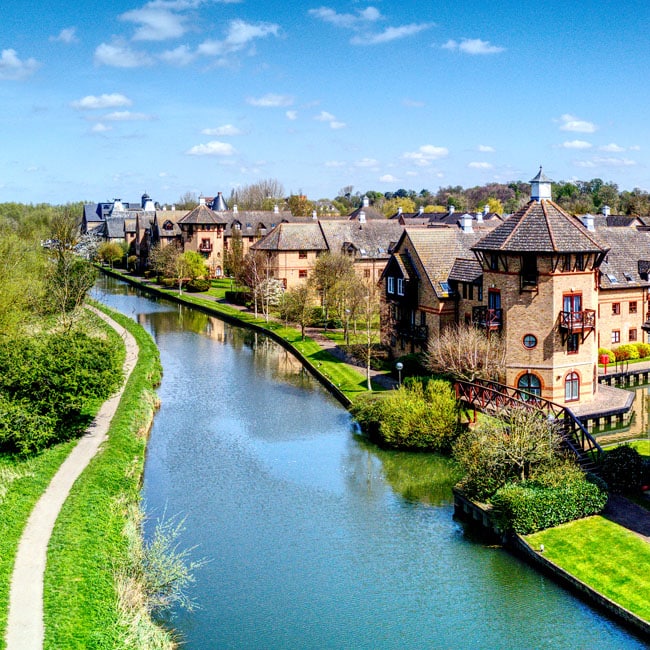
House Price Growth in Harlow
CM19 (Harlow North) leads on growth in every timeframe, with 17.8% over five years against 4.7% in CM21 (Sawbridgeworth) at the bottom. CM19, CM20 and CM18 are positive across one, three and five years, while Sawbridgeworth and Hoddesdon are down over one and three.
| Area | 1 Year | 3 Years | 5 Years |
|---|---|---|---|
| CM19 (Harlow North) | 3.2% | 7.2% | 17.8% |
| CM20 (Harlow Town Centre) | 2.0% | 1.1% | 12.6% |
| CM18 (Harlow South) | 0.6% | 0.5% | 10.4% |
| CM16 (Epping) | -5.2% | 1.0% | 9.0% |
| CM17 (Old Harlow, Newhall) | 0.7% | -0.2% | 6.7% |
| EN11 (Hoddesdon) | -6.1% | -10.5% | 6.6% |
| CM21 (Sawbridgeworth) | -10.8% | -14.3% | 4.7% |
CM19 at 17.8% over five years leads the catchment, and it is also top over three years at 7.2% and over the past year at 3.2%. CM20 and CM18 follow with five-year growth of 12.6% and 10.4%, so the three core Harlow postcodes hold the top of the table.
CM21 at 4.7% over five years has been the weakest grower and the softest recently, down 10.8% over the past year and 14.3% over three. Hoddesdon (EN11) shows a similar pattern at -6.1% over the year and -10.5% over three. Over one year all four core Harlow postcodes are up, with CM18 recording the smallest rise at 0.6%, and all three outer postcodes are down.
Monthly Property Sales in Harlow
Harlow's catchment sees 128 sales a month across its seven postcodes, with CM17 the busiest at 29 and CM21 the quietest at 10. Turnover, monthly sales as a share of the homes on the market at the time, ranges from 8% in CM16 to 30% in CM18.
| Area | Sales Per Month | Turnover | Asking Price |
|---|---|---|---|
| CM17 (Old Harlow, Newhall) | 29 | 15% | £442,977 |
| CM16 (Epping) | 23 | 8% | £657,520 |
| CM18 (Harlow South) | 22 | 30% | £328,095 |
| EN11 (Hoddesdon) | 18 | 9% | £452,245 |
| CM20 (Harlow Town Centre) | 15 | 13% | £304,670 |
| CM19 (Harlow North) | 11 | 9% | £370,696 |
| CM21 (Sawbridgeworth) | 10 | 9% | £462,072 |
CM18's 30% turnover is comfortably the highest in the catchment, ahead of CM17 at 15% and CM20 at 13%. CM17 records the most sales at 29 a month. CM16 has the lowest turnover at 8%, so its 23 sales a month are the smallest share of the homes advertised for sale; EN11, CM19 and CM21 sit at 9%.
How Long Properties Take to Sell in Harlow
Homes in CM18 (Harlow South) take an estimated 89 days to sell against 304 in CM19 (Harlow North), the difference between a seller's-market rating and a balanced one. The days figure is an estimate from the current pace of sales, not a measured time from listing to completion; months of unsold stock is how many months of homes are on the market at that pace, 2.9 in CM18 against 10.0 in CM19. The estimate is published for the four core Harlow postcodes.
| Area | Avg Days to Sell | Months of Unsold Stock | Market |
|---|---|---|---|
| CM18 (Harlow South) | 89 | 2.9 | Seller's market |
| CM17 (Old Harlow, Newhall) | 179 | 5.9 | Seller's market |
| CM20 (Harlow Town Centre) | 234 | 7.7 | Balanced market |
| CM19 (Harlow North) | 304 | 10.0 | Balanced market |
| CM16 (Epping) | Not enough data | Not enough data | Not enough data |
| CM21 (Sawbridgeworth) | Not enough data | Not enough data | Not enough data |
| EN11 (Hoddesdon) | Not enough data | Not enough data | Not enough data |
In Harlow, how quickly a home sells splits the core postcodes neatly. CM18's estimated 89 days and 2.9 months of unsold stock are under a third of CM19's 304 days and ten months, so each month's sales clear a far larger share of the listings in the south of the town. CM18 also has the highest turnover and the second-highest yield at 5.1%.
What Type of Property Can You Buy in Harlow?
The mix of homes swings sharply between Harlow's core postcodes, from terraced-heavy CM18 at 52.6% to detached-led CM17 at 48.6%. The percentages below come from 2021 Census records, available here for the four core Harlow postcodes rather than the outer villages.
| Area | Detached | Semi-detached | Terraced | Flats |
|---|---|---|---|---|
| CM17 (Old Harlow, Newhall) | 48.6% | 31.3% | 13.3% | 6.7% |
| CM18 (Harlow South) | 8.8% | 15.3% | 52.6% | 23.1% |
| CM19 (Harlow North) | 33.8% | 15.6% | 22.5% | 21.3% |
| CM20 (Harlow Town Centre) | 21.4% | 20.6% | 27.7% | 30.2% |
| CM16 (Epping) | Not enough data | Not enough data | Not enough data | Not enough data |
| CM21 (Sawbridgeworth) | Not enough data | Not enough data | Not enough data | Not enough data |
| EN11 (Hoddesdon) | Not enough data | Not enough data | Not enough data | Not enough data |
CM18 holds the largest share of terraced houses at 52.6% and a high flat share at 23.1%. CM18 also carries the second-highest yield at 5.1%, the highest turnover and the shortest estimated selling time in the town. CM20 holds the most flats of all at 30.2%.
CM17 is the most detached-heavy of the core postcodes at 48.6%, with detached and semi-detached houses together making up nearly 80% of its stock. CM17 has the highest asking price of the four core postcodes and a 4.4% yield. CM19 sits between the two, with a fairly even spread across all four types. Property-type figures are only available for the four core Harlow postcodes; the village postcodes of Epping, Sawbridgeworth and Hoddesdon are shown as not enough data.
Flat figures combine purpose-built and converted units, and a small share of mobile and temporary dwellings is excluded, so the rows may not total exactly 100%.
Harlow Rental Market Analysis
Monthly rents in Harlow run from £1,250 in CM21 to £2,081 in CM16, with gross rental yields from 3.2% to 5.6% across the seven postcodes. For investors asking is buy-to-let worth it in Harlow, the sections below break down rents, yields and tenant affordability postcode by postcode. If you are weighing how to start a property business in the East of England, Harlow's private rented share runs from 13.3% to 18.3% of households across the four core postcodes. You can browse current buy-to-let investments for sale across the region.
Average Rent & Gross Rental Yields in Harlow
Gross rental yields in Harlow range from 3.2% in CM21 to 5.6% in CM20. The town-centre postcode pairs the lowest asking price with the highest yield, and the three outer villages fill the bottom three places. CM16 has the highest monthly rent at £2,081 but a 3.8% yield, because its £657,520 asking price is more than double CM20's.
| Area | Average Monthly Rent | Asking Price | Gross Yield |
|---|---|---|---|
| CM20 (Harlow Town Centre) | £1,433 | £304,670 | 5.6% |
| CM18 (Harlow South) | £1,406 | £328,095 | 5.1% |
| CM19 (Harlow North) | £1,379 | £370,696 | 4.5% |
| CM17 (Old Harlow, Newhall) | £1,632 | £442,977 | 4.4% |
| CM16 (Epping) | £2,081 | £657,520 | 3.8% |
| EN11 (Hoddesdon) | £1,429 | £452,245 | 3.8% |
| CM21 (Sawbridgeworth) | £1,250 | £462,072 | 3.2% |
CM20 at 5.6% pairs the lowest asking price in the catchment with a £1,433 rent to give the highest yield. A 30% deposit of £91,401 gets an investor into the highest-yielding postcode, beside the station and the Market Square rebuild.
CM18 follows closely at 5.1% on a £328,095 asking price, so the two cheapest Harlow postcodes lead the yield table together.
CM21 at 3.2% sits at the bottom of the yield table. Sawbridgeworth's £1,250 rent is the lowest in the catchment, set against a £462,072 price, so the income return is the most compressed of all seven postcodes.
Is Harlow Rent High?
Monthly rents in Harlow take between 39.1% and 65.1% of the local median gross monthly salary. The commonly cited affordability line is 30% of gross income, and every Harlow postcode sits above it. The salary is the Harlow district median; for the addresses outside the district it is a benchmark rather than a measured local wage.
The median gross weekly salary in Harlow is £738.10, which works out at £3,198 per month or £38,380 per year. That sits below the East of England median of £785.80 a week and the Great Britain median of £752.40. Data from the Nomis Labour Market Profile (ASHE 2025).
| Rank | Area | Rent as % of Income |
|---|---|---|
| 1 | CM16 (Epping) | 65.1% |
| 2 | CM17 (Old Harlow, Newhall) | 51.0% |
| 3 | CM20 (Harlow Town Centre) | 44.8% |
| 4 | EN11 (Hoddesdon) | 44.7% |
| 5 | CM18 (Harlow South) | 44.0% |
| 6 | CM19 (Harlow North) | 43.1% |
| 7 | CM21 (Sawbridgeworth) | 39.1% |
CM21 (Sawbridgeworth) at 39.1% is the lowest ratio of the seven, on the lowest rent, and CM19 at 43.1% is the lowest of the four core Harlow postcodes. The ratio compares a whole home's rent with one median salary; it says nothing about how many incomes go into a tenancy. Across the core Harlow postcodes the figure clusters in the mid-40s.
CM16 at 65.1% is by far the least affordable, with the highest rent in the catchment set against Harlow's median wage; Epping sits outside the district, so that wage is a benchmark there rather than a local figure.
How Big Is Harlow's Private Rented Sector?
The private rented sector is deepest in CM20 at 18.3% of households and shallowest in CM18 at 13.3%, across the four core Harlow postcodes. The share shows how much of each postcode already rents privately. Household tenure by postcode is set out below.
| Area | Owned Outright | Owned with Mortgage | Private Rented | Social Rented |
|---|---|---|---|---|
| CM20 (Harlow Town Centre) | 25.7% | 34.8% | 18.3% | 19.4% |
| CM19 (Harlow North) | 34.2% | 29.1% | 16.5% | 19.6% |
| CM17 (Old Harlow, Newhall) | 33.9% | 39.7% | 16.3% | 8.8% |
| CM18 (Harlow South) | 25.3% | 28.7% | 13.3% | 31.6% |
| CM16 (Epping) | Not enough data | Not enough data | Not enough data | Not enough data |
| CM21 (Sawbridgeworth) | Not enough data | Not enough data | Not enough data | Not enough data |
| EN11 (Hoddesdon) | Not enough data | Not enough data | Not enough data | Not enough data |
CM20 has a reported private-rented share of 18.3%, with close to a fifth of homes already let privately, and the strongest yield of any postcode. CM19 and CM17 follow at 16.5% and 16.3%.
CM18 has the smallest private rented sector of the core postcodes at 13.3%, alongside by far the highest social-rented share at 31.6%. Tenure figures are only published for the four core Harlow postcodes; Epping, Sawbridgeworth and Hoddesdon are shown as not enough data. No rental-demand sample (homes advertised to let against monthly lettings) is published for any Harlow postcode, and the tenure share does not stand in for one.
Local Housing Allowance Rates in Harlow
The four core Harlow postcodes fall within the Harlow & Stortford Broad Rental Market Area, where Local Housing Allowance runs from £103.87 a week for a shared room to £316.44 a week for a four-bedroom home. For a tenant on housing support, Local Housing Allowance caps what the state will pay towards rent, so where the rent runs higher, the tenant covers the shortfall from other income. These rates hold across the Harlow core. For the live figure on any given address, the government's official Local Housing Allowance calculator is the place to check.
| Property Size | Weekly LHA Rate | Monthly Equivalent |
|---|---|---|
| Shared accommodation | £103.87 | £450 |
| 1 bedroom | £186.41 | £808 |
| 2 bedrooms | £235.89 | £1,022 |
| 3 bedrooms | £278.47 | £1,207 |
| 4 bedrooms | £316.44 | £1,371 |
The two-bedroom LHA rate of £235.89 a week works out at roughly £1,022 a month, and the four-bedroom rate of £316.44 to about £1,371. The rent table above averages every home advertised in a postcode whatever its size, so the two are not a like-for-like pair. The two-bed rate sits below every postcode's average rent. The four-bed rate is above CM21's £1,250 and within £10 of CM19's £1,379. The rate is a ceiling on the rent that housing support will count. The award can come in lower than the rate, and any rent above it is the tenant's to find. The rates apply across the Harlow & Stortford market area, so they are the same in every core Harlow postcode.
Buy-to-Let Considerations
Are House Prices High in Harlow? Price-to-Earnings Ratios
Buying in Harlow takes between 7.9 and 17.1 times the median local salary. This is based on the Nomis Labour Market Profile for Harlow showing the median gross annual income for Harlow residents is £38,380.
The national benchmark for price-to-earnings is 7.4x (England's average sold price of £289,946 divided by the Great Britain median annual salary of £39,125). Every Harlow postcode sits above that benchmark.
| Rank | Area | Price-to-Earnings Ratio |
|---|---|---|
| 1 | CM20 (Harlow Town Centre) | 7.9x |
| 2 | CM18 (Harlow South) | 8.5x |
| 3 | CM19 (Harlow North) | 9.7x |
| 4 | CM17 (Old Harlow, Newhall) | 11.5x |
| 5 | EN11 (Hoddesdon) | 11.8x |
| 6 | CM21 (Sawbridgeworth) | 12.0x |
| 7 | CM16 (Epping) | 17.1x |
CM20 at 7.9x has the lowest ratio relative to local earnings, just above the 7.4x national benchmark. It also carries the top yield and the largest private rented share of the four core postcodes. CM18 follows at 8.5x, so the two cheapest postcodes are also the two closest to the national benchmark.
CM16 at 17.1x sits furthest above the benchmark. Epping sits outside Harlow district, so the Harlow wage is a benchmark there rather than a local figure. CM16's yield is 3.8%, joint fifth of the seven.
Deposit Requirements in Harlow
A 30% deposit on a buy-to-let property in Harlow runs from £91,401 in CM20 to £197,256 in CM16. The gap between the cheapest and dearest deposit is £105,855.
Beyond the deposit, the stamp duty calculator buy to let and the costs of buy to let add to the total capital required.
| Rank | Area | 30% Deposit Required |
|---|---|---|
| 1 | CM20 (Harlow Town Centre) | £91,401 |
| 2 | CM18 (Harlow South) | £98,429 |
| 3 | CM19 (Harlow North) | £111,209 |
| 4 | CM17 (Old Harlow, Newhall) | £132,893 |
| 5 | EN11 (Hoddesdon) | £135,674 |
| 6 | CM21 (Sawbridgeworth) | £138,622 |
| 7 | CM16 (Epping) | £197,256 |
CM20 is the cheapest way into Harlow at a £91,401 deposit. It also has the top yield at 5.6%, the largest private rented share of the four core Harlow postcodes, and the Market Square rebuild on its doorstep.
Stepping up to CM16 costs roughly £105,900 more on the deposit, for a yield of 3.8% and a price-to-earnings ratio of 17.1x against CM20's 7.9x.
What the Harlow Data Tells Buy-to-Let Investors
In Harlow the cheapest way in is also the best on income. CM20 (Harlow Town Centre) has the top yield at 5.6%, the lowest asking price for buying an investment property at £304,670, the deepest reported private-rented sector among the four core Harlow postcodes at 18.3% and the most affordable price-to-earnings ratio at 7.9x. A 30% deposit there is £91,401, the lowest in the catchment, for a home renting at £1,433 a month beside the station and the live Market Square rebuild.
CM18 (Harlow South) is second on yield at 5.1%. It has the highest turnover at 30% and the shortest estimated selling time at 89 days, and terraces are 52.6% of its stock. CM19 (Harlow North) has grown most over five years at 17.8% and is up over every window. At the other end, the village postcodes of CM16 (Epping), CM21 (Sawbridgeworth) and EN11 (Hoddesdon) carry the highest prices and the lowest yields, from 3.2% to 3.8%. Our off-market property page covers buying below the open-market price.
Harlow's district-level sold price is 9.1% above England but below the East of England, Liverpool Street is around 30 minutes by train, and every postcode's rent takes more than 39% of the district median wage. The three highest yields sit in the town centre and the two Harlow neighbourhoods. The biosecurity campus and the 10,000-home garden town are future projects, and nothing on this page measures their effect on prices or rents.
How Harlow Compares
Harlow's mean asking price of £431,182 sits in the middle of these East of England locations, above Colchester and Basildon but below Stevenage and Chelmsford, while its 5.6% top yield is second of the five, behind Basildon's 6.1% and ahead of Colchester's 5.4%. The table sets Harlow against four nearby commuter markets, each with its own investor profile. Mean asking price and mean monthly rent are averaged across every postcode with data in each town; the top gross yield is that town's single best-yielding postcode.
| Location | Mean Asking Price | Mean Monthly Rent | Mean Gross Yield | Top Yield (postcode) |
|---|---|---|---|---|
| Colchester | £367,298 | £1,299 | 4.2% | 5.4% (CO1, CO2) |
| Basildon | £417,382 | £1,501 | 4.3% | 6.1% (SS13, SS14) |
| Harlow | £431,182 | £1,516 | 4.2% | 5.6% (CM20) |
| Stevenage | £459,009 | £1,459 | 3.8% | 4.8% (SG1) |
| Chelmsford | £538,633 | £1,529 | 3.4% | 4.5% (CM9) |
Harlow sits third of the five on price at £431,182, above Colchester and Basildon and below the two pricier markets, while its 5.6% top yield is second of the five. Basildon at 6.1% leads on top yield, while Chelmsford at £538,633 is the most expensive and has the lowest top yield at 4.5%. Stevenage sits just above Harlow on price with a 4.8% top yield.
Harlow's mean rent, £1,516, is second only to Chelmsford's £1,529 in the group. For a data-driven comparison across all UK locations, see our best buy-to-let areas guide.
Frequently Asked Questions
What are buy-to-let prices and yields in Harlow?
Liverpool Street is around 30 minutes by train, and government investment includes the planned relocation of the national biosecurity campus. Those projects are future context rather than evidence of tenant demand today. Local wages are below both the regional and national medians at around £738.10 a week, sold prices are 9.1% above the England average, asking prices range from £304,670 in CM20 to £657,520 in CM16, and postcode gross yields range from 3.2% to 5.6%.
CM20 (Harlow Town Centre) records the lowest asking price, the highest gross yield, the largest private-rented share among the four core Harlow postcodes with reported tenure data, and the live town-centre rebuild in this dataset.
What are the best areas in Harlow for property investment?
The catchment splits between the affordable new-town core and the premium outer villages. CM20 (Harlow Town Centre) is the cheapest at £304,670 and the highest-yielding at 5.6%, with the deepest reported private-rented sector among the four core Harlow postcodes. CM18 (Harlow South) is close behind at 5.1%, with the highest turnover and the shortest estimated selling time, on terraced-heavy stock. CM19 (Harlow North) has grown most over five years at 17.8%.
The village postcodes of CM16 (Epping), CM21 (Sawbridgeworth) and EN11 (Hoddesdon) are the premium end, with the highest prices and the lowest yields from 3.2% to 3.8%. So if income matters most, the town-centre and southern postcodes lead on yield and turnover; the villages carry the highest prices and the lowest yields.
What are average house prices in Harlow?
On the Land Registry index the average sold price across Harlow is £316,293, about 9.1% above the England average of £289,946 as of March 2026, though below the wider East of England average of £337,182. Asking prices by postcode run from £304,670 in CM20 (Harlow Town Centre) up to £657,520 in CM16 (Epping), with a catchment-wide mean of £431,182. By type, detached homes average £627,344, semi-detached £432,866, terraced £317,886 and flats £181,868.
Through a buy-to-let lens, CM20 is the cheapest entry and the highest-yielding at 5.6%, while the village postcodes are the dearest and lowest-yielding.
Why are Harlow house prices above the England average?
The figures show the premium; they do not show its cause. Harlow sits about 25 miles from central London on the West Anglia Main Line, with Liverpool Street around 30 minutes away. On the Land Registry index the town sells at 9.1% above England, with the premium widest on semi-detached houses at 50.2% and narrowest on terraces at 30.4%, while flats sit 15.2% below.
The premium is to England, not to the region. Against the East of England average of £337,182, Harlow is cheaper by £20,889.
What type of property is most common in Harlow?
It varies sharply by postcode, a legacy of Harlow being built as a planned new town. CM18 (Harlow South) is terraced-heavy at 52.6%, while CM17 (Old Harlow, Newhall) is detached-led at 48.6%. Terraces and flats are most concentrated in the southern and town-centre postcodes: CM20 carries the highest flat share at 30.2%, and CM18 the highest terraced share. The detailed property-type breakdown is published for the four core Harlow postcodes; the outer villages of Epping, Sawbridgeworth and Hoddesdon are not separately broken out.
What are the Local Housing Allowance rates in Harlow?
The core Harlow postcodes fall in the Harlow & Stortford Broad Rental Market Area, so they share one set of rates. As of June 2026, Local Housing Allowance runs at £103.87 a week for a shared room, £186.41 for a one-bed, £235.89 for two beds, £278.47 for three and £316.44 for four. Across Harlow & Stortford, these rates limit the rent included when housing support is worked out. An award below that limit leaves more rent for the tenant to pay from other income, and the rates put no floor under the wider market. The two-bed rate of about £1,022 a month sits below every postcode's average rent, though those averages cover every size of home, and the four-bed rate of about £1,371 is above Sawbridgeworth's.
Can I find buy-to-let property under £350,000 in Harlow?
Two postcode averages sit below it: CM20 (Harlow Town Centre) at £304,670 and CM18 (Harlow South) at £328,095. CM19 (Harlow North) averages £370,696, above the line, and the outer villages average well above it. By property type, flats across Harlow district average £181,868 on the Land Registry index and terraced houses £317,886, both district-wide type averages rather than a postcode price. Our below market value property page covers buying under the open-market price.
How do I buy an investment property in Harlow?
The top yield and the top five-year growth sit in different postcodes. CM20 (Harlow Town Centre) is the cheapest entry at £304,670 and the highest-yielding at 5.6%, while CM19 (Harlow North) has grown fastest over five years at 17.8%. The outer villages carry the lowest yields, 3.2% to 3.8%. A 30% deposit runs from £91,401 to £197,256 depending on the postcode.
Buying below asking is covered on our off-market property page. To see what is available now, browse investment properties in Harlow or buy-to-let property for sale.
Ready to buy property?
Browse investment properties with prices and gross yields shown for each opportunity.
Get property alerts